Ad

Number of animal tests in the Netherlands rises by 18 percent

In the Netherlands, more tests were performed in 2017 than in the previous year. This constituted a rise of 18 percent. “Unfortunately, we can’t do without animal testing,” says Carola Schouten, Minister of Agriculture.
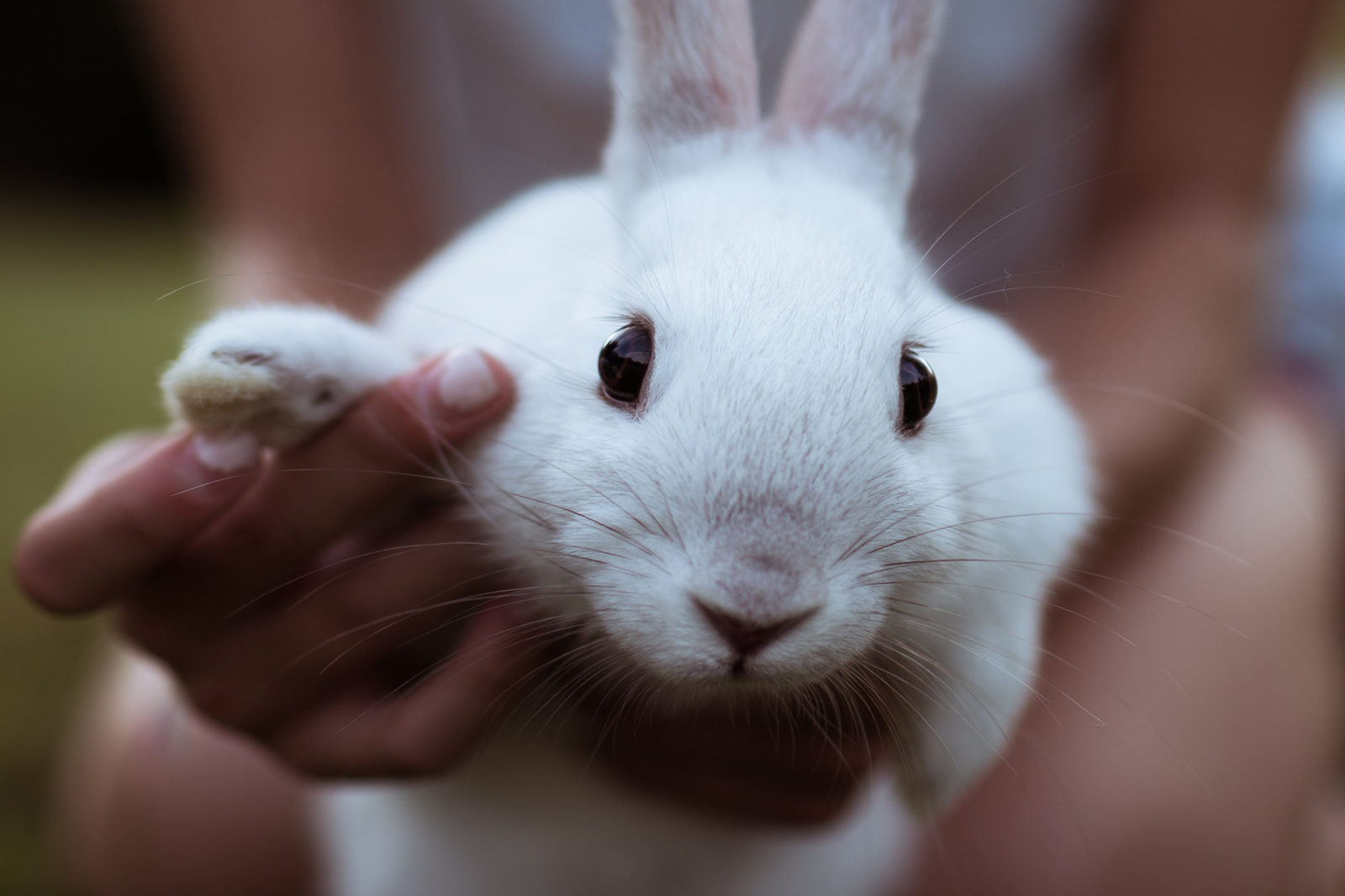
Image by: William Daigneault | Unsplash
In 2017, 530,568 animal tests were performed in the Netherlands. This was 80,694 more than the previous year, calculated the Netherlands Food and Consumer Product Safety Authority (NVWA). Testing was carried out at universities, university hospitals, research institutions and pharmaceutical companies.
A laboratory animal can be used in several studies, so the actual number of animals may be lower than the number of tests carried out, according to the NVWA annual report. In 2017, over ten thousand animals were used for more than one study.
Mice and rats
The tests mainly involved mice (43 percent) and rats (19 percent). The biggest increase was observed among genetically modified mice and zebra fish, which scientists used for cancer research. Nearly 90 percent of all the animals died during the test or were killed afterwards.
Universities and academic hospitals used nearly 173,000 laboratory animals. Of these, 46,678 were used by Leiden University, followed by Erasmus Medical Centre and Leiden University Medical Centre, each with over 20,000 animals.
Most of the animal testing in the Netherlands is conducted for fundamental scientific research (42 percent). Over a quarter of the tests are performed for application-based research and another quarter for legally required safety tests.
Failure rate
In her response, the Minister of Agriculture writes that she wants to move as quickly as possible to research without animal testing. Information about the failure rate of animal testing must be published to avoid unnecessary repetition. Schouten: “Nevertheless, animal testing will continue to be necessary in the coming years until sufficient alternatives have been developed and permitted. But I would like to emphasise that I strongly advocate careful treatment of these animals.”
De redactie
Latest news
-
Universities want to work with Defence even more
Gepubliceerd op:-
Governance
-
Politics
-
-

After Covid, students are once again more likely to go abroad for part of their studies
Gepubliceerd op:-
Internationalisation
-
-

EM TV newsflash: Shorter waiting time for medical interns, lively trade in graduation tickets and purchasing power increase
Gepubliceerd op:Article type: Video-
EM TV
-

Comments
Comments are closed.
Ad
Read more in Research
-

How investment treaties undermine the voices of local communities
Gepubliceerd op:-
The PhD Defence
-
-
Why it is hard to find a connection between the psychiatric illness and the brain
Gepubliceerd op:-
The PhD Defence
-
-
Investigation into DUO fraud hunt nominated for ‘Loep’
Gepubliceerd op:-
Research
-