Ad

Figuring out the Dutch election conundrum as an International Student

As an international student from Venezuela, one of the biggest disadvantages of the language barrier is accepting the fact I am also oblivious to the Dutch political scene. Without proper political coverage in English becoming politically engaged has become a challenge in The Netherlands. Determined to know all details regarding the recent elections in the Netherlands, I practiced my pronunciation of waterschappen – watersjappen, waterskappen, waterschapen’ – and headed straight to the ‘stembureau’ located at the C-Hall.
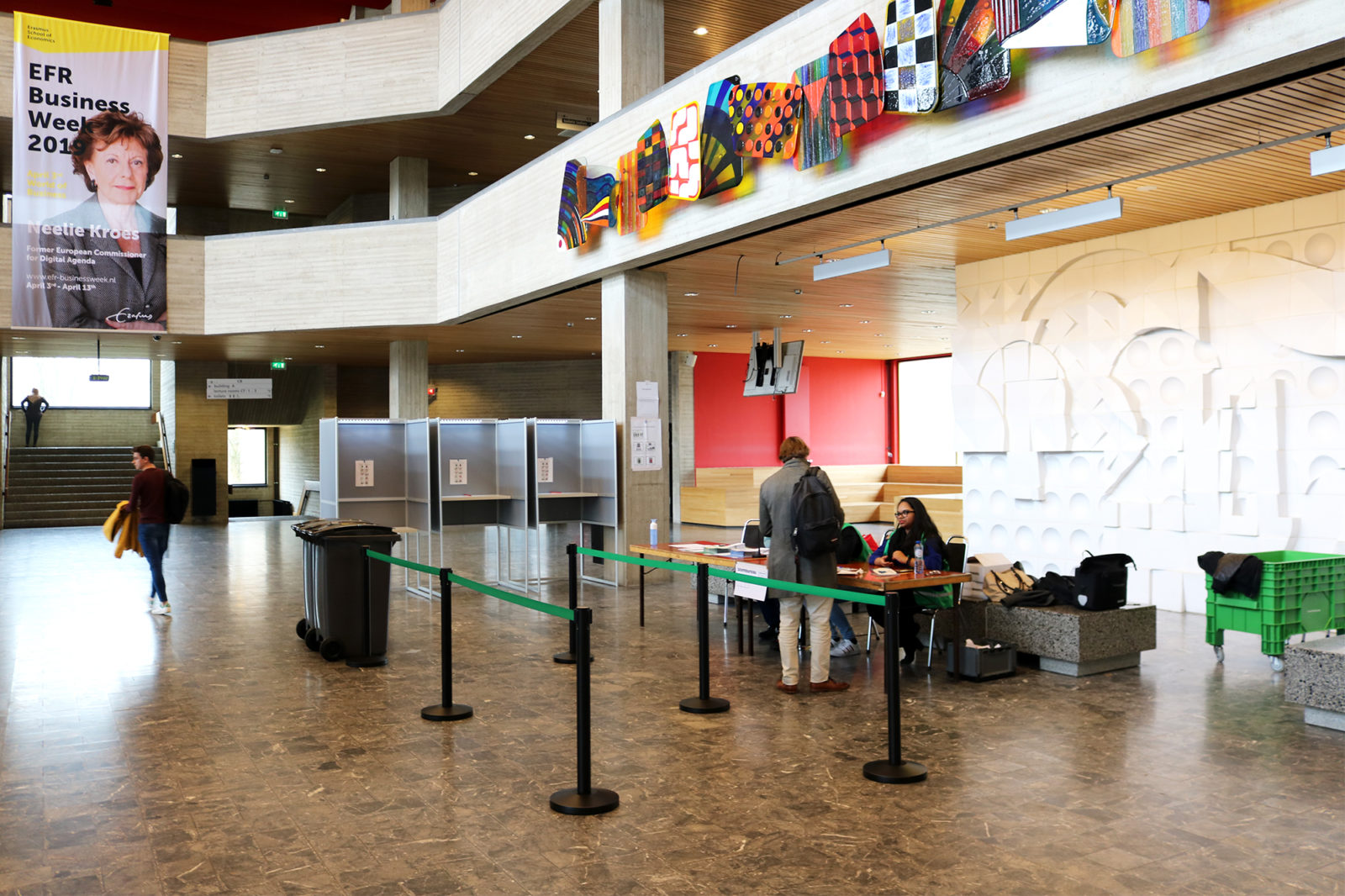
Image by: Pietro Vigilanza
I initially stumbled upon Masis Hakhverdian, lecturer at the Erasmus School of Law and elections volunteer at the voting booth. “There are two different levels of government within the Netherlands, national and municipality”, he explains. “Between these two levels there is the province and the ‘water-management’ level, which is what we are voting for right now.”
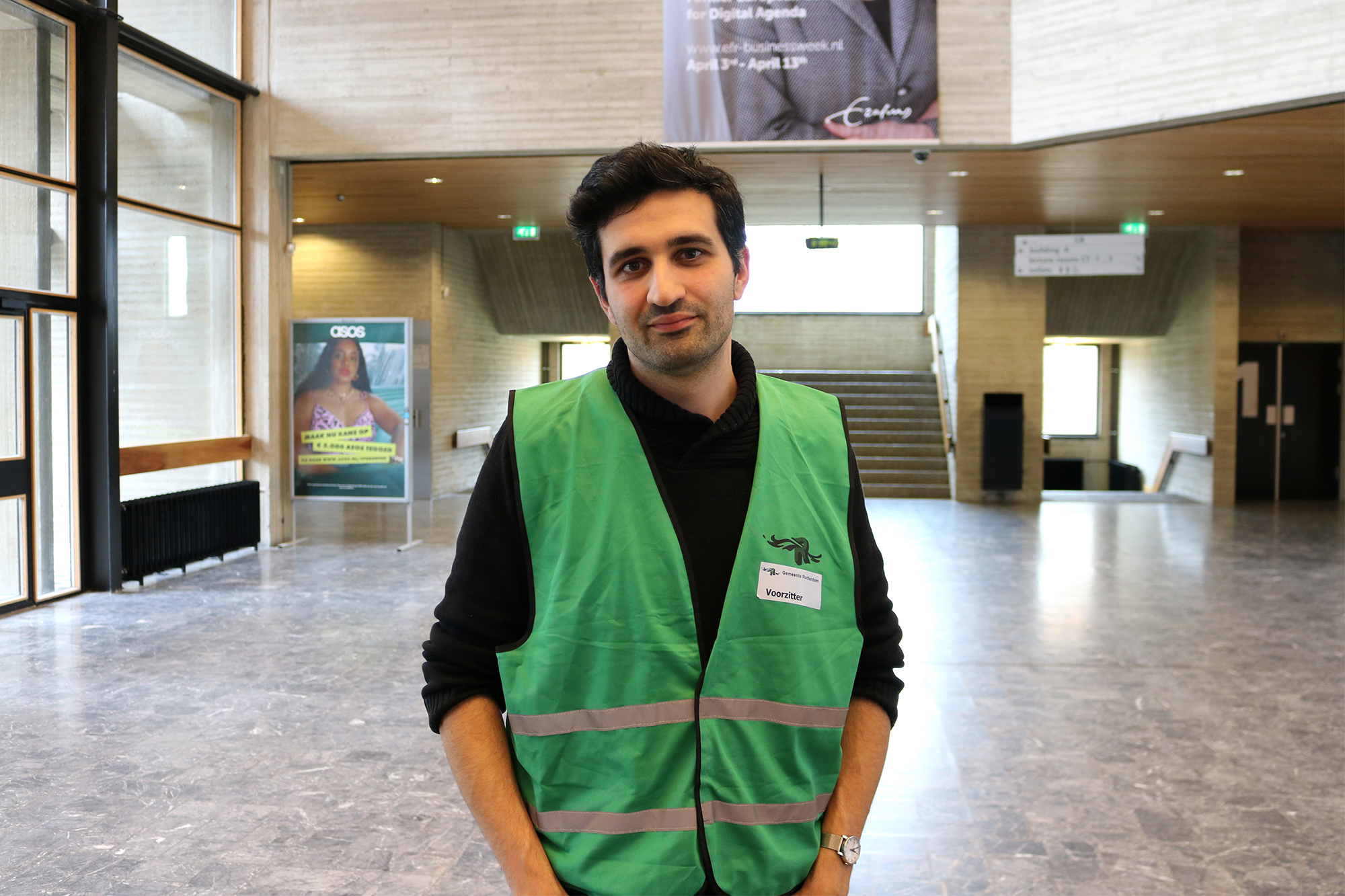
Masis Hakhverdian, lecturer at the Erasmus School of Law and elections volunteer at the voting booth
Image by: Pietro Vigilanza
With presumed scant media coverage and general low interest from voters, for many students, especially international students such as me, it may still be unclear what these mid-level political roles may entail. For this reason, I asked students two simple questions: Why do you vote, and what are you exactly voting for?
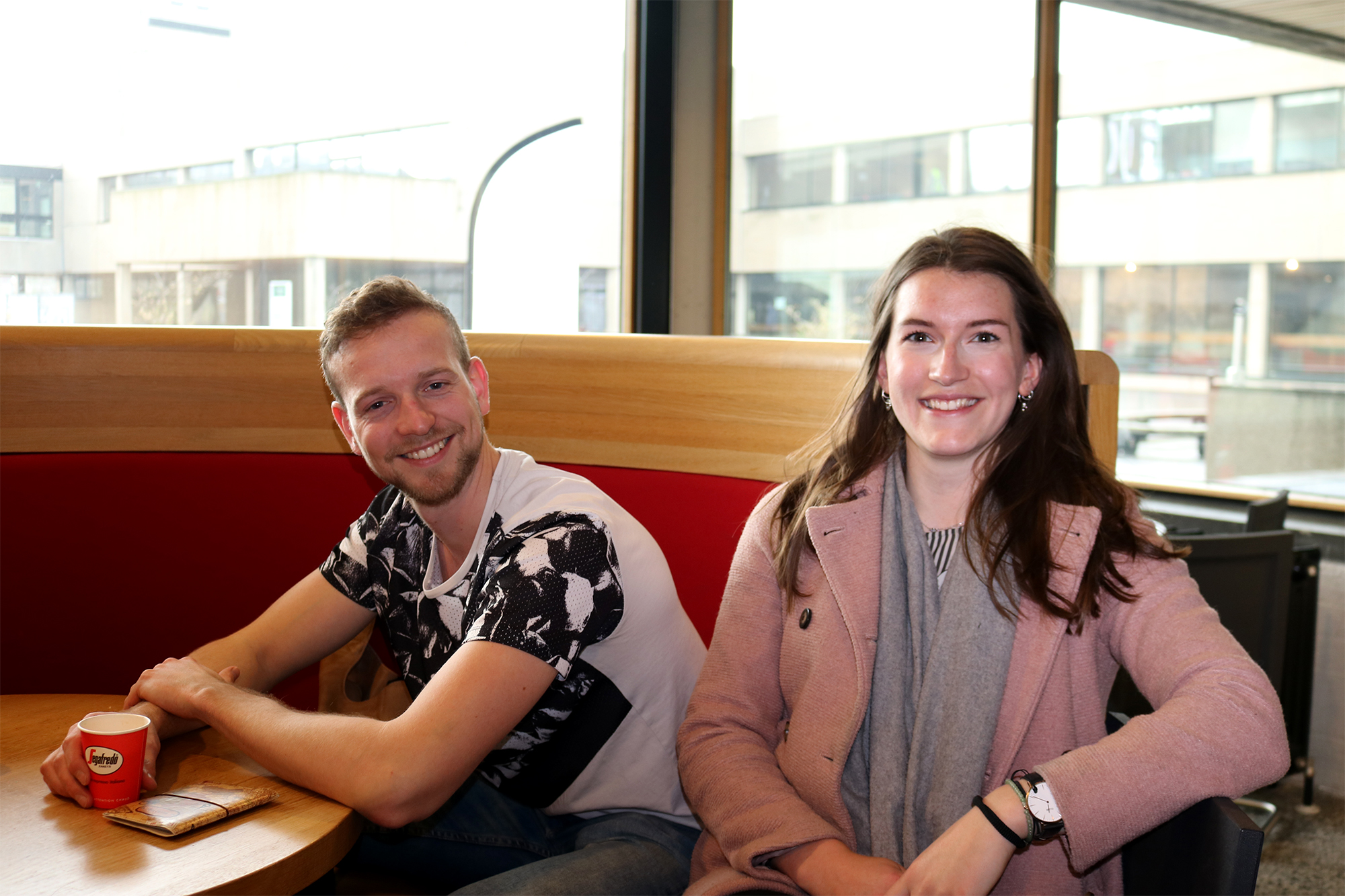
Moa (right) and a friend
Image by: Pietro Vigilanza
Secondly, I spoke with Moa, a 22 year old Labour Law Masters student:
“Being a citizen of the Netherlands, it is always good to participate in the democracy of the Netherlands. We complain a lot about politics.”
“What is a waterschap? If I am honest I have no idea of the exact role! I thought you could vote on certain areas, but once in the voting booth I saw you could vote for seven different parties and I had not heard about some of them. To be honest, I just voted for someone that is close to the village from where my parents live. I will have a look afterwards to see what it is. I feel bad about it; I could have read a bit more.”
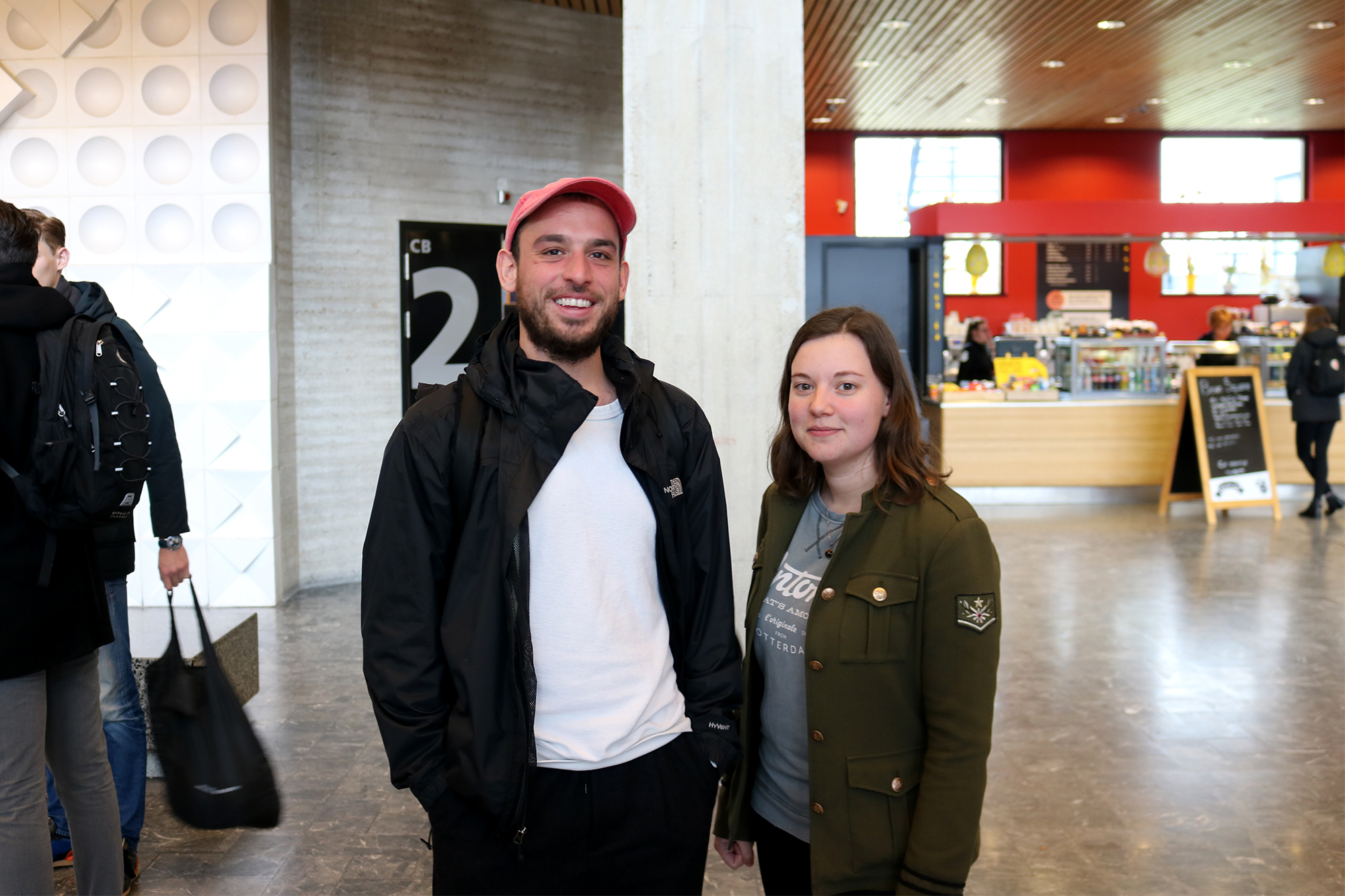
Sandy and Camile
Image by: Pietro Vigilanza
I was still completely unclear about this election, until I met Sandy and Camile, both 27 and they both study Sociology:
“We vote since it is important in a democracy to have an influence in the decisions that are being made for you. We have been researching about the waterschappen and the province the last few days. It is quite easy to find out what they do, but it becomes quite difficult to know what we are actually voting for. Its role could as well have been done by the province.”
“We know the waterschappen have to manage the river and the lakes, but overall not many people are aware how this is influenced by the people’s vote.”
“It is not very clear what kind of taxes we will be paying next year. Overall it’s extremely confusing.”

Raul
Image by: Pietro Vigilanza
Before leaving the election site, I spoke with Raul, a 24-year-old recent graduate in Organizational Phycology. While speaking with him he reveals his overall interest in politics:
“These elections are not much about the person, they are more about the party. The government decides on national level, while provinces are like ‘big cities’ – they decide on stuff that is too small for the government, but too big for the cities. For example, highways, taxes for the province, or big projects within the province. They may also influence energy at a province level– ‘do we want to force farmers to put windmills on their properties or not?’”
“The waterschappen takes care of the water management. For example, we had a big issue with a drought last summer. Waterschappen can decide to keep the water level low to benefit farmers, although this low water levels also affects houses.”
“More important are the provinces since all 12 provinces together vote for the senate. If our party wins, it is more likely for that party to be present in the senate – indirectly you are voting for the senate.”
Other countries don’t have an opportunity to vote and they are having wars for democracy. We have a good democracy so we should use it.”
De redactie

Latest news
-
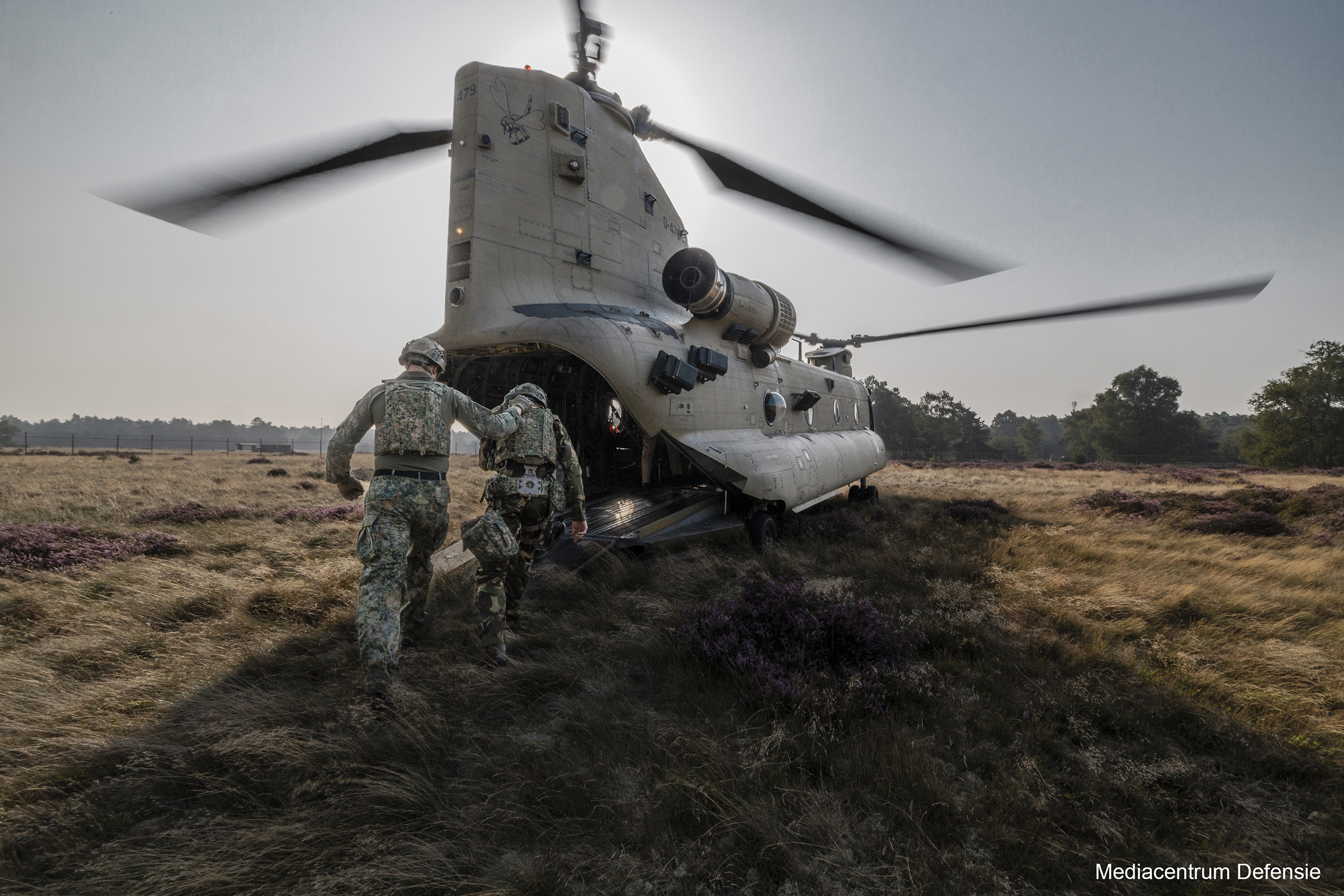
Universities want to work with Defence even more
Gepubliceerd op:-
Governance
-
Politics
-
-
After Covid, students are once again more likely to go abroad for part of their studies
Gepubliceerd op:-
Internationalisation
-
-
EM TV newsflash: Shorter waiting time for medical interns, lively trade in graduation tickets and purchasing power increase
Gepubliceerd op:Article type: Video-
EM TV
-
Comments
Comments are closed.
Ad
Read more in Politics
-
Universities want to work with Defence even more
Gepubliceerd op:-
Governance
-
Politics
-
-
National budget: extra money education and research, no unexpected cuts
Gepubliceerd op:-
Education
-
Politics
-
-

Budget Day: Students’ purchasing power barely changes
Gepubliceerd op:-
Money
-
Politics
-