Negotiations with the United Kingdom: why are tuition fees a sticking point?
Could EU citizens soon be able to study more cheaply again at universities such as Oxford and Cambridge? Negotiators from the United Kingdom and the EU will continue to haggle for another six months.
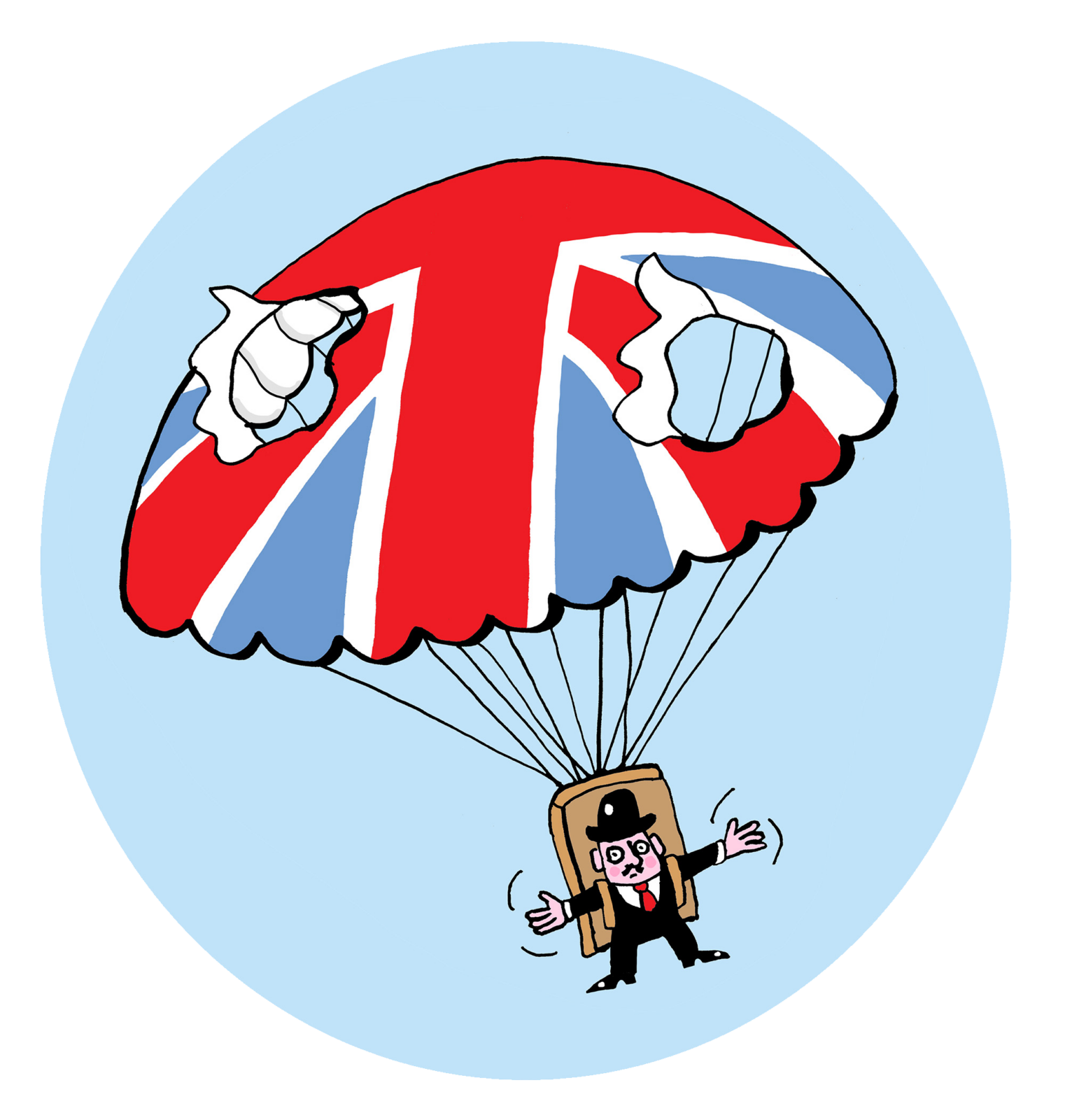
Image by: Bas van der Schot
The United Kingdom has lost more than it has gained from leaving the European Union, believes British prime minister Andy Burnham. His government wants to undo the damage and is seeking to move closer to the EU again.
An agreement has now been reached that will take effect in March 2028. At least, if negotiators can also reach an agreement on tuition fees for each other’s students. Some believe the negotiations could fall apart over this, in which case the whole thing might not go ahead.
How do tuition fees work within the EU?
When European students study in another member state, they generally pay the same tuition fees as citizens of that EU country. So Germans and Italians pay the same tuition fees here as Dutch students. That was also how things worked in the past when, for example, Dutch students went to study in the United Kingdom. But not any more.
How much do students pay in tuition fees in the UK?
The rate for British students themselves is now almost 9,800 pounds a year, equivalent to 11,700 euros (roughly four times the statutory tuition fee in the Netherlands). International students quickly end up paying several times as much. Oxford charges between 39 thousand and 66 thousand pounds a year.
Bloody hell! Do any Dutch students still go to the UK?
You might be surprised. In 2023, 2,500 were still studying there. That makes the UK the second most popular destination, after Belgium. There are fewer of them than before, though. Just before Brexit, there were 3,600 Dutch students in the UK.
Back to those negotiations. What are they about?
Among other things, trade in food products, the rules on emissions allowances and military support for Ukraine, as well as student exchanges and tuition fees. Everything has been agreed, except tuition fees for full degree programmes.
What is the problem with tuition fees?
The EU’s ideal is a level playing field across Europe. The union is not a menu, the European Commission believes. If you want to take part in the single market, that comes with other things, such as treating each other’s students equally. But the UK would rather not foot the bill.
What is that bill?
British universities claim they would be 570 million pounds worse off each year. They say they often make a loss on standard tuition fees and make up for those losses with fees paid by international students.
Doesn’t internationalisation also bring benefits?
The contribution of international graduates to the UK’s public finances is said to be much greater than the cost of lower tuition fees. Seen in that light, the government could cover the universities’ losses.
The universities warned about the consequences of Brexit at the time.
That’s right, they criticised the higher tuition fees for EU students. But their budgets are now partly based on those higher rates. If they disappear, the money will have to come from somewhere.
What is the provisional outcome of the negotiations?
The British are said to have made an offer: a rate of 12 thousand pounds for EU students (equivalent to around 14 thousand euros). But the EU rejected it. The two sides will continue talking over the next six months.
How long was the United Kingdom actually a member of the EU?
From 1973 to 2020. The country wanted to join as early as the 1960s, but France vetoed it twice. A degree of Euroscepticism persisted in the United Kingdom, as this clip from the political comedy series Yes, Minister illustrates. In 2016, the country held a referendum and a narrow majority voted for Brexit.
Een lijst met artikelen
-

International students under stress due to doubling of tuition fees in five years
Gepubliceerd op:-
Money
-
Would you rather see EM than AI generated news in your search results? Add EM as a source in Google. Or just ignore the search engines and chatbots and use our mobile app instead.
De redactie
Comments
Read more in Politics
-
Few Caribbean students come to the European Netherlands on Kingdom scholarships
Gepubliceerd op:-
Education
-
Politics
-
-
Letschert says it is sad that meeting of Jewish students could not go ahead in Maastricht
Gepubliceerd op:-
Politics
-
-
House of Representatives wants to put civil servants laid off by cuts in front of classes
Gepubliceerd op:-
Education
-
Politics
-
Leave a comment