Ad

Quite a challenge: dealing with criticism from non-scientists
Scientists would rather have their research presented as 'an opinion' than have journalists check their findings, Chris Aalberts observes.
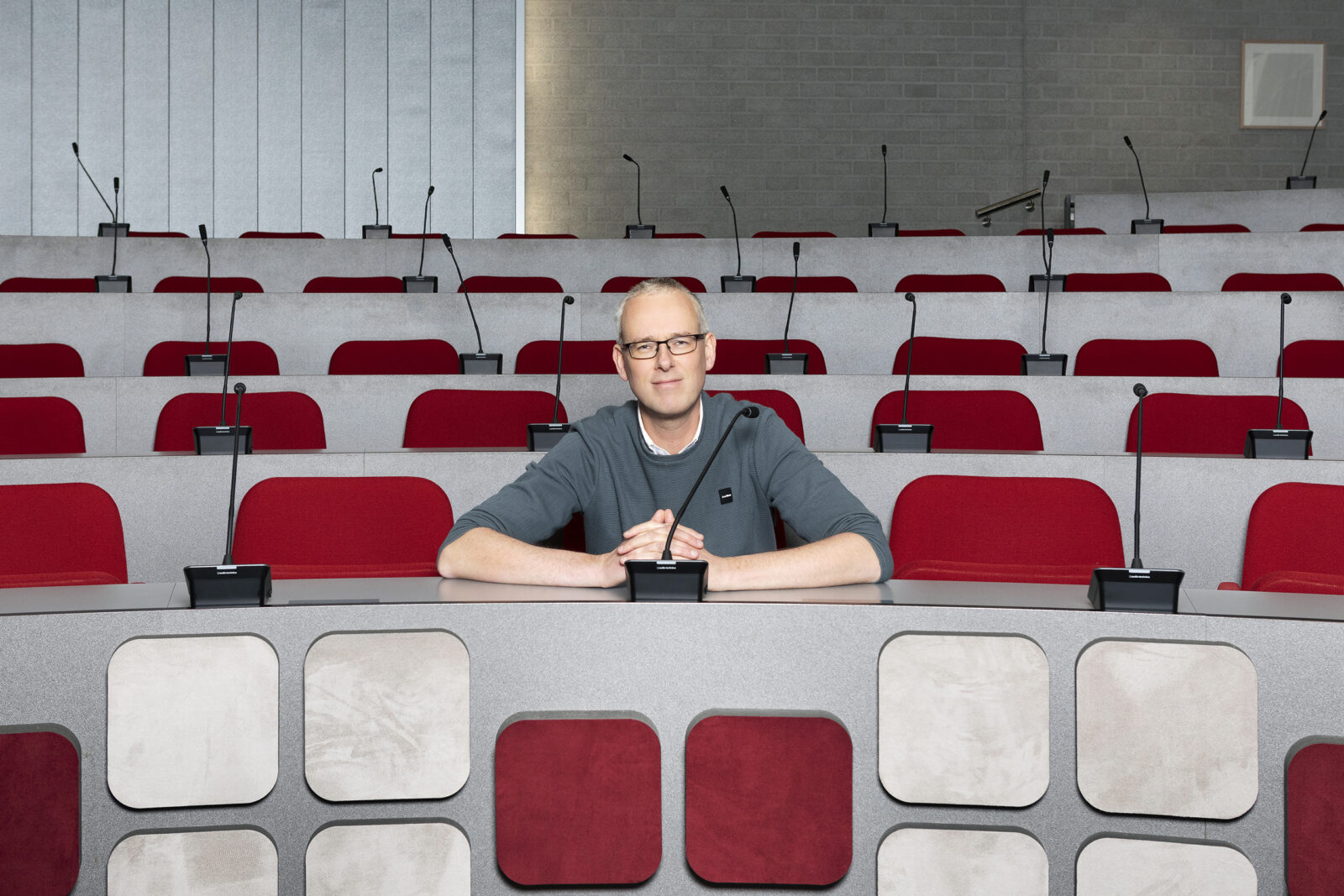
Image by: Geisje van der Linden
Would scientists enjoy debating with non-scientists? Let’s ask a professor who has appeared unusually often in the media over the past few months: political scientist Catherine de Vries has published a book about the rise of the far right. Her argument, broadly speaking, is that this is a result of the dismantling of the public sector. Disappearing bus routes, closed town halls and bankrupt swimming pools make people feel ignored, prompting them to seek out parties that make them feel heard.
De Vries appeared on all sorts of programmes. There was some criticism here and there. There has been research into PVV voters before. These voters say something quite different: they vote PVV because they want less migration. That explanation is quite convincing, because this is exactly what parties of this kind have been calling for years. This is, of course, quite demotivating for the researcher: doubt is cast on all sorts of findings. As if the opinion of some random talk-show guests were worth as much as rigorous research.
Journalism usually stops at exactly this point: there are different opinions on a particular issue, they are all given equal attention, and the reader is left to make up their own mind. Scientists are not keen on this approach, but things can always be worse: there are also people like Jesse Frederik of De Correspondent. He did not believe De Vries’s claim, looked at the data on an important case study from her book and started crunching the numbers. There was little left of her argument. Or rather: nothing.
'As if the opinion of some random talk-show guests were worth as much as rigorous research'
De Vries began lashing out: Frederik had misread her work and carried out the analysis with the help of AI. De Vries did not refute his criticism, instead launching into a barrage of jargon and calling her editor-in-chief to say she did not have time for this discussion. She believes this kind of criticism should go through peer review. Frederik has thus inadvertently demonstrated something very important: scientists would rather have their research presented in the media as ‘an opinion’ than have journalists seriously check their results.
If you think De Vries is the only one who dislikes this kind of tenacious journalist, you are wrong. Quite a few political scientists had never analysed this case themselves but still made it known that Frederik was wrong, accused him of producing ‘rubbish’ and said he should not criticise an article in ‘one of the most rigorous political science journals’. The bad news is that Frederik has now submitted his criticism for peer review, and it has not been thrown in the bin. A statistician has already come out in his favour.
And so trust in science took a serious hit. And not because of Jesse Frederik.
Read more
-
The sad anniversary of powerless staff and students
Gepubliceerd op:-
Column
-
De redactie
-
 Chris Aalberts
Columnist
Comments
Ad
Read more in Column
-

Ctrl+F on paper
Gepubliceerd op:-
Column
-
-

Private joke
Gepubliceerd op:-
Column
-
-

Powerhouses are like shoulder pads
Gepubliceerd op:-
Column
-

Leave a comment