Ad

The drama of Jason Arday
Cambridge put the young scholar in a dangerous position, believes Philosophy professor Ronald van Raak.
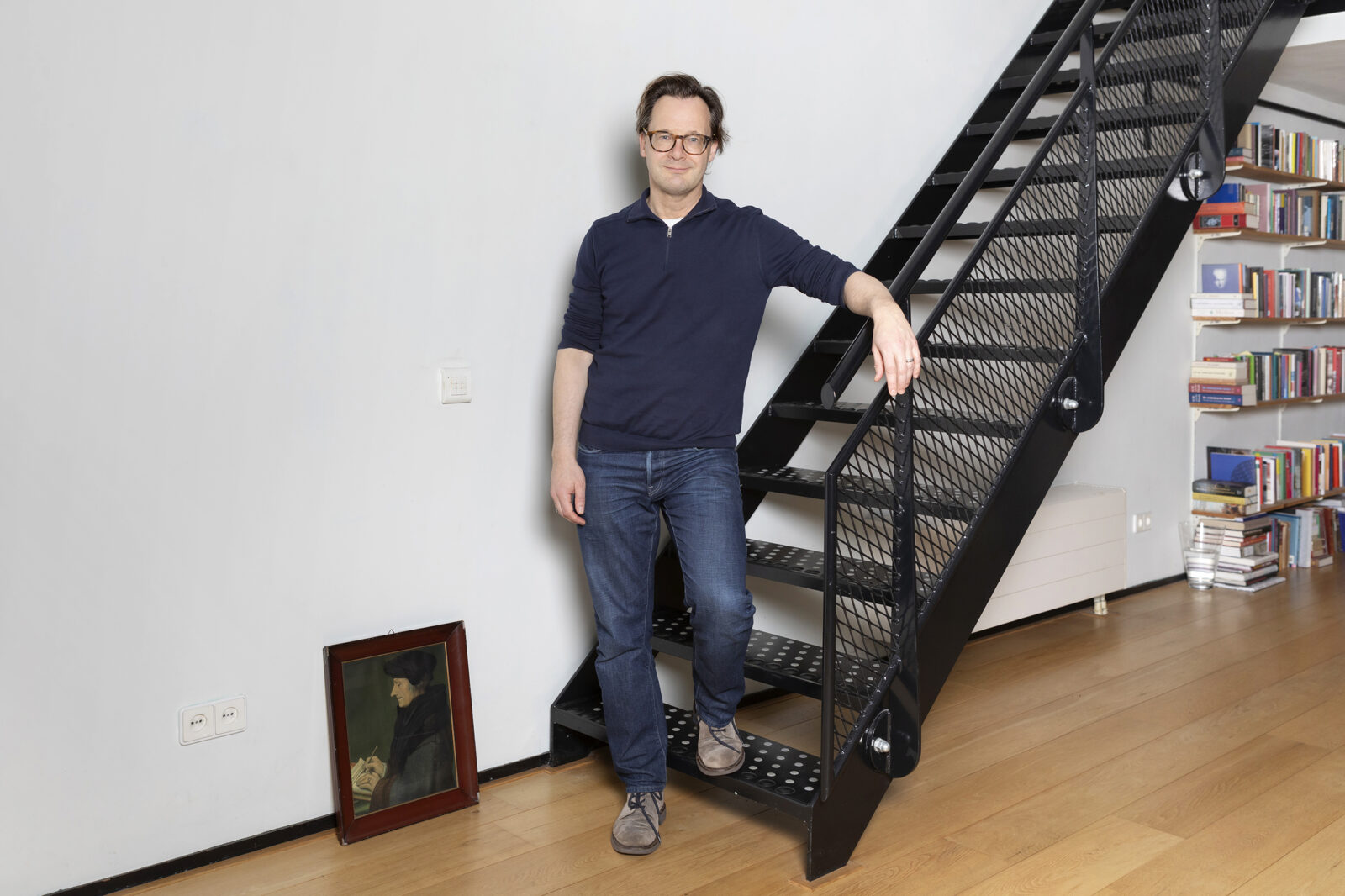
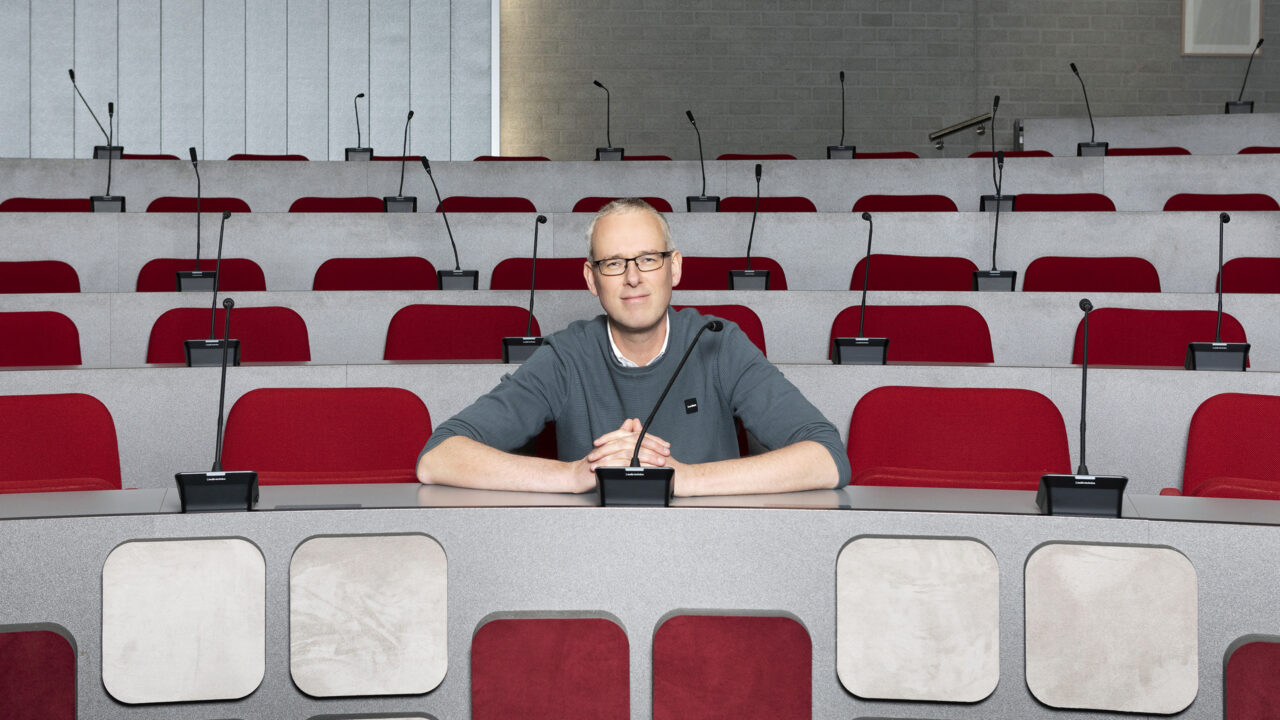
Image by: Geisje van der Linden
I am still struggling to get the tragedy of Jason Arday’s death last month out of my mind. Arday, a former professor at the University of Cambridge, was suspected of falsifying his CV and plagiarising in his academic work. He resigned and was found dead at his home in London a few days later. As the youngest Black professor, Arday was a figurehead for Cambridge.
You only have to glance at reactions on social media to see that racism is still very much alive. Reports of fraud and plagiarism by Jason Arday were used to cast suspicion on all professors of colour, on the grounds that they could get away with it. People who had worked in academia all their lives were suddenly reduced to ‘Black professor’.
On the other hand, it was claimed that Arday’s fraud was reported only because he was a Black professor. In de Volkskrant on 22 August, academics from England said that ‘plagiarism has long been a tried-and-tested way of damaging Black thinkers’. On both sides, Arday’s tragedy became a battle over colour.
Jason Arday was a man with an extraordinary story. Born into a Ghanaian family in London, he had various mental and physical conditions as a boy, which left him with a huge disadvantage: he said he could not read or write until he was 18. He quickly made up for lost time, completed a PhD and became a professor at Cambridge in 2023.
'On both sides, Arday's tragedy became a battle over colour'
Afterwards, several academics and journalists said they had doubts about the life story Arday told, as well as about his PhD and publications. Arday told some very tall tales: about books he had not actually published, positions at universities he had never held, and racist treatment that had probably never taken place.
I did not know Jason Arday, but from what I have read and seen, he seems to me a very interesting man, but also a fantasist. Someone who could achieve an enormous amount, but found it very difficult to show restraint. Someone who deserved to be challenged, but also to be protected from himself. It seems that, sadly, the University of Cambridge did not do the latter.
I have a skin colour, as we all do. We cannot simply set aside our own opinions and judgements. That is also why our research must always be verifiable and replicable, through descriptions of experiments and references supporting our reasoning. And whoever or whatever you are, fraud and plagiarism are grave sins in academia.
I fear the University of Cambridge wanted to bask in the reflected glory of a talent like Jason Arday, but in doing so put the values of academia second by failing to question him properly about his life and check his publications. This put not only the university, but above all Jason Arday himself, as a young scholar, in a dangerous position.
Lees meer
-
Academics allow themselves to be used by politicians
Gepubliceerd op:-
Column
-
De redactie
-
 Ronald van Raak
Columnist
Comments
Ad
Read more in Column
-
The president of the Executive Board hopes scientists will draw energy from hot air
Gepubliceerd op:-
Column
-
-

Notes on your phone
Gepubliceerd op:-
Column
-
-

Looking back without anything weighing on you
Gepubliceerd op:-
Column
-


Leave a comment