Ad

Dutch people increasingly believe AI cannot help advance science
Dutch people still have a great deal of trust in science, but trust in AI is falling sharply. Just 37 per cent believe AI can help tackle climate change or cancer. Two years ago, the figure was still 60 per cent.
Since 2012, the Rathenau Institute has been asking Dutch people how much trust they have in institutions including science, the courts and the government. The new report shows that the public still has relatively high levels of trust in science.
On a scale of one to ten, they give science an average score of 7.4 this year. That is a slight drop compared with last year, when they gave it 7.5.
The score is still much higher than those for other institutions. The courts score 6.5, for example, and newspapers 5.7. The public has little trust in television (4.9) and the House of Representatives (4.6), and even less in the government (4.3). They completed the questionnaire last January, shortly before the new cabinet took office.
Artificial intelligence
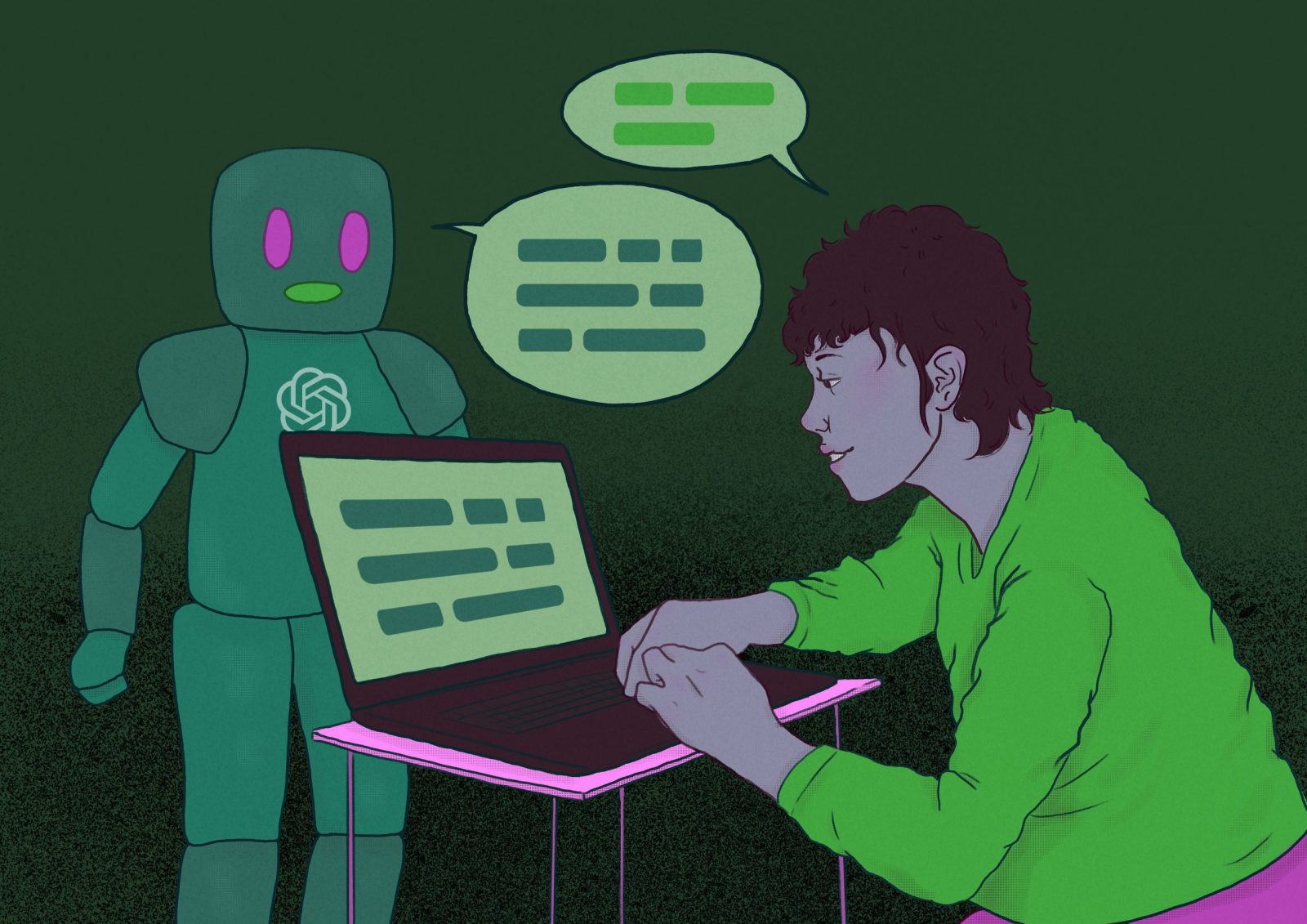
The Rathenau Institute also investigated trust in the scientific potential of AI. That trust has fallen sharply over the past two years.
In 2024, a European survey found that 60 percent of Dutch people thought artificial intelligence would solve major scientific challenges such as climate change and serious diseases. The Rathenau survey found that the figure is now just 37 percent.
According to a survey last year by scientific publisher Elsevier, more than half of researchers use AI. This also causes problems: scientists are increasingly citing publications in their research that do not exist.
Finances
In previous years, trust in science appeared to be linked to education level, but that is not the whole story after all. Trust in science appears to be linked above all to people’s financial circumstances, the Rathenau Institute writes. The researchers did not ask about income, but people who feel they are managing well financially have, on average, more trust in science.
“This is not definitive proof that education has no effect at all”, says Jelle Slief, who led the research, in a press release. “But household income seems to be a better predictor than education level, and that certainly gives us food for thought.”
Een lijst met artikelen
-
‘If anyone should be thinking about the effects of AI on society, it is scientists’
Gepubliceerd op:-
Artificial Intelligence
-
Science
-
De redactie
Comments
Ad
Read more in Artificial Intelligence
-
‘If anyone should be thinking about the effects of AI on society, it is scientists’
Gepubliceerd op:-
Artificial Intelligence
-
Science
-
-
Prime minister Jetten sees potential for AI to improve education
Gepubliceerd op:-
Artificial Intelligence
-
Politics
-
-
With this theatre show, cybersecurity expert Bernold Nieuwesteeg hopes to finally wake everyone up
Gepubliceerd op:-
Artificial Intelligence
-
Culture
-
Leave a comment