Ad

More than 1,500 euros extra in tuition fees for non-European students: U-council wants to limit increases

Tuition fee increases for non-European students should be limited and made more predictable. The University Council is calling for this in an advisory letter to the Executive Board. At the medical faculty, for example, tuition fees are rising by 2,800 euros this year.

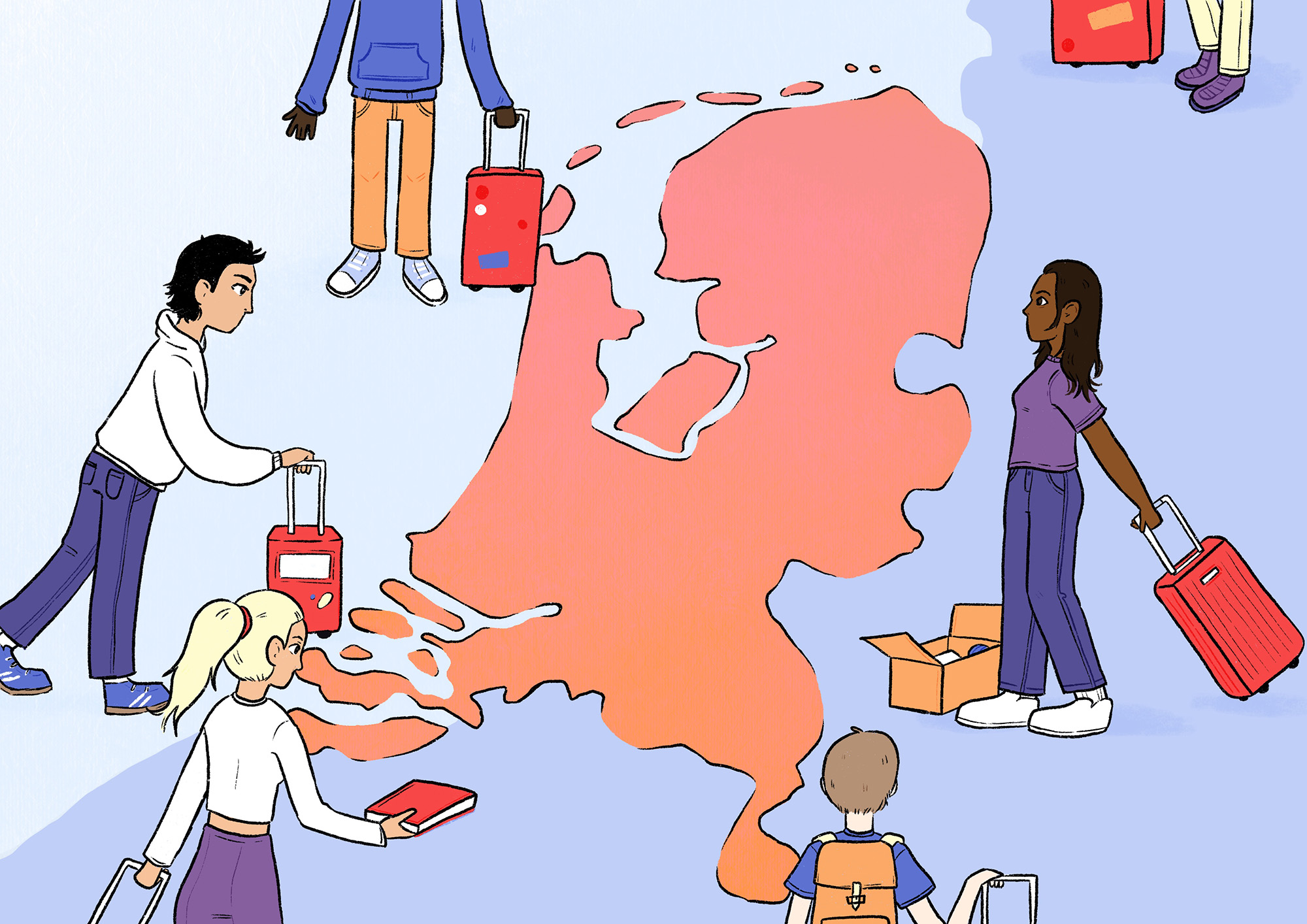
Image by: Sonja Schravesande
The letter was written in response to an 8.8 per cent increase in tuition fees for non-European students (technically, from outside the EEA zone) in 2027-2028. This amounts to an average increase of more than 1,500 euros. Medicine is seeing the sharpest rise, with fees increasing by 2,800 euros to 35,000 euros a year. By comparison, Dutch and European students will see their tuition fees rise by 3.6 per cent (93 euros) next year.
Selling dad’s car
The increase is particularly hard on current students. They often calculated whether studying in Rotterdam was financially feasible based on the tuition fees they had to pay in their first year. It can also have major consequences for parents. A student from Russia previously told EM that her father had to sell his car to finance her studies. A student from Kazakhstan said that, for the same reasons, her mother had to continue to work despite suffering from health issues.
On top of the increases, there will no longer be transitional arrangements for new students in 2027-2028. Such an arrangement was in place in previous years, slightly cushioning the increase for students during their study. Rector Jantine Schuit said in the University Council that there would be no transitional arrangements for future students anymore, partly because of technical limitations of the administrative software, but also because the university simply needed the money.
Scholarship programme for ‘less privileged’ students
The University Council dismissed the technical argument. “The council believes that the predictability and protection provided by a transitional arrangement outweigh this technical challenge”, the council members wrote in the letter. The council also called for tuition fees never to be increased by more than 5 per cent, or for increases to be capped based on the actual education costs incurred.
Finally, the council members advised using part of the revenue from international tuition fees to expand the scholarship programme for ‘less privileged students’. “Substantial tuition fee increases are creating an ever greater challenge for them”, the council wrote to the Executive Board.
The University Council only has the right to advise on this matter. The Executive Board has not yet responded to the advice.
Een lijst met artikelen
-

International students under stress due to doubling of tuition fees in five years
Gepubliceerd op:-
Money
-
De redactie
-
 Elmer Smaling
Deputy editor-in-chief
Comments
Comments are closed.
Ad
Read more in Internationalisation
-

Minister sees ‘major problem’ looming: will there be too few international students soon?
Gepubliceerd op:-
Internationalisation
-
Politics
-
-

After Covid, students are once again more likely to go abroad for part of their studies
Gepubliceerd op:-
Internationalisation
-
-
CPB: international students bring money into the Netherlands
Gepubliceerd op:-
Internationalisation
-