Ad

Students finding it increasingly difficult to spot scams on the housing market

Scammers are becoming increasingly sophisticated on the student housing market, according to the Dutch National Student Union (LSVb), and international students are particularly vulnerable. “Educational institutions need to provide better warnings”, says chair Evy Kras.

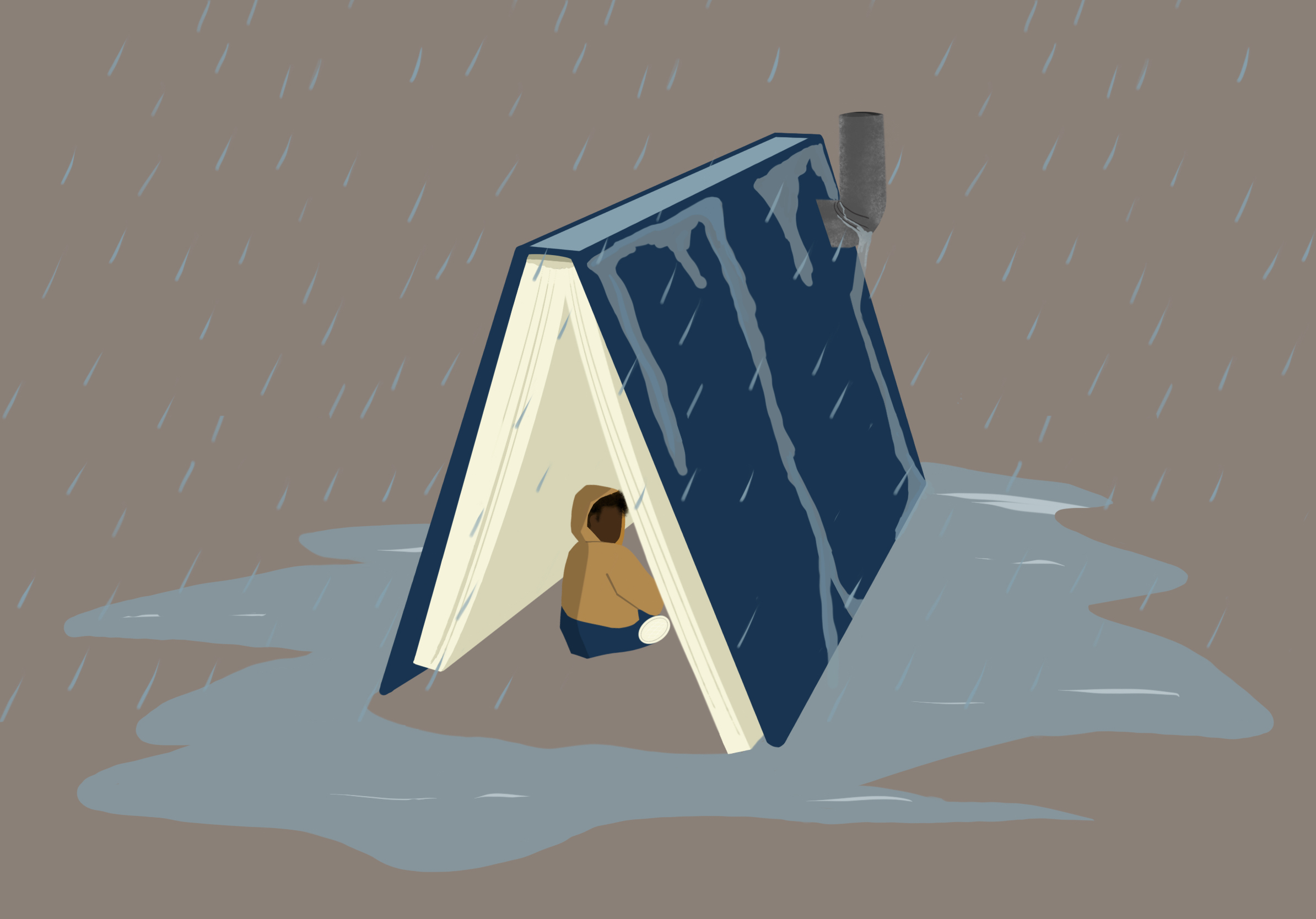
Image by: Ami Rinn
Finding accommodation is not easy. This is especially true for international students, who often search from abroad. They cannot simply knock on the door of the advertised room to check whether it is actually available for rent.
Universities of applied sciences and universities should do more to warn their international students about the many scammers operating on the housing market, says Dutch National Student Union chair Evy Kras in a telephone interview. “For many students, the warnings come too late.”
More complex
The LSVb runs a housing hotline for international students with questions about renting in the Netherlands. Over the past year, the union received 263 enquiries and reports, according to a new report. The organisation has identified a trend: the problems students encounter are becoming increasingly complex.
Evy Kras: “Many problems are interconnected. For example, students may be living in illegal sublets without a tenancy agreement and are unable to reach the landlord when they have a broken sink or are dealing with a bedbug infestation.”
Scams are also becoming more sophisticated, she says. “It is difficult to tell what is fake and what is real.” Fraud is particularly widespread on Facebook. International students spend so much time triple-checking advertised rooms that it leaves them feeling “suspicious and stressed”, according to the union.
Some fraudsters invest considerable time and effort into their stories. They even provide references: contact details for a tenant who, when asked, assures the student that everything is in order. Yes, go ahead and pay the rent in advance. And the deposit. And then the ‘insurance fees’… Only after the third payment request does the student contact the LSVb: is this actually legitimate?
Police
Victims often lose hundreds of euros, and the police do little to address the problem, the report states: “Cases are treated as a civil matter or are considered to fall outside the jurisdiction of the Dutch police because the students responded to room advertisements from abroad.”
What can the police do? “It can also be difficult to prove fraud”, says Kras. “It would be useful if the police kept statistics on housing scams. But better information and guidance are also needed.”
Educational institutions should inform international students about the housing shortage as early as possible, she believes. Many institutions are already doing so. Do not come to the Netherlands if you do not have accommodation, they tell students.
That may have some effect, Kras thinks, but some students are determined: “If they really want to study here, the housing shortage will not stop them.” And that makes them vulnerable to deception.
Read more
-
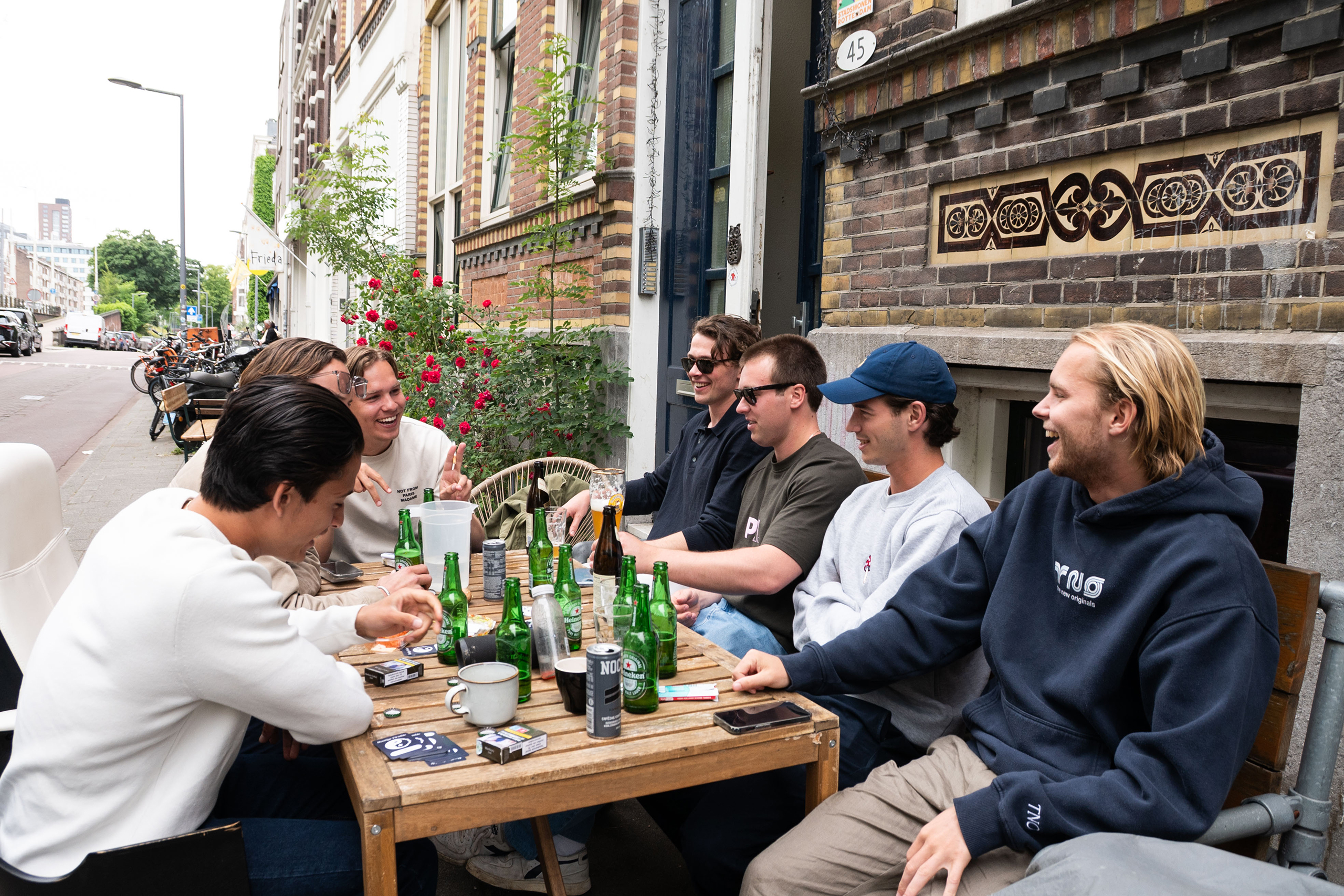
Choosing your own housemates? The landlord decides, says the minister
Gepubliceerd op:-
Housing
-
De redactie
Comments
Comments are closed.
Ad
Read more in Housing
-

Sam and his flatmate create an artwork for every house party
Gepubliceerd op:-
Housing
-
-
Still a shortage of 20 thousand student homes
Gepubliceerd op:-
Housing
-
-
Six in ten student rooms too expensive, municipalities rarely intervene (except Rotterdam)
Gepubliceerd op:-
Housing
-