Ad

How it feels when your language disappears
Professor of Philosophy Ronald van Raak read Een woord voor by Eva Meijer, a compelling story about the end of language. It made him think of the Language Guide of the Ministry of Education, Culture and Science: too much political correctness leads to impoverishment and ultimately less diversity in how you can express yourself.
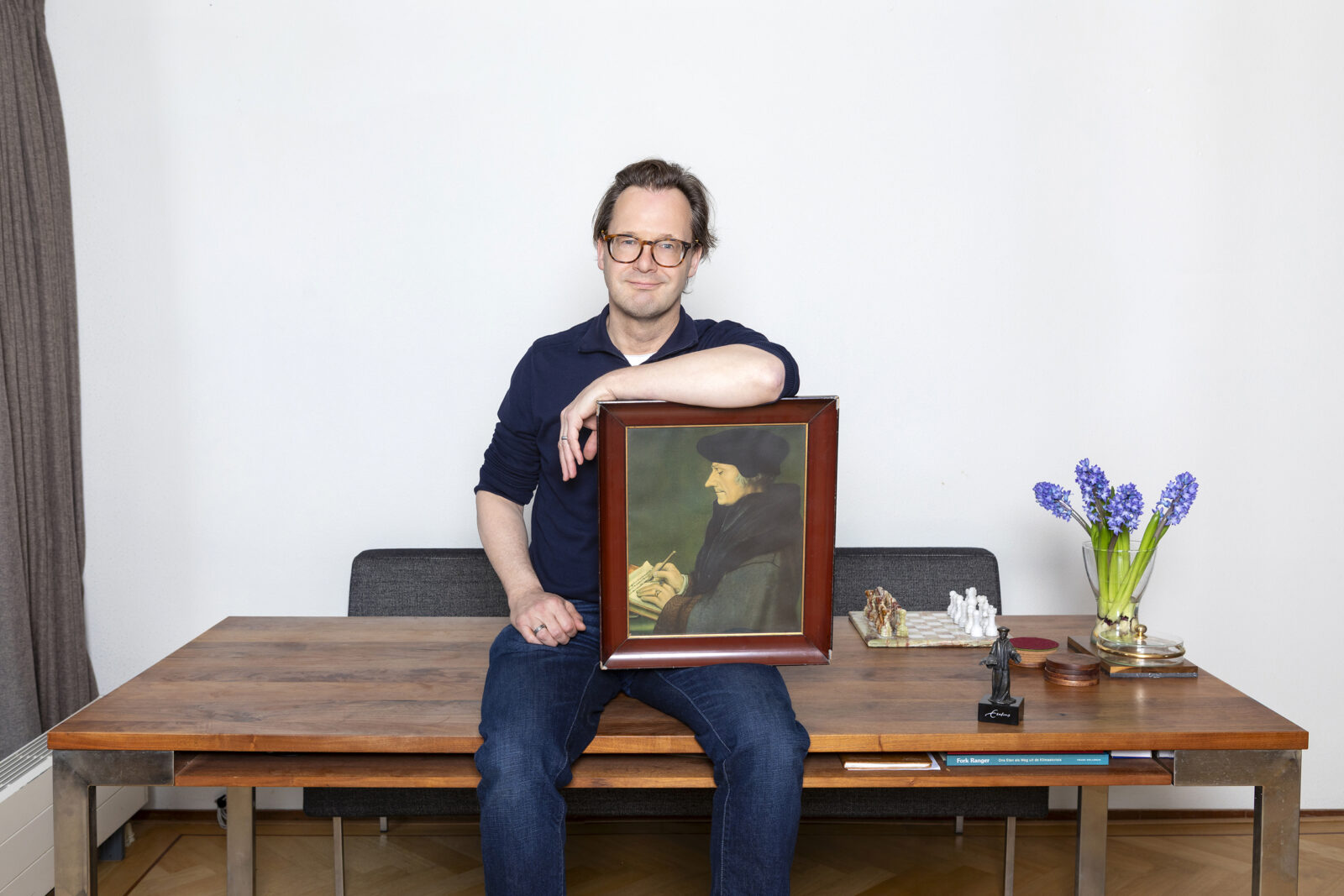
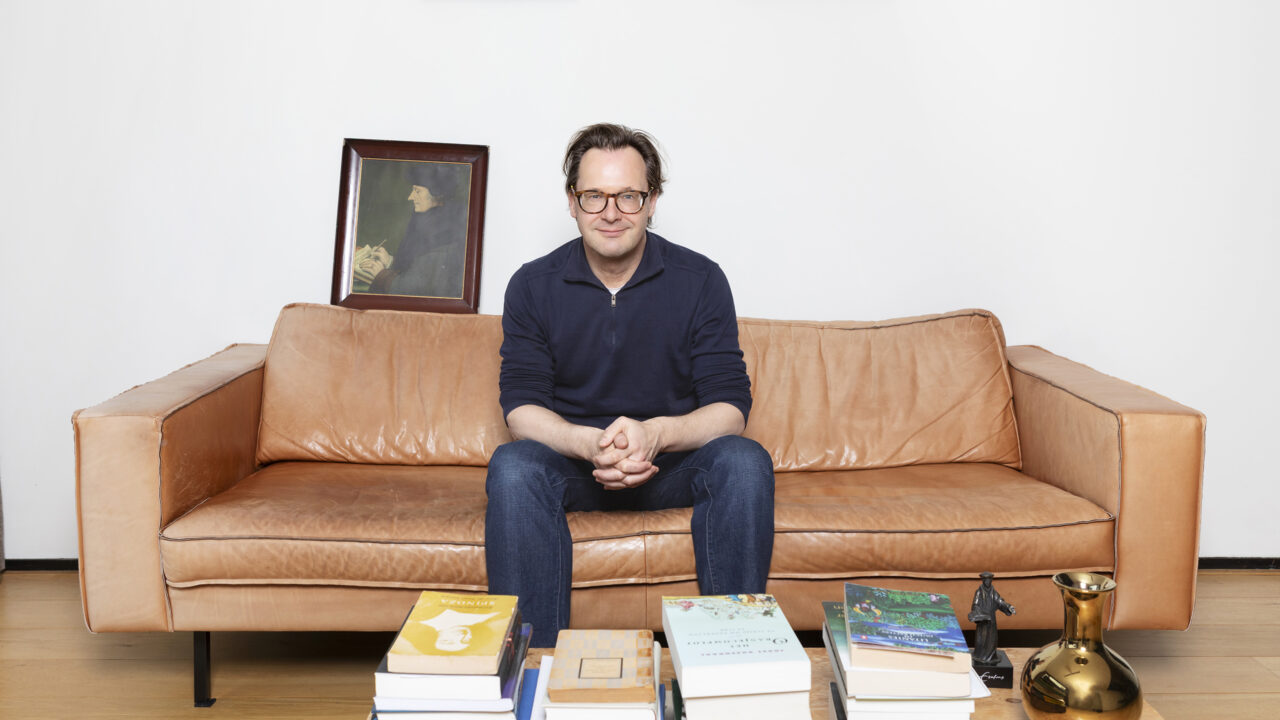
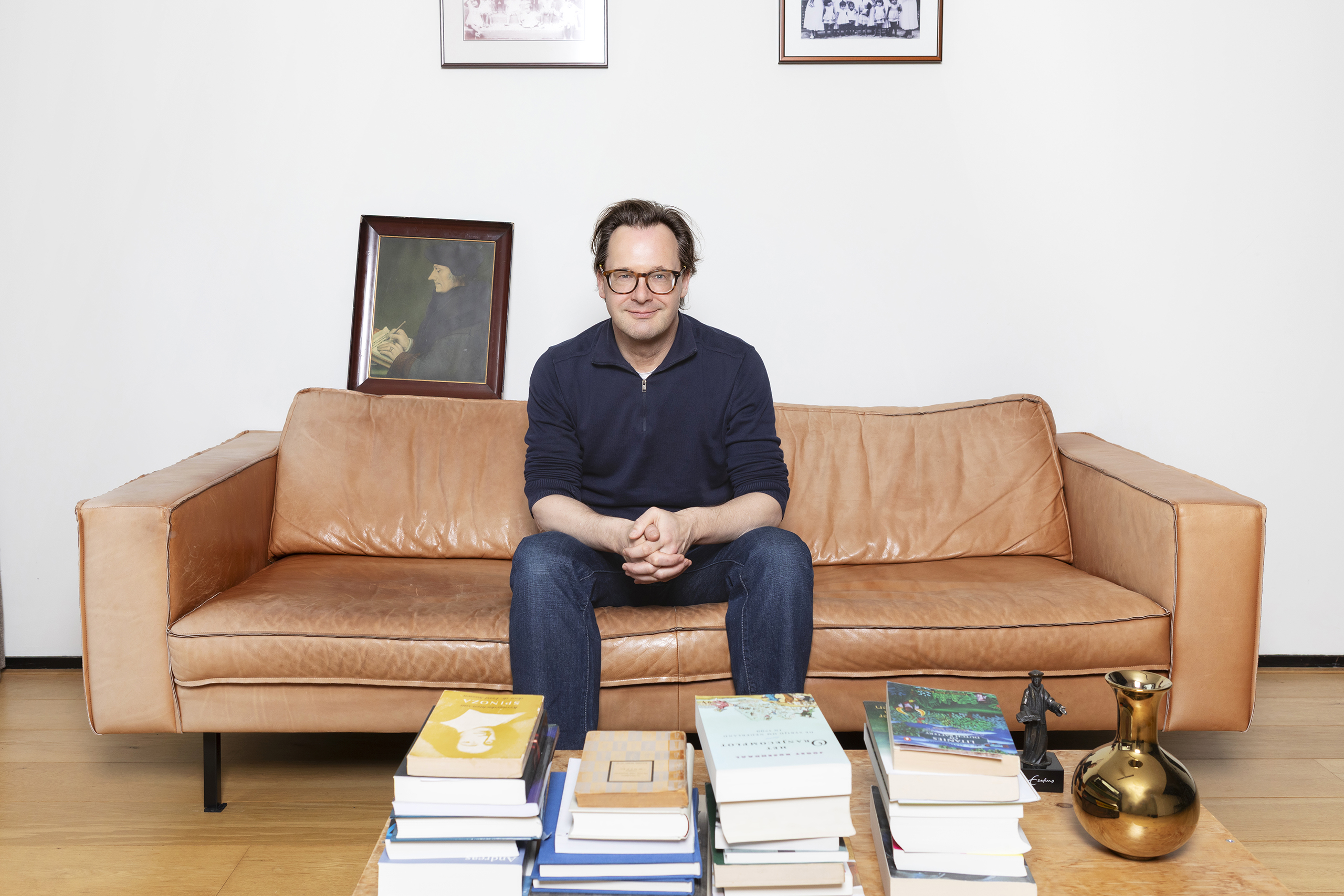
Image by: Geisje van der Linden
“Die Tweede Kamer, die pronkkamer van Nederlandse middelmatigheden, dat muzeum van misdadige nietigheid.” This description, from 1862, is by the famous writer Multatuli, about the Dutch parliament at the time. I am regularly invited to write an article for an English-language magazine or book about Dutch thinkers, such as recently about Multatuli.
“That House of Representatives, that showpiece of Dutch mediocrities, that museum of criminal insignificance.” That is how Google Translate advised me to translate this sentence. Many Dutch-speaking readers will hopefully share my discomfort with this translation. It seems as though it says the same thing, yet it is different, as if a layer of meaning has been left behind somewhere.
“When we lose words, we lose ourselves”, writes the young poet Uma in the novel Een woord voor by Eva Meijer. A compelling story that allows the reader to feel what it is like to lose your language. The Netherlands is struck by a strange phenomenon: words are being lost. They disappear. First ‘achteloos’ (carelessly), which is not immediately missed. That changes when words such as ‘mens’ (human), or ‘metafoor’ (metaphor) disappear, or the word ‘woord’ (word). Poets such as Uma are the first to panic, but it soon becomes a matter for politics. At first, people still come up with alternatives; thus the forgotten ‘word’ is replaced by ‘cluster of letters’. Until so many words disappear that politicians decide to switch to English.
What is clever about the novel is that Eva Meijer truly makes the reader feel the loss. Each time a word disappears, she can no longer use it in the story, causing the language of the novel itself to become impoverished. Thinking becomes more difficult and conversations grow more superficial; language use becomes increasingly functional. This makes the transition to English much easier, but as a reader you feel the loss experienced by the characters and notice how they lose more of themselves. The language in the novel also becomes more English, in a useful and functional form, somewhat like the language of Google Translate. The characters are missing something, a depth, but can no longer name it, because they no longer have the words.
'It is a strange idea that we could change things by banning words'
Just after I had read Een woord voor, I read the news that the House of Representatives had stopped the use of an internal Language Guide of the Ministry of Education, Culture and Science. A guide that stated which words civil servants were no longer allowed to use. The guide was intended to prevent discrimination – which is very good – but mainly did so by banning words. Thus ‘inburgeren’ (used as term for civic integration, becoming a citizen) had to be replaced by ‘integreren’ (integrate) and ‘zittenblijven’ (remain seated, used to repeat a school year) by ‘een jaar overdoen’ (redo a year). And ‘minderheden’ (minorities) had to become ‘gemarginaliseerde mensen’ (marginalised people). Every person is a minority – in one way or another. I am, for example, from Brabant, a Catholic and a socialist, which makes me a minority three times over. According to the Ministry of Education, Culture and Science, that would therefore make me a marginalised person three times over. Too much political correctness quickly leads to the impoverishment of language and therefore also to less diversity in how you can express yourself.
It is a strange idea that we could change things by banning words. In my view, we need more words, in order to better name what has remained hidden. In Een woord voor, the protagonist Mik, Uma’s partner, is referred to as ‘they’, as an addition to ‘he’ or ‘she’. More words, new words, because there is still so much in our lives that cannot yet be properly named and understood. Rather than a ministerial word police that impoverishes our language. An example of what Multatuli so vividly called the ‘pronkkamer van Nederlandse middelmatigheden‘ that I had to translate as ‘showpiece of Dutch mediocrities’. Every academic should learn good academic English, but that does not mean Dutch should be a subordinate language. If we neglect our language, we also lose ourselves. In the meantime, I will continue to search for ways to explain the language of Multatuli to an English-speaking readership.
Een lijst met artikelen
-
‘Last Salute’ for the US
Gepubliceerd op:-
Column
-
De redactie
-
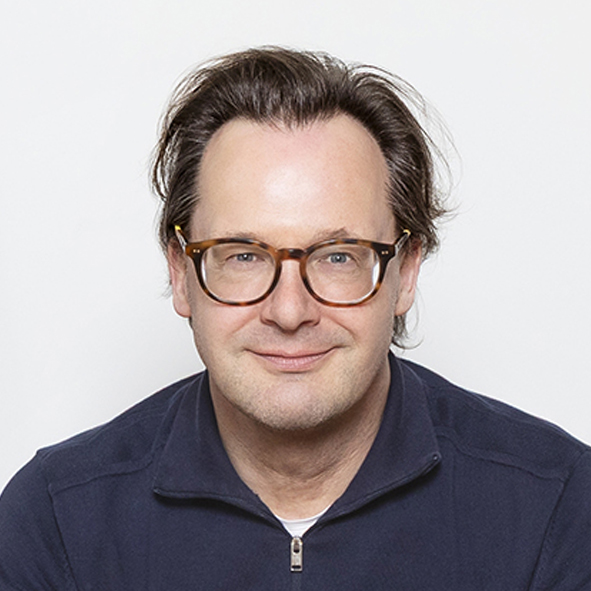 Ronald van Raak
Columnist
Comments
Comments are closed.
Ad
Read more in Column
-

Notes on your phone
Gepubliceerd op:-
Column
-
-

Looking back without anything weighing on you
Gepubliceerd op:-
Column
-
-
Academics allow themselves to be used by politicians
Gepubliceerd op:-
Column
-