Ad

House of Representatives agrees to education cuts for 2026

On Tuesday, the House of Representatives approved the budget of the Ministry of Education, including the cuts by the Schoof cabinet for 2026. The only notable change: animal testing on monkeys is suddenly allowed again.
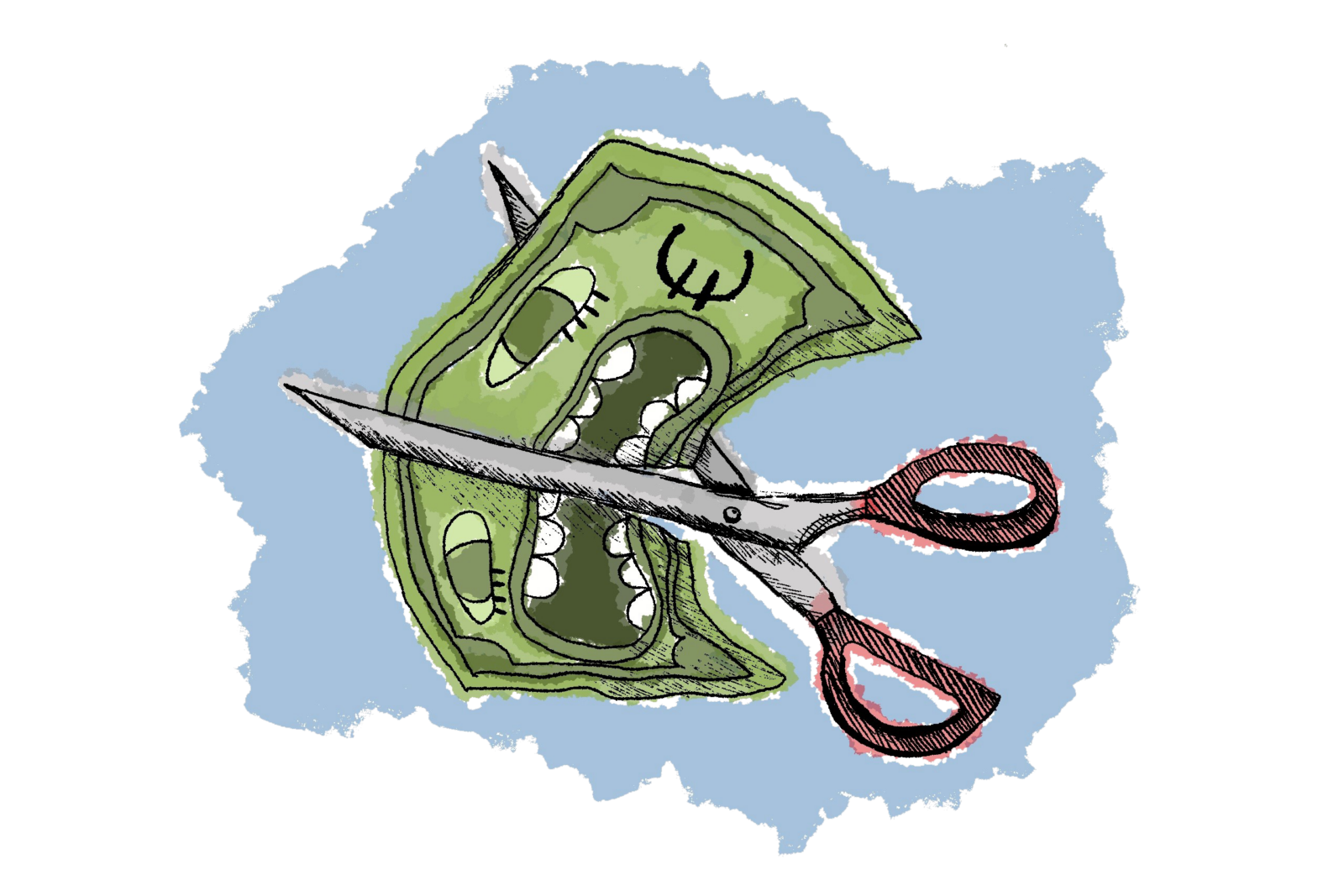
Image by: Eva Gombár-Krishnan
The new coalition will reverse the education cuts of the previous cabinet, D66, VVD and CDA have agreed together. Rob Jetten said he was proud of it, the D66 leader said at the presentation of the agreement.
But this will only happen next year. The cuts for 2026 will go ahead as planned. The largest opposition party, GroenLinks-PvdA, attempted to scrap the cuts for this calendar year as well and submitted an amendment to the OCW budget. That amendment was rejected.
GroenLinks-PvdA therefore ultimately voted against the education budget. The minority cabinet, however, received support from, among others, the smaller Christian parties, JA21, PVV and the seven breakaway PVV members (Markuszower group).
BBB also voted in favour. This is important for support in the Senate, where BBB, with twelve of the 75 seats, remains a powerful party. The education budget is therefore no longer at risk there.
Monkeys
Notable is an adopted VVD amendment that again makes animal testing on monkeys possible. At the initiative of the Party for the Animals, the budget for tests on monkeys at the Biomedical Primate Research Centre was to be phased out. The money was to go to animal-free alternatives. That proposal was adopted last year by a narrow majority of one vote.
But after the elections, the balance of power has changed. The House of Representatives is reversing this decision. Tests on monkeys therefore do not have to disappear.
Ukraine
More proposals were put forward that were rejected. What about the tuition fees of Ukrainian young people studying here, for example? If a German or a Swiss student comes to study here, they pay the standard tuition fee of about 2,600 euros. But Ukraine is not part of the European Economic Area.
Officially, Ukrainians here have to pay the higher ‘institutional fee’ of around ten to twenty thousand euros per year. Because of the war, universities and universities of applied sciences initially did not charge this fee, but most stopped this discount because the cabinet did not want to reimburse the costs.
The new coalition is considering changing this policy, but it has not yet done so. An attempt by GroenLinks-PvdA to already support Ukrainian young people in the coming academic year has been rejected.
Benefits scandal
The SP had proposed setting aside money for the student debts of children whose parents are affected by the benefits scandal. These children often helped their parents by borrowing extra from DUO. Recently, children’s ombudsmen have raised the alarm about the student debts that have arisen as a result, but the cabinet is holding back.
And a majority in the House of Representatives also has no intention of compensating these student debts. The SP proposed compensating these debts with money that is still unused in the recovery of the benefits scandal, but that proposal has been rejected.
De redactie
Comments
Comments are closed.
Ad
Read more in Politics
-

Translator: Suspended Palestinian student did not say ‘this is me’
Gepubliceerd op:-
Politics
-
-
Knowledge institutions warn against the Netherlands’ frugal approach in Europe
Gepubliceerd op:-
Internationalisation
-
Politics
-
-
Minister sees ‘major problem’ looming: will there be too few international students soon?
Gepubliceerd op:-
Internationalisation
-
Politics
-