Ad

‘Conditions for good education and research are gradually being eroded at the university’
The future of the university is not determined by lofty strategies, but by the conditions required for good education and research, writes professor of Marketing Gerrit van Bruggen. He observes that the daily reality – with administrative obstacle courses, closed buildings, broken sanitary facilities and restrictive software systems – is drifting further and further away from the university’s strategic narrative.

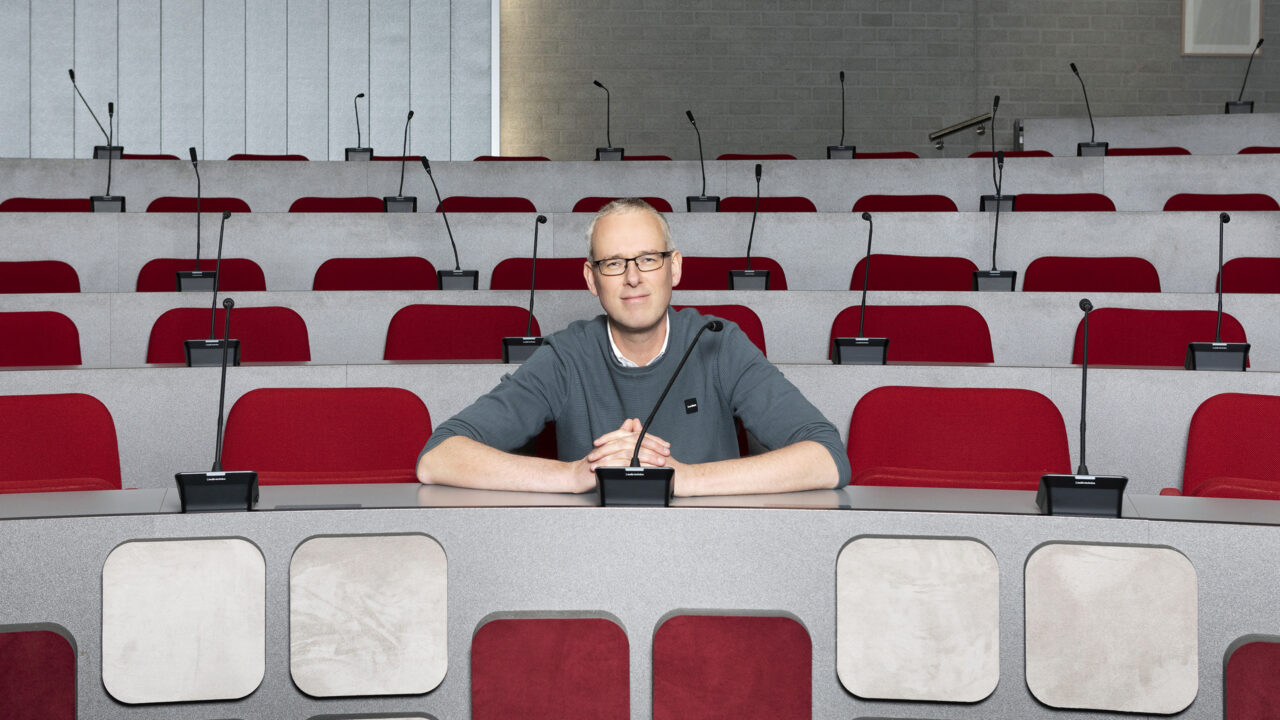
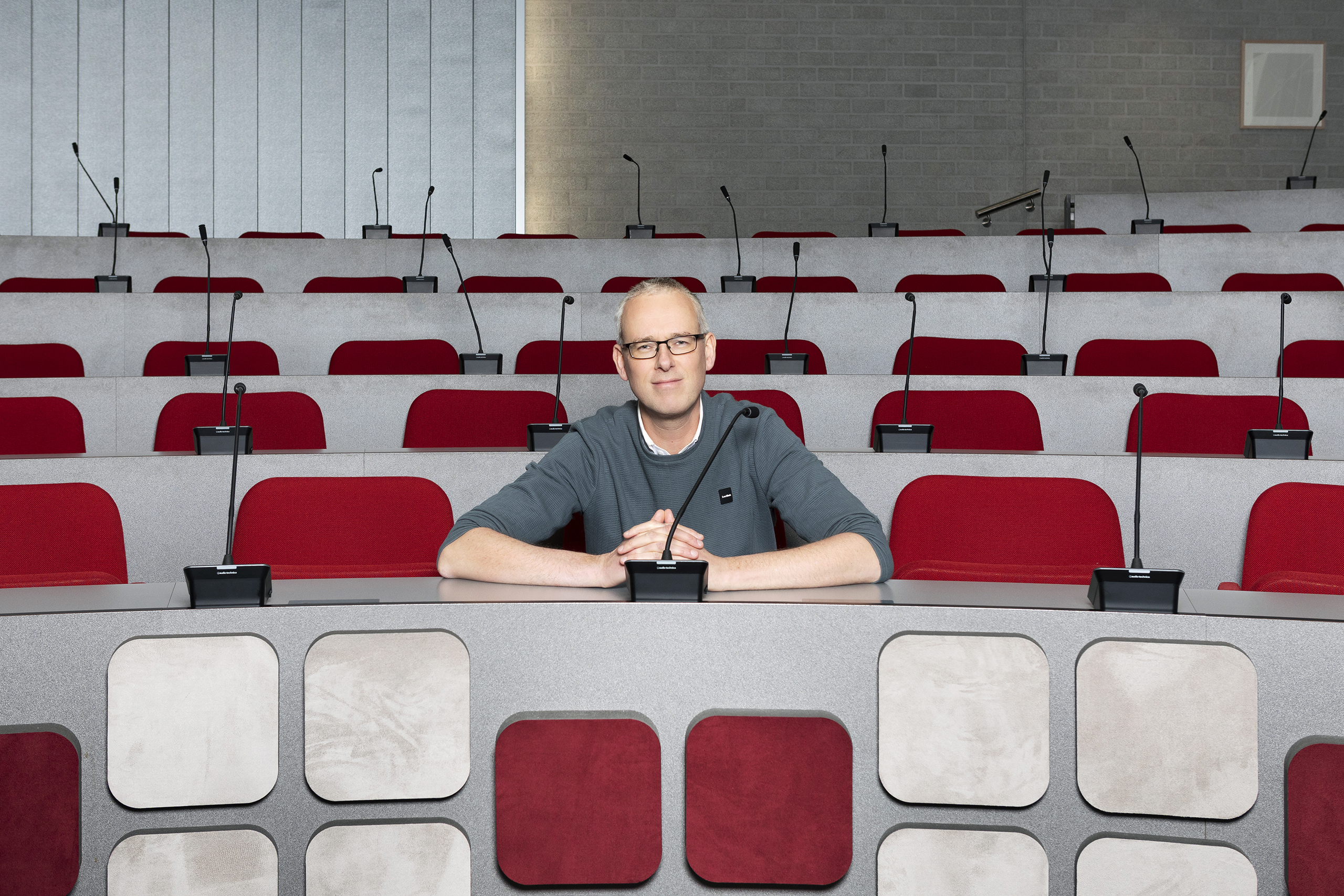
Image by: Sonja Schravesande
Erasmus University presents its Strategy 2030 as an ambitious compass for the future. It aims to be a university that is ‘leading in the world’ and ‘committed to the region’, an institution that attracts talent, creates societal impact and offers an inspiring working environment. These are words that sound appealing. But anyone working day to day at our university can hardly escape the impression that reality is increasingly diverging from this strategic narrative. Ultimately, a university is not built by strategies, slogans or LinkedIn posts, but by people who teach, conduct research, supervise PhD candidates and collaborate with colleagues around the world. That work requires concentration, good facilities and an organisation that supports rather than obstructs it.
Administrative obstacle course
In strategy documents, the university emphasises the importance of international collaboration. In practice, organising a research trip is increasingly turning into an administrative obstacle course. This became painfully clear in a recent opinion piece in Erasmus Magazine, in which professor of international relations Michal Onderco described how a simple trip via the mandatory travel agency DGI Travel turned into days of bureaucratic puzzle-solving. A story that will be entirely recognisable to almost every colleague.
Een lijst met artikelen
-

‘Nothing ever triggers accountability about Diversity Travel’
Gepubliceerd op:-
Opinion
-
The strategy highlights the importance of an inspiring working environment for talent. At the same time, fixed workspaces are disappearing and being replaced by shared flexible desks. Emeritus professor of Marketing Berend Wierenga warned in another opinion piece in Erasmus Magazine that such measures actually make academic work more difficult, as concentration, collaboration and academic community suffer as a result.
Een lijst met artikelen
-

Shared workspaces for scholars: penny wise, pound foolish
Gepubliceerd op:-
Opinion
-
Freedom to experiment
The strategy speaks of an innovative university that wants to lead in knowledge development. In daily practice, many researchers notice that software and digital tools are becoming increasingly standardised and restricted. Tools that are widely used internationally in research are sometimes no longer permitted because they do not fit within the central IT structure. The result is that researchers are regularly forced to improvise with limited trial versions or cumbersome solutions, while colleagues at other universities are free to experiment. This is not a minor detail. Knowledge development arises precisely from initiative, enterprise and experimentation. Universities should encourage staff to explore new technologies and test new methods. When control and compliance take the lead, the very space in which innovation emerges disappears.
The physical campus also tells a different story from what the strategic ambitions suggest. Lecture halls are being stripped back, workspaces are disappearing or not functioning properly, and basic facilities prove less self-evident than one would expect from a university. Buildings are sometimes too warm, then too cold, sanitary facilities are broken or dirty, and the campus is becoming less accessible. Many buildings close early in the evening, and at weekends large parts of the university are barely open. For international researchers and PhD candidates, who often collaborate with colleagues in different time zones and do not always have a good workspace at home, this is more than a minor irritation. Academic work does not adhere to office hours.
University culture
Even in areas where the university sets out major ambitions, the narrative clashes with reality. For example, the university proudly presents initiatives around sustainable food on campus. At the same time, it is difficult for students and staff to find a simple, affordable (hot) meal on campus. The strategy speaks of sustainable transitions; the daily reality consists of sandwiches and snacks.
When staff experience the organisation primarily as a system of rules, procedures and platforms, their attitude inevitably shifts.
These may not be spectacular problems. But together they form a pattern. They show that the everyday conditions for education and research are gradually being eroded. This also affects the culture of the university. When staff experience the organisation primarily as a system of rules, procedures and platforms, their attitude inevitably shifts. They do their work, publish their articles and build their international networks, but feel increasingly less connected to the university as a community. In a sense, academics begin to behave like gig workers: professionals who do their job but limit their involvement with the organisation to what is strictly necessary.
Fragile reputation
This is not a healthy development for a knowledge institution. Universities compete internationally for talented researchers and lecturers. People with ambition have options and choose a place where they can do their work as well as possible. When daily conditions make that work increasingly difficult, something predictable happens: talent leaves or simply no longer comes.
The problem is that the consequences only become visible later. Universities change slowly, and reputations are not built in a few years but over decades of hard work, commitment and academic quality. The reputation of Erasmus University is the result of generations of researchers and lecturers who have built an academic community together. But reputations are fragile. When the conditions for academic work gradually deteriorate, this is not immediately visible in rankings or annual reports. First, engagement disappears. Then people leave. Only later does the effect become visible in reputation, student numbers or research output. By then, it is often difficult to reverse the trend, while the (increasingly professional) administrators who made the decisions have usually already moved on.
Fewer strategies and dashboards
Universities are largely funded by society. Taxpayers expect us to deliver high-quality education and research. But good education and good research do not arise automatically. They require concentration, collaboration, infrastructure and an organisation that enables academic work. Therefore, perhaps a simple invitation to our professional administrators: look less at strategies and dashboards, and more at the daily practice of education and research. Spend a week shadowing a researcher, try to set up an international collaboration, organise a research trip and look for a workspace on campus in the evening.
Anyone who does so will see that the future of our university is not determined by lofty strategies, but by the conditions in which staff and students try to do their work every day. That requires efforts that may not necessarily produce social media content or glossy brochures, but are crucial nonetheless.
Gerrit van Bruggen is professor of Marketing at the Rotterdam School of Management.
Een lijst met artikelen
-
‘Academic freedom is not just a matter for the university, but for society as a whole’
Gepubliceerd op:-
Science
-
De redactie
Comments
Comments are closed.
Ad
Read more in Opinion
-
The president of the Executive Board hopes scientists will draw energy from hot air
Gepubliceerd op:-
Column
-
-

Notes on your phone
Gepubliceerd op:-
Column
-