Ad

Coalition parties already apply pressure: basic grant should be raised, more critical of international students
The new cabinet has only just taken office, yet the House of Representatives already wants to adjust its course. That also applies to the coalition parties themselves. D66 wants to raise the basic grant quickly. The VVD wants a ‘more critical approach’ to international students.
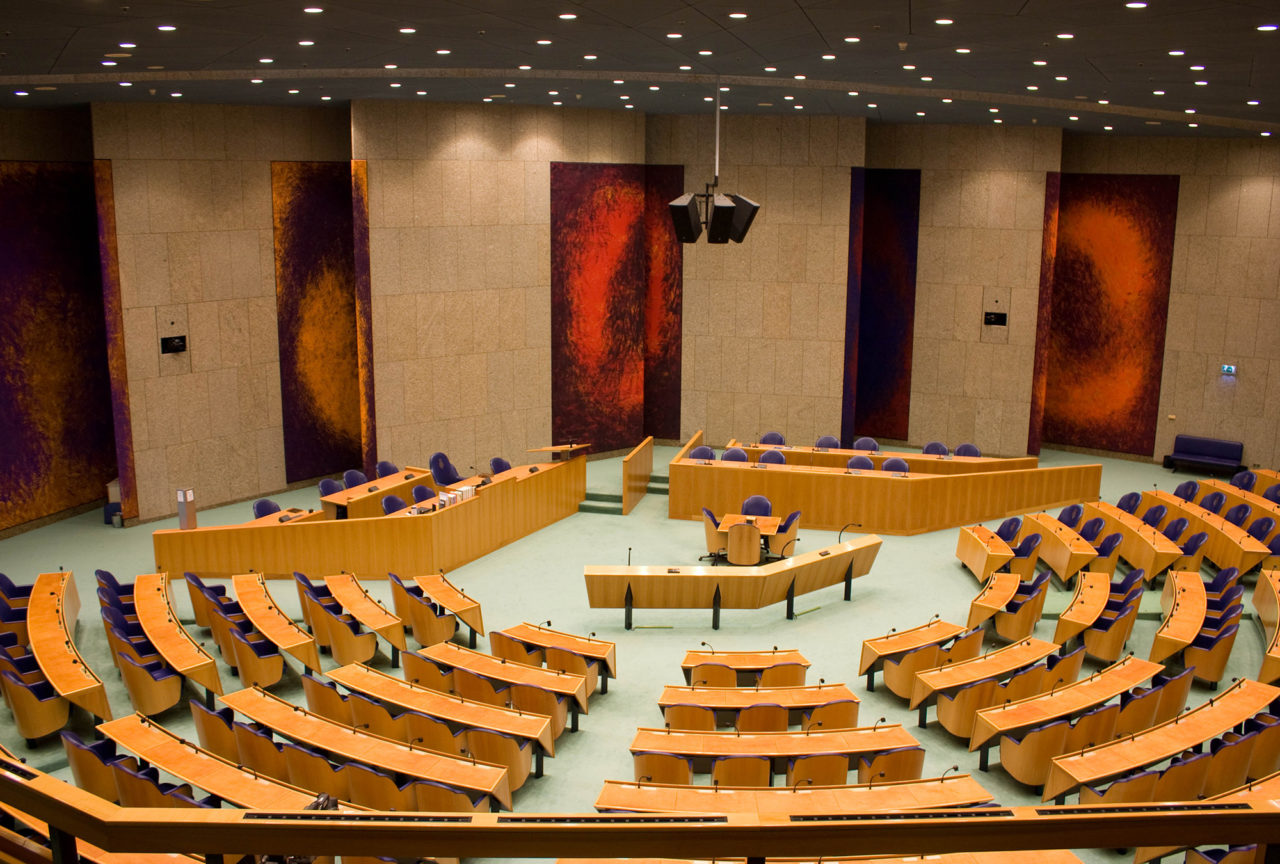
The House of Representatives already wants to adjust its course.
Image by: -JvL-
On Monday, 23 February, the Jetten-cabinet took office, consisting of D66, VVD and CDA. At the end of January, those parties concluded a coalition agreement, which includes a plan to increase the basic grant for students living away from home. Universities would also be given ‘more opportunities’ to recruit international students.
The three parties hold just 66 seats. For every measure they need the support of the opposition. This means the coalition will have to make concessions under pressure from opposition parties: the plan to raise the state pension age is already being adjusted.
‘More critical on study migration’
This became clear on Wednesday and Thursday during a debate on the government’s policy statement by the newly appointed Prime Minister Rob Jetten. In that same debate, D66 and the VVD made it clear that they are still pursuing their long-standing priorities in higher education.
VVD parliamentary party leader Ruben Brekelmans called for ‘a more critical approach to labour and study migration’, he said. “We cannot allow people to come here without limits to live, work and study.”
In the coalition agreement, D66, VVD and CDA strike a milder tone. It states that the cabinet wants to make agreements on study migration with universities of applied sciences and research universities, but the starting point is that programmes should be given “more opportunities to attract international top talent”.
Higher basic grant
D66 parliamentary party leader Jan Paternotte also expressed a wish. He fears that the basic grant will not increase until the 2027–2028 academic year. Could it happen sooner? No date is mentioned in the coalition agreement.
Prime Minister Jetten promised to look into it. He expressed the hope that a higher grant and a maximum interest rate on student loans – also agreed in the coalition agreement – would ensure that fewer students need to borrow.
Increasing the basic grant could prove costly: it could quickly amount to several hundred million euros. The new Minister of Education, Rianne Letschert, must present a proposal.
The proposed maximum interest rate on student loans is 2.5 percent. DUO’s interest rate is linked to the rate on government bonds and if that suddenly rises, such a cap would protect former students against higher costs. Incidentally, DUO’s interest rate recently fell slightly, to 2.3 percent.
Under pressure
Even the coalition parties are therefore immediately putting their minority cabinet under pressure. This is not unusual in itself: despite coalition agreements, political parties want to remain recognisable to voters. The VVD is even continuing to campaign, for example with large billboards along motorways.
On Thursday morning, the House of Representatives asked Jetten whether the coalition is strong enough, now that the governing parties appear to be pursuing their own agendas. Jetten sees no problem: “Coalition parties are allowed to disagree among themselves”, he said. “That leads to a more open debate.”
Read more
-
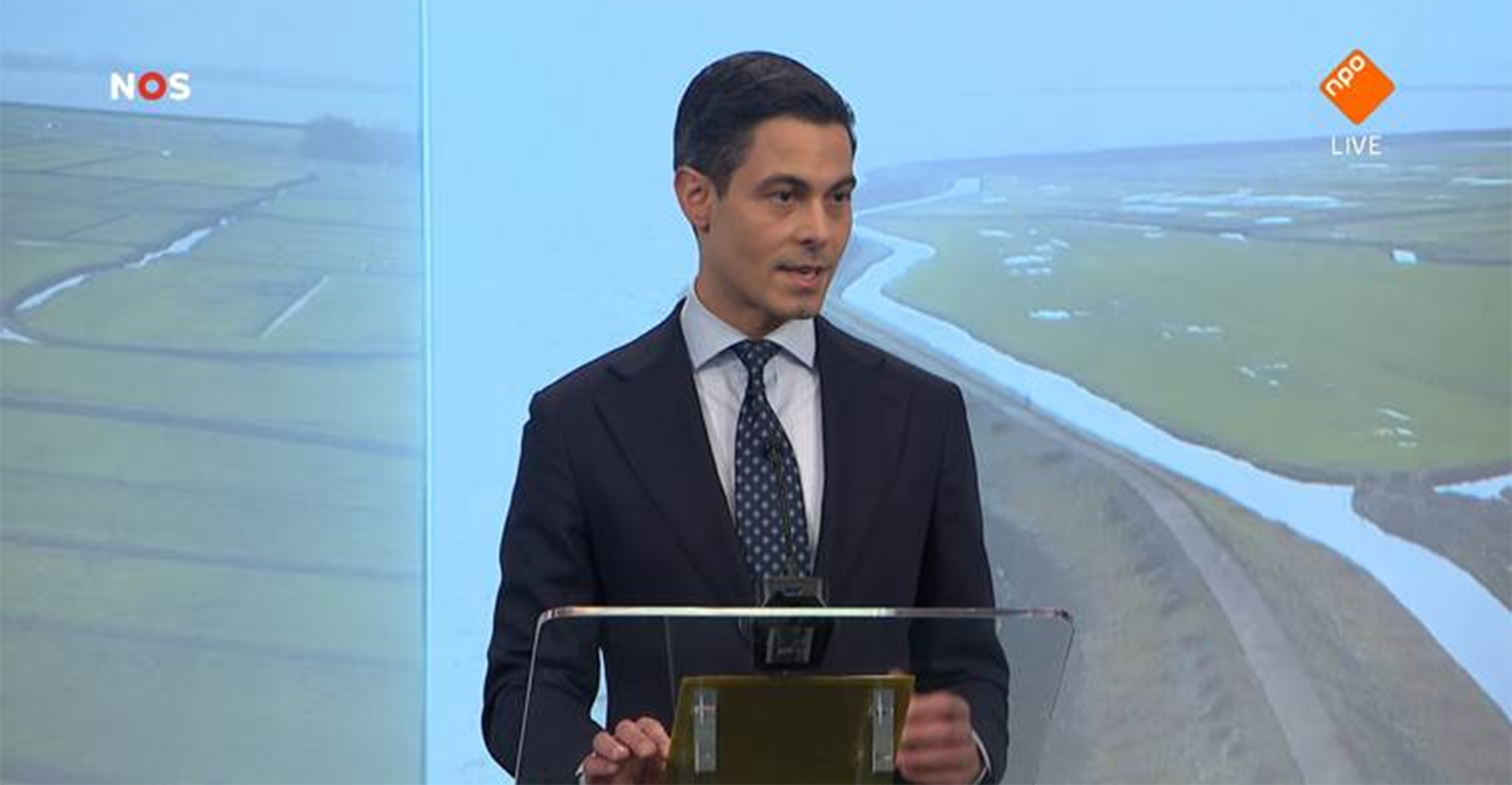
Coalition agreement: Education cuts scrapped, hardly any extra money beyond that
Gepubliceerd op:-
Politics
-
De redactie
Comments
Comments are closed.
Ad
Read more in Politics
-

Translator: Suspended Palestinian student did not say ‘this is me’
Gepubliceerd op:-
Politics
-
-
Knowledge institutions warn against the Netherlands’ frugal approach in Europe
Gepubliceerd op:-
Internationalisation
-
Politics
-
-
Minister sees ‘major problem’ looming: will there be too few international students soon?
Gepubliceerd op:-
Internationalisation
-
Politics
-