Ad

Highly educated workers in particular expect AI to partly take over their work
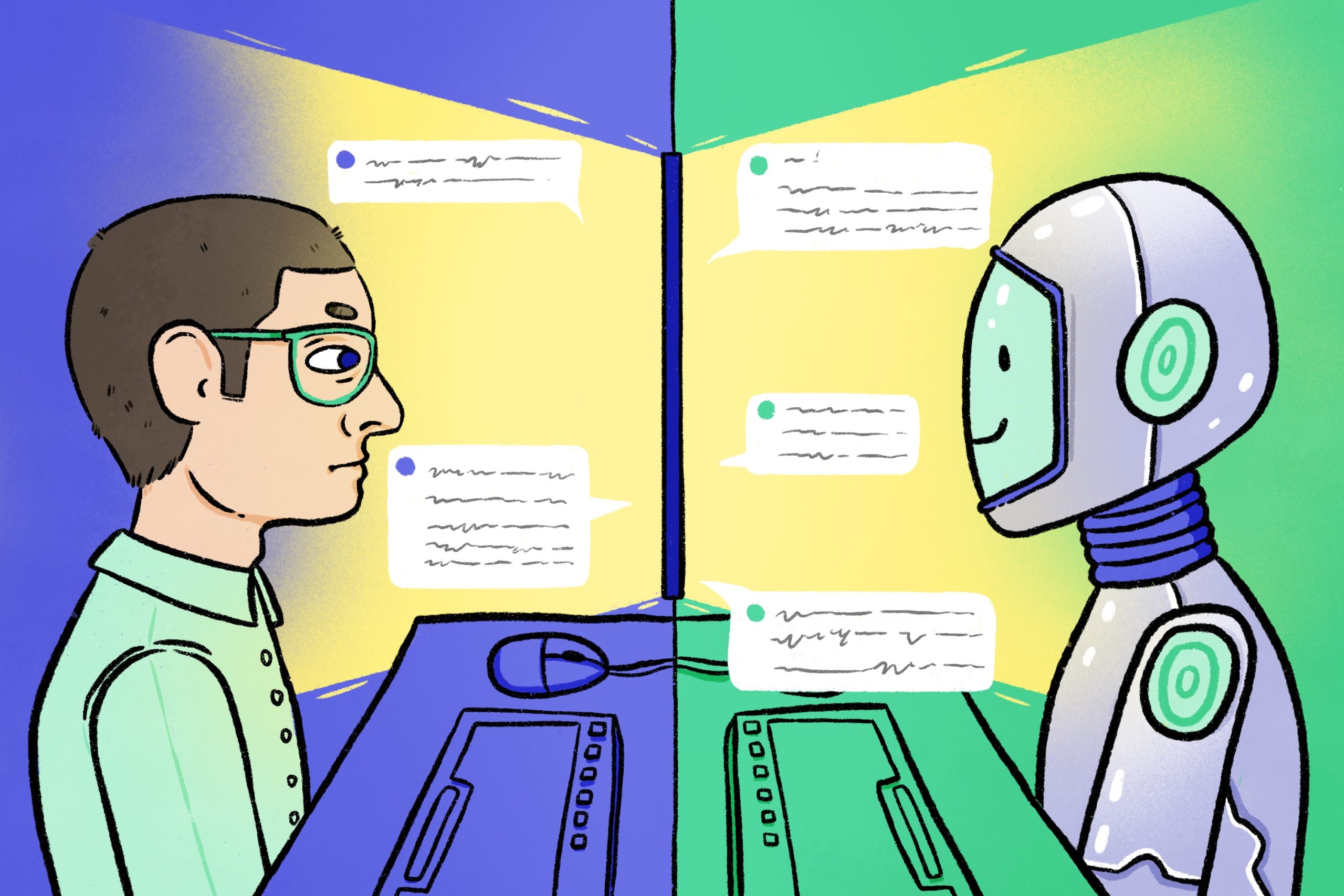
Employees expect artificial intelligence to take over part of their work. Highly educated workers in particular already use AI extensively and see this only increasing in the coming years, Statistics Netherlands reports.
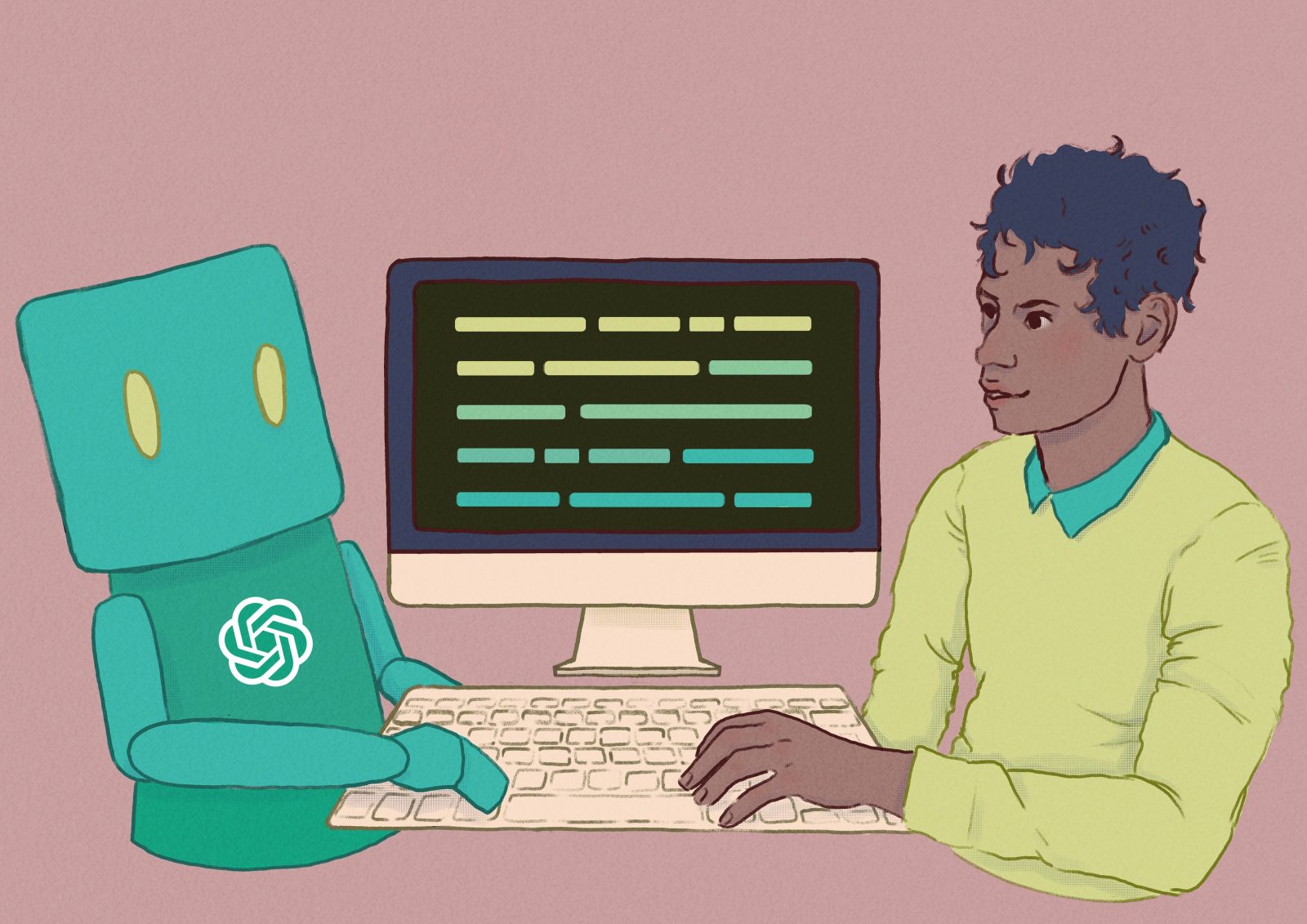
Image by: Migle Alonderyte
The rise of AI is creating considerable uncertainty about the labour market. What will the future of work look like? And what should you study to prepare for it? No one can predict this precisely, but employees themselves can be asked how they deal with AI and what their expectations are. This is what Statistics Netherlands has done.
Job disappears
Around 45 per cent of all employees with a higher professional education (hbo) or university (wo) degree expect artificial intelligence to be able to take over part of their own work. 4 per cent even expect their entire job could be carried out by AI. Statistics Netherlands draws this conclusion from a representative sample of the working population.
Of highly educated workers, 55 per cent already use AI at work and 80 percent believe its use will only continue to increase over the next ten years.
Employees with intermediate or lower levels of education use AI far less. Nor do they see nearly as much potential for AI in their work. Of workers who have only completed primary education or pre-vocational secondary education (vmbo), just thirty percent think AI will partly take over their work.
Most concerns among young people
In general, young people are the most concerned about the impact of AI on their work. Just over half of them think their job could be fully or partly taken over by AI. 10 percent of employees under the age of 25 are very worried about this, Statistics Netherlands notes. Among other age groups, this is 6 to 7 percent.
Student organisation ISO is calling on the education sector to put more effort into training in artificial intelligence. “If we want to prepare today’s students for the future, AI and digitalisation must receive more attention in our education”, says chair Sarah Evink.
Read more
-
Mixed feelings among workshop participants about ChatGPT use
Gepubliceerd op:-
Artificial Intelligence
-
De redactie
Comments
Comments are closed.
Ad
Read more in Artificial Intelligence
-
Executive Board regularly uses AI for speeches and LinkedIn posts
Gepubliceerd op:-
Artificial Intelligence
-
Governance
-
-
RTL: More than half of master’s theses contain AI-generated text
Gepubliceerd op:-
Artificial Intelligence
-
Education
-
-
Dutch people increasingly believe AI cannot help advance science
Gepubliceerd op:-
Artificial Intelligence
-
Science
-