Ad

If the rector can spout AI nonsense, then so can everyone else
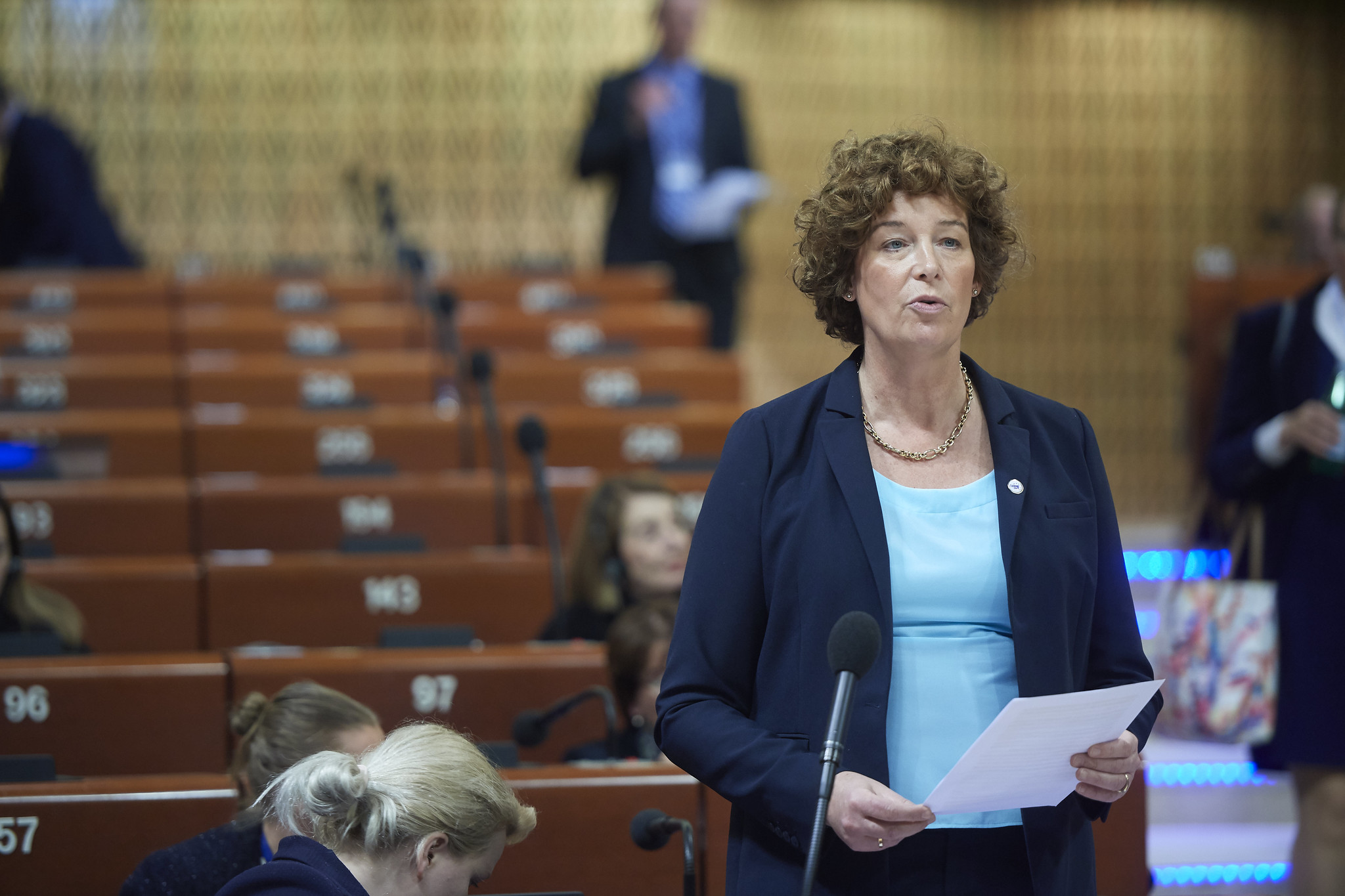
In her inaugural speech, the Ghent rector Petra De Sutter quoted lines generated by AI, and the Board of Directors is letting her stay on. According to Chris Aalberts, this Belgian blunder could be seen as encouragement for students to use artificial intelligence.
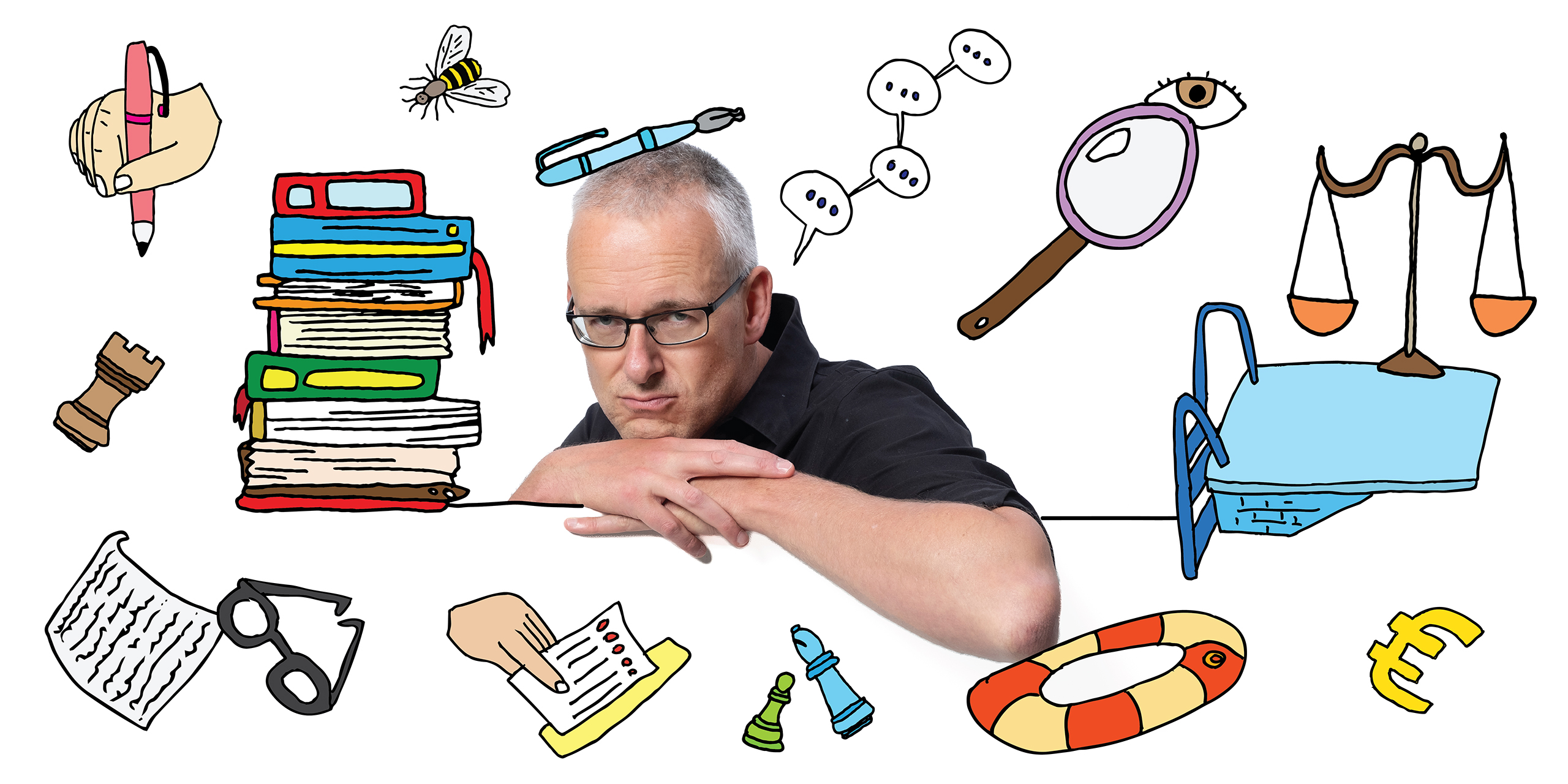
A fine exercise. Start your class with a story full of fabricated facts and quotes and see if anyone notices. I tried it once, years ago, and all the students eagerly started taking notes. After all, scientific knowledge must be committed to paper. The problem with this exercise: at some point, you have to admit that what you’ve said is nonsense. Angry looks – all that writing for nothing. Next time, better listen more critically.
These days, lecturers no longer have to do this themselves, because ChatGPT churns out texts all day long that no one can immediately verify. Apparently, plenty of assignments are being submitted that have been generated this way. We’re just waiting for the arrival of an AI scanner, like the plagiarism scanners we’ve had for the past twenty years. Very curious to see who will get caught and have to hand back their diploma. That risk is even greater if you’re a high-ranking official or a well-known public figure twenty years down the line, isn’t it?
Ah well, many people think, that’s highly unlikely.
And they might well be right. Let’s take a look at our southern neighbours. In September, the new rector of Ghent University, Petra De Sutter, gave her inaugural address. In it, she treated the audience to a quote from Einstein. At the Sorbonne in 1929, he allegedly said the words, “dogma is the enemy of progress”. Small problem: he never said that – it’s an AI fabrication. Long live artificial intelligence: it spits out all sorts of things and you can always find a use for them.
De Sutter is apparently quite skilled in using ChatGPT, because she had another quote to offer. This one was supposedly from the rectorial address of the Jewish-German philosopher Hans Jonas at the University of Munich in 1979. One issue: Jonas was never a rector there. De Sutter also presented some quotes from a psychologist that were largely incorrect. All of this was uncovered by investigative journalists at Apache.
'Long live artificial intelligence: it spits out all sorts of things and you can always find a use for them'
So what now? De Sutter – who previously served as Deputy Prime Minister in Belgium, among other roles – should, of course, have said something like: I made a mistake. Or: I should have known better. After that, she ought to have stepped down. Instead, she said something else: that she had “fallen into this trap”. Not exactly the kind of words that take ownership. There was even an attempt to cover up the errors: the speech was quietly edited, without any public notice.
Now there’s a lot of commotion. Yet De Sutter is allowed to stay, the Board of Directors of Ghent University announced. The members have ‘full confidence‘ in her and AI will be placed high on the institution’s agenda. It’s just like the Netherlands: administrators deciding amongst themselves which administrators are still credible and which are not. Everyone now knows which category De Sutter belongs in – everyone except the Board of Governors.
The moral of the story? You could see it as an invitation for students to use artificial intelligence. If they get caught, they can now say that the top officials at prestigious universities are doing the same. Where do exam boards get the right to criticise that? Maybe the Dutch universities could send a note to Ghent, saying that everyone in the Dutch-speaking world is now suffering from this Belgian blunder.
Een lijst met artikelen
-
Eva Illouz deserves an open mind, just like all Israeli academics
Gepubliceerd op:-
Column
-
-
Rector Ghent University withdraws from UvA honorary doctorate after AI speech
Gepubliceerd op:-
Science
-
De redactie
-
 Chris Aalberts
Columnist
Comments
Comments are closed.
Ad
Read more in Column
-
The sad anniversary of powerless staff and students
Gepubliceerd op:-
Column
-
-

Tea, theory and a healthy dose of procrastination
Gepubliceerd op:-
Column
-
-
The drama of Jason Arday
Gepubliceerd op:-
Column
-