Ad

Prognosis: technicians will find work quickly, economists will have a harder time

Graduates in education, engineering and healthcare will have little difficulty finding a job in the coming years, predicts research centre ROA. But for those in economics and society, it will become more difficult.
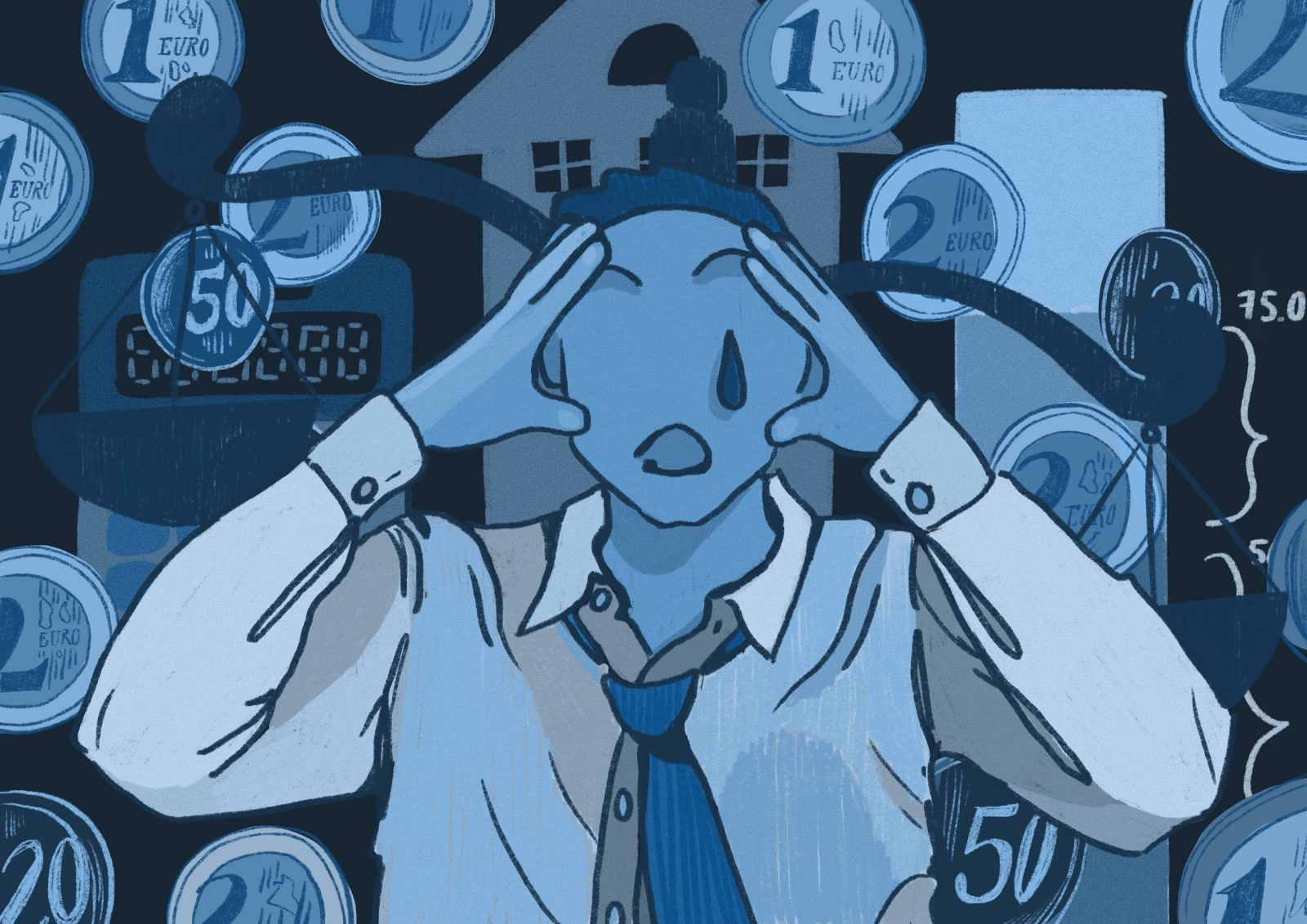
Image by: Josine Henneken
Between 2025 and 2030, around 1.6 million qualified students will leave education. How easily will they find a job? The Maastricht-based Research Centre for Education and the Labour Market (ROA) maps it out.
The Dutch economy will grow less strongly than in previous years, the ROA expects, which means the number of jobs will also increase at a slightly slower pace. Unemployment will rise slightly, particularly among young people. Even so, the situation is relatively favourable: after Switzerland and Germany, the Netherlands has the lowest unemployment among 18- to 25-year-olds in Europe.
Because people are also retiring, many new jobs are still expected. In addition, new positions are being created. As a result, graduates have a reasonable chance of finding a job. But one degree is not the same as another.
Large shortages
Graduates of technical programmes or teacher training courses will probably find work quickly, as will those in the healthcare sector. There will be large shortages there for the foreseeable future.
“This means that we need to look for ways to structurally interest more Dutch young people in engineering, education and healthcare programmes”, says Jessie Bakens, research leader at the ROA. Earlier this month, it became clear that technical and IT programmes are not very popular among university of applied sciences students.
Graduates with a diploma in an economic or social study will find it less easy to get a job. They will more often work outside their specialisation or earn a lower salary.
The report distinguishes between vocational students, bachelor’s graduates (both higher professional and academic) and master’s graduates (also both higher professional and academic). Those with a bachelor’s diploma have less chance of a job than vocational level 4 graduates or people with a master’s diploma, the ROA expects.
Artificial intelligence
The report also points to the rise of artificial intelligence, where ‘new possibilities are emerging to automate certain work tasks’. According to the ROA, the impact of AI on the current labour market is limited for now, but ‘the potential is large’. What the precise effect on the job market will be is, according to the research centre, difficult to determine.
Read more
-

International students are increasingly staying in the Netherlands to work
Gepubliceerd op:-
Internationalisation
-
De redactie
Latest news
-

Data of 22 EUR travellers leaked through bookings made via DGI Travel
Gepubliceerd op:-
Staff
-
-

Looking back without anything weighing on you
Gepubliceerd op:-
Column
-


Comments
Comments are closed.
Ad
Read more in Career
-

Small rise in unemployment among highly educated people
Gepubliceerd op:-
Career
-
-

Job market has little influence on degree choice, Bureau for Economic Policy Analysis finds
Gepubliceerd op:-
Career
-
-

Alumna Daniëlle van de Geer wants to be a chef: ‘Doing what you enjoy is really the way to go’
Gepubliceerd op:-
Career
-