Ad

Eppo Bruins’ tenure as education minister: ‘I hope people will look back with some grace’
Eppo Bruins knew from the start he would never be popular, and would later describe his own cuts to education and research as painful and ugly. A look back at his tenure in Dick Schoof’s government.
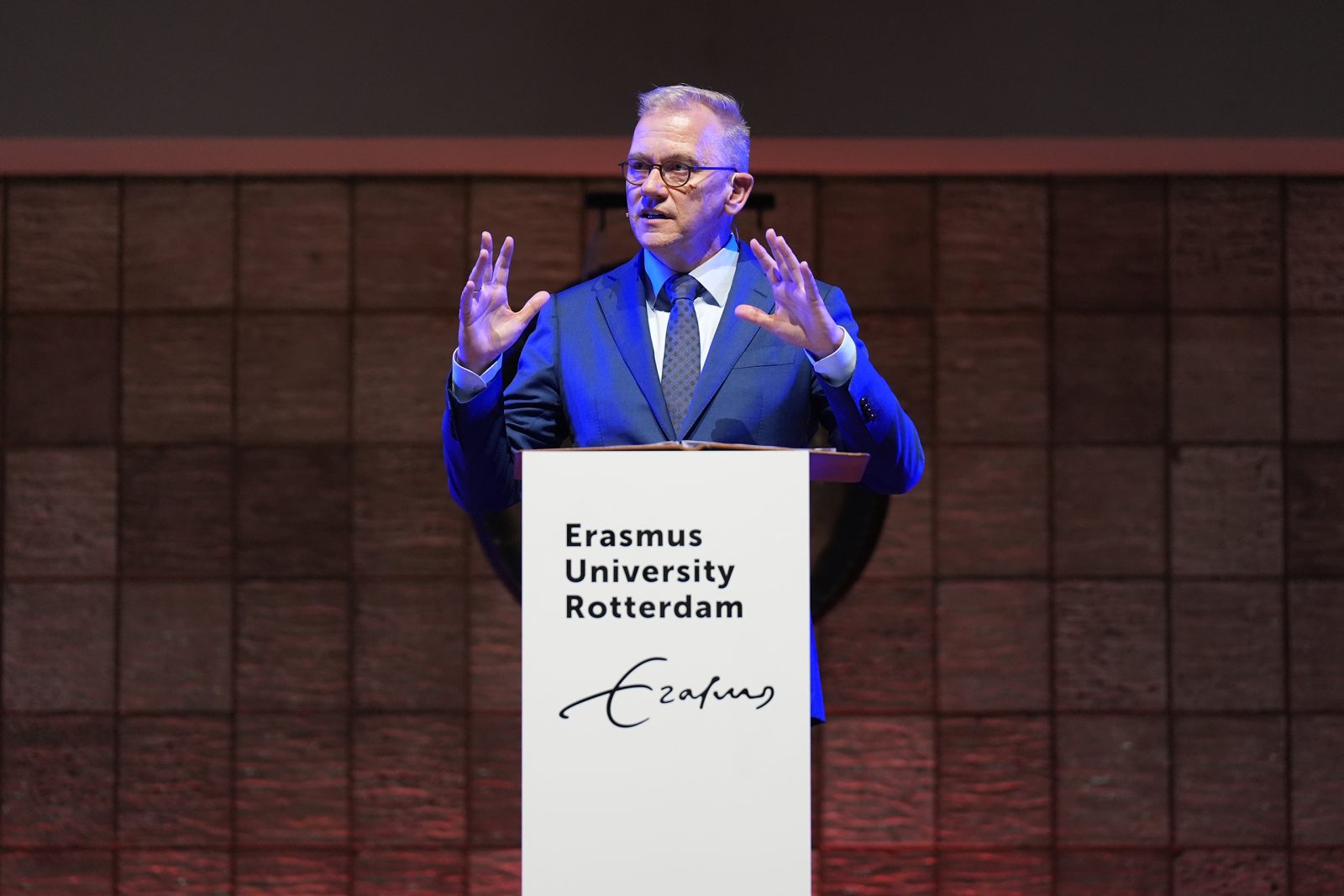
Minister Eppo Bruins at the Opening Academic Year 2024.
Image by: Arie Kers
The announcement that Eppo Bruins was to be appointed education minister on behalf of NSC raised more than a few eyebrows. Why was a former ChristenUnie MP joining this destructive cabinet full of populists and extremists?
The new coalition government – made up of the PVV, VVD, NSC and BBB – was dead set on slashing education and research budgets. The PVV in particular could barely contain its glee, hailing the cuts as a victory over ‘activism’ at universities. As chair of the AWTI advisory board, hadn’t Bruins advocated for additional spending on education and research? In his TV show, Arjen Lubach highlighted the painful contrast between Bruins’s position as minister and statements he had made in his previous role shortly before.
But he knew what he was getting into when he joined the Schoof government: by May 2024, the four parties had already set out their proposed cuts in an outline coalition agreement – before Bruins was appointed.
Who is Eppo Bruins?
Eppo Bruins was born in 1969. After obtaining a PhD in nuclear physics, he pursued a career in science. He was a member of the CDA until 2011 but left the party when it joined the first Rutte government, which relied on the support of the PVV. He then joined the ChristenUnie, serving as an MP from December 2015 to March 2021.
Prior to his tenure as education minister on behalf of NSC, which required him to resign his membership of the ChristenUnie, he served as chair of the Advisory Council for Science, Technology and Innovation (AWTI).
Bruins did not have a religious upbringing, but converted to evangelical Christianity when he was 18. Speaking to the Nederlands Dagblad about his role as education minister, he said: “God’s guidance is everywhere… I wouldn’t go so far as to say that God wants me here. (…) At the same time, though, I wouldn’t have done it if I’d had any doubts.”
Wallet
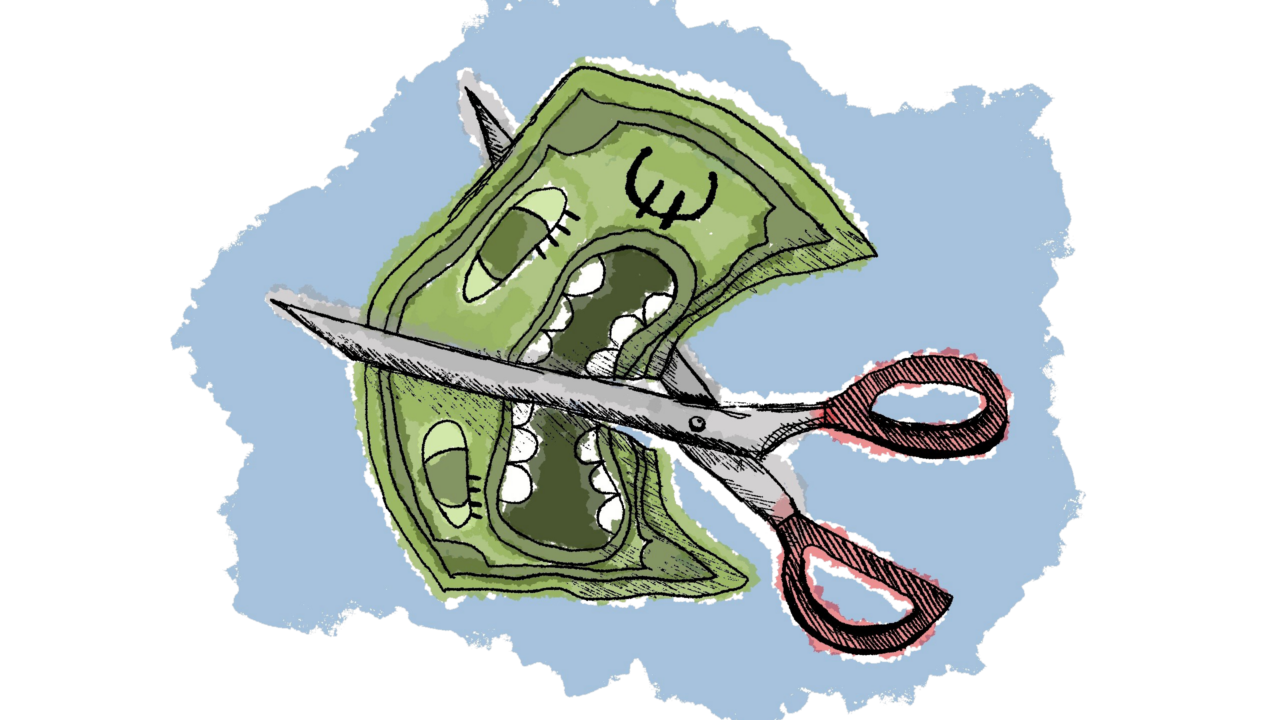
Aware of the strange optics, Bruins seized every opportunity to distance himself from the government’s policy. He called the cuts painful and ugly, but made it clear that his hands were tied. The government wanted to increase defence spending and put more money in the pockets of Dutch taxpayers, he kept repeating.
Why did he decide to accept this role? Was it vanity? After all, the Minister of Education, Culture and Science is at the centre of power – and attention. Or was his main motivation a desire to minimise the damage this government would cause? Someone would have to do the job, so why not him? At least he would know what he was doing.
The latter seems to be his own explanation. “I hope people will look back with some grace and say: he did do his best”, he said less than a year ago at the opening of the previous academic year. He was determined to make sure that ‘none of the valuable stuff’ would be destroyed.
Read more
-
Government cancels starter and incentive grants
Gepubliceerd op:-
Money
-
Harsh
Instead of scrapping universities’ ‘sector plans’, in which they set out national agreements and align their decision-making, Bruins decided to do away with start-up grants for new university lecturers. He also wanted to prevent the slow-progress penalty from resulting in ‘disproportionate and harsh’ consequences. Still, budget cuts were inevitable.
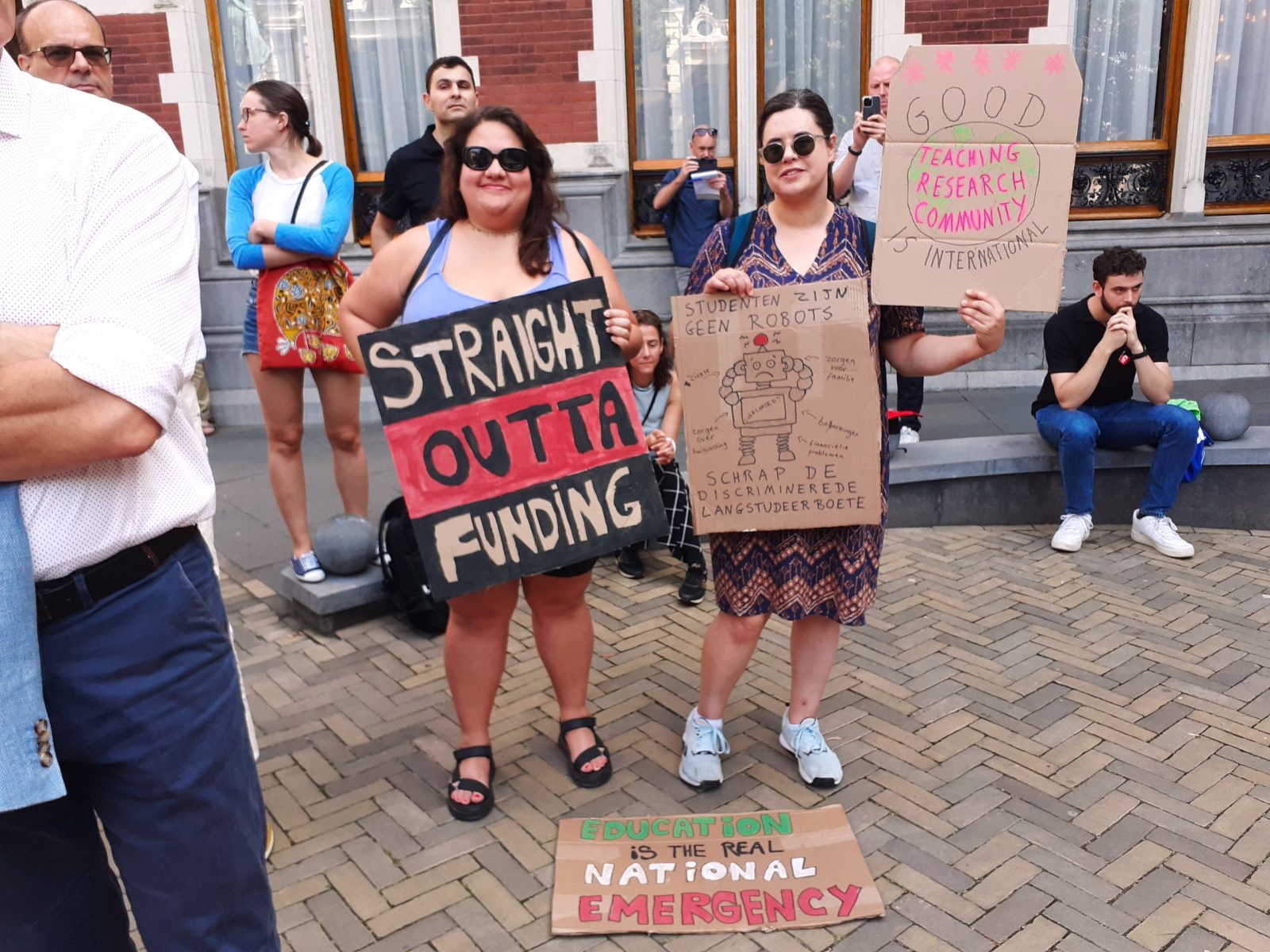
Large-scale protests ensued, with much of the outrage focused on the slow-progress penalty. Meanwhile, opposition parties threatened to block the cuts in the Senate, where the government did not have a majority. Without consulting Bruins, the coalition parties sat down with a group of opposition parties. A compromise was reached: the slow-progress penalty would be withdrawn, but the higher education budget would still be cut by half a billion euros.
Bruins was happy with this outcome. Last June, after the government had collapsed, he thanked his political opponents in a headline-grabbing interview with Higher Education Press Agency, published in Erasmus Magazine and other university magazines. “Thanks to the opposition and other friends of education, the sector is in better shape than it was 11 months ago.” The VVD was not amused.
Read more
-
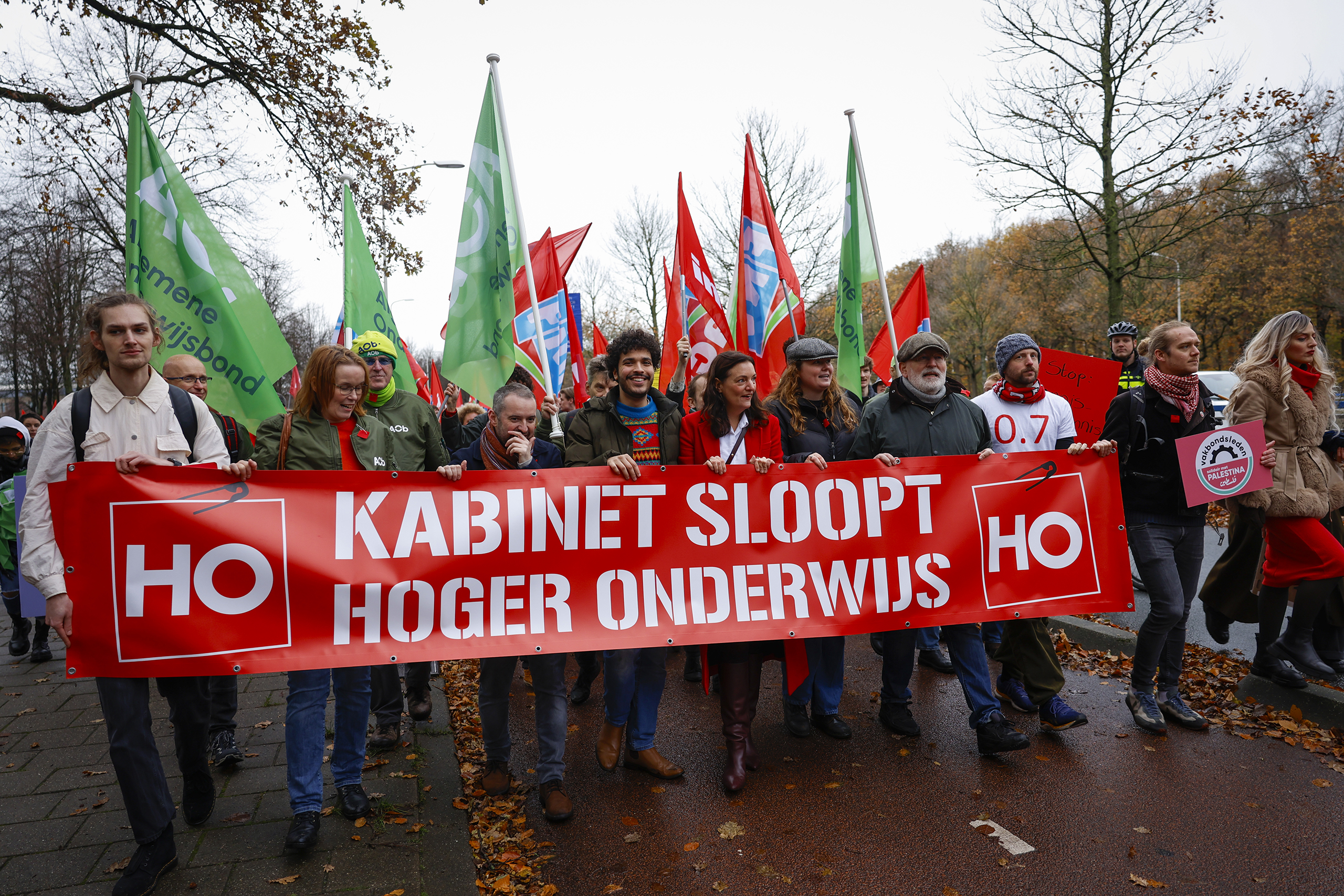
Slow-progress penalty cancelled, but most budget cuts remain
Gepubliceerd op:-
Politics
-
America
As outgoing minister of an imploded populist right-wing government, he suddenly warned against Trumpian politics. The powers of the education minister should be curtailed, he felt. “We’re concerned when we look at the US, but I think we weren’t far from having the same state of affairs here in the Netherlands. Here we also have people who say public broadcasters are biased and can be cut altogether. As well as people who say science is just an opinion.”
Was he trying to wash his hands in innocence? There’s no denying that Bruins was steadfast in defending the autonomy of educational institutions, much like his immediate predecessor, D66 education minister Robbert Dijkgraaf. This was especially evident in his responses to suggestive questions about protests, riots and safety on university campuses. The responsibility lies with the institutions, Bruins would say. They make their own choices. He felt that it would be inappropriate for him to get involved in these discussions, striking a decidedly anti-authoritarian tone – unlike PVV minister Marjolein Faber, of ‘I am policy’ fame. He was also clear about how the cuts would affect small programmes: the institutions would make their own choices, and he would not be interfering in their deliberations.
Read more
-
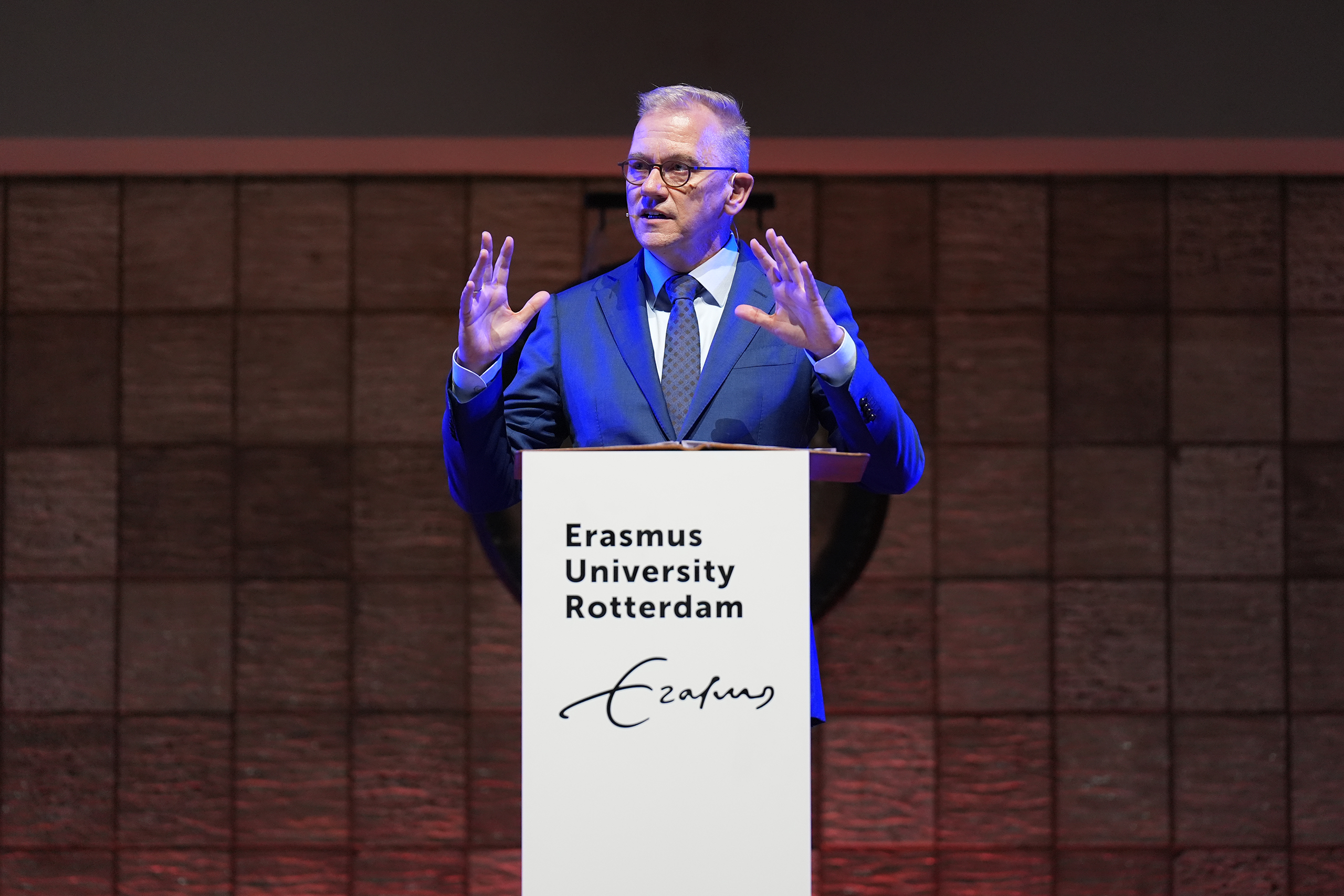
Minister Bruins fears American-style politics: ‘Give the education minister less power’
Gepubliceerd op:-
Education
-
There one day, gone the next
No matter what strange ideas or budget cuts the coalition parties came up with, Bruins stayed put and took responsibility. When the idea was floated to reduce spending on disadvantaged pupils, Bruins did not walk away, even though he hoped that the House of Representatives would come up with a different plan.
Only now that the other NSC ministers are stepping down – in solidarity with foreign minister Caspar Veldkamp – is he abandoning his post. There one day, gone the next. Although Bruins has not yet commented on his departure, it certainly fits the picture of a man who does what is asked of him, time and again.
De redactie
Latest news
-
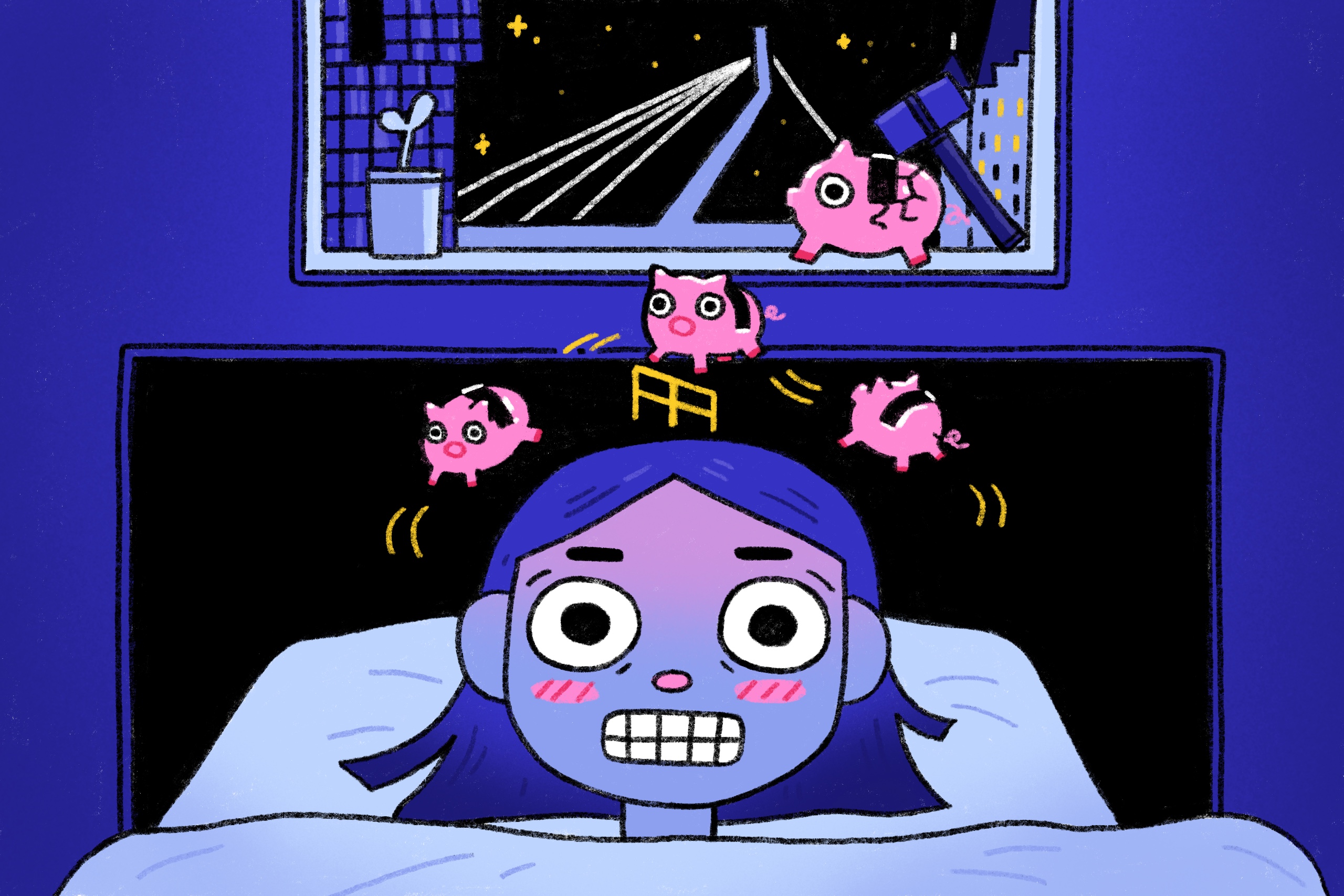
Minister scraps ‘interest cap’ for students: plan much more expensive than expected
Gepubliceerd op:-
Money
-
-
Clubs closing, expensive drinks and dancing with a matcha. How Rotterdam’s nightlife is changing
Gepubliceerd op:-
Culture
-
-
Powerhouses are like shoulder pads
Gepubliceerd op:-
Column
-
Comments
Comments are closed.
Ad
Read more in Politics
-

Translator: Suspended Palestinian student did not say ‘this is me’
Gepubliceerd op:-
Politics
-
-
Knowledge institutions warn against the Netherlands’ frugal approach in Europe
Gepubliceerd op:-
Internationalisation
-
Politics
-
-
Minister sees ‘major problem’ looming: will there be too few international students soon?
Gepubliceerd op:-
Internationalisation
-
Politics
-