Ad

Preliminary enrolments predict slightly fewer first-years
On the brink of the summer holidays, the number of preliminary enrolments for higher education is lower than last year. At the universities, the difference is minimal, while at the universities of applied sciences, the gap is somewhat larger.
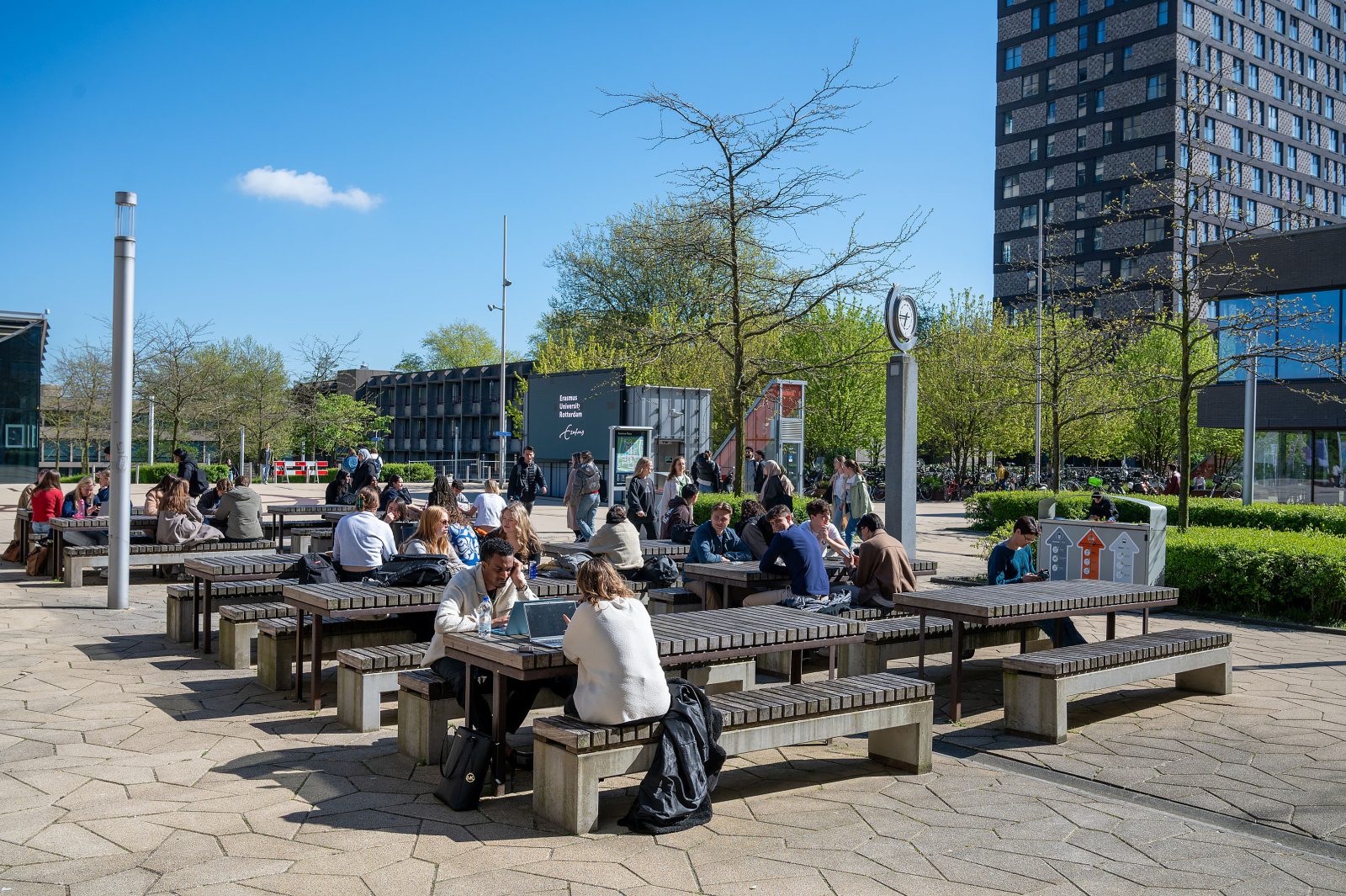
Image by: Ronald van den Heerik
This time last year, 59,700 Dutch students had enrolled in a bachelor’s programme at Dutch universities. This year, that number stands at 59,000: a small difference.
Significantly fewer international students
Preliminary enrolments are always much higher than the final number of first-year students, as around one in three ultimately drop out. They may, for example, not pass their final exams or decide to pursue something else. Last year, universities ultimately counted 40,500 first-years. The enrolments mainly indicate a trend.
On top of this, there is the number of international students. If the signs are correct, their numbers are also declining. The current count stands at 34,800 enrolments: a decrease of 6 percent. The number of international first-years reached 17,900 last year and could fall to below 17,000 this year.
Universities of applied sciences
At the universities of applied sciences, the decline is noticeable: their bachelor’s programmes currently show 4.6 percent fewer enrolments than this time last year, going from 132,000 to 126,000.
Bachelor’s programmes in engineering appear to attract nearly 8 percent fewer students, while the figure stands at 5.6 percent less for numerous economic studies at universities of applied sciences. Only programmes for education and healthcare are marginally in the positive.
However, the same situation applies in the universities of applied sciences, where preliminary enrolments differ considerably from the eventual number of registrations, especially since the Association of Universities of Applied Sciences also includes all students who wish to switch studies. Those 132,000 enrolments resulted in 88,500 first-years at the start of the academic year last year. Just like at the universities, this means a one-third decrease.
The figures could create a misleading impression. Last year, universities of applied sciences also seemed to experience a percentage decrease, while ultimately the number of first-years was the same as the previous year.
Read more
-

More university students enrolling in teacher training programmes
Gepubliceerd op:-
Education
-
De redactie
Latest news
-
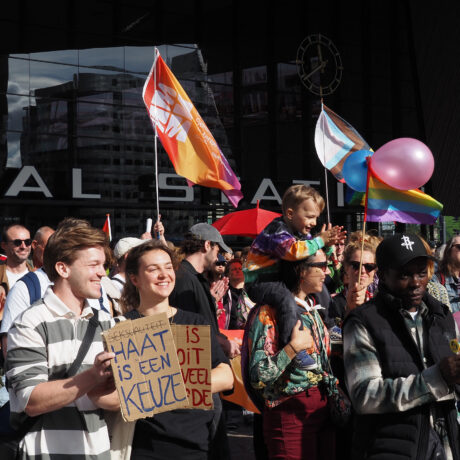
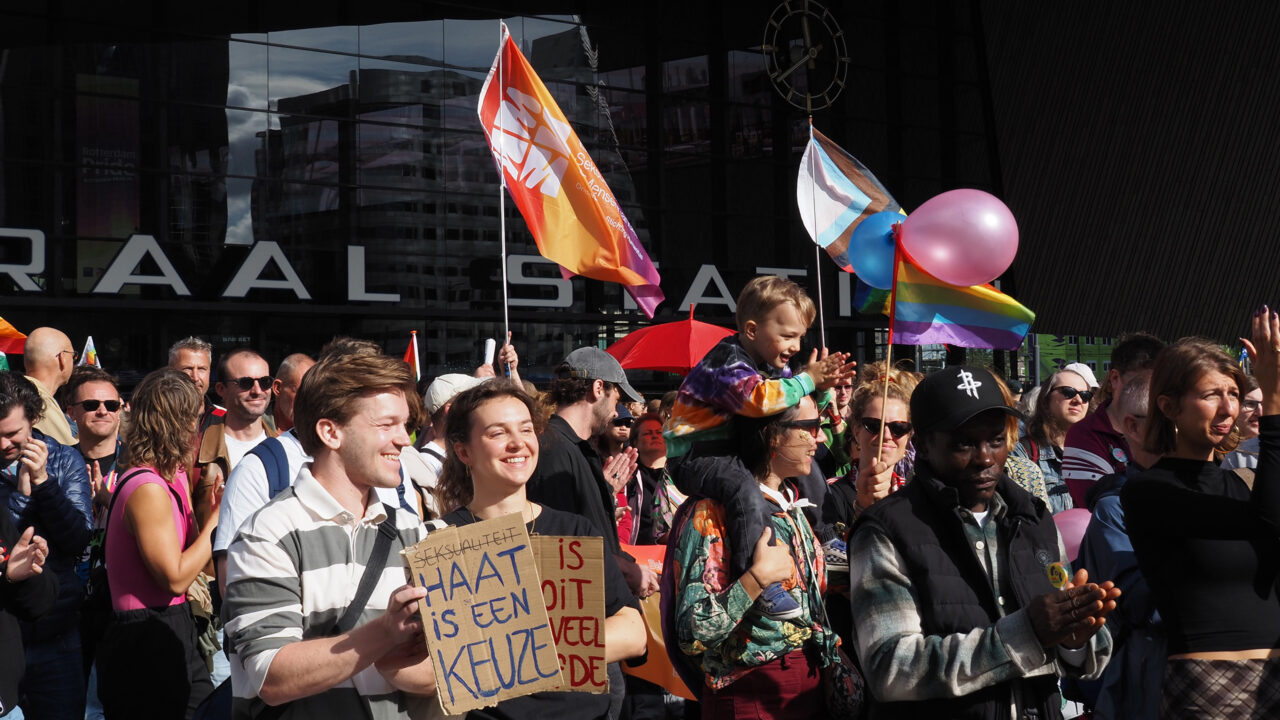
Students and staff join the Pride March: ‘We must stand up for this community’
Gepubliceerd op:-
Diversity
-
-

EM TV newsflash: Too many internationals, too many information platforms and more collaboration with the military
Gepubliceerd op:Article type: Video-
EM TV
-
-
18-year-old student dies after ‘hazing party’ in France
Gepubliceerd op:-
Student life
-


Comments
Comments are closed.
Ad
Read more in Student life
-
18-year-old student dies after ‘hazing party’ in France
Gepubliceerd op:-
Student life
-
-
Jasper has lost his carefree outlook since the attack on Erasmus MC, but the experience will make him a better doctor
Gepubliceerd op:-
Mental health
-
-

Government sets aside millions extra for student accommodation construction
Gepubliceerd op:-
Housing
-