Ad

Those who only look out for themselves, become complicit in silence
Why do we rally en masse for Gaza, yet remain silent about Sudan, Myanmar or Congo? This question arose in me, as I walked across the Woudestein campus: tents, banners, speeches – the resistance is loud and visible. Yet, on other equally serious conflicts, little is heard.

Protest for Gaza at campus Woudestein on 19 June 2024.
Image by: Daan Stam
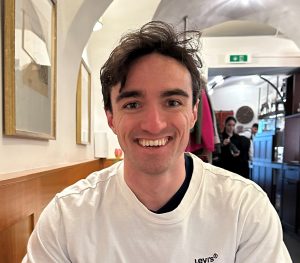
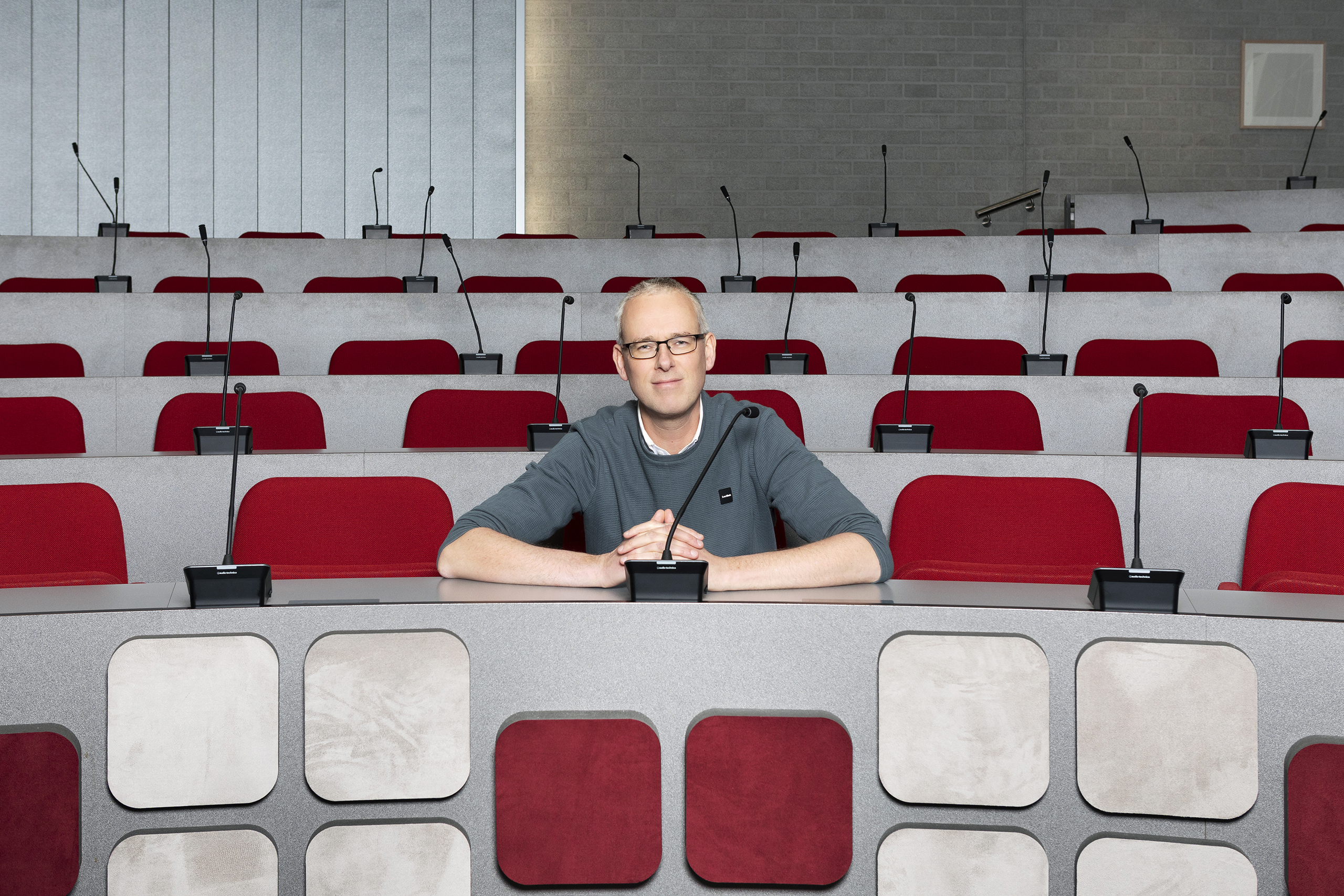
Bart van der Heijden.
Image by: Eigen foto
For a long time, I found this confusing, perhaps even painful. How can we speak of solidarity when it seems so selective? However, I now see this as too simplistic a question. The reality proves to be more complex.
Let me start with myself: I do not demonstrate. Not because I’m indifferent. I choose to make my voice heard in different ways, such as by writing this article. Demonstrating is valuable and courageous, especially now, as there can sometimes be far-reaching consequences connected to participating. Therefore, it’s also a choice that not everyone can easily make.
Sometimes it seems straightforward: those who care about something, take action. But in practice, the space to voice your opinion is unevenly distributed. For instance, I recently heard from a fellow student that he can go study in the US on a scholarship. He was actively helped to ‘cleanse’ his social media of political expressions that conflicted with US policy, such as support for pro-Palestinian demonstrations. Not because he was ashamed, but because it could jeopardise his visa application. Even within the academic world, some forms of protest carry risks.
Let it be clear that this is a very dangerous development, about which one could write dozens of essays. Nevertheless, it doesn’t explain why there’s more protest for Gaza than for other conflicts. Part of the attention is due to recognisability: Gaza is closer to the moral and political purview of many students. The Netherlands maintains political and economic ties with Israel. Universities also have academic collaborations that could be influenced by boycotts. This makes the impact of the protest feel more tangible.
Of course, the intensity and impact of conflicts aren’t always equal either. The violence in Gaza is extremely deadly, visible and politically explosive – and it touches on the foundations of international law and human rights. I don’t wish to shy away from the fact that such factors amplify the urgency of the protest. Yet, this still doesn’t explain why certain other conflicts remain almost completely out of view while the suffering there is equally deep.
‘Turning a blind eye is indeed a conscious choice that has far-reaching consequences’
Another explanation arises from the fact that protesting simply requires effort. Performance pressure plays a prominent role among students. I notice this in myself as well. You’re so busy juggling everything, that it feels as if there’s no space left to take physical action. This makes this opinion piece perhaps a kind of surrogate form of engagement: an attempt to express my opinion, even if without a banner in my hand.
And yet, it remains difficult. Not because I believe demonstrators are hypocritical – far from it. But because we all, consciously or unconsciously, choose which suffering we make visible. Not only because of media attention or geopolitics, but also due to personal boundaries, strategic behaviour, and practical considerations.
Recently, I attended a lecture by the former commander of the armed forces, Peter van Uhm. He said something that has stuck with me: “Doing nothing is also a choice. All Dutch people who consider themselves not complicit because they don’t do anything wrong, should take a good look in the mirror. Turning a blind eye is indeed a conscious choice, that has far-reaching consequences.”
And here lies, in my view, the true paradox of protest. Not in the question of why people demonstrate, but in the ease with which we think that not demonstrating or doing nothing is morally neutral. As if by not doing anything wrong, one automatically does good. But I believe you are born with a moral responsibility to look out for others as well. And those who only look out for themselves, become complicit in silence. Therefore, we must engage in conversation. About what we see, ignore, and about the choices we quietly make every day.
‘I say this to myself as well. Because I know that I fall short
Perhaps it starts with awareness and recognition that every moral perspective is limited. Start by reading about conflicts you usually overlook. Share a story. Support an organisation. Write a piece. Not everything needs to be grand or loud to be valuable. But doing nothing – really nothing – is, in my opinion, no longer an option.
I say this to myself as well. Because I know that I fall short. But also because I believe that we, especially as students, are not only being trained to think critically, but also to act morally.
Bart van der Heijden is a master’s student Economics and Business at the Erasmus School of Economics.
Read more
-
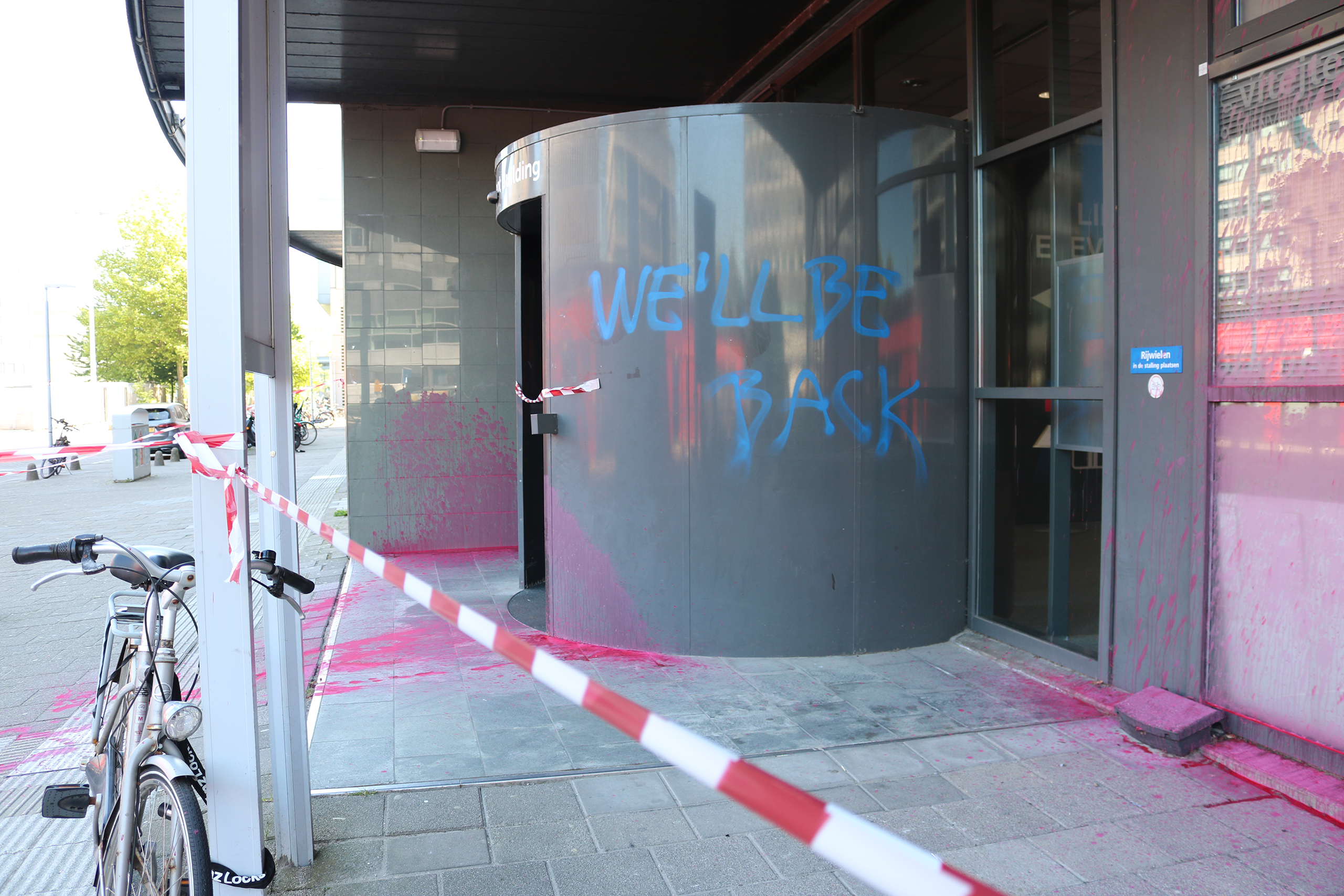
Tents protest gone, paint remains on Van der Goot
Gepubliceerd op:-
Protest
-
De redactie
-
Bart van der Heijden
Student
Latest news
-
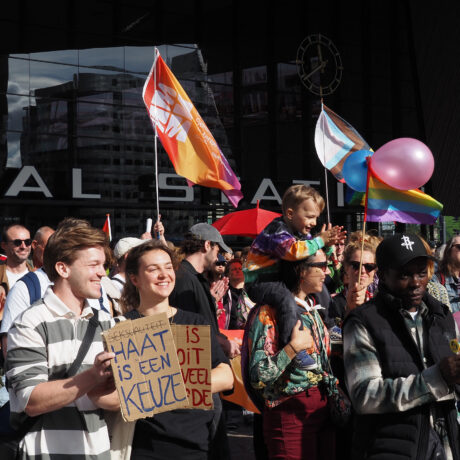
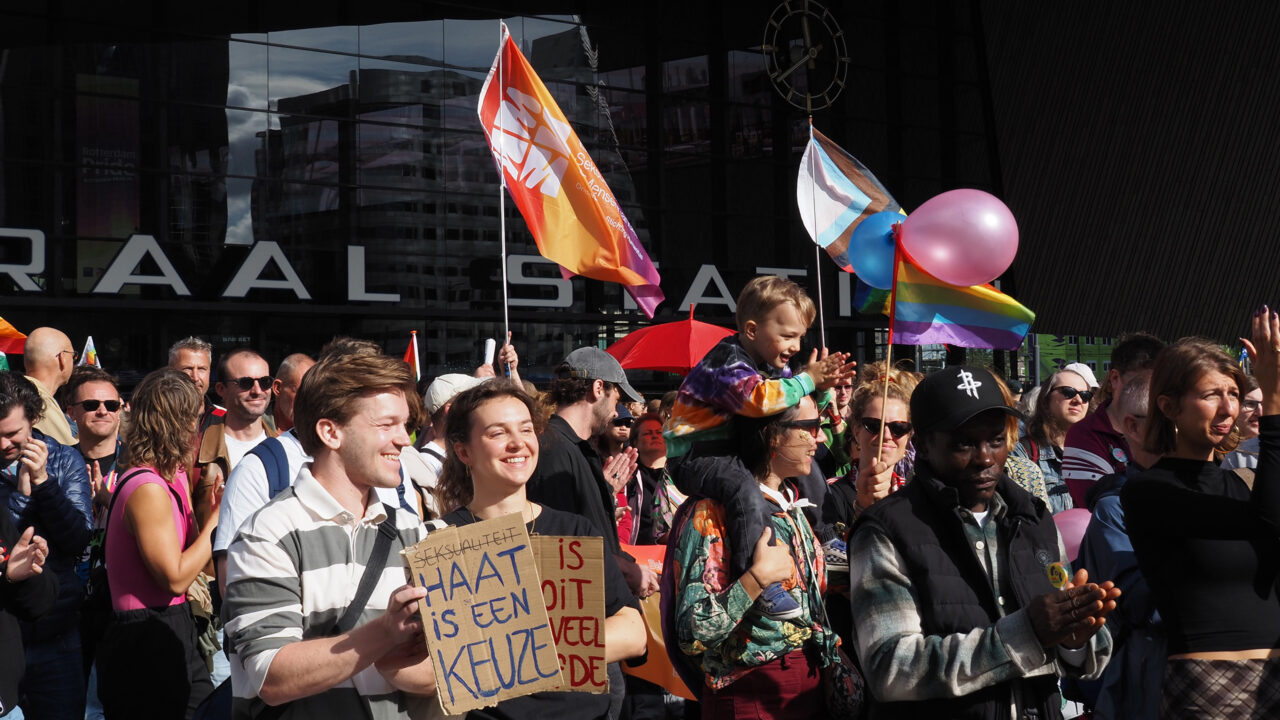
Students and staff join the Pride March: ‘We must stand up for this community’
Gepubliceerd op:-
Diversity
-
-
EM TV newsflash: Too many internationals, too many information platforms and more collaboration with the military
Gepubliceerd op:Article type: Video-
EM TV
-
-
18-year-old student dies after ‘hazing party’ in France
Gepubliceerd op:-
Student life
-
Comments
Comments are closed.
Ad
Read more in Opinion
-
The president of the Executive Board hopes scientists will draw energy from hot air
Gepubliceerd op:-
Column
-
-

Notes on your phone
Gepubliceerd op:-
Column
-
-

Looking back without anything weighing on you
Gepubliceerd op:-
Column
-