Ad

Psychology programmes write open letter against proposal
Approximately 1,300 scientists and students are protesting in an open letter against the universities’ proposal to make all bachelor’s programmes in psychology in the Randstad Dutch-taught. They deem it unjust and strategically short-sighted.
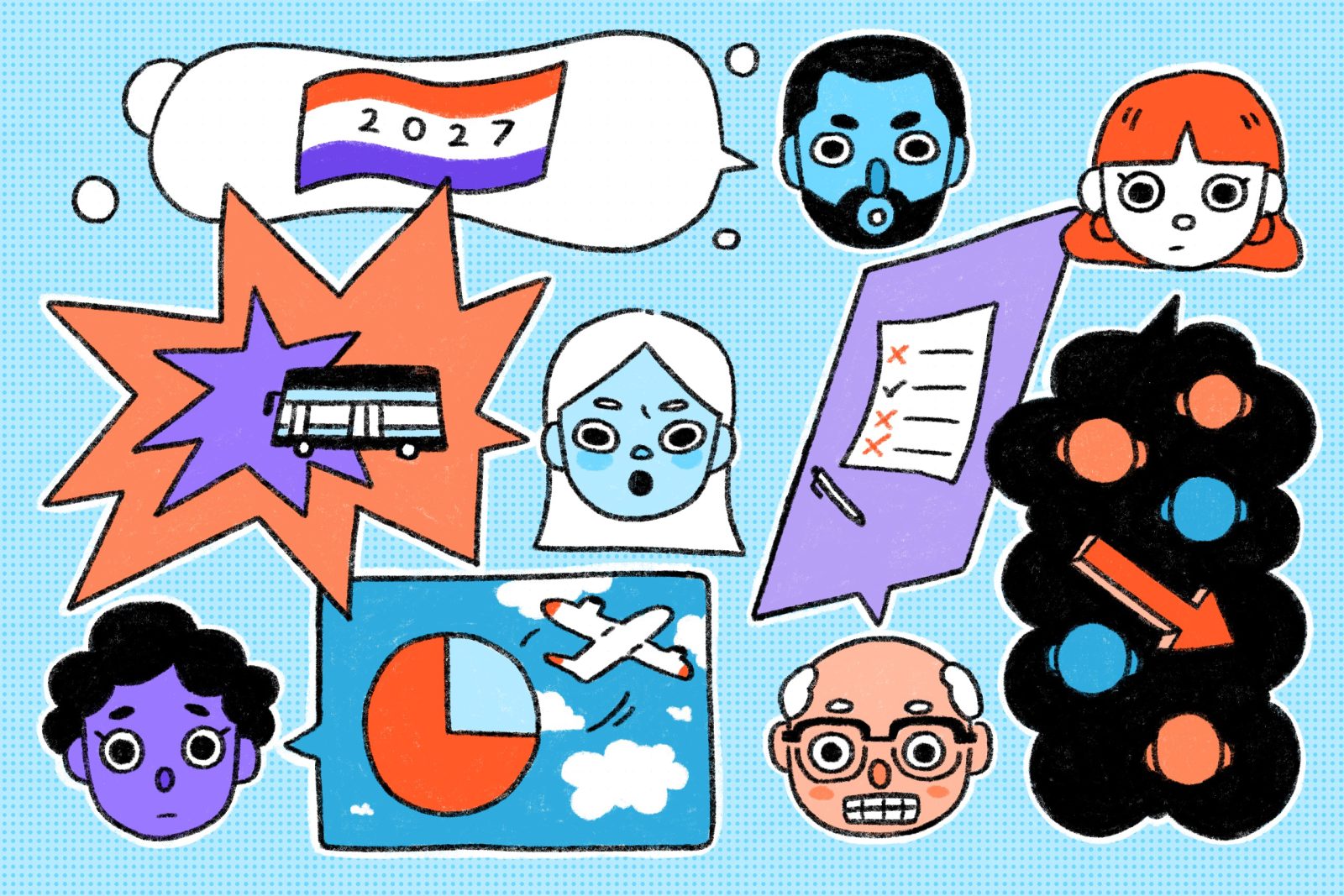
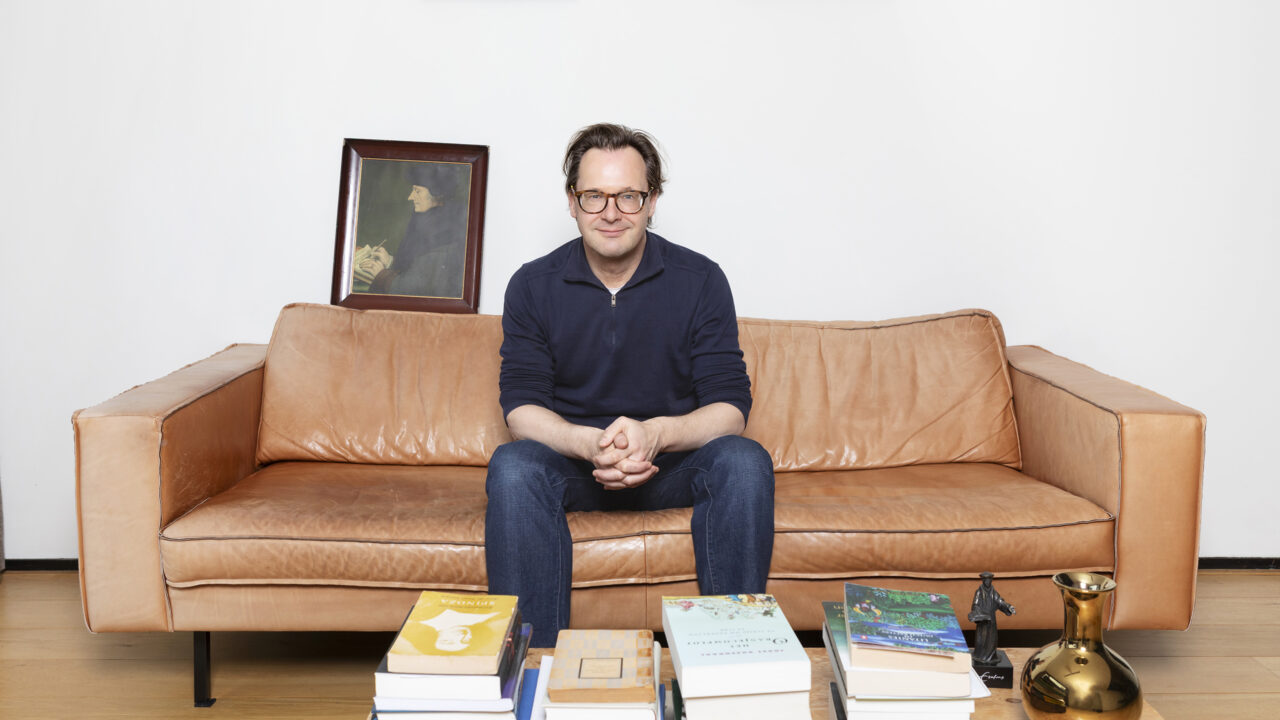
Image by: Femke Legué
Two weeks ago, the universities announced that they wanted to bring the internationalisation of education ‘in balance’ themselves to prevent the minister from intervening. The minister intends to enforce a language assessment for non-Dutch education that would require English-taught bachelor’s programmes to switch back to Dutch.
The universities want to negotiate. If the minister removes the strict language assessment from his legislative proposal, the universities are willing to revert their bachelor’s programmes in psychology in the Randstad to Dutch.
Open letter
Meer over Internationalisering in balans
- Why Arts & Culture, History and Psychology cannot do without English
- English-taught Psychology to disappear and IBEB and IBA to shrink, if language test is scrapped
- Van Schoten: Language test for non-native education must be scrapped
The proposal has sparked much debate. The national interest group WOinActie describes it as an ‘unacceptable negotiation tactic’ in which a few programmes are used as bargaining chips.
On Tuesday, an open letter was issued by the psychology programmes of the two Amsterdam universities VU and UvA, Erasmus University, and the universities of Leiden and Tilburg. According to the now 1,300 signatories, international bachelor’s programmes are essential for the high standard of psychological education and research in the Netherlands. “The sacrifice of international bachelor programmes would seriously damage the quality.”
They consider the offer from the university association UNL unjust, as it primarily affects psychology programmes, and misplaced, as universities can already easily impose an intake restriction on English-language tracks. Furthermore, they find it strategically short-sighted: “There is no guarantee that the pressure to reduce international programmes will go away once psychology is once again entirely Dutch.”
Thrown under the bus
Psychology departments have voiced strong discontent. “You do feel a bit thrown under the bus”, said the Rotterdam programme director Marjan Gorgievski to Erasmus Magazine last week.
Professor of clinical psychology Matthias Wieser called it a major misunderstanding that all psychologists become therapists and must therefore speak Dutch: “When you hear politician Pieter Omtzigt claim that therapy can’t be done in English, you realise he doesn’t understand – psychologists work in many different settings.’”
Psychology is a scientific programme, said Merel Kindt, head of the psychology department at the University of Amsterdam in Folia. Only those who complete postgraduate training after their master’s can work as therapists in mental healthcare. According to her, many graduates work in government, large companies, and research agencies where English is the main language.
Devil's dilemma
In an interview with Mare, chair of the Executive Board Annetje Ottow of Leiden University described the decision to agree to the joint proposal of the universities as a devil’s dilemma. According to her, there is a widespread societal call in the Netherlands to limit the influx of internationals. “If the cabinet falls tomorrow, the problem won’t be solved.”
She said the English-language track in psychology would only be scrapped if the strict language assessment is removed. “This way we aim to save all other English-taught bachelor’s programmes.” At the same time, she acknowledges that this is bitter for psychology. “We are backed into a corner and have to choose between multiple evils.”
No decision yet
In the House of Representatives, Minister Bruins last week called the universities’ self-management plans ‘historic’, but has yet to drop the proposed language test for non-Dutch programmes. He says this requires careful consideration.
His spokesperson said the minister has not yet made a decision. “The entire proposal is on his desk, including the option to remove the language test. All perspectives have been heard, and a new letter will be published before the summer.”
Read more
-
Psychologists disappointed: ‘I had hoped for a bit more Harvard, a bit less Columbia’
Gepubliceerd op:-
Internationalisation
-
De redactie
Latest news
-
Minister scraps ‘interest cap’ for students: plan much more expensive than expected
Gepubliceerd op:-
Money
-
-
Clubs closing, expensive drinks and dancing with a matcha. How Rotterdam’s nightlife is changing
Gepubliceerd op:-
Culture
-
-
Powerhouses are like shoulder pads
Gepubliceerd op:-
Column
-
Comments
Comments are closed.
Ad
Read more in Internationalisation
-
Signing up for a Dutch course ‘feels like a race’, number of classes will not increase
Gepubliceerd op:-
Internationalisation
-
-

Knowledge institutions warn against the Netherlands’ frugal approach in Europe
Gepubliceerd op:-
Internationalisation
-
Politics
-
-
Minister sees ‘major problem’ looming: will there be too few international students soon?
Gepubliceerd op:-
Internationalisation
-
Politics
-