Ad

Women: Stronger in education, less represented at the top

Women continue to perform better in higher education than men, yet men still dominate the upper echelons. Here are some statistics in honour of International Women’s Day.
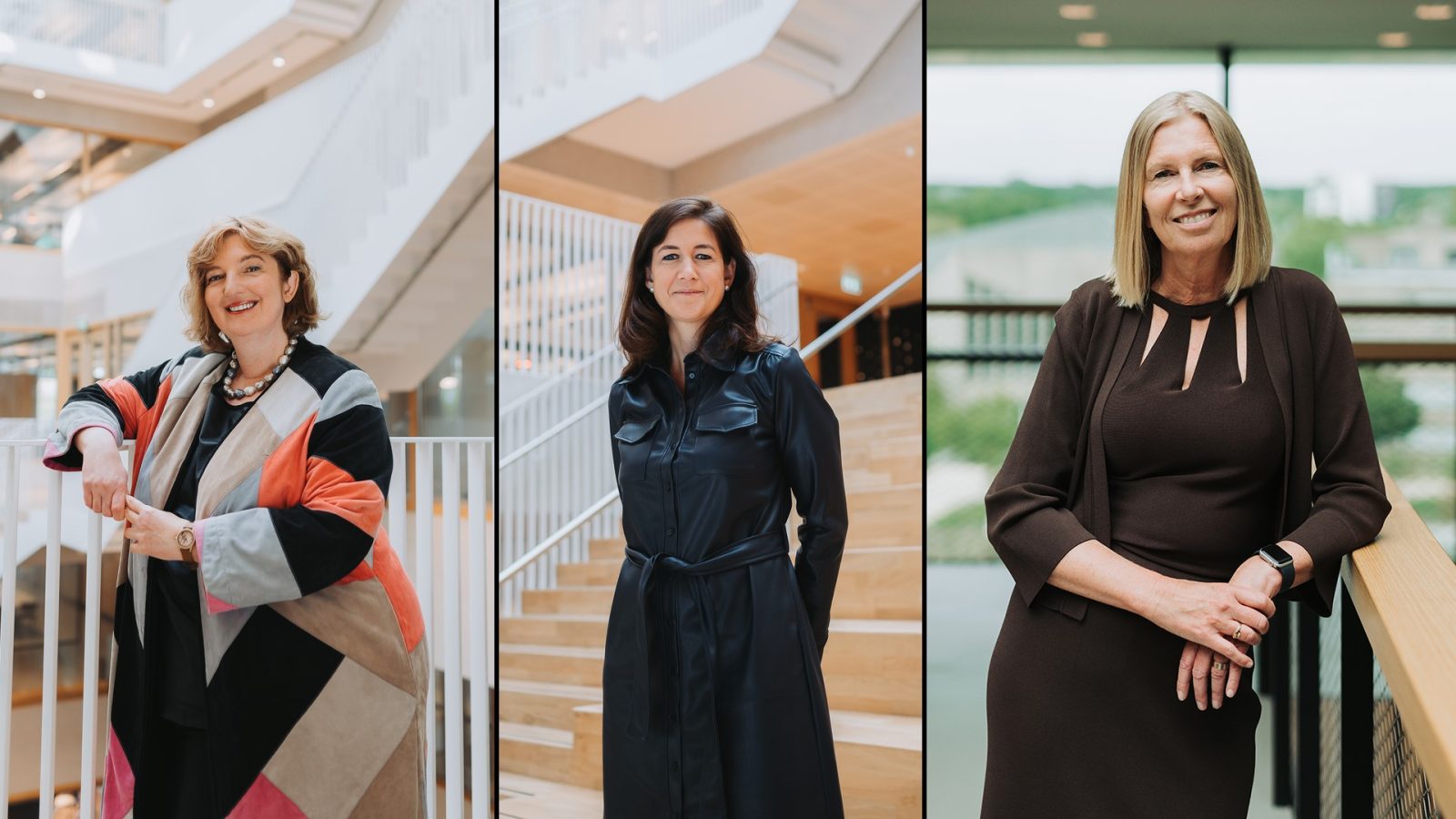
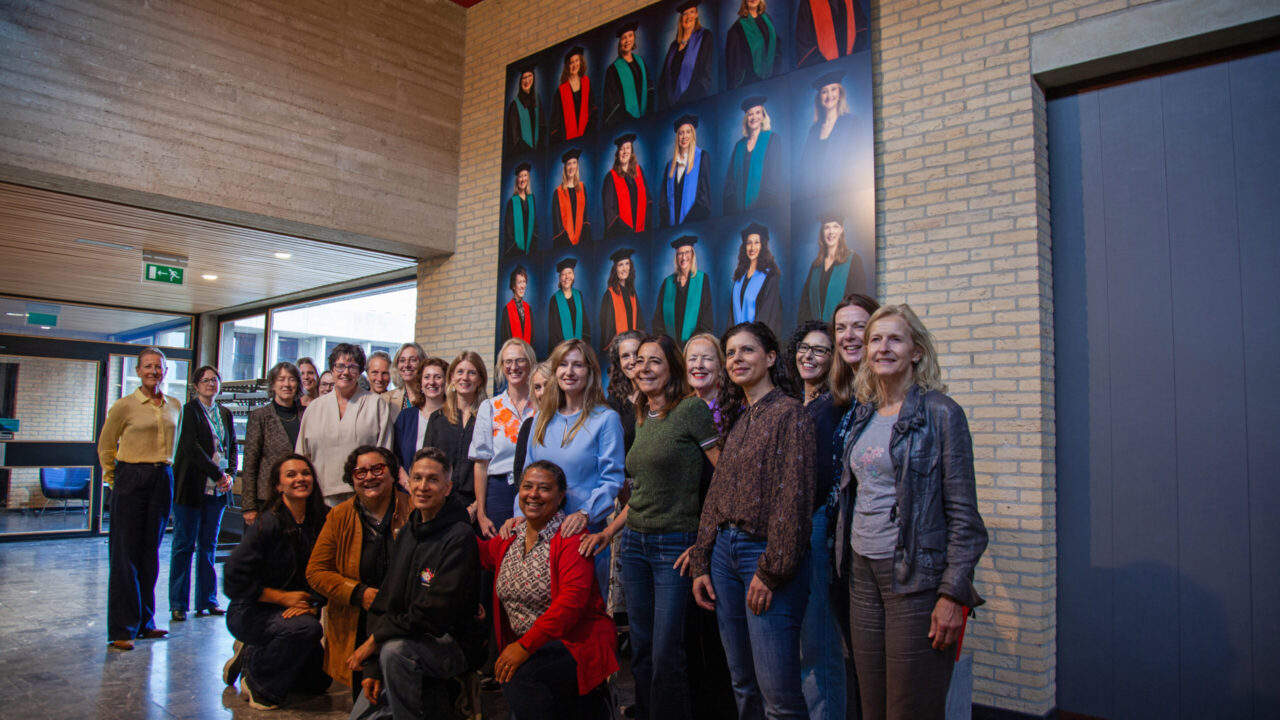
Women are well represented on the Executive Board, which has been entirely female since November.
Image by: EUR
Men and women differ from one another, including in education. They choose different courses and progress through their studies at different rates. Men also tend to drop out more frequently than women.
At universities of applied sciences, the difference is significant. The dropout rate for men is 25 per cent after three years, compared to 16 per cent for women. After five years of study, 41.5 per cent of men have obtained their diploma, against 60 per cent of women. After eight years, the figures stand at 63 to 77 per cent.
Also at universities
This disparity is also evident at universities. After five years (which is generally sufficient for a three-year bachelor’s and a two-year master’s), over 80 per cent of women have earned a diploma: at least a bachelor’s, but often a master’s as well. Among men, this figure is below 70 per cent.
Men also exhibit a higher dropout rate. Eight years after starting their studies, one in ten women has not yet obtained a diploma. Among men, this rises to two in ten. Notably, this excludes international students; the statistics pertain to students with a pre-university education.
Women are thus faring better than men in education. Nevertheless, for many years more men than women obtained doctoral degrees at universities. However, there seems to be a turning point. In the latest count (academic year ’22/’23), 2,469 men earned their doctorate compared to 2,651 women.
More men at the top
It is worth noting that there are still more men employed as PhD candidates at universities. Perhaps it takes them longer to complete their studies. Furthermore, the figures do not include the PhD candidates from University Medical Centres, where more women complete their doctorates.
There are roughly equal numbers of male and female postdocs, lecturers, and associate professors, but men ultimately ascend higher in their careers. The disparity is especially pronounced among professors. Of nearly 3,200 professors, 918 are women.
Read more
-
University celebrates International Women’s Day in the city
Gepubliceerd op:-
Campus
-
De redactie
Latest news
-
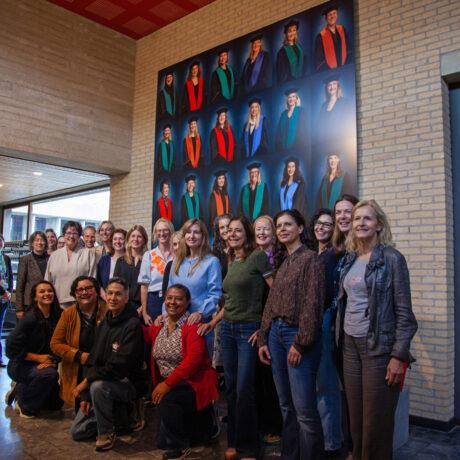
Erasmus Building gallery expanded with 48 portraits of female professors
Gepubliceerd op:-
Diversity
-
-

‘If anyone should be thinking about the effects of AI on society, it is scientists’
Gepubliceerd op:-
Artificial Intelligence
-
Science
-



Comments
Comments are closed.
Ad
Read more in Diversity
-
Erasmus Building gallery expanded with 48 portraits of female professors
Gepubliceerd op:-
Diversity
-
-

Students and staff join the Pride March: ‘We must stand up for this community’
Gepubliceerd op:-
Diversity
-
-
‘Broederliefde and the kapsalon are the cultural heritage of the future’
Gepubliceerd op:-
Diversity
-
Staff
-