Ad

Abolishing democracy

A colleague sighed in the newsroom last week: “Do you think those students would want to abolish democracy too?”. Now, various things get said in newsrooms to vent frustrations about meddling press officers, vague-talking administrators or oddballs sending emails. But this comment stuck with me and got me thinking.

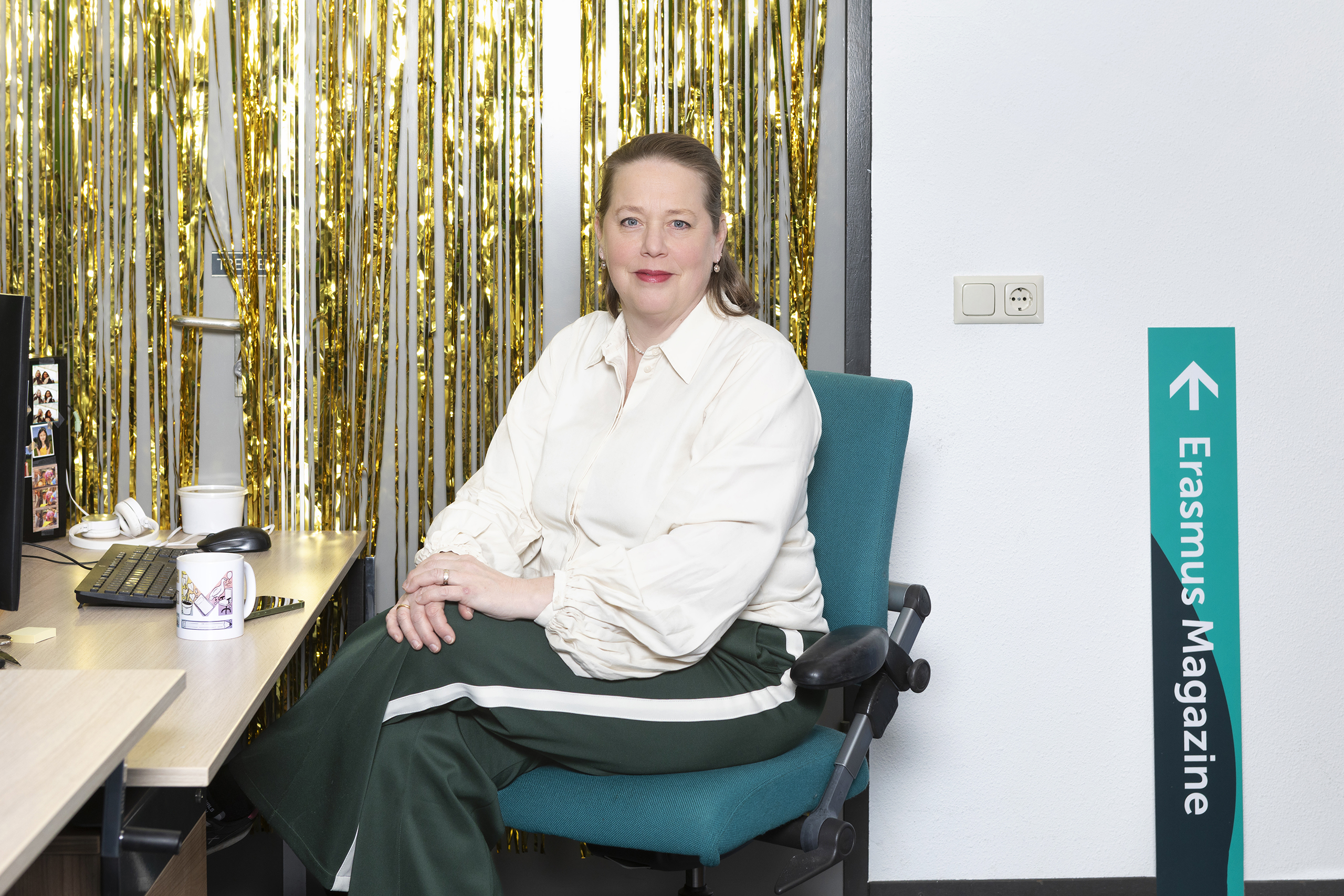
Wieneke Gunneweg is editor-in-chief of EM.
The comment was prompted by a student club’s refusal to cooperate on what seemed to be a straightforward news story we wanted clarification on. “No, we’ll only cooperate if we can approve the article before publication”, was the adamant response on the other end of the line.
Later that week, a similar situation arose. Another student club tried to insist that we were only allowed to make a video if they could give their approval before its release. This is something that is impossible to admit in independent journalism. And again, it made me think.
To be clear, no one is obliged to cooperate with an article or video, of course. That is entirely up to them. However, in the first case, the person involved held a board position at an organisation where something was happening, and in my view, part of that role includes being accountable to the public you serve and who – indirectly – pays you.
Look, an interviewee is welcome to read an article in which they are quoted before publication to correct factual inaccuracies – I’ve written about this before, and it’s also on our website. But that is different from being able to grant approval. Even university administrators don’t have the final say on interviews with them at EM. And generally, they understand that. But that doesn’t seem to be the case for these students.
Publishing only with the interviewee’s approval isn’t journalism – it leans towards PR
So, can’t you make an exception for a student who feels nervous about participating in an interview? In short, no. To elaborate, EM only shows leniency in deeply personal stories where someone truly bares their soul and is therefore vulnerable. In those cases, you can carefully weigh words together with the interviewee before publication. It’s an entirely different matter when someone wants input to maintain control and prevent reputational damage to their group.
Publishing only with the interviewee’s approval isn’t journalism – it leans towards PR and goes against the freedom a journalist must have to publish stories without interference from anyone. As such, we can never agree to that in advance.
Back to my colleague’s remark – what does EM have to do with democracy? A bit of background: EM is the journalistic independent news medium of Erasmus University, as stated in our editorial statute, signed by the Chair of the Executive Board. So, the university chooses and pays to be critically observed by EM journalists. Why? Because, at its core, the university is a democratic organisation, hence the numerous participatory bodies and meetings. And this also includes independent journalism, just like in the real world beyond the university. “Democracy presupposes informed citizens. The media play a crucial role in this”, the Netherlands Scientific Council for Government Policy recently wrote. For years, parliamentarians have been advocating for the role of independent journalism in higher education to be enshrined in law.
In summary, it is EM’s role to make issues within the university open to discussion, to inform campus members about what’s happening around them, and to provide a platform for opinions – all to strengthen the university as a democratic institution. So, when members of this institution refuse to cooperate with a journalistic piece out of fear of reputational damage, it leads one to wonder: would these people also want to abolish democracy?
Read more
-
Can I read the interview before it is published?
Gepubliceerd op:-
Editorial
-
De redactie
-
 Wieneke Gunneweg
Editor-in-chief
Latest news
-
18-year-old student dies after ‘hazing party’ in France
Gepubliceerd op:-
Student life
-
-
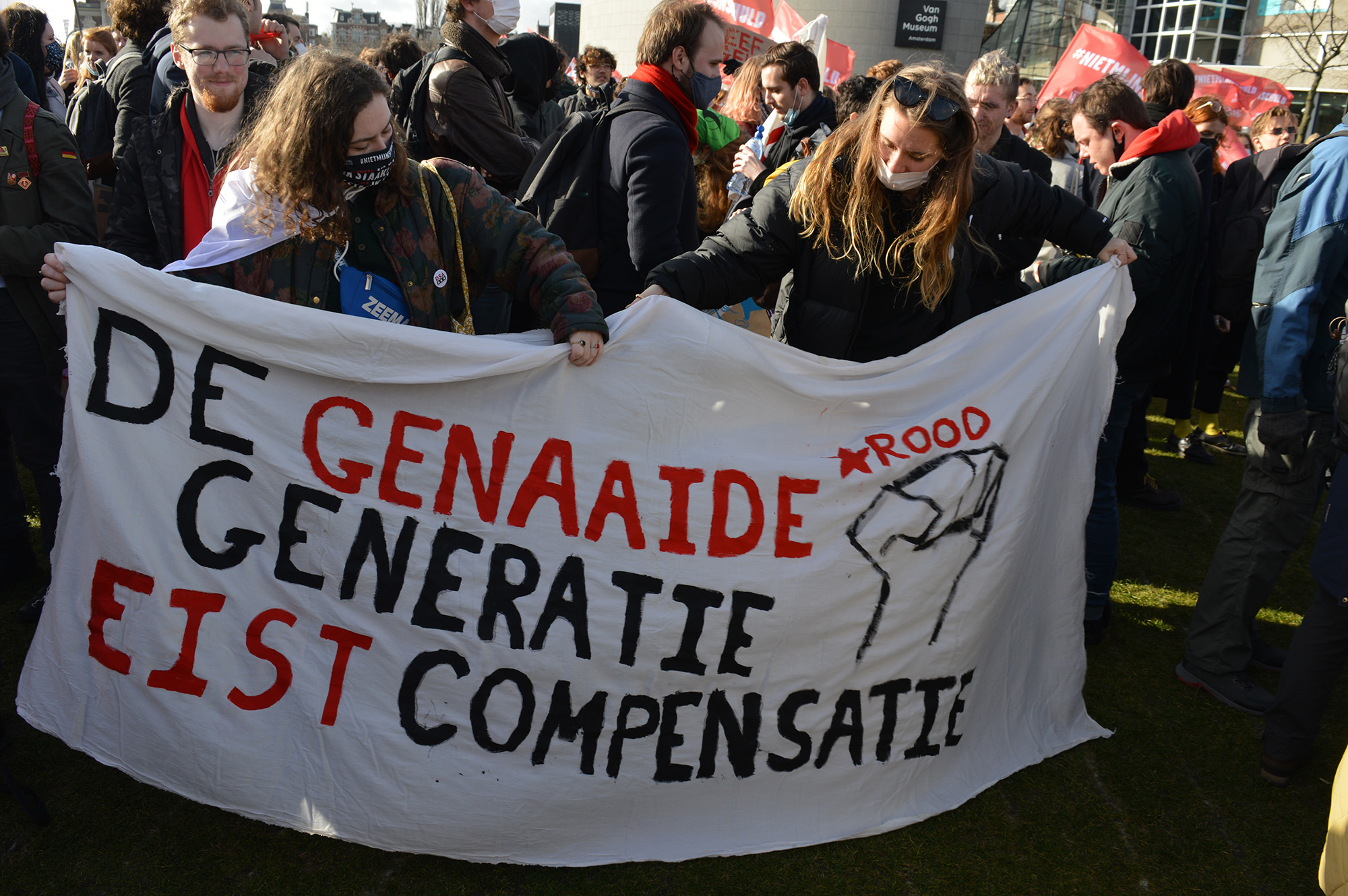
After a second compensation payment, that must be it for students who missed out
Gepubliceerd op:-
Money
-
Politics
-
-
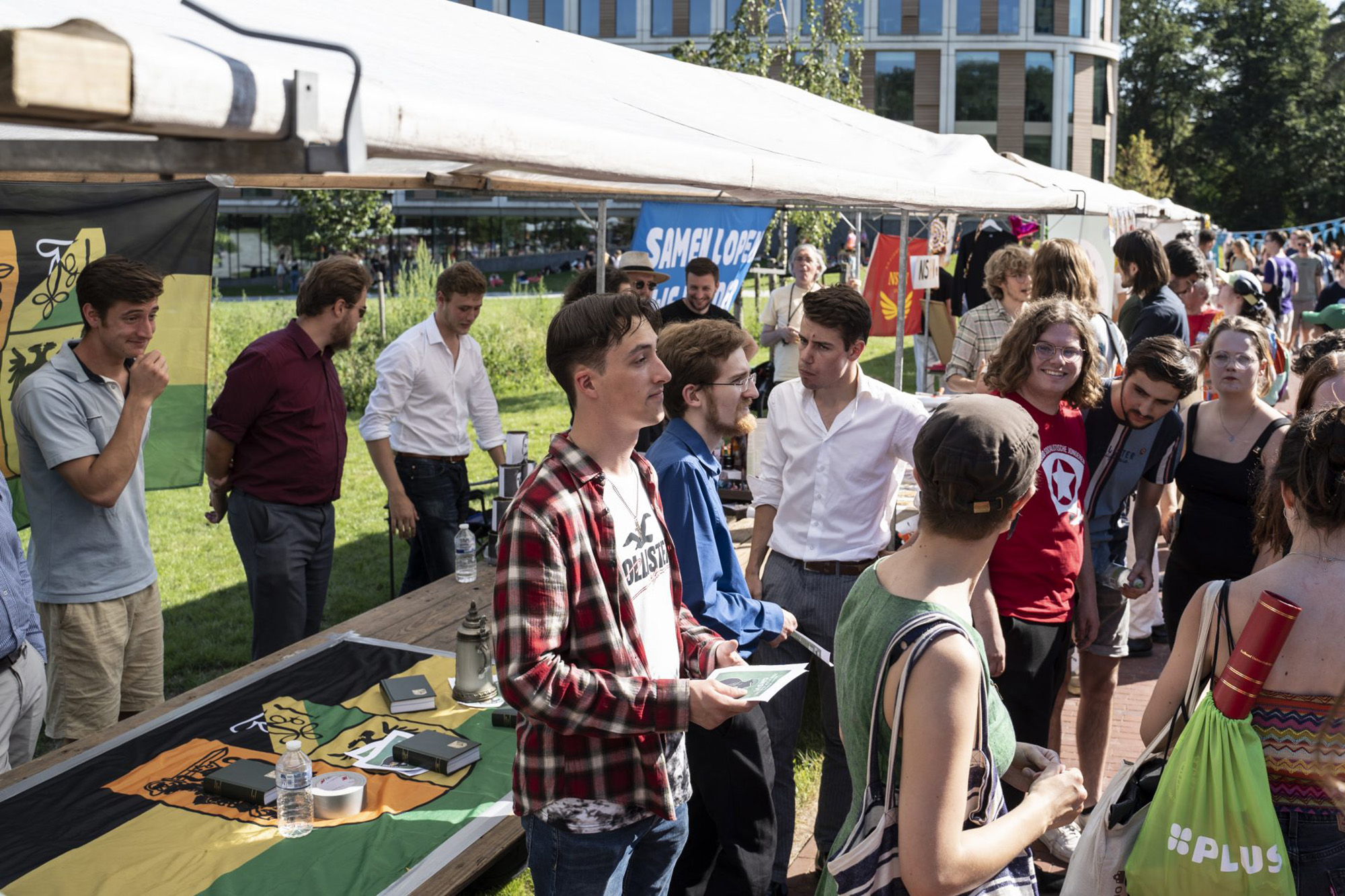
Far-right extremists use campuses to normalise their ideas
Gepubliceerd op:-
Politics
-
Comments
Comments are closed.
Ad
Read more in Editorial
-

Liminal times
Gepubliceerd op:-
Editorial
-
-
How EM ended up at an awards festival thanks to talent and teamwork
Gepubliceerd op:-
Editorial
-
-
Clashing freedoms keep journalists and academics sharp
Gepubliceerd op:-
Editorial
-