Ad

Identity
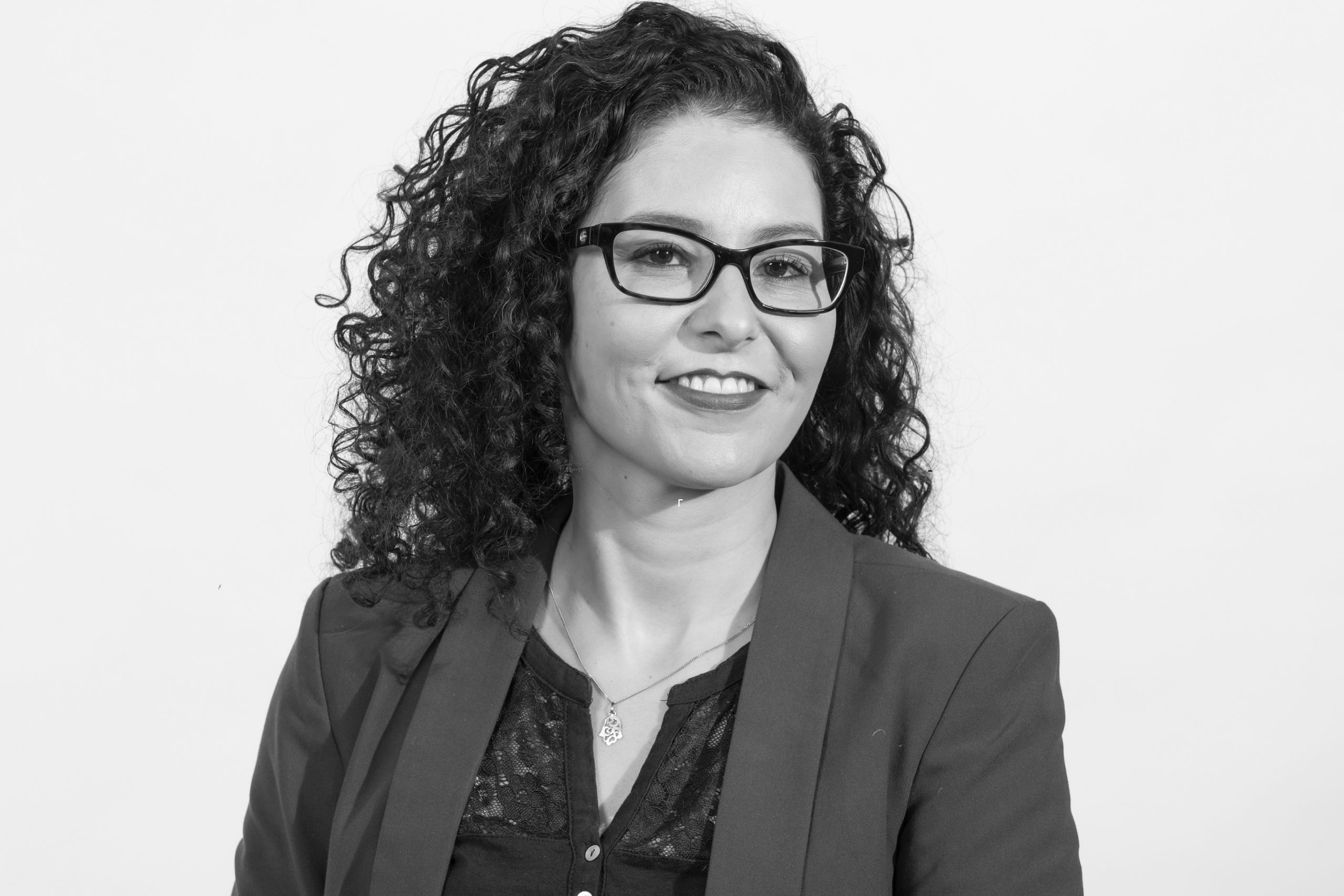
A conversation with colleagues at the coffee machine revolved around the term migration background and how that affects how you identify. A colleague asked me the question: “Hanan, how do you identify?” I had to think about it for a moment, and replied: “It depends.”
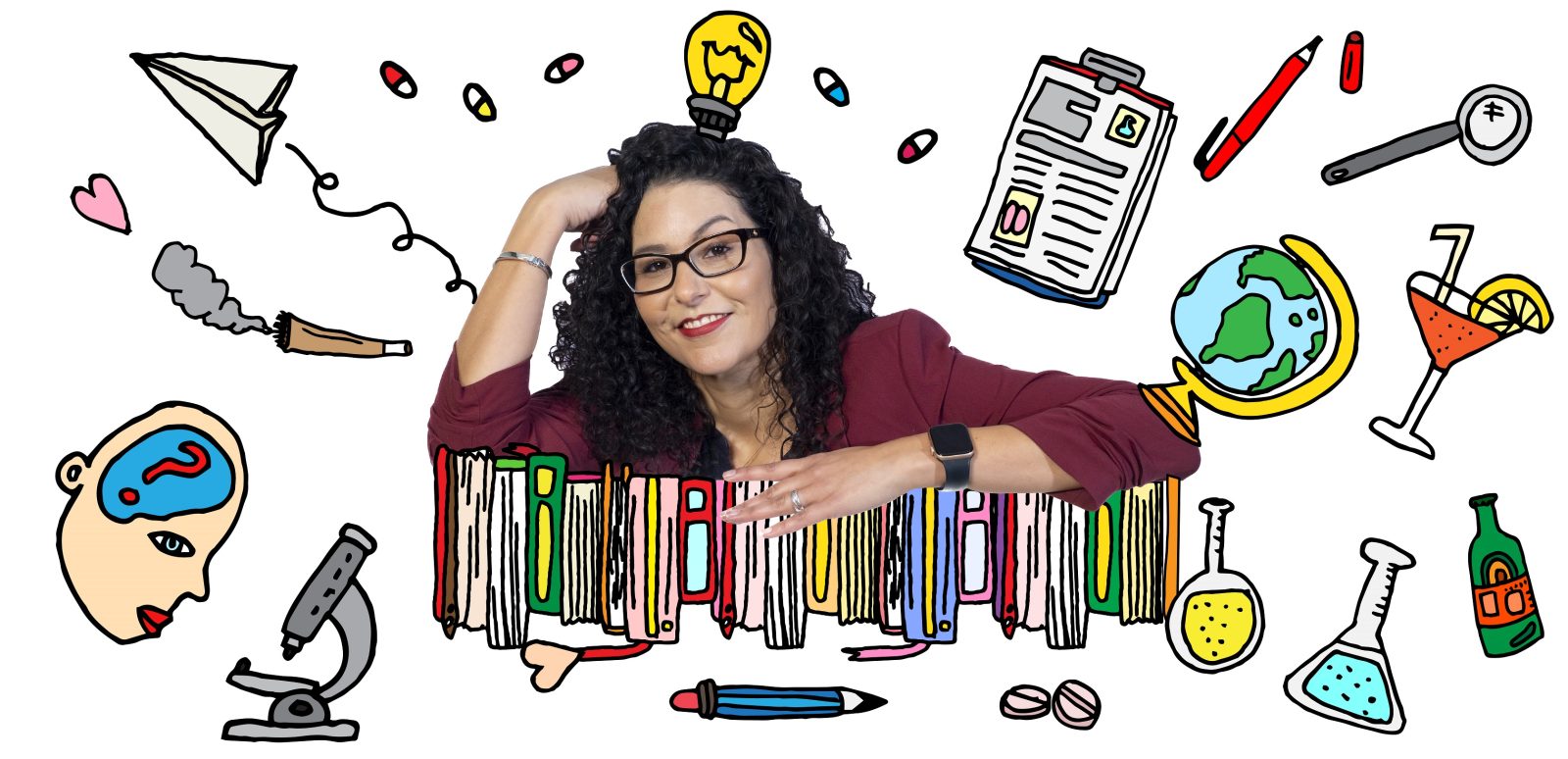
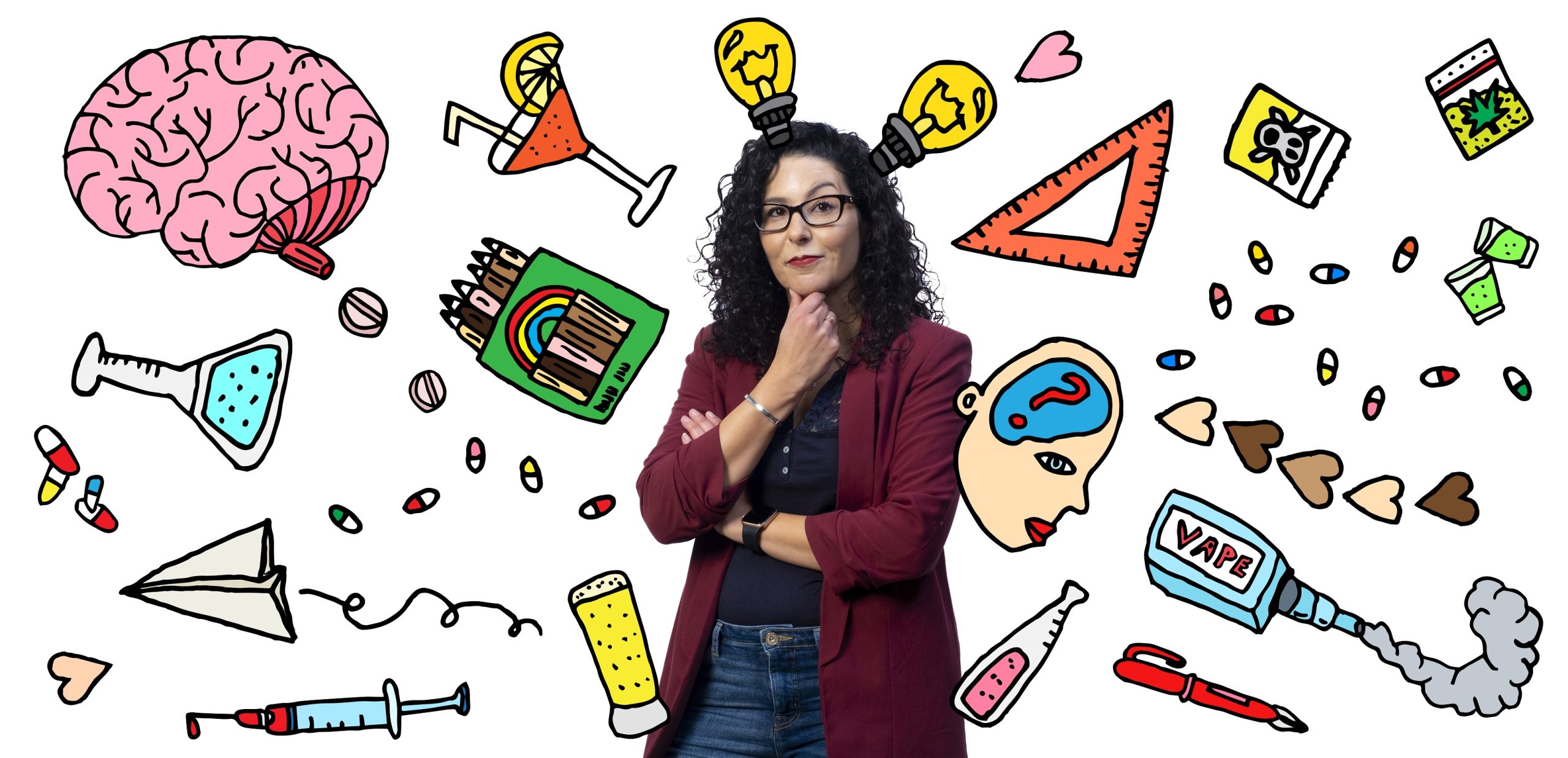
Image by: Levien Willemse, Pauline Wiersema
Confused eyes looked at me; the expectation was (I think) that I would say Dutch, Moroccan or both. But how I identify depends on the context. In The Hague I am from the Schilderswijk quarter, in Amsterdam I’m from The Hague, and in Morocco I am a Moroccan Dutchman. And in super-diverse Rotterdam, it hardly matters where you come from, you’re one of many.
As I walk back to my workplace after this conversation, I realise that in scientific research, we categorise people by their country of birth or that of their parents. For instance, based on my parents’ country of birth, I am categorised as Moroccan. Pigeonholing, we like to put people into easily understandable categories. This creates problems, though. After all, THE Moroccan does not exist, just as THE Dutchman does not exist. Reducing ethnicity or migration background to a category doesn’t do the richness and diversity of human experience justice, and so cannot properly measure context and thus distort results of research.
Ethnicity is a multidimensional concept that encompasses many different aspects such as cultural background, language, traditions and how a person sees and identifies themselves. It is moreover a dynamic concept that can change by time and place for each individual. It is important to remember that our use of language around this topic plays a crucial role in how we understand and communicate these concepts.
I hate the word migration background, as if it has a secondary position in the background, whereas where my parents come from, how I was brought up and what languages I speak are a fundamental part of who I am and what I stand for. It is not a background, it is the basis of my life.
In everyday life, we make it as easy as possible to make sense of the world. Our brains are constantly categorising and ordering things. This categorisation is part of a survival mechanism; it helps to quickly process information and make daily decisions. But applying this to complicated concepts can do more harm than good. These labels can lead to stereotypes, prejudice and discrimination. Last week, for example, it became clear for the umpteenth time that Muslim women (and especially those who wear headscarves) are more likely to be rejected from job applications than women who are not Muslim.
In short, pigeonholing complex concepts (migration background/ethnicity is just one example) in scientific research and in our contemporary society means placing limitations on ourselves. Let’s think outside the box.
Hanan El Marroun is a professor of Biological Psychology.
Read more
-
Rainbow
Gepubliceerd op:-
Column
-
De redactie
-
 Hanan El Marroun
Author
Latest news
-
Interest on student debt at highest level in 17 years
Gepubliceerd op:-
Money
-
-
Behind on repaying your student debt? DUO may soon pass the details on to your municipality
Gepubliceerd op:-
Politics
-
-
Extra funding for higher education does not keep pace with inflation
Gepubliceerd op:-
Education
-
Politics
-
Comments
Comments are closed.
Ad
Read more in Column
-
The drama of Jason Arday
Gepubliceerd op:-
Column
-
-
The president of the Executive Board hopes scientists will draw energy from hot air
Gepubliceerd op:-
Column
-
-

Notes on your phone
Gepubliceerd op:-
Column
-