Ad

Female academics experience less support than their male counterparts

How do the careers of female academics differ from those of their male counterparts? What is important if you want to advance to the top positions in academia? Researcher Daphne van Helden, who examines the gender gap in academic careers, talks about her findings.
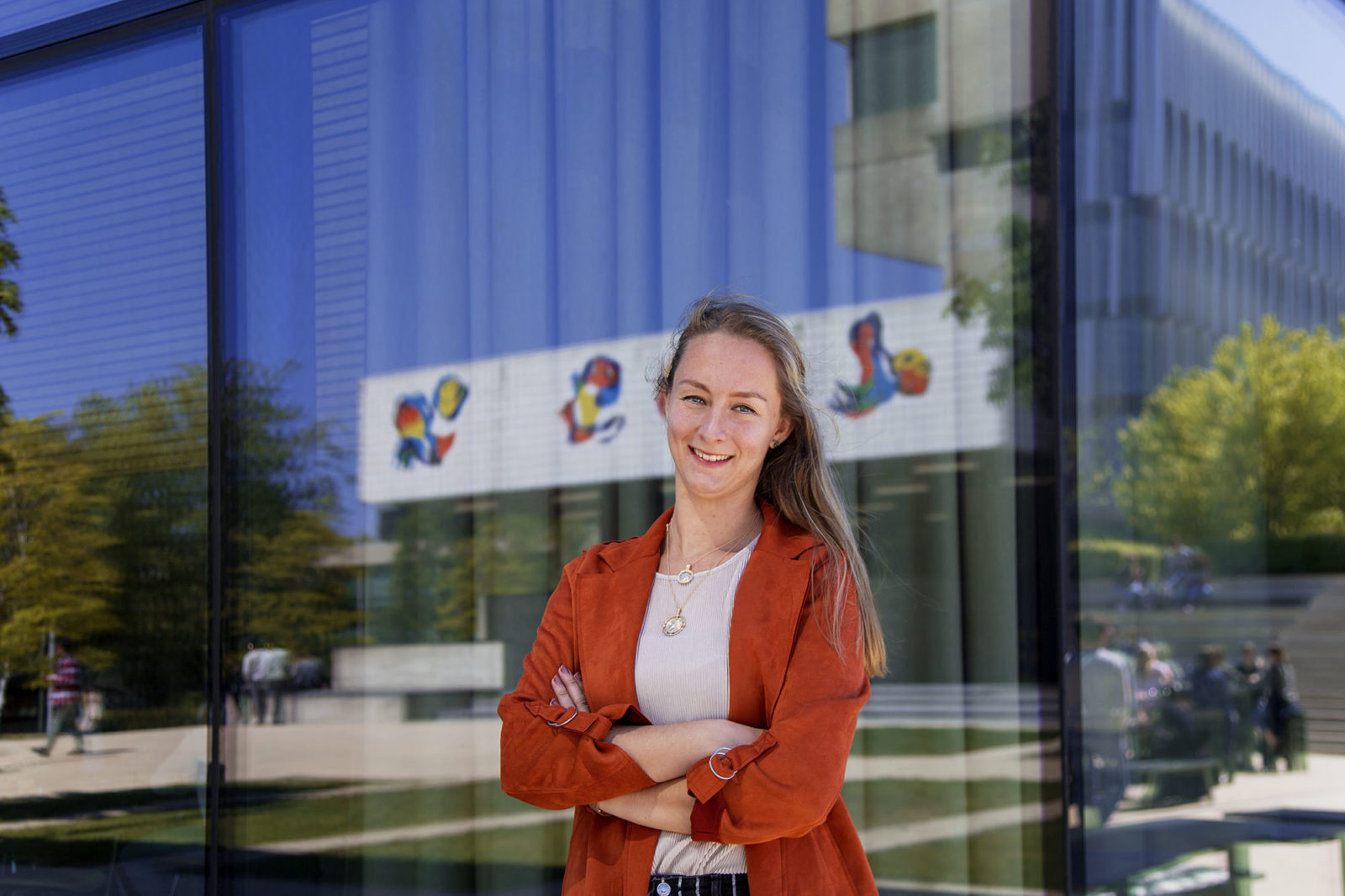
Image by: Aysha Gasanova
Daphne van Helden is conducting doctoral research on the career paths of men and women on their way to becoming professors at EUR and Erasmus MC. Her main focus is the gender gap in academic leadership positions. In particular, she wants to know which challenges female mid-career academics face when navigating their careers.
You are studying the career path from associate professor to full professor. How do you go about this?
“As an example, I observed 75 academics over a three-year period, both men and women, from different disciplines. That makes it possible not only to compare men and women, but also to see how they develop their careers over time.”
What have you discovered?
“One of the main conclusions of my research is that the so-called ‘career shock’ is very crucial in careers. These are events that happen to you unexpectedly, such as a chronic illness or a sudden change of manager. A new manager can boost career development when he or she has a different perspective on talent, but it can also be detrimental when career decisions are postponed. Such changes may prompt academics to rethink how to pursue their careers.
“We found that while men and women experience about the same number of career shocks, there is a gap between the support they receive in coping with them. Women generally experience less support than their male counterparts. Women also experience more and more frequent negative career impacts than men.”
Lees meer
-
This PhD candidate is researching why the number of female professors is lagging behind
Gepubliceerd op:-
Research
-
The trigger for starting your research in 2019 was that the number of female professors lagged behind for years. EUR has already reached its target of 25 per cent female professors by 2025. Are we now where we want to be?
“The number of female professors has indeed increased, which is very good news. On the other hand, the annual growth rate is falling. If we don’t continue to draw attention to the gender gap, I fear the numbers will go back down again in the near future. For that reason, I’d argue that we have to remain critical and not automatically assume that the number of female professors will grow naturally.
“In the coming period, many white male professors will retire. Now is the right time to embrace the diversity of academic talent and scrutinise the old career criteria.”
It is often said that ‘you can achieve anything if you just work hard’. Is hard work enough to make it to full professor?
“High achievement is indeed a prerequisite for being appointed full professor, but it’s not just about being a good academic – it’s also about networking. Getting support and assistance, from a good supervisor or department head for example, is much more important if you want to progress to the top positions in academia.”
Lees meer
-
Dutch Parliament wants fewer internationals with new law: ‘You don’t feel so welcome here anymore’
Gepubliceerd op:Article type: Video-
EM TV
-
De redactie
-
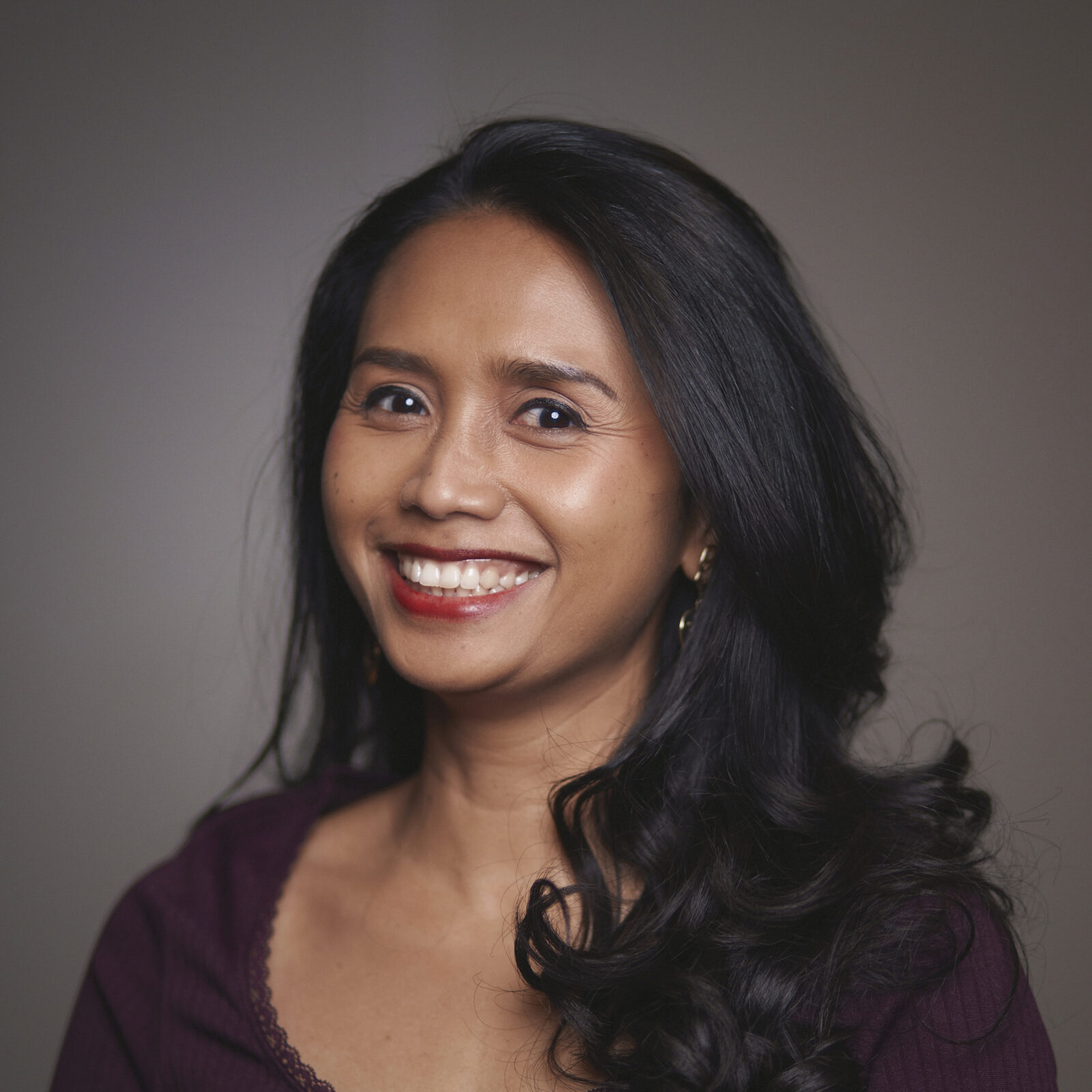 Feba Sukmana
Editor
Latest news
-

Students and staff join the Pride March: ‘We must stand up for this community’
Gepubliceerd op:-
Diversity
-
-

EM TV newsflash: Too many internationals, too many information platforms and more collaboration with the military
Gepubliceerd op:Article type: Video-
EM TV
-
-
18-year-old student dies after ‘hazing party’ in France
Gepubliceerd op:-
Student life
-


Comments
Comments are closed.
Ad
Read more in Research
-
How investment treaties undermine the voices of local communities
Gepubliceerd op:-
The PhD Defence
-
-
Why it is hard to find a connection between the psychiatric illness and the brain
Gepubliceerd op:-
The PhD Defence
-
-
Investigation into DUO fraud hunt nominated for ‘Loep’
Gepubliceerd op:-
Research
-