Ad

‘Dijkgraaf hampers refugees’ right to education’
Some young people have been living in the Netherlands for years and have even taken their final exam here. But in higher education they are faced with having to pay thousands of euros in tuition fees. They have no permanent residence permit and therefore have to pay the same rate as students from outside Europe.

Robbert Dijkgraaf, Minister of Education, Culture and Science, on a working visit to Erasmus MC.
Image by: Levien Willemse
Pull factor
Minister Dijkgraaf is maintaining that, he wrote recently to the House of Representatives. He was worried that the standard tuition fees would be “a pull factor” for refugees to the Netherlands, especially because there are a lot of English-language courses available here.
He also passed the buck for this policy to the House of Representatives, which is keen to control the influx of international students better. In the Minister’s view, that wish is at odds with a reduction in tuition fees for refugee students to the rate that Dutch students pay.
Very disappointing, according to Rian Ederveen of the national support centre for undocumented immigrants (LOS). “Students without a residence permit can continue to go to school until they are 18. That is a human right. And if they are awaiting a residence permit, having applied for asylum for instance, they can also pursue further studies.”
Barrier
But that also entails an enormous barrier: the high institutional tuition fees of thousands of euros per year for students from outside Europe. Despite those rates, a few hundred young people are pursuing higher education.
“We don’t know precisely how many there are, because they are afraid of being ‘discovered’ and deported”, says Ederveen. “They are doing everything they can to be unobtrusive. We sometimes hear only years later, when they register with us, what they had to endure and how their family had to scrimp and save in order to be able to pay the high tuition fees.”
Once they make themselves known – usually via the DreamersNL campaign, in which LOS is taking part – it is often possible to arrange lower institutional tuition fees for them. “We are now in touch with around ten institutions, mostly universities of applied sciences in the big cities, and in fact we always find a willing ear when we explain the problem.”
Not foreign students
But if youngsters without documents are unaware of Dreamers, they very often get bogged down in the procedures and are unable to pursue higher education. “We really want these young people, who are rooted in the Netherlands and many of whom opt for Dutch-language study programmes, to be allowed to pay the low tuition fees. They are not foreign students, after all.”
On Wednesday there will be a ‘two-minute debate’ in the House of Representatives with Minister Dijkgraaf about the position of refugees in education.
Lees meer
-
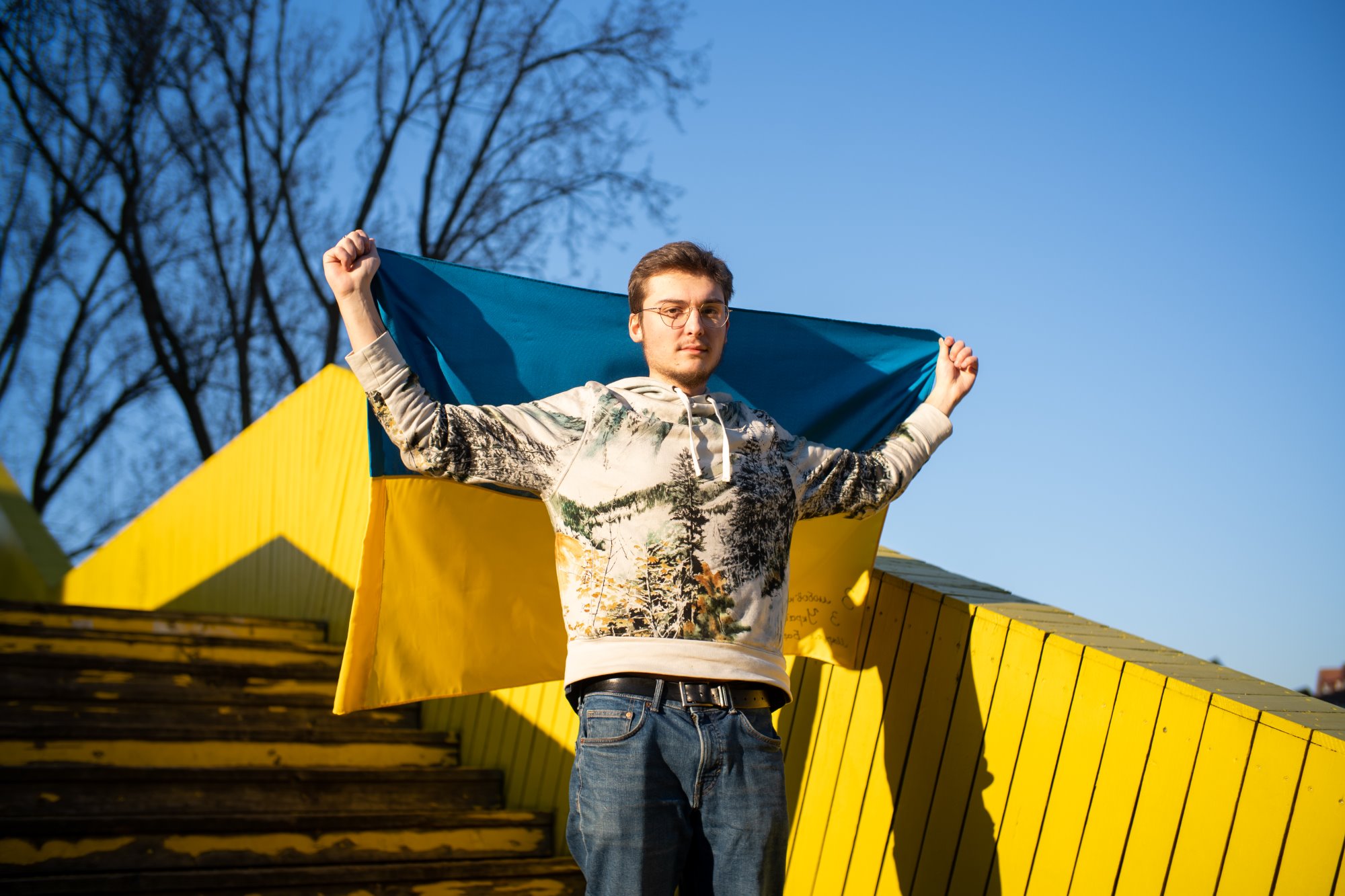
Higher education wants swift decision on students from Ukraine
Gepubliceerd op:-
Student life
-
De redactie
Latest news
-
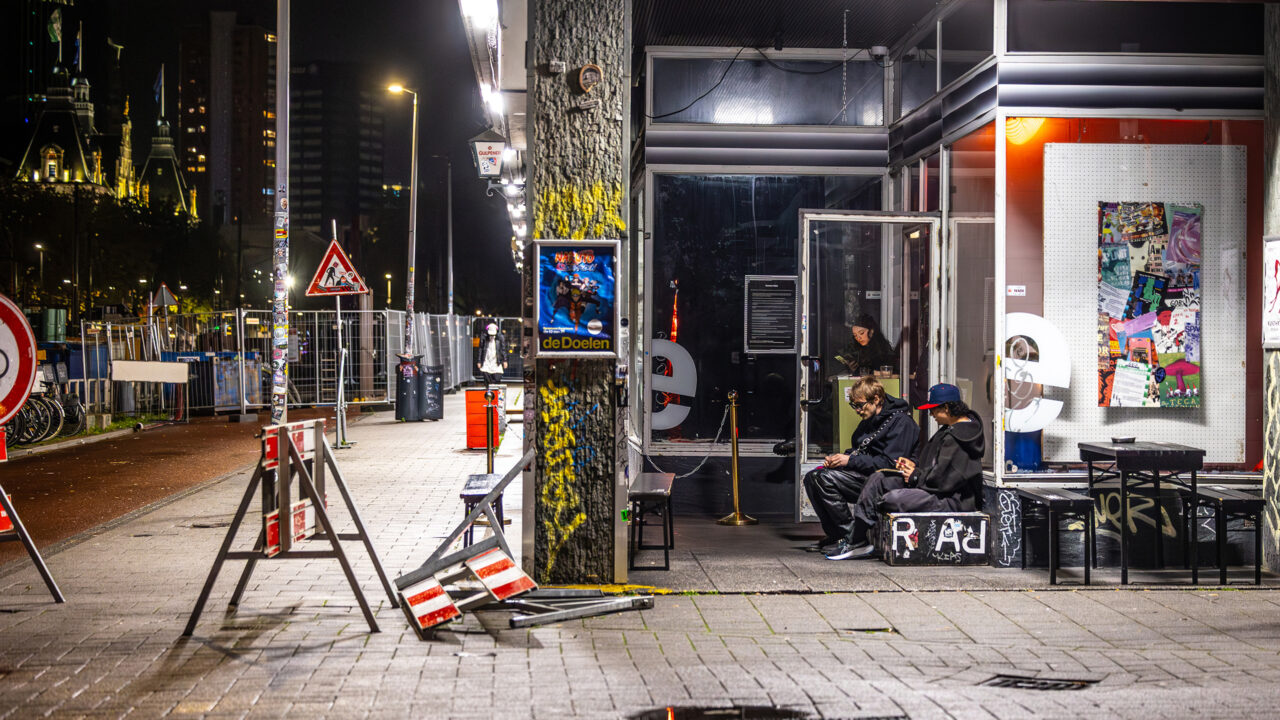
Clubs closing, expensive drinks and dancing with a matcha. How Rotterdam’s nightlife is changing
Gepubliceerd op:-
Culture
-
-
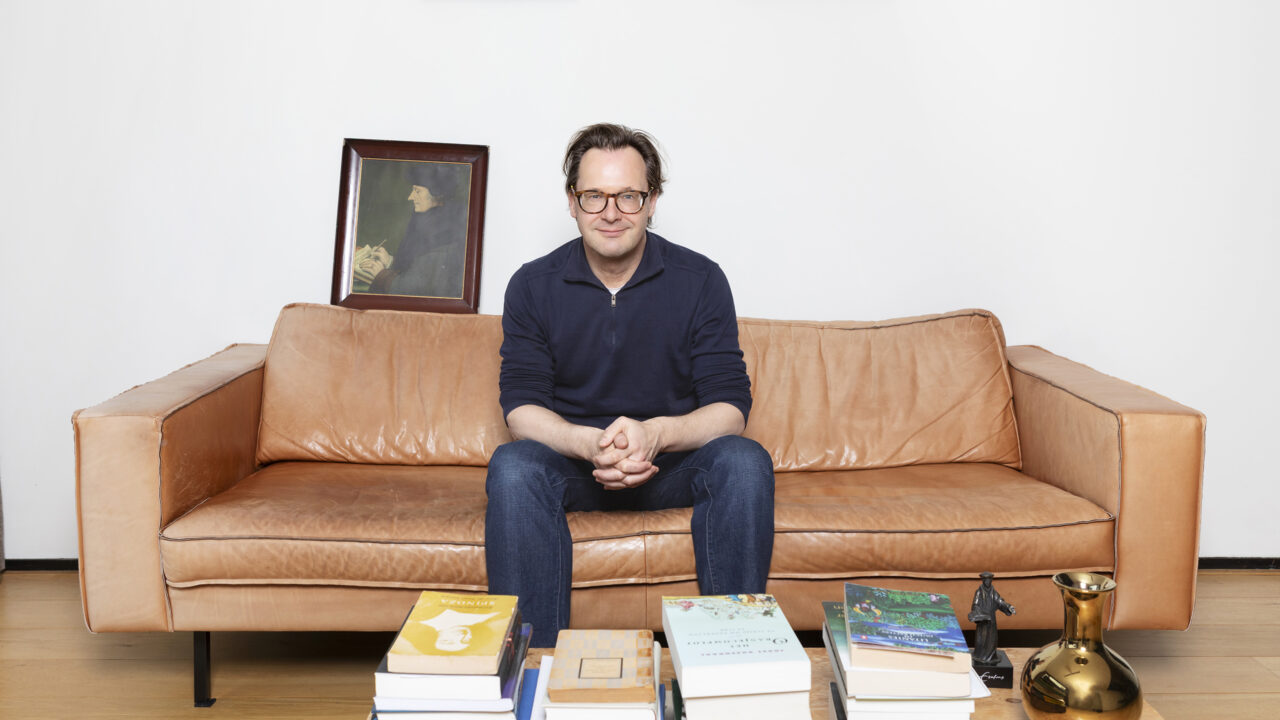
Powerhouses are like shoulder pads
Gepubliceerd op:-
Column
-
-

Seven EUR scientists receive a Vidi grant
Gepubliceerd op:-
Science
-
Comments
Comments are closed.
Ad
Read more in Money
-

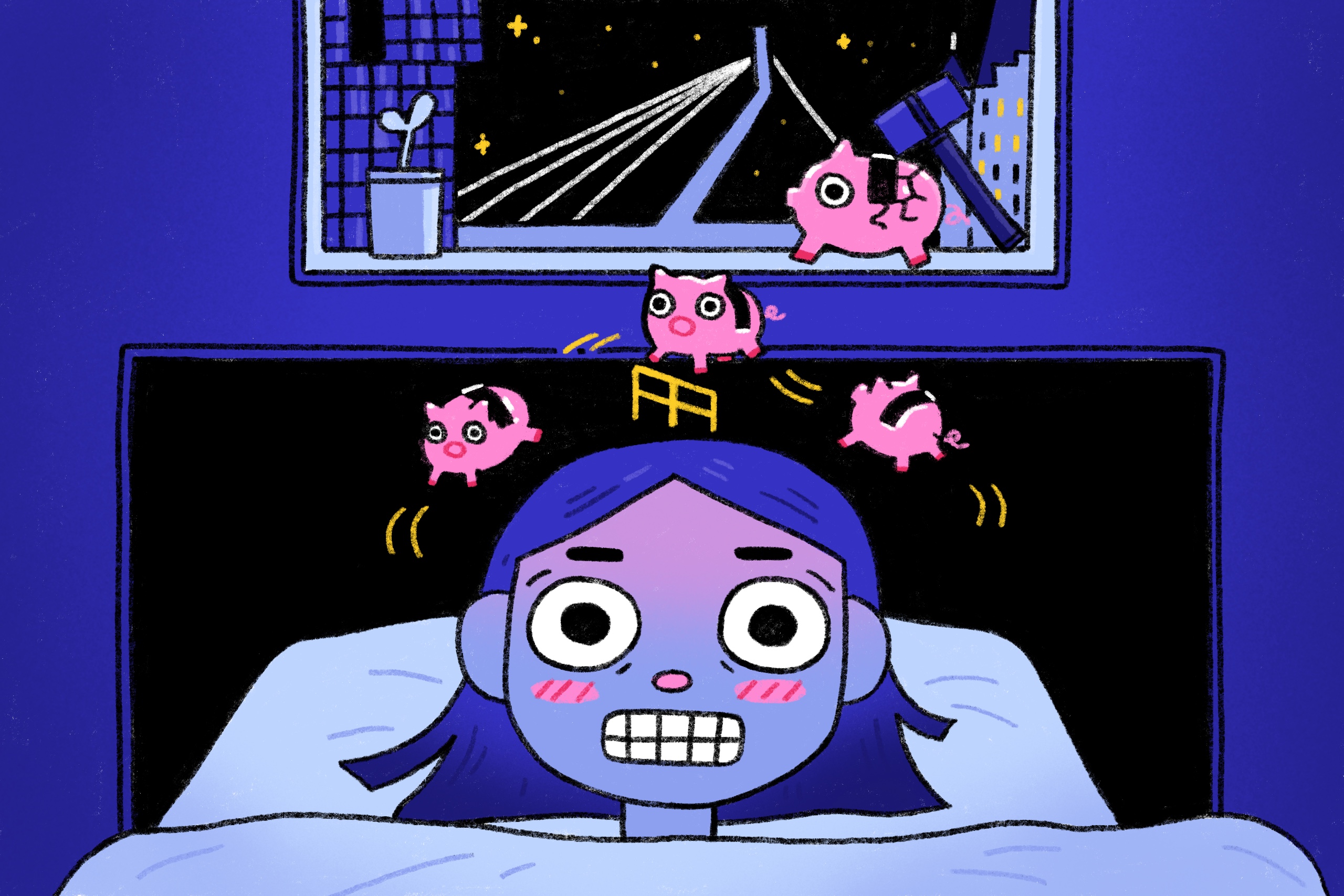
Repay your student debt in 15 years? Then interest rises to 3.28 per cent
Gepubliceerd op:-
Money
-
-
For the first time, student debt in the Netherlands falls
Gepubliceerd op:-
Money
-
-
Interest on student debt at highest level in 17 years
Gepubliceerd op:-
Money
-