Ad

Erasmus, the student grant and the value of studying
The grant was abolished in 2015 but is set to return sometime soon. It’s not often that such a radical system change is reversed so quickly, and it’s good to see students taking action to demand decent compensation.

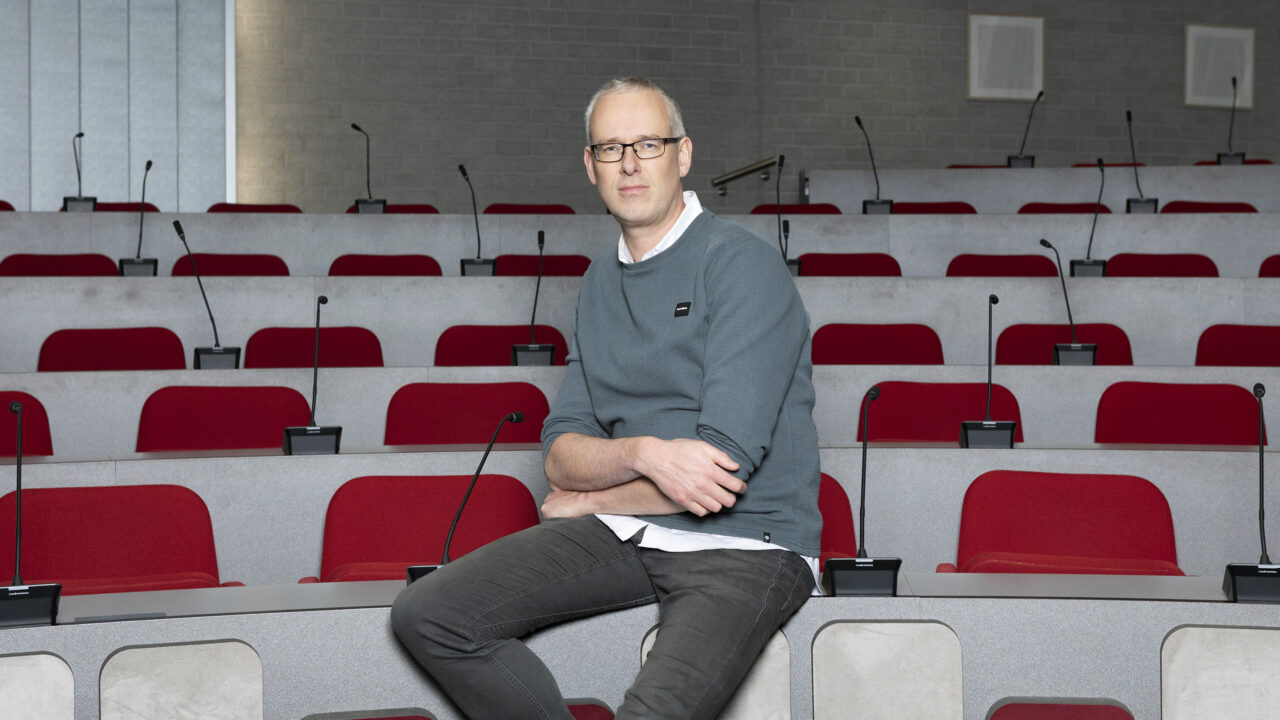
Image by: Levien Willemse, Pauline Wiersema
The debate about student funding is also special for other reasons and reveals a new political contradiction. At the time, the introduction of the student loan system was supported by political parties on the right (VVD, D66) and on the left (GroenLinks, PvdA). Similarly, there was also opposition to the system from the right (CDA, ChristenUnie) and the left (SP, PvdD). For many political followers, this revealed another distinction.
Lees meer
-
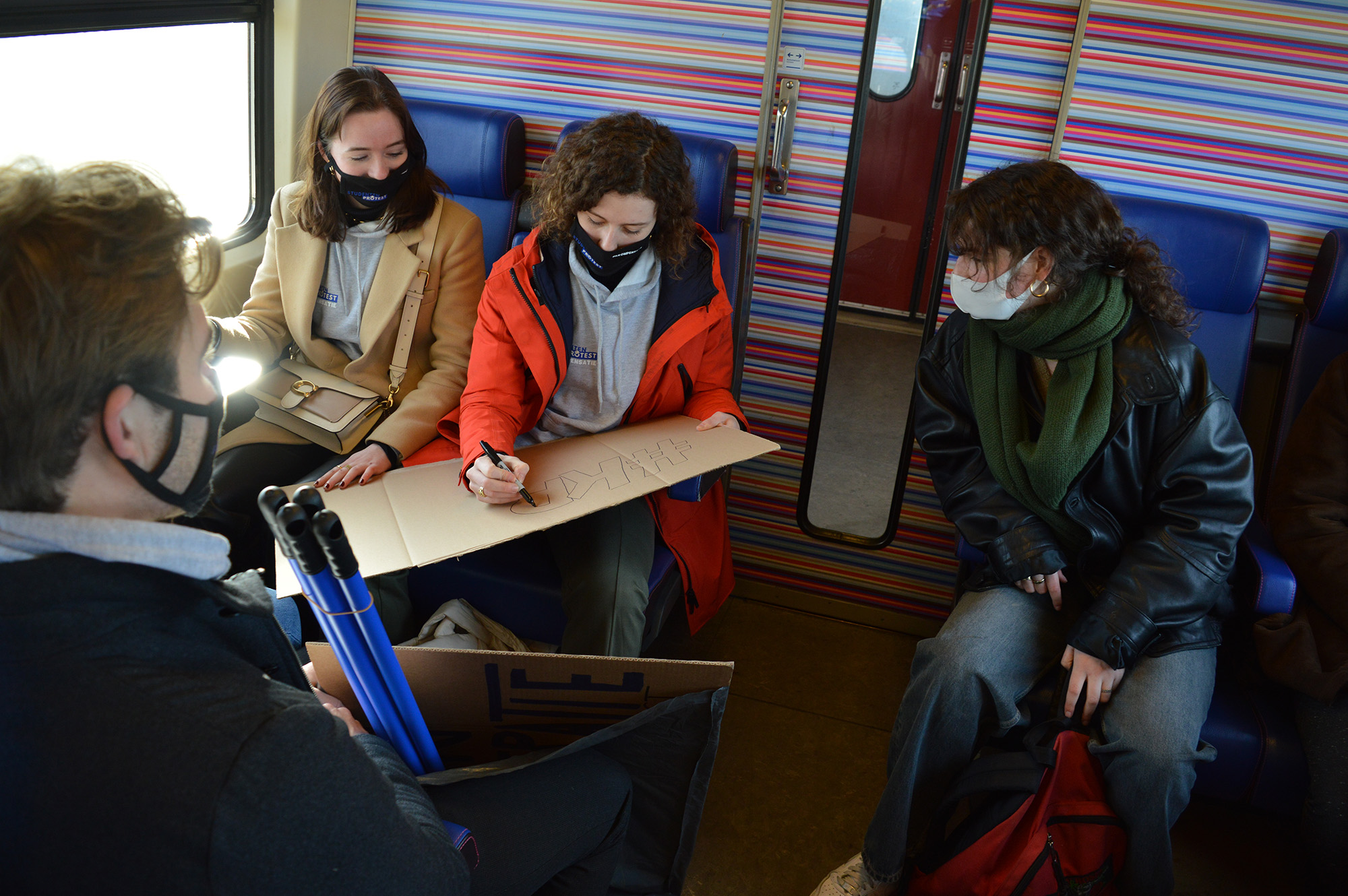
Big turnout at compensation protest: ‘Even Rotterdam students came to Amsterdam’
Gepubliceerd op:-
Student life
-
The debate about the loan system is very ideological; it’s about the image that politicians have of people and society. Is the academic education of young people a personal matter, an investment in yourself? From that perspective, it is logical that students borrow money to pay for it. Or is it primarily a responsibility of the community, an investment in our future society? In that case, it seems obvious that you give students a grant. For me, emancipation also plays an important role. For people like me – from families where no one studied – it’s a big step to borrow so much money, because you don’t yet know the value of a study. Without a grant, I would never have studied.
In 1495, Erasmus went to study in Paris – the Netherlands did not have a university at the time. The impoverished orphaned young man stayed in a boarding house for students, where he led an extremely meagre existence. With harsh punishments for minor offences and, above all, little and bad food: a hunk of bread for lunch and in the evening one slice of bread with a fried herring or two fried eggs, and one vegetable or piece of fruit. To earn money, Erasmus gave lessons to wealthier fellow students – who were also a good deal less clever than him. Later he also received a modest income from his books like In Praise of Folly (1511). Erasmus became a good example of how a poor student could become a great scholar.
The humanist Erasmus emphasised the development of each person, as he himself demonstrated throughout his life. But for this Rotterdam scholar, studying also had a social purpose. A good education taught you the value of the ‘duties of life’ (officia vitae) – we now call it ‘impact’, or the involvement that students have in society and the responsible jobs they will have in the future. We must move away from the idea that you only study for yourself. But if we ask students to contribute more to society, society will need to invest more in our students. With a grant and compensation for the current students.
Lees meer
-

The suffocating language of the consultants
Gepubliceerd op:-
Column
-
De redactie
-
 Ronald van Raak
Columnist
Latest news
-

TU Delft may not favour women in admissions to courses
Gepubliceerd op:-
Education
-
-

Hate campaigns and political pressure: KNAW wants legal protection for academic freedom
Gepubliceerd op:-
Science
-
-

Signing up for a Dutch course ‘feels like a race’, no more places available for now
Gepubliceerd op:-
Internationalisation
-

Comments
Comments are closed.
Ad
Read more in Column
-
The sad anniversary of powerless staff and students
Gepubliceerd op:-
Column
-
-

Tea, theory and a healthy dose of procrastination
Gepubliceerd op:-
Column
-
-

The drama of Jason Arday
Gepubliceerd op:-
Column
-