Ad

‘Broederliefde and the kapsalon are the cultural heritage of the future’
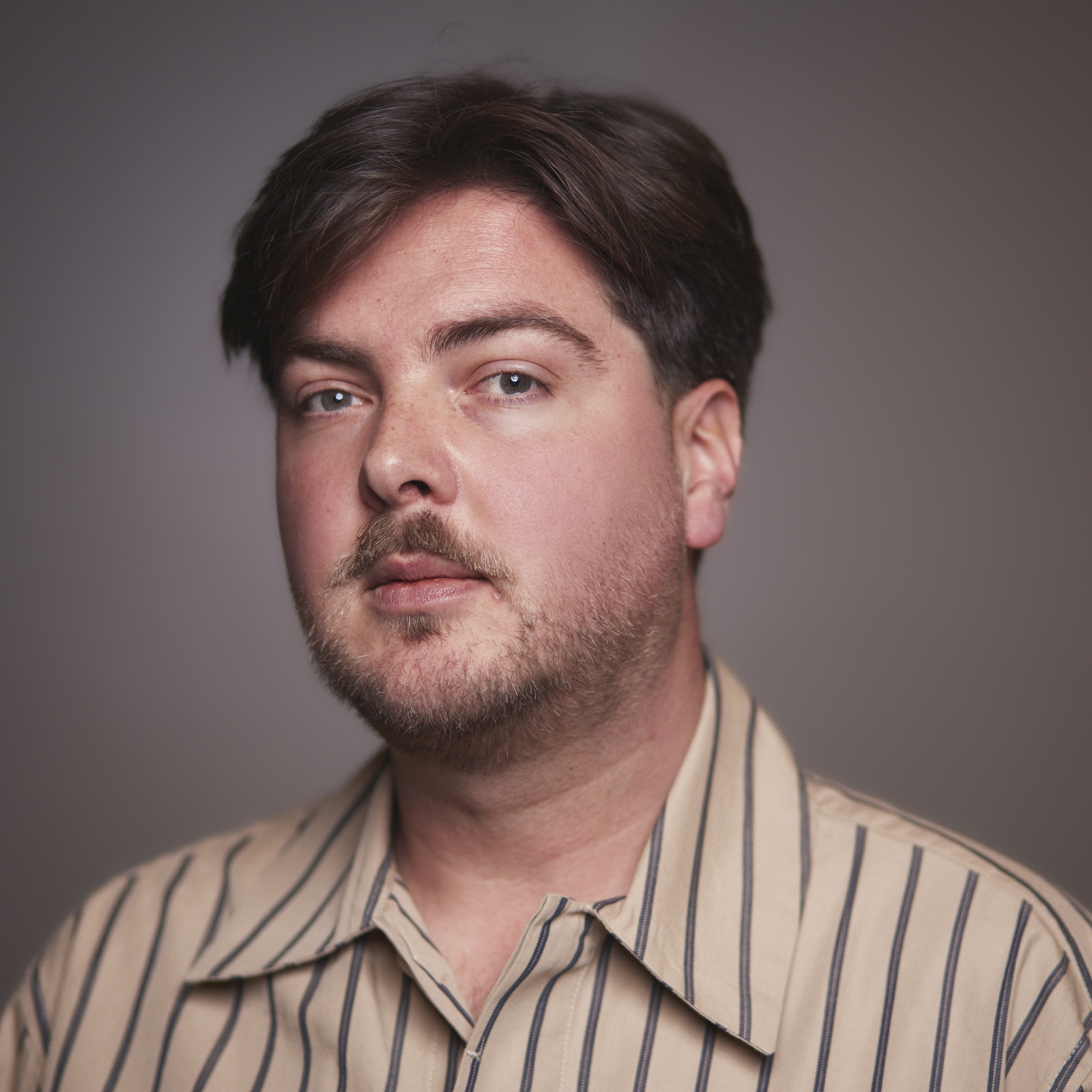
Paul van de Laar, professor of Urban History, is retiring after nearly thirty years. In his farewell lecture, he put Rotterdam on the sofa. The city is searching for a new identity but is struggling to break free from its cultural self-image as the hard-working port city.
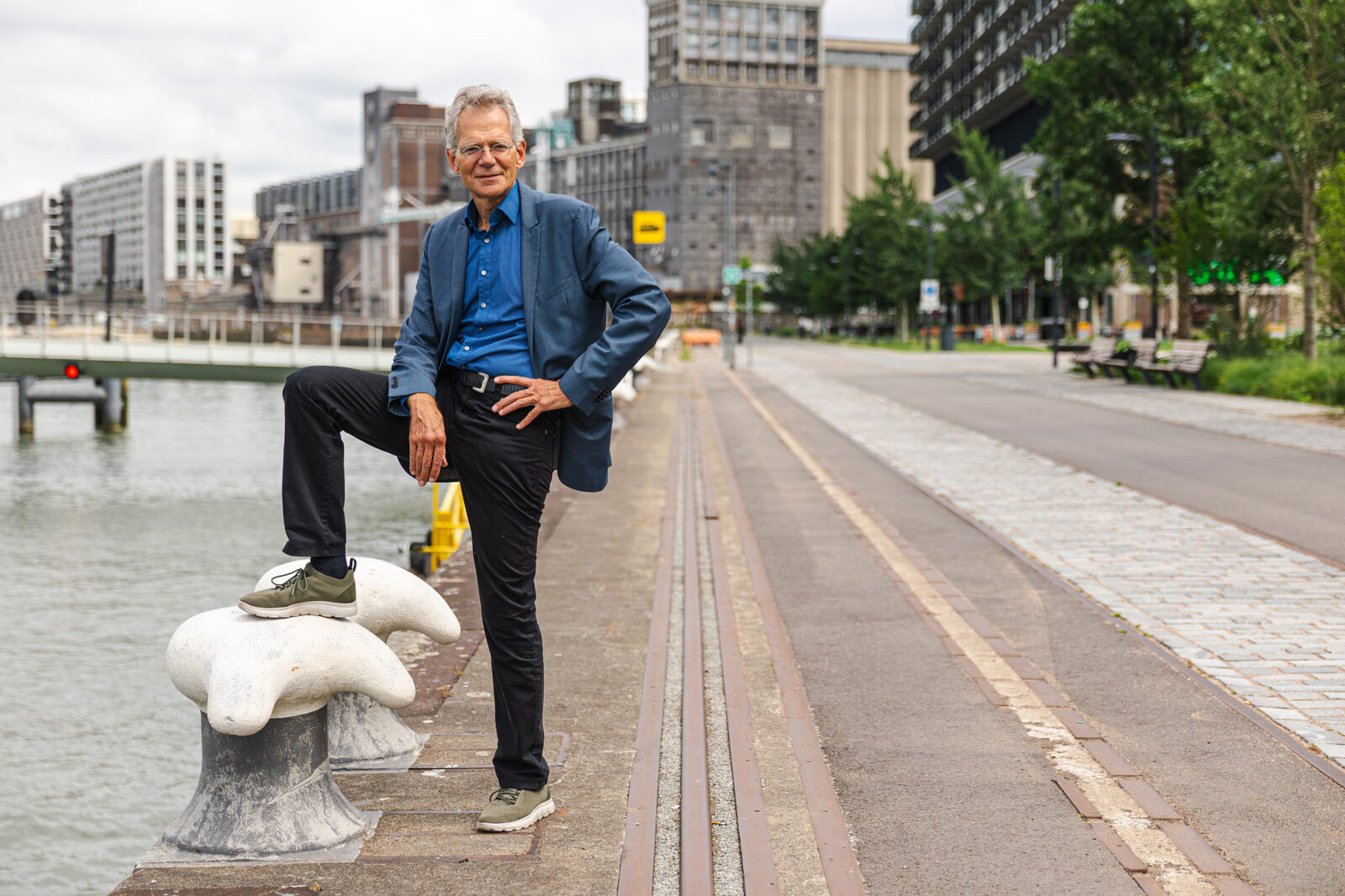
At his farewell, Paul van de Laar investigated Rotterdam’s psyche.
Image by: Pien Düthmann
“My closing rap was a hit, or so they say”, Paul van de Laar proudly emails after delivering his farewell lecture on the final Friday of May. Instead of ending with a conventional conclusion, the Professor of Urban History finished his lecture with a rap summarising the soul of Rotterdam. “Beneath the hashtag mi have een droom lies a cosmopolitan longing: a super-diverse city for everyone. But dreams – can they be engineered?”
Symbol of the new Rotterdam
A week later, in Grand Café Loos, Van de Laar explains why he chose to end his lecture with a rap. One of his PhD candidates is researching hip-hop in Rotterdam, and when he co-authored the book De echte Rotterdammer komt van buiten with Peter Scholten, he realised just how revealing hip-hop is as an expression of diversity. “Migration research is always about social factors, language, integration or values and norms. In a super-diverse city like Rotterdam, you see all those different cultures coming together in youth culture and naturally blending in the music.”
Broederliefde is a fantastic example, says Van de Laar. “The members are of Cape Verdean, Curaçaoan and Dominican descent, they sometimes wear djellabas simply because they are comfortable, and their music contains all sorts of cultural influences.”
The rap group broke records in 2016 with the album Hard Work Pays Off 2 and won an MTV Award. The single ‘Jungle’ became a massive hit and the most-streamed track on Spotify. That year, Broederliefde seemed to be playing from every window in Rotterdam, whether it was a student room in Kralingen or a car on West-Kruiskade. “In academia, hip-hop is often not regarded as culture, but in Rotterdam it certainly is.”
Hip-hop connects and blends cultures. “Rotterdam is not just De Doelen, the Rotterdam Philharmonic Orchestra or the port barons. Think of the portrait of Winne at Kruisplein too. These are symbols of the new Rotterdam.”
Kapsalon index
After almost thirty years as Rotterdam’s urban historian, Van de Laar has retired as professor emeritus. As a farewell gift, colleagues presented him with a portrait by Nathan van der Veer, who is known for drawing portraits of both famous and lesser-known Rotterdammers. It will hang in his study, “because there’s no room left in the living room next to the portrait of my wife”.
‘Perhaps we need a kapsalon index that is taken into account when redesigning the city’
In the illustration, Van de Laar is surrounded by symbols and objects referring to his career, with a large kapsalon prominently at the centre.
In 2011, Van de Laar gave a Studium Generale lecture on the socio-cultural significance of the kapsalon and afterwards was regularly contacted by the media to comment on the popular snack. “Every now and then someone in Amsterdam would claim they had invented the kapsalon and I would have to respond”, he says with a laugh. But the research was serious, he insists. “There is hardly any social hierarchy in snacking. Everyone eats a bitterbal now and then. The threshold for starting a snack bar is low for entrepreneurs.” The kapsalon is also an example of cultures blending in a super-diverse city. The snack has become part of Rotterdam’s identity. “Broederliefde and the kapsalon are the cultural heritage of the future.”
Its widespread presence in Rotterdam’s streets also creates challenges for medical professionals, politicians and urban planners. “It’s a serious public health issue. There are 25 snack bars within less than a kilometre on Schiedamseweg in Delfshaven. Perhaps we need a kapsalon index that is taken into account when redesigning the city.”
Generalist
Van de Laar was born in Amsterdam, went to school in Utrecht and came to Rotterdam to study Social History. After secondary school, he first worked in an administrative role at Douwe Egberts. “I didn’t know what I wanted to study because I found everything interesting: economics, law, sociology, politics, history. But university colleges didn’t exist yet.” Although he promised his manager that he would complete the company’s internal accountancy training, he chose Social History instead. “It had a specialisation in History and Communication, and I found public relations and information services interesting.”
After graduating, he did not go into communications but chose business history instead, moving from research into maritime finance and the port to urban history. “It was seen a bit as a hobby field. It also sounds rather dusty, so I like to call it science fiction of the urban past.” He always remained a generalist. “That’s the beauty of urban history: I look at different subjects from a range of disciplines. Whether it’s hip-hop, the kapsalon or the role of the port.”
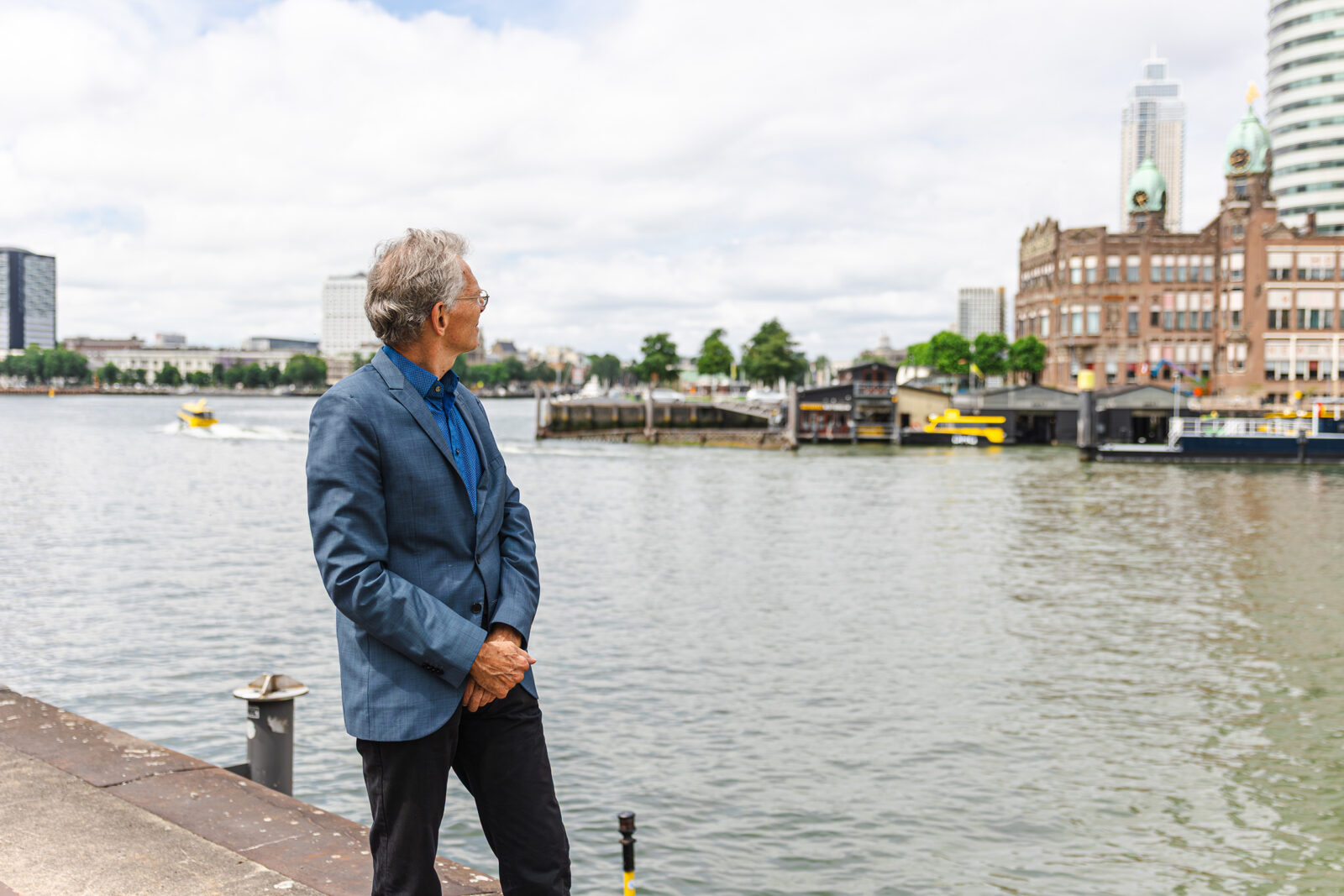
For nearly thirty years, Van de Laar was the urban historian for Rotterdam: “I think it is an incredible city, but it is also my job to hold up a mirror.”
Image by: Pien Düthmann
Rotterdam clichés
The port plays a major role in Rotterdam’s collective psyche, Van de Laar argues in his farewell lecture. At the end of the nineteenth century, the image of the Transitopolis emerged. Rotterdam as a transit port shaped the city’s appearance, economic model and cultural self-image. That was when the clichés of the working city, rolled-up sleeves and ‘actions, not words’ came into being. The drive for modernisation during post-war reconstruction also fits the logic of the Transitopolis, and Van de Laar suspects that Rotterdam would have transformed into a city of transport even without the economic depression of the 1930s.
A century later, around 1970, that image began to shift. “New generations became increasingly critical of the port.” There were growing calls to preserve old neighbourhoods. Rotterdam had to become an attractive place to live, a cultural city, a hedonistic city lounge.
Race to the bottom
At the same time, the port became increasingly detached from the city, both physically – as it moved further towards the sea to accommodate ever larger oil tankers and container ships – and economically. “The municipality is still the major shareholder in the Port of Rotterdam Authority, but the real decisions are made elsewhere”, says Van de Laar. “The largest container terminal operator is a Chinese conglomerate headquartered in Hong Kong. Shell may be Dutch, but decisions are made in the United Kingdom. Rotterdam is no longer in control of its port.”
He argues for a radically different vision for the port, developed together with other major ports in Western Europe. “Create an economically and ecologically sustainable model together with Antwerp, Hamburg and Bremen. European ports are currently being played off against one another by major global players. Chinese companies say: oh, you don’t want to dredge the Elbe any further? Then we’ll just go to Rotterdam. Ships keep getting bigger, which means more dredging, putting enormous pressure on the landscape.” It is an unsustainable race to the bottom with enormous ecological consequences. “Without a shared vision for a sustainable future for Europe’s ports, it will never end. Perhaps a smart port should also be a small port.”
‘Do you think people in fourteenth-century Florence said to each other: how does it feel to be living through the Renaissance?’
He is sceptical about the port’s sustainability ambitions. “When businesses loudly proclaim that we are in the middle of a transition, you should be sceptical. They are stakeholders with their own interests. Do you think people in fourteenth-century Florence said to each other: how does it feel to be living through the Renaissance? No, you only know that afterwards.” Van de Laar calls them ‘Gattopardo transitions’: everything has to change so that everything stays the same. “Pernis has to become greener so that Rotterdam can remain the region’s leading energy hub and transit port.”
Although Rotterdam is trying to find a new identity, the port continues to dominate its imagery, he says. “That narrative of the working city is so dominant: ‘Here beats the city’s heart.’ Metaphors rooted in the port are still being used. Even the image of a city constantly reinventing itself is a legacy of the Transitopolis.”
Experimental drive
Van de Laar’s broad interests also took him into the museum world. In 2001, he became Head of Collections at Museum Rotterdam, then still known as the Historical Museum Rotterdam, and from 2013 to 2020 he served as its director. Museum Rotterdam provided a welcome contrast to academia. “To succeed, academics have become increasingly specialised. I was able to focus much more on publications for the general public, heritage research and creating experimental exhibitions.”
He is still immensely proud of his first exhibition on the history of the city. Visitors were guided entirely by computer through the exhibition using images and music. “But perhaps I was ahead of my time, because it was 2003. Someone wrote in the visitors’ book: which idiot came up with this?” That experimental spirit has always been part of him, he says. “If you design an exhibition for people with a museum pass, you go for predictability and there is no innovation. I’m certain we would have won an award for the most innovative urban history exhibition if we had been able to stage it in a larger venue.”
Harsh words
His time as director of Museum Rotterdam ended less happily. After several years without a permanent location, the museum moved, more or less by necessity, into the newly opened Timmerhuis. “It wasn’t suitable for holding exhibitions, but we were a pop-up museum, so in the end you choose a permanent location.” Visitor numbers were disappointing, and in 2020 the Rotterdam Council for Art and Culture issued a painful recommendation: the museum should close.
'As a director, you stick your neck out, so you know it might get chopped off'
The recommendation came with harsh words. The museum was said to lack a coherent vision. “Museum Rotterdam, as it is now, under its current name: we’re done with it”, Council chair Jacob van der Goot told NRC. “I believe we had fantastic ideas”, says Van de Laar. “It’s just that we had ambitions that the municipality could not or would not support.”
The harsh criticism itself did not affect him that much, he says. “I understand that it served a purpose: if funding stops and a museum has to close, it’s important that this is made clear. And as a director, you stick your neck out, so you know it might get chopped off.” What did cause sleepless nights was: “Knowing that staff were losing their jobs because the museum had to close. That really stays with you.”
Sweet shop owner
Grand Café Loos is next to Veerhaven, at the end of Parklaan. Van de Laar wanted to meet there because of the sculpture group featuring busts of prominent Rotterdammers. “Everyone always comes up with the same list: Van Rijckevorsel, Mees, Hoboken, Van Beuningen.” Those four gentlemen all have a place in the sculpture group, but Van de Laar, who served on the committee, is especially pleased with number five: Louis Jamin.
“For Rotterdam’s upper classes, Jamin is still a bit of a parvenu. A sweet shop owner!” Yet he is important to Rotterdam, Van de Laar argues. “Everyone in the Netherlands knows Jamin’s sweet shops. To me, Jamin symbolises Rotterdam as the country’s second city. We’re second but try harder. I think Rotterdam is an incredible city, but it is also my job to hold up a mirror.”
Read more
-
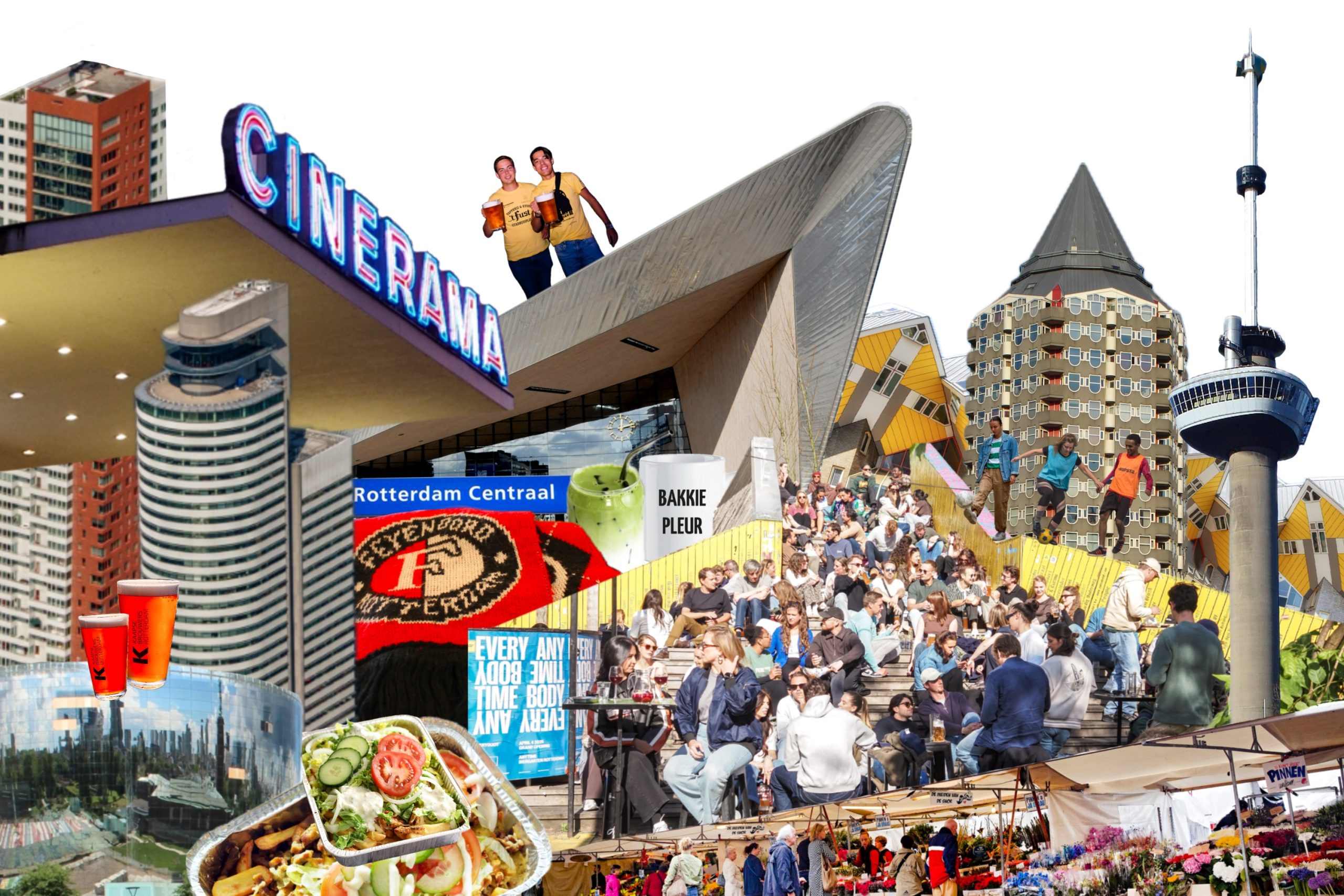
Is the whole world your homeland? This is how Rotterdam becomes your home
Gepubliceerd op:-
Student life
-
De redactie
-
 Tim Ficheroux
Desk editor
Comments
Comments are closed.
Ad
Read more in Staff
-
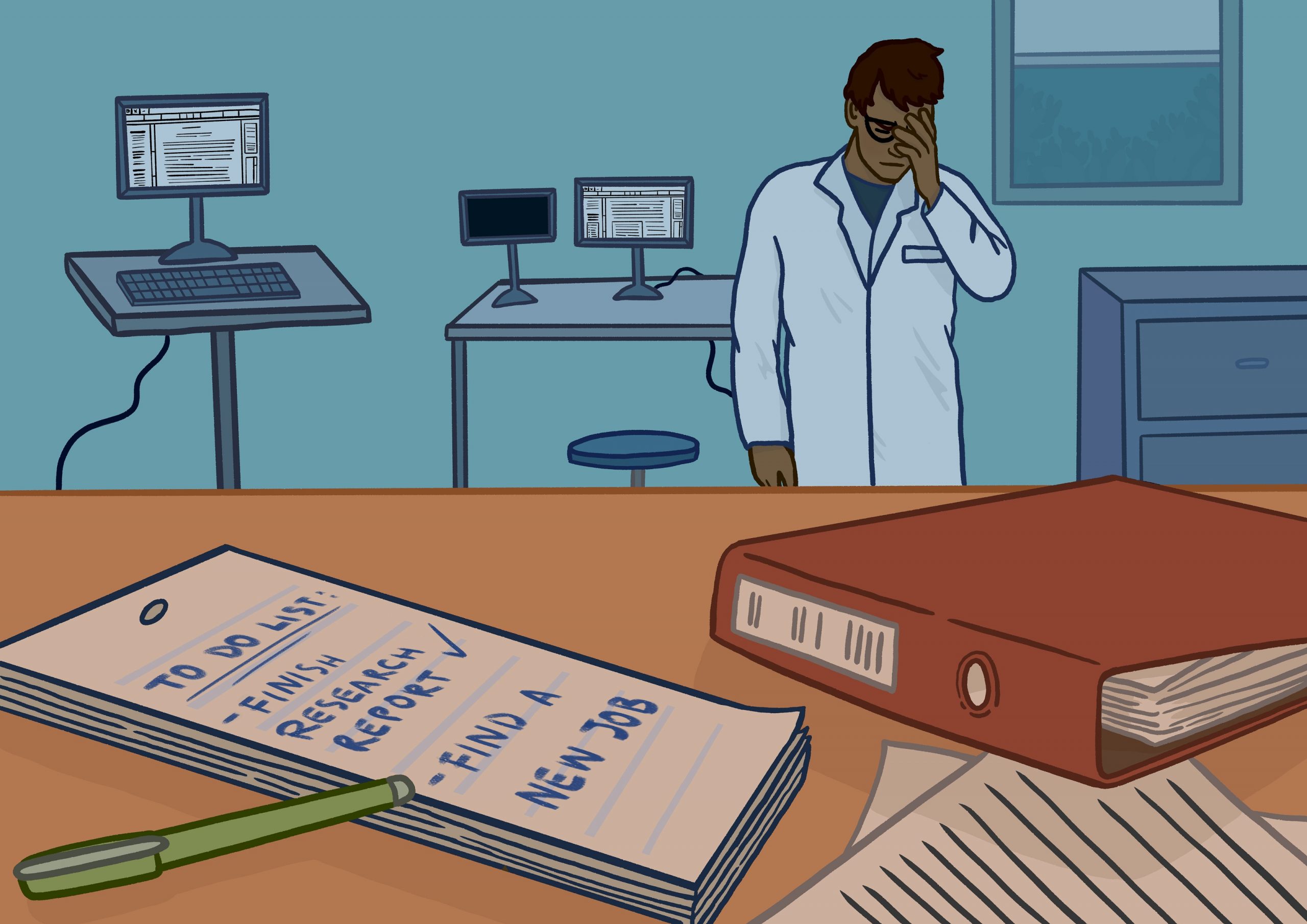
University receives four warnings from Labour Inspectorate
Gepubliceerd op:-
Staff
-
-

Data of 22 EUR travellers leaked through bookings made via DGI Travel
Gepubliceerd op:-
Staff
-