Ad

Once you have found what suits you, things fall into place, says Lenya Slierendrecht
Books tell stories. Based on a book that inspires them, EUR employees tell about their lives.
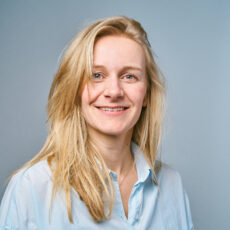
When Lenya Slierendrecht started working for Studium Generale she realised there is a job that suits her. Years earlier something similar had happened with reading. After years of cheating with summaries for the required literature at secondary school, Slaughterhouse-Five by Kurt Vonnegut taught her that reading can be enjoyable. “You need to know which genre suits you.”
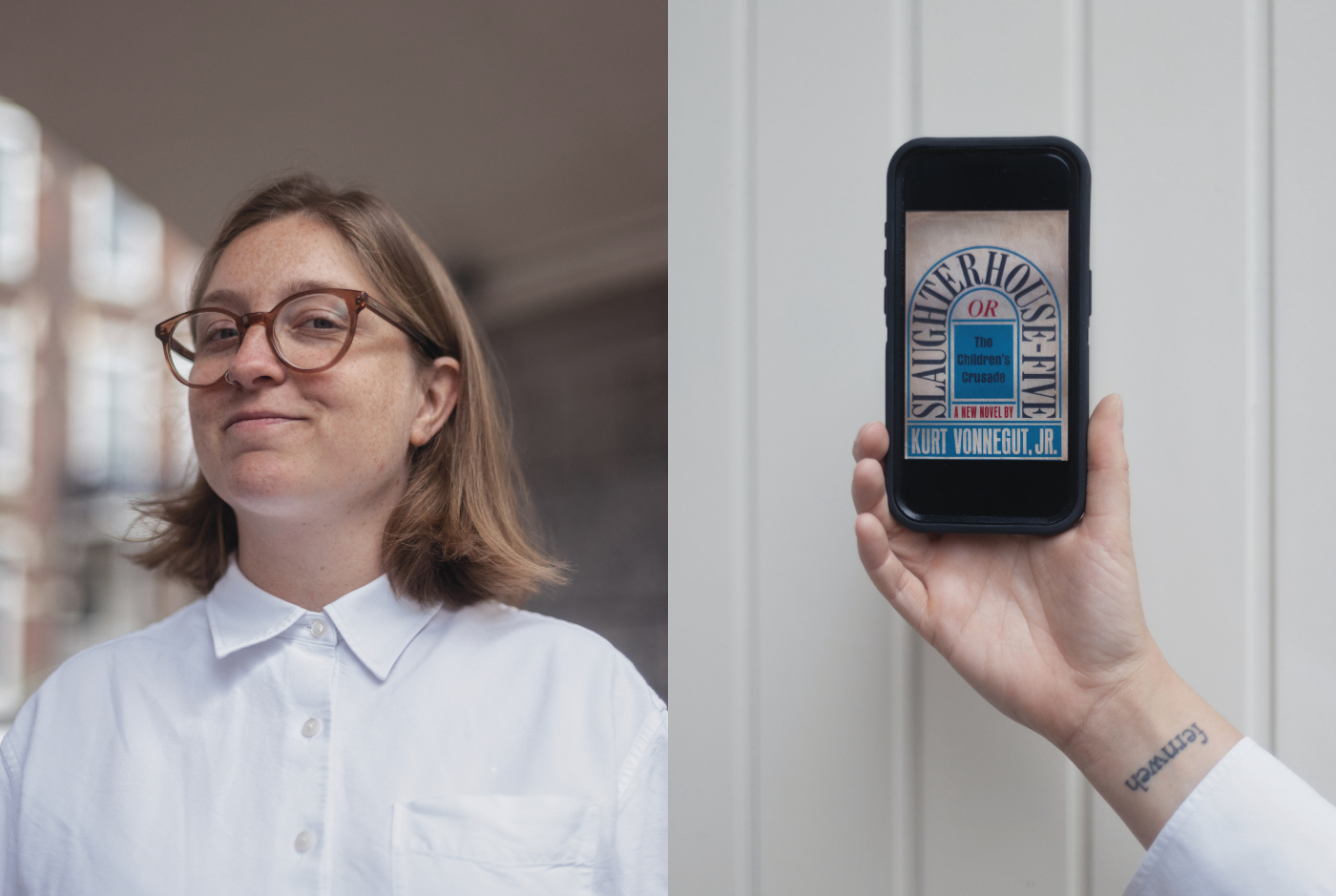
Image by: Leroy Verbeet
Lenya Slierendrecht likes organising things. At Studium Generale she and her colleagues arrange lectures, debates, film nights and other cultural events. It was a job she did not know existed until she got it seven years ago. At secondary school she sat on the party committee and organised the school ball, the DJs, the tickets. “That was so normal that I didn’t realise it was a skill”, she says. “Only when I started working at Studium Generale did I realise I am a facilitator.”
Lenya Slierendrecht is science programme maker for Studium Generale. She studied General Cultural Studies at the University of Amsterdam. At the EUR she completed the master’s Arts, Culture and Society.
After studying General Cultural Studies Slierendrecht worked briefly in the museum world. As an assistant curator she spent a year researching an artist in the run-up to an exhibition. She began enthusiastically but quickly lost interest. “I don’t have the staying power”, she suspects. Now she has a number of events under her remit, many contacts, and, she says, can both think and run around. “What I do now comes naturally to me. This job suits me.”
Advice from the bookshop
Alongside her job at Studium Generale she worked for years at the vanGennep bookshop on the Oude Binnenweg. She met the former owner at a book launch by Alex Boogers and the two became friends. The shop needed some extra help in December; the period when many people buy books. Often as presents. But Slierendrecht’s favourite customers were the people who weren’t reading at the moment and wanted to start again. Then she could search for something that matched their frame of reference. Her motto: “Choose an accessible book. You really don’t have to start with Kafka straight away.”
At secondary school Slierendrecht herself often read the summaries for the required books on the list. “The Vanishing by Tim Krabbé didn’t spark any interest”, she says now. Besides that, she became somewhat rebellious about all the rules and conditions placed on reading at school. She was interested in culture: she visited museums and concerts, but with summaries and film reports she manoeuvred herself around the list’s white-male literature.
The big world captured in a book
Only at the end of her time at secondary school, when she read Slaughterhouse-Five by Kurt Vonnegut, did something click that made her start reading. She has never reread it, ‘but it made a deep impression’. An American soldier relives the bombing of Dresden during the Second World War and the question arises whether he is going mad or not. For Slierendrecht the book says something both about the protagonist and about large meta-themes. Since then she rarely reads books that only deal with someone’s personal experience, a love affair or a friendship. “It also has to be about the world we live in.”
Lots of books say something about the world. Slierendrecht knows that too. So when someone came into the bookshop asking for advice and insisting a book had to be about the world, she wanted to know the last book that had genuinely excited them. “To keep up with what’s available I also listened to a lot of audiobooks. I often recommended something that wasn’t too flowery; a writer who writes what they mean. Alex Boogers, for example, or Lize Spit. The owner knew when I’d worked by the books she had to reorder.”
Relieved of any role
Now she no longer works in the bookshop, Slierendrecht listens less to books but still reads regularly. At the time of speaking she is about to go on holiday to Mexico. It will be an active holiday so there won’t be much time for reading, but she is taking a book. A thick one: Freedom by Jonathan Franzen. She doesn’t miss the newest books, but on holiday she has the freedom to read entirely what she enjoys. On holiday she doesn’t have to facilitate anyone.
Reading behaviour
Last book read: Freedom by Jonathan Franzen
Number of books per year: 20
Main motivation: Relaxation
Favourite genre: “Fiction. I only read fiction. At home we have bookcases with different sections: fiction, art books, poetry, children’s books – while we don’t have children – and non-fiction. The latter is for my boyfriend.”
Een lijst met artikelen
-
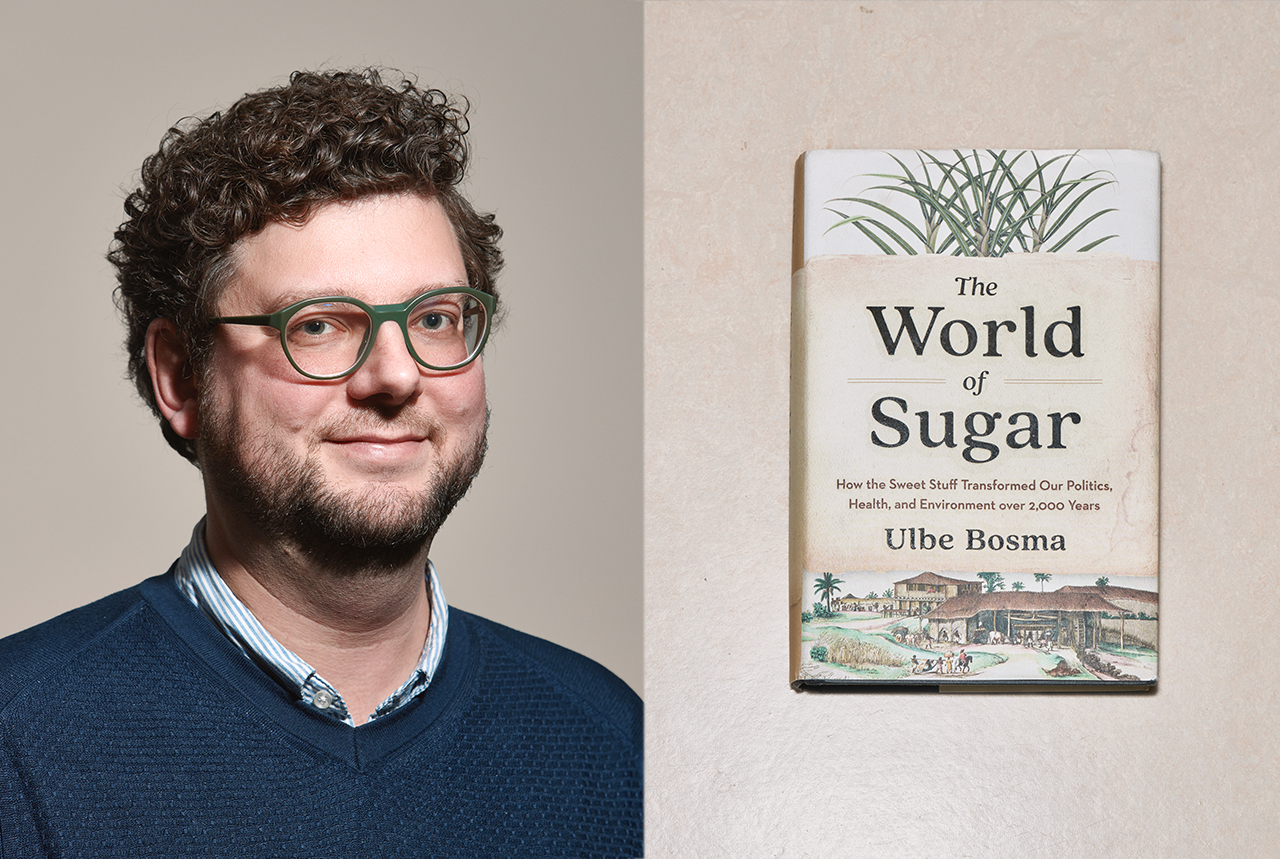
Why economist Bram Wouterse wants to break the power of the sugar industry
Gepubliceerd op:-
Page-turners
-
De redactie
-
 Maartje Braam
Editor
Comments
Comments are closed.
Ad
Read more in Page-turners
-
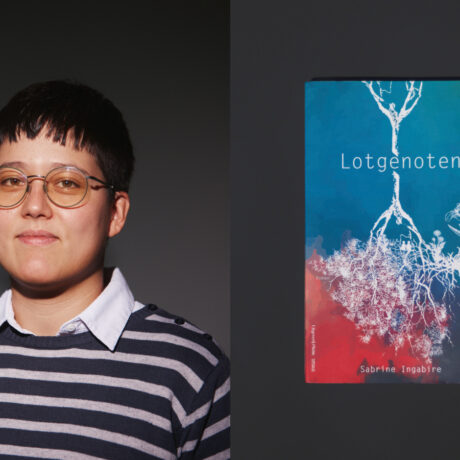
Kindred spirits are closer than you think, Lara Fizaine knows
Gepubliceerd op:-
Page-turners
-
-
Feeling and thinking must go together, Paul van Geest knows
Gepubliceerd op:-
Page-turners
-
-
Fantasy and down-to-earth thinking go well together, knows Joost Oude Groeniger
Gepubliceerd op:-
Page-turners
-