Ad

University takes measures after report on combating antisemitism

After a report showing that Jewish students and staff feel unsafe at universities, universities are taking measures. In Rotterdam, for example, confidential counsellors receive training to recognise discrimination and reports related to geopolitical tensions will be recorded separately.
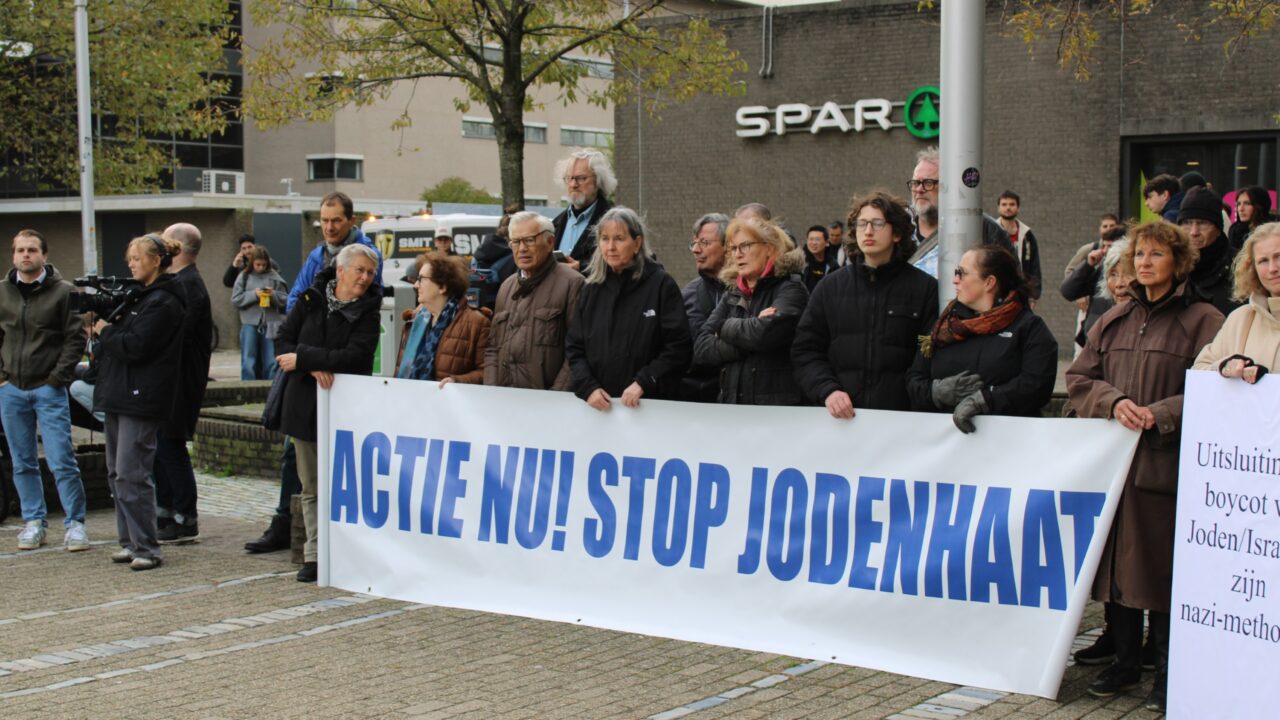
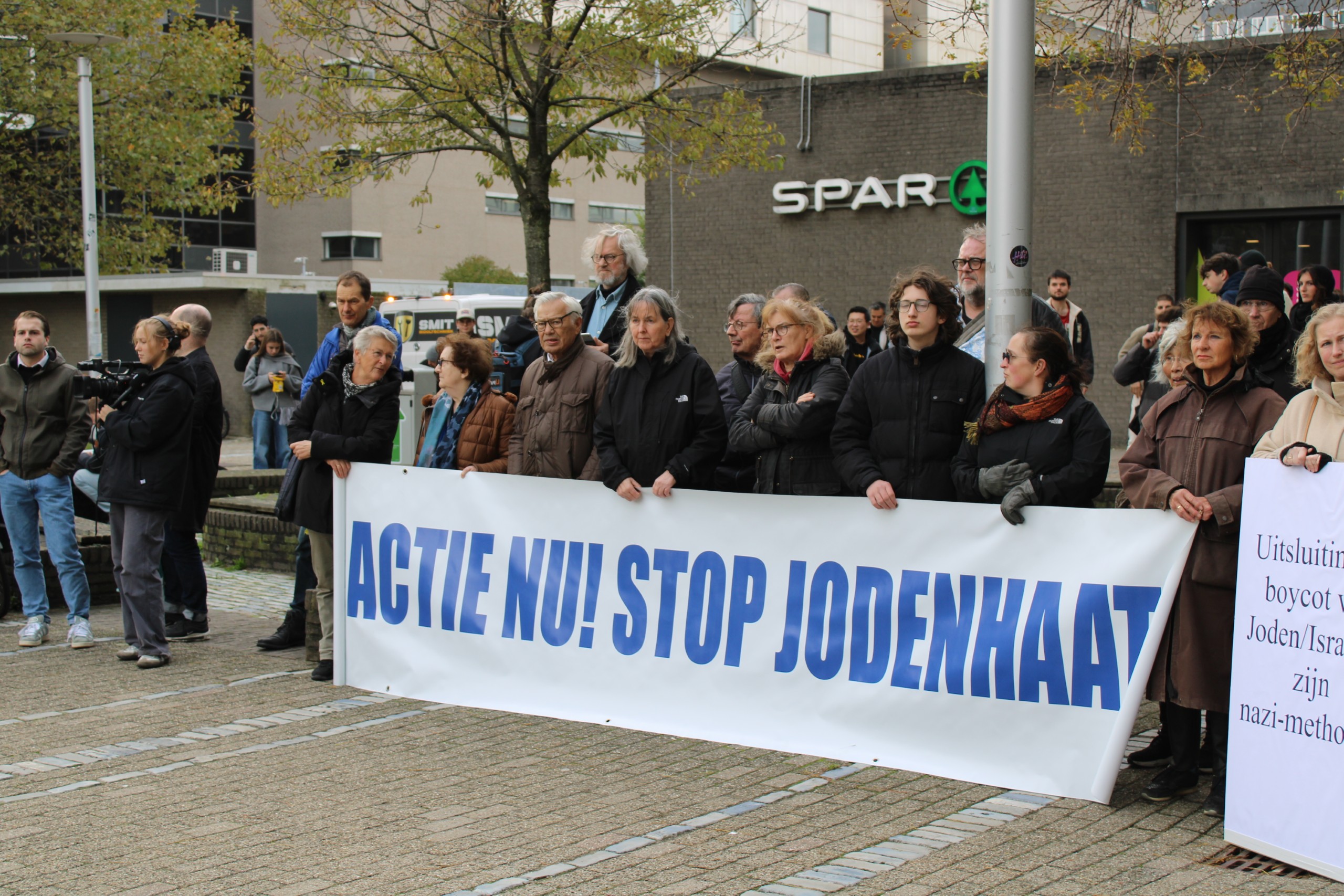
Image by: Esther Dijkstra
A report from the Taskforce on Combating Antisemitism concluded earlier this year that many Jewish students and staff feel unsafe at universities. The taskforce was appointed because of the protests at higher education institutions and train stations in response to the war in Gaza.
Exclusion, bullying and intimidation
Jewish students and staff are worried about their safety and feel intimidated on campus, the report stated. They are actively questioned by fellow students or colleagues about their stance on Israel and Gaza or are told they are not welcome at the institution unless they publicly condemn Israel. They experience exclusion, bullying and intimidation.
As a result, Jewish students and staff conceal their identity. Jewish students avoid the campus during protests, stop attending classes or even drop out. The Taskforce spoke to staff who were unable to work or who had ended up in a labour dispute with their employer, because in their view the institution is doing too little about the unsafe working climate.
Support for Jewish students and staff
Higher education institutions should, according to the Taskforce, more often stand up for Jewish students and staff, strengthen social safety and tackle crossing-the-line behaviour more actively, and address insecurity caused by protest actions.
The cabinet announced earlier this month that an additional 350,000 euros will be made available to support Jewish students and staff. That money will go to Jewish (student) organisations that strengthen the ‘social infrastructure’ of Jewish students and staff, according to the accompanying letter from the ministers of Justice and Security and Education, Culture and Science.
‘Does not belong at the university’
For rector magnificus Jantine Schuit the signs that Jewish students and staff feel unsafe are not new. “But the stories affect me every time”, she writes in response to questions from EM. “If people wonder whether they can make their background visible on our campus, that’s a sign that we must remain attentive. Antisemitism and all other forms of exclusion, discrimination and incitement to hatred do not belong at our university.”
Schuit is the administrative lead on social safety on behalf of all Dutch universities. In that capacity she is responsible for coordination between the institutions and contact with the minister of Education. The university boards replied earlier this month in a letter to the minister on the report from the Taskforce on Combating Antisemitism, in which they set out how they deal with insecurity and antisemitism on campuses.
Intervening during demonstrations
Many of the recommendations are already part of Erasmus University’s approach, a spokesperson says, such as intervening in unsafe or offensive situations during demonstrations. For example, security had a banner with Death to Israel removed last year and the police intervened over an antisemitic chalk drawing. The university also says it always reports suspected criminal offences to the police. That happened, for example, in the case of vandalism and graffiti during a pro-Palestine demonstration two years ago.
Another recommendation is that university leaders should speak out publicly more often when moral boundaries are crossed. The Executive Board did so when a student carrying an Israeli flag on campus was chased by pro-Palestine demonstrators in 2024: “Everyone may stand up for their opinion, so waving the Israeli flag must be just as possible as waving the Palestinian flag.” Or when a demonstration took place to demand the dismissal of a professor because of online statements about Gaza: “The safety of our staff and students is paramount. A demonstration aimed at an individual endangers that safety and does not contribute to the conversation we want to have as a university.”
New house rules for demonstrations on campus are now being developed. The University Council is critical of those, because the proposed regulations would restrict the right to demonstrate.
The university also assesses external speakers in advance. An application for an event with external speakers must be submitted six weeks in advance. Among other things, safety advisers look at security risks and whether the speaker and the event meet democratic, academic and Erasmian values.
New measures
A number of new measures are also being introduced in Rotterdam. The university’s confidential advisers will receive extra training to recognise and address discrimination, including antisemitism. Reports received through the central reporting point for unwanted behaviour Safe@EUR that relate to geopolitical tensions will be recorded separately. The spokesperson adds that antisemitism is not registered as a separate category, because all forms of discrimination are unacceptable. And in the annual student well-being survey this year questions about discrimination on the basis of religion are being asked for the first time. That is already included in the staff survey. In this way the university hopes to gain more insight into what is going on.
Whether more measures will be taken is not yet clear. Various departments within the university, such as the IDEA Centre, Integrated Safety, HR and Student Welfare, are working on the issue and will speak with Jewish students and staff about this topic.
Schuit emphasises that measures alone are not enough. “We ultimately create an inclusive campus together, there everyone within our community contributes to that.”
On Tuesday evening the House of Representatives will debate antisemitism.
Een lijst met artikelen
-
Taskforce: Higher education must stand up for Jewish students and staff
Gepubliceerd op:-
Campus
-
De redactie
-
 Tim Ficheroux
Desk editor
Comments
Comments are closed.
Ad
Read more in Safety
-
Significantly more reports to confidential counsellors, more complex cases as well
Gepubliceerd op:-
Safety
-
-
Staff and students do not feel safe enough to report concerns, Executive Board shocked
Gepubliceerd op:-
Safety
-
-
Combating antisemitism: ‘Steep learning curve’ for education administrators
Gepubliceerd op:-
Safety
-