For now, I consider the binding study advice a blessing
Columnist Chris Aalberts has his doubts about research that is said to show that binding study advice does not work.
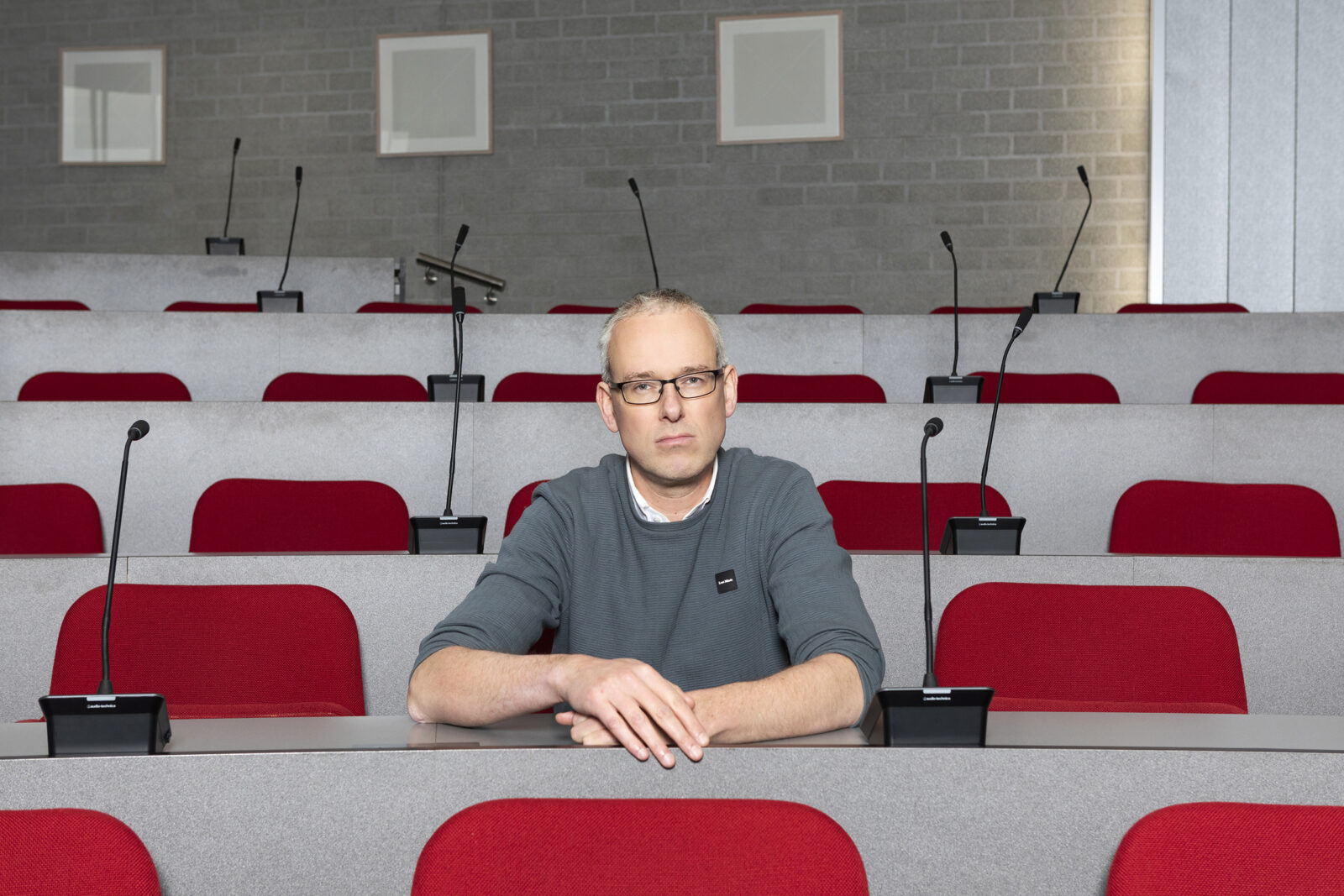
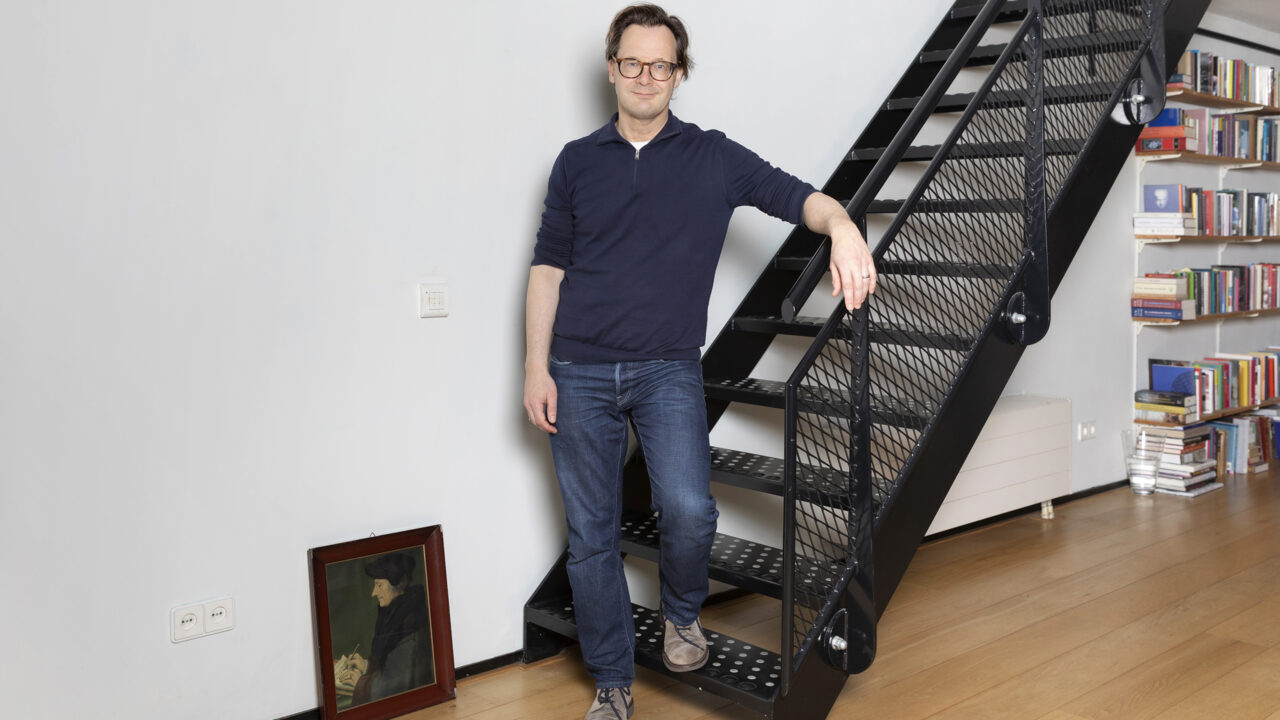
Image by: Geisje van der Linden
The Dutch National Student Union (LSVb) was quick to celebrate the research showing that binding study advice (bsa) does not lead to academic success. The student union had always maintained that the bsa causes stress and performance pressure, but it is now also clear that it brings no benefit to educational institutions. Chair Maaike Krom believes that nothing now stands in the way of politicians ‘simply abolishing the bsa.’
Let us take a closer look at the research. In the economists’ journal ESB, PhD candidate Sander de Vries published his analysis of 712,384 students, spread across 351 unique programmes that introduced a bsa between 1994 and 2014. The study shows that the advice does not reduce the likelihood of obtaining a university degree, nor does it shorten the duration of study. Half of the students who dropped out under a bsa would have completed their initial programme if there had been no binding study advice.
Perhaps you should read that last sentence again. How can you know that students who received a bsa and therefore left a programme would have completed it if there had been no such advice? That situation simply does not exist. Based on a comparison between study programmes, you simply cannot determine this at an individual level.
Qualitative researchers have always known that the meaning of this kind of statistic is far from fixed. The real question is of course a different one: what kind of culture do you want to foster as a university? That is difficult to express in numbers in any case. Is a university allowed to set a minimum standard? What influence do students who fail their courses have on the atmosphere and the level? Do lecturers know how to deal with these kinds of students? Are you actually doing those students a favour by letting them stay?
Anyone who holds the romantic view that students can decide for themselves whether their programme is the right one should take a look at places where, for a long time, no bsa existed and some students kept following the same courses endlessly. How long did some students take to acknowledge that they were not suited, had no time, or simply did not feel like it? Fellow students would always watch with a certain pity: unfamiliar faces saying they had to resit the course, who had clearly understood nothing from the very first week, even though the material was plainly set out in the book.
The bsa does not seem to be popular among students, and I can understand that. What I do wonder is when we will see some different research: into the experiences of lecturers with perpetually returning students, of students who have to work with those taking a third, fourth or fifth attempt, and of students who once received a bsa. Might they not be at least a little grateful for it afterwards? I would not be surprised if such research were to produce rather positive results.
Een lijst met artikelen
-
A maximum number of PhD candidates per professor? That is not going to happen
Gepubliceerd op:-
Column
-
De redactie
-
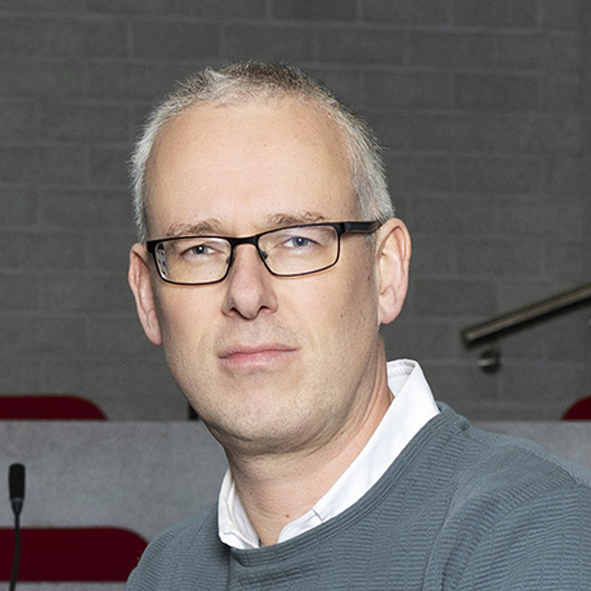 Chris Aalberts
Columnist
Comments
Read more in Column
-
‘Last Salute’ for the US
Gepubliceerd op:-
Column
-
-

The Eid Outsider
Gepubliceerd op:-
Column
-
-

Smoking, crying and kissing in the Pierre Bayle Monument
Gepubliceerd op:-
Column
-


Leave a comment