EFR has to cut ties with Shell and fears financial consequences

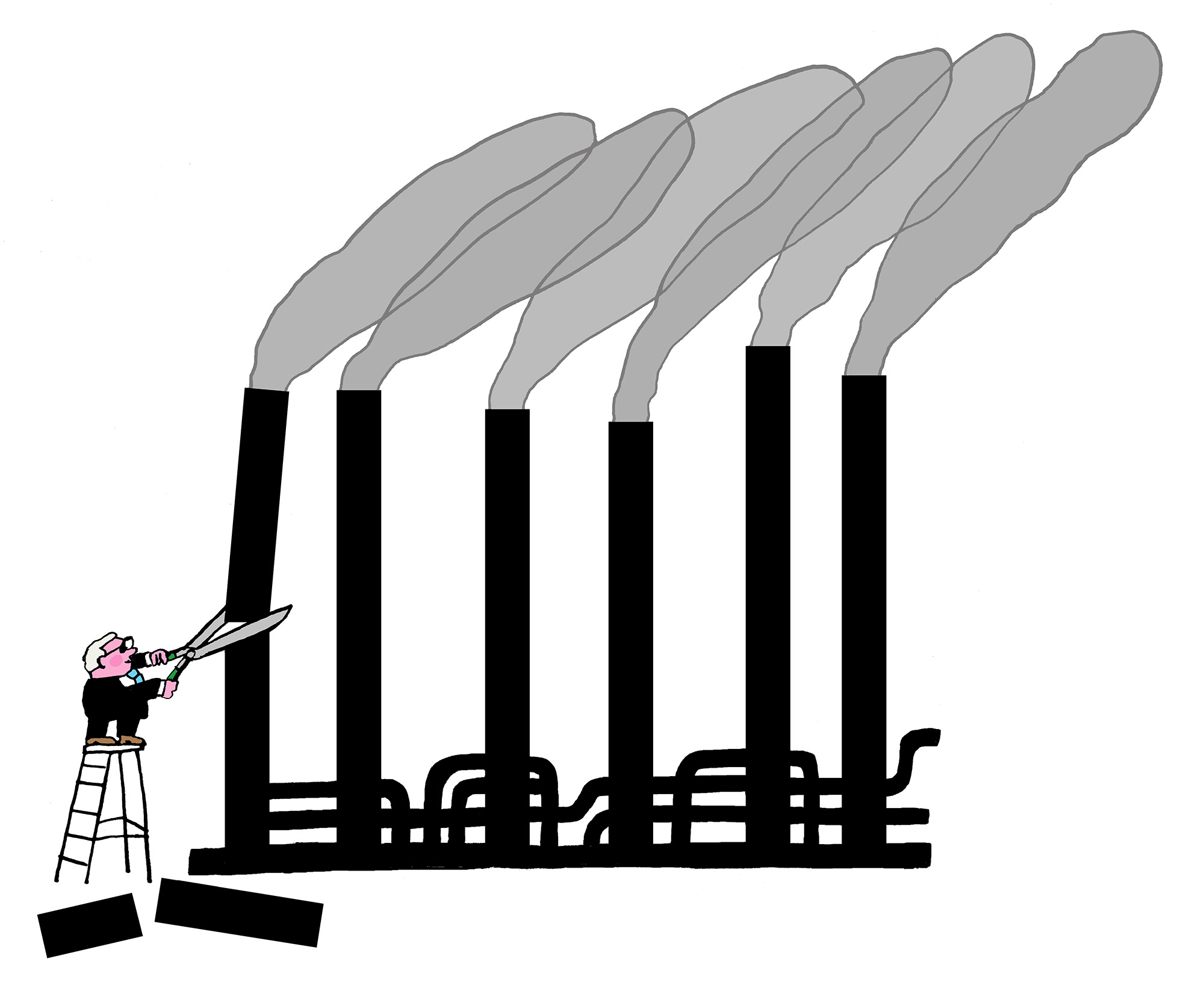
Student associations are no longer allowed to collaborate with fossil fuel companies that do not meet the university’s conditions. For EFR, this means it must end its collaboration with Shell. The association understands the decision, but expects the measure to have financial consequences.

Image by: Ami Rinn
Shell no longer meets the requirements the university sets for collaboration with the fossil sector. As a result, student associations such as EFR may no longer enter into new collaborations with the company. This became clear after a conversation with former committee member on fossil industry Bas Karreman, says Christian Stevens, officer Sustainability & Diversity and Inclusion at EFR.
Since May 2025, the university has used an assessment and evaluation framework for collaboration with fossil fuel companies. Based on this, students and staff must determine whether they can collaborate with a company. The conditions are partly based on international sustainability standards such as the Transition Pathway Initiative (TPI) and LobbyMap, which assess the extent to which companies’ plans meet the Paris climate goals. According to the framework, companies that do not meet these conditions may no longer collaborate with the university once their current contract ends. Shell had previously met the requirements, but according to the new TPI report it no longer does.
Een lijst met artikelen
-
Committee on fossil industry: Collaboration must meet ‘moral minimum’ or stop
Gepubliceerd op:-
Sustainability
-
Financial consequences
EFR’s core activity lies in recruitment events, where companies and students connect. The loss of Shell as a sponsor therefore has direct financial consequences, Stevens says. He does not want to mention an exact amount, but speaks of a noticeable loss.
This year, the loss will remain limited. EFR still has an ongoing one-year contract with Shell, which was signed before the framework was introduced, Stevens explains. “We are still allowed to complete that. But next year we will really have to look at how to deal with this.”
Karreman, who is also director of Engagement and Impact at the Erasmus School of Economics, indicated in the conversation with EFR that he wants to explore how the faculty can help EFR find new partners. “We can help student associations by connecting them with sustainable companies”, he says. According to him, the faculty’s research centres and academic networks offer opportunities for new collaborations.
At the same time, Karreman emphasises that responsibility also lies with the associations themselves. “As an association, you need to actively think about your long-term strategy and look for new partners.”
Uncertainty about implementation
Stevens admits that EFR found it difficult to properly understand the framework before the meeting with Karreman. According to Karreman, that confusion is not surprising. “A framework has been drawn up, but no concrete implementation plan has followed”, he says. “As a result, for many parties, including student associations, it is not always clear exactly how the guidance should be applied.”
Soon, the Executive Board will evaluate how faculties are implementing the framework for collaborating with fossil fuel companies.
Read more
-

How STAR and EFR handle sponsorship by fossil fuel companies
Gepubliceerd op:-
Student life
-
De redactie
-
 Feba Sukmana
Editor
Comments
Read more in Student life
-

Benefits scandal: New government also brushes off children’s ombudsmen
Gepubliceerd op:-
Student life
-
-

This is where these students get their news
Gepubliceerd op:-
Student life
-
-

Narmin wraps her feelings in clothing
Gepubliceerd op:-
Dress code
-


Leave a comment