Academic Freedom Index: Academic freedom is declining worldwide
Over the past ten years, academic freedom has deteriorated in many countries, including the Netherlands. In particular, the sense of safety on campus is under pressure.
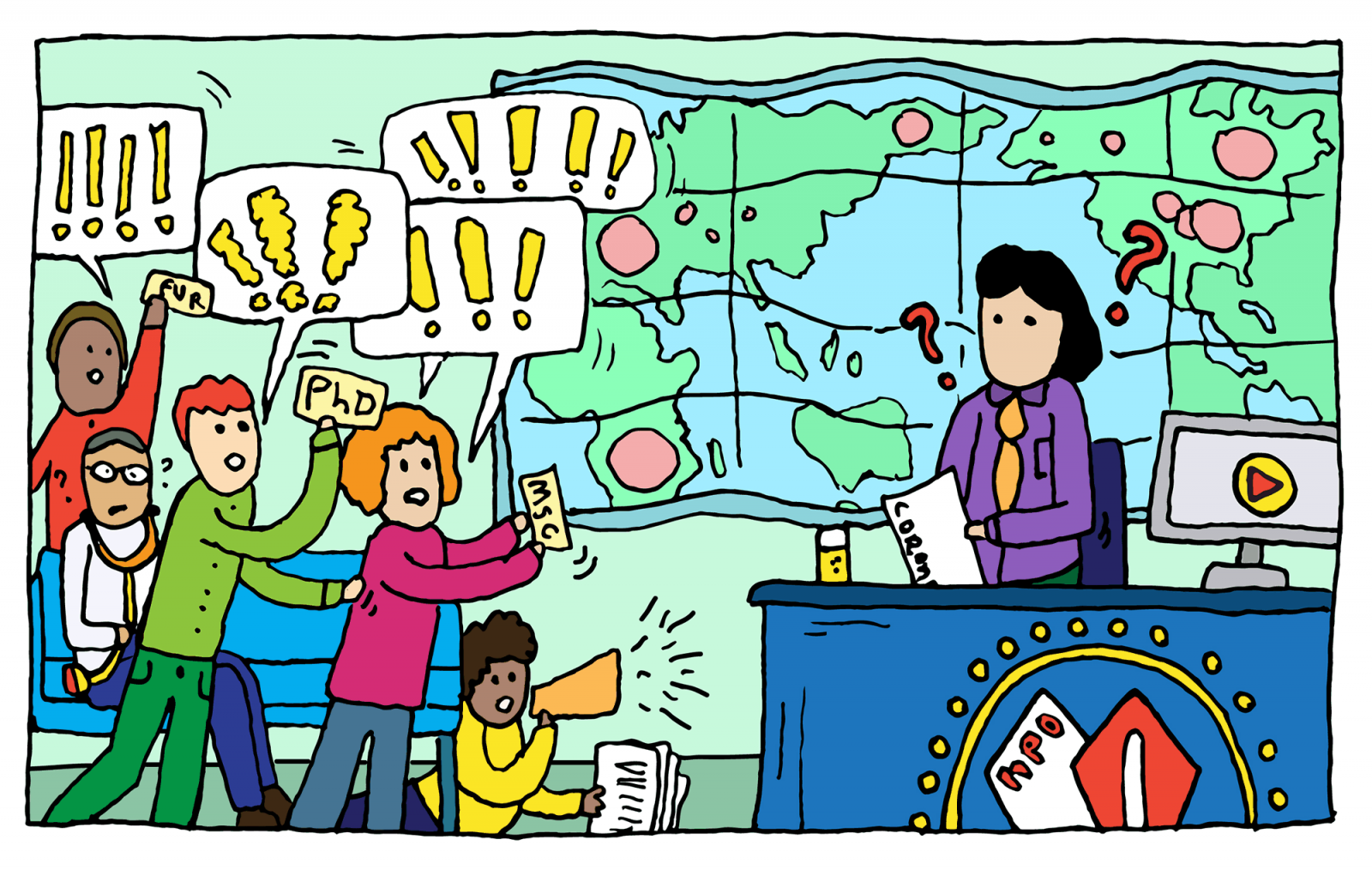
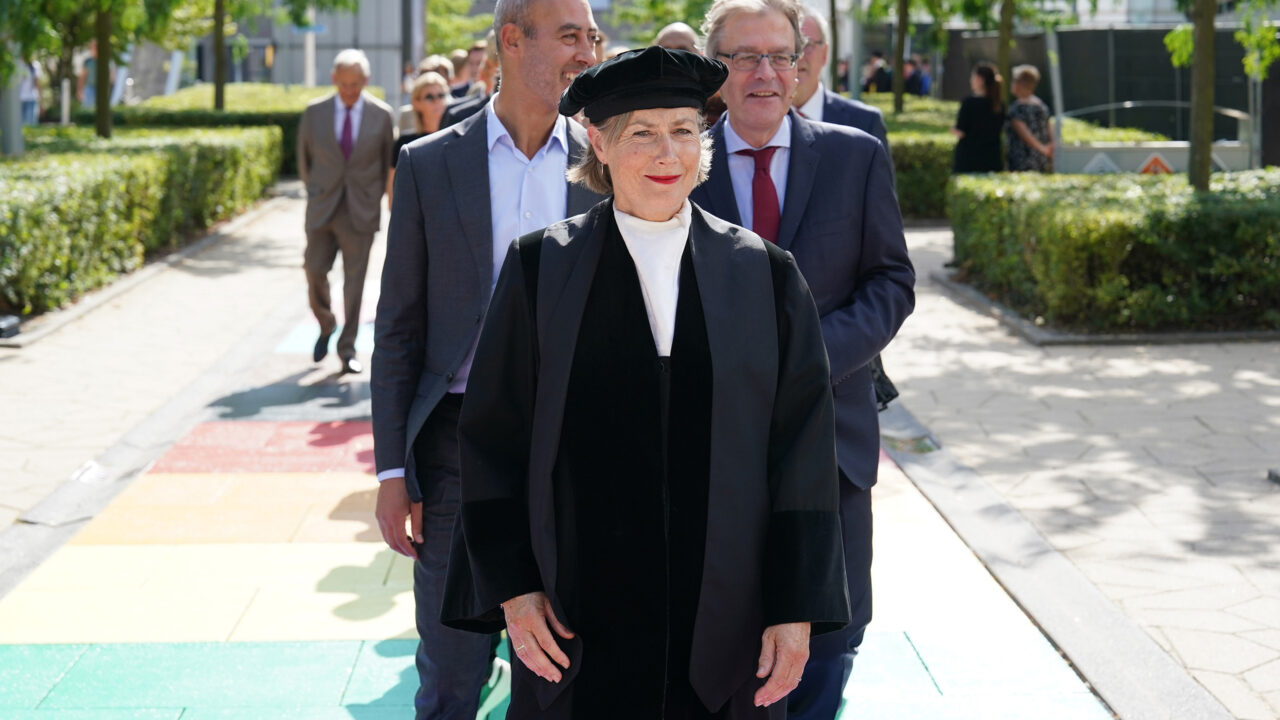
Image by: Pauline Wiersema
Are scientists free to decide what they research and what they teach? Is the campus a safe place for students and staff? Can academics speak freely, even about sensitive topics?
The Academic Freedom Index annually assesses the level of academic freedom in countries, based in part on questionnaires and the assessments of local experts. Countries receive a score between 0 and 1 point.
Europe, North America, Oceania and Latin America generally perform well, while countries in Asia, the Middle East and parts of Africa often score lower. Nevertheless, academic freedom has declined significantly in as many as fifty countries over the past ten years, according to a new report.
The ranking
Czechia ranks first, with a score of 0.98 points. It is followed by Estonia with 0.97 points. Belgium takes third place with 0.95 points.
At the bottom of the list is Nicaragua. The country still scored 0.81 points in the 1990s, but since Daniel Ortega returned to the presidency in 2007, it has slid into a dictatorship. According to a UN report, universities there are under strict control and critical students and lecturers face “physical and psychological violence”.
The Netherlands
The Netherlands scores 0.76 points. That is lower than most EU countries. Only Greece, Romania, and especially Hungary score lower. For years, the Netherlands was among the frontrunners, but that is no longer the case.
For example, ‘campus integrity’ is rated relatively low. Scholars at Risk has recorded several incidents in recent years, including police violence during pro-Palestinian protests, as well as damage to university buildings by activists. According to the organisation, such incidents contribute to a sense of insecurity on campus and hinder open debate.
The Royal Netherlands Academy of Arts and Sciences (KNAW) also warned last year that academic freedom in the Netherlands is under pressure, partly due to substantial cuts by the Schoof cabinet and the ‘polarisation and hardening of the public debate’. The KNAW also pointed to the Netherlands’ declining score on the Academic Freedom Index.
Nuance
A high score does not always mean that a country offers a safe learning environment in practice. Nigeria, for example, scores considerably higher than the Netherlands, even though students and staff there have been abducted multiple times in recent years by criminal gangs, often for ransom.
The Academic Freedom Index primarily focuses on the extent of government interference with institutions. Issues such as crime and general safety are in principle not included.
Trump Administration
The most dramatic decline can be seen in the United States, where academic freedom has fallen by as much as fifty percent. With a score of 0.40, academic freedom there would now be even more limited than in the Netherlands during the Second World War.
Trump views universities as opponents and exerts heavy financial pressure to force them into compliance. Researchers must adhere to strict guidelines on diversity, equality and inclusion. Lecturers are no longer allowed to teach freely on topics such as racism and gender; even texts by Plato have been removed from reading lists.
The report states that academic freedom is also increasingly under strain in Hungary, India and Turkey due to legislative changes and government interventions. Unlike in the United States, where the decline has occurred at a rapid pace, in these countries it has taken place more gradually.
Read more
-

Participants in dialogue on academic freedom want actions to match words
Gepubliceerd op:-
Science
-
De redactie
Comments
Read more in Science
-
How Unilever survived the Second World War
Gepubliceerd op:-
Eureka!
-
-
Nearly half of female PhD candidates experience inappropriate behaviour
Gepubliceerd op:-
Science
-
-
Beadle steps down: ‘The hierarchy between professor and PhD candidate is gradually diminishing’
Gepubliceerd op:-
Campus
-
Science
-
Leave a comment