Minister Letschert and the academic tower
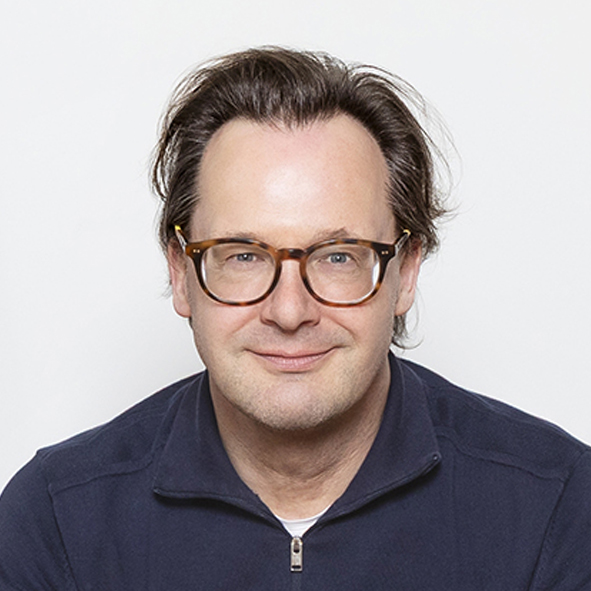
Even more English will not make our universities any more diverse and inclusive, says professor of Philosophy Ronald van Raak.
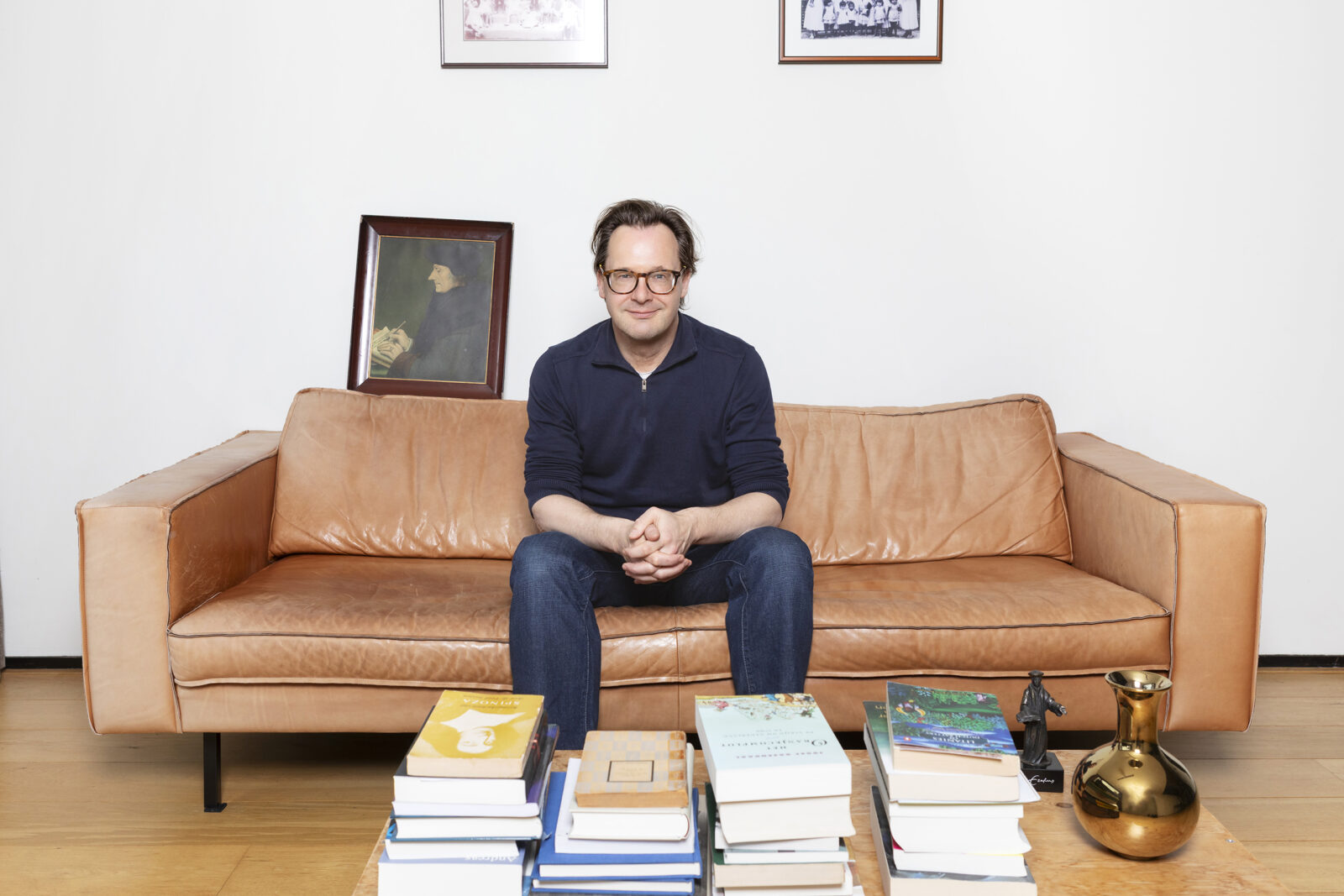
Image by: Geisje van der Linden
The greatest philosopher in our country in the nineteenth century was from Rotterdam: Cornelis Opzoomer. You may know his name better as a verb: opzoomeren; residents taking action themselves to improve and maintain their neighbourhood. It once began in the Opzoomerstraat, in Delfshaven, and is now financially supported by the Opzoomer Mee Foundation.
Cornelis Opzoomer also did something remarkable himself, after becoming professor of Philosophy in Utrecht in 1846. For the first time ever, he delivered his inaugural lecture in Dutch rather than in Latin – as had been customary until then. Opzoomer was a liberal who fought for the emancipation of citizens. The language of the university, he believed, had to connect with that of the people.
With Rianne Letschert we now have a liberal Minister of Education, Culture and Science; she was even an informateur for the liberal Jetten cabinet. One would think that Dutch at universities would be close to her heart, as her predecessors in the nineteenth century so strongly advocated, but that does not seem to be the case. In the debate on the anglicisation of academic education she has taken a clear position in recent years. People like me, who argued that lectures should also be taught in Dutch, were in the eyes of this education minister above all ‘opportunistic’ and ‘populist’. Attracting more international students was good for universities and that could only be achieved if lectures were offered in English.
'I don't understand why it is more inclusive to offer only English-language lectures, thereby creating an additional barrier for some of the students from this city and this region'
On the latter point I wholeheartedly agree with the minister: it is an honour and a joy that so many students want to come to our universities – and our English-language lectures help to make that possible. What I do not understand is why this should go hand in hand with an aversion to lectures in Dutch – and to people like me who wish to teach them. I do not see why the use of a single language, English, would be more diverse than offering several languages – alongside Dutch, think of German or French, the languages of our neighbouring countries. Nor do I understand why it is more inclusive to offer only English-language lectures, thereby creating an additional barrier for some of the students from this city and this region. That runs counter to the idea of the university as an engine of emancipation for young people who are the first in their family to go to university and for whom universities are already such distant and elitist places.
Cornelis Opzoomer’s struggle for Dutch in academic education was linked to the political ambitions of that other great liberal figure: Johan Rudolph Thorbecke. The founder of our parliamentary democracy, in which citizens gradually gained a voice in government. Breaking with Latin at universities was also a way of narrowing the gap between the elite and the population: in a democracy, people had to speak the same language. The role that Latin long held as the international language of scholarship has now largely been taken over by English. That is a very good thing; international scholarship is fortunately not confined by national borders.
Yet I hope that, as minister, Letschert will also recognise the importance of Dutch-language lectures. Even more anglicisation will not make universities any more diverse and inclusive and will once again shut us up in an academic tower.
Read more
-
Philosophers are annoying
Gepubliceerd op:-
Column
-
De redactie
Comments
Read more in Column
-

Spinach seed wounds
Gepubliceerd op:-
Column
-
-

Leftover dame blanche
Gepubliceerd op:-
Column
-
-
The discussion on study migration is back in the fridge
Gepubliceerd op:-
Column
-

Leave a comment