New cabinet ‘to a limited extent’ good for science
The plans of D66, CDA and VVD stimulate scientific research in the Netherlands ‘to a limited extent’, say the analysts at The Netherlands Bureau for Economic Policy Analysis.
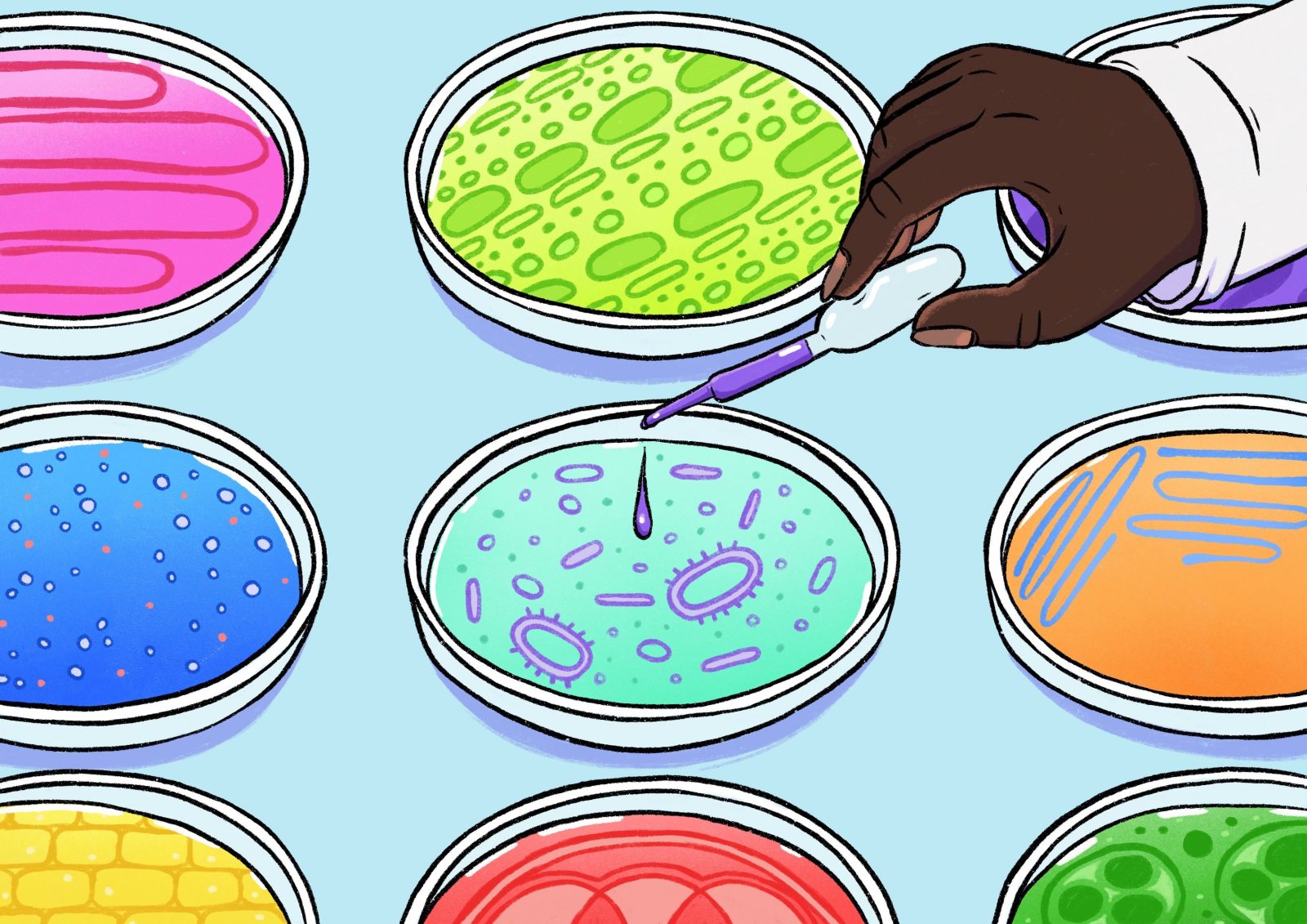
Image by: Femke Legué
The Netherlands Bureau for Economic Policy Analysis (CPB) has examined the coalition agreement of D66, CDA and VVD. Education and research are also discussed in the analysis that was published on Friday.
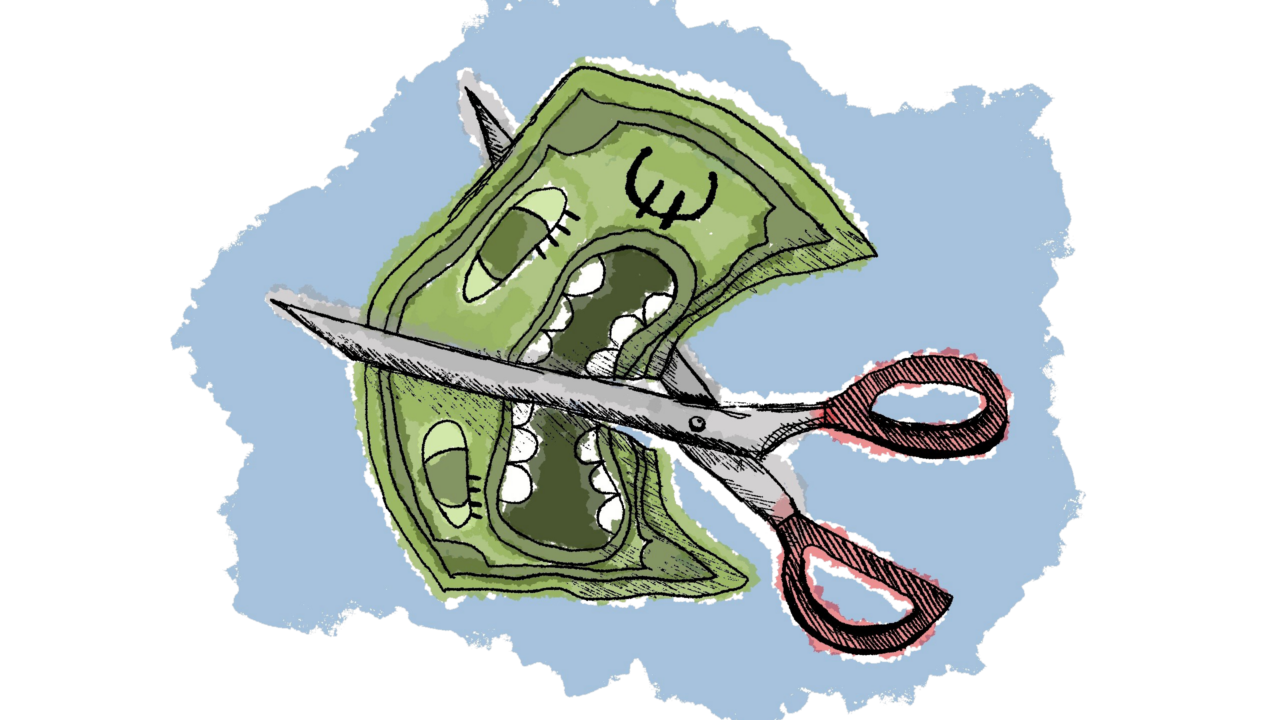
The three parties want to increase spending on education and research by 1.5 billion euros. That money is spread across various plans and a few more details are now emerging.
For example, they want to spend 100 million euros on free school fruit. That takes a bite out of the budget. Most other amounts, such as the increase in the basic grant for students living away from home, are still uncertain.
According to the CPB, funding for universities of applied sciences and universities will rise and the parties will also reinstate the Fund for Research and Science at the universities. Only the price tag is not yet known.
Limited
But the analysts draw one conclusion already: “The coalition agreement stimulates scientific research to a limited extent.”
Against the spending on university science, for example, there is a (smaller) cut to the academic hospitals, which may mean they can do less research and training.
In addition, the incoming cabinet is freeing up money for a National Agency for Disruptive Innovation, which is meant to help promising technologies break through. “However, this only gives a temporary extra boost to innovation”, warns the CPB.
Defence
The coalition has further plans for knowledge and innovation. For example, companies’ research & development gets a push thanks to an announced technology strategy. But this apparently does not lead to jubilation at the CPB.
The money tap will be opened for defence, but it is still unclear what will happen with it. Part of the extra defence funds is intended for education and innovation, but that intention still needs to be worked out.
Een lijst met artikelen
-
Coalition agreement: Education cuts scrapped, hardly any extra money beyond that
Gepubliceerd op:-
Politics
-
Chance of a diploma
And the money for education? The higher spending will boost quality, predicts the CPB, ‘increasing the chance that pupils and students obtain a basic qualification or a degree from a university of applied sciences or a research university’.
But economically some proposed expenditures are less effective. Take free school fruit. At the moment most parents pay for the tangerine their child eats at lunch; soon the government will pay. The same goes for the higher basic grant: if the government does not pay, students will find the money elsewhere.
The CBP sees the same problem with ‘lifelong learning’, i.e. retraining and upskilling. There is a chance the government will pay for education people would have followed anyway.
English
The CPB says nothing, incidentally, about the reversal on English-language education, where the new coalition gives room again. There would have been stricter rules for English-language programmes and some would have to become Dutch-taught again, but these plans are scrapped.
This means universities and universities of applied sciences can again more easily attract foreign students. Some of those students remain in the Netherlands after graduating, which in theory should be good for shortages in the labour market.
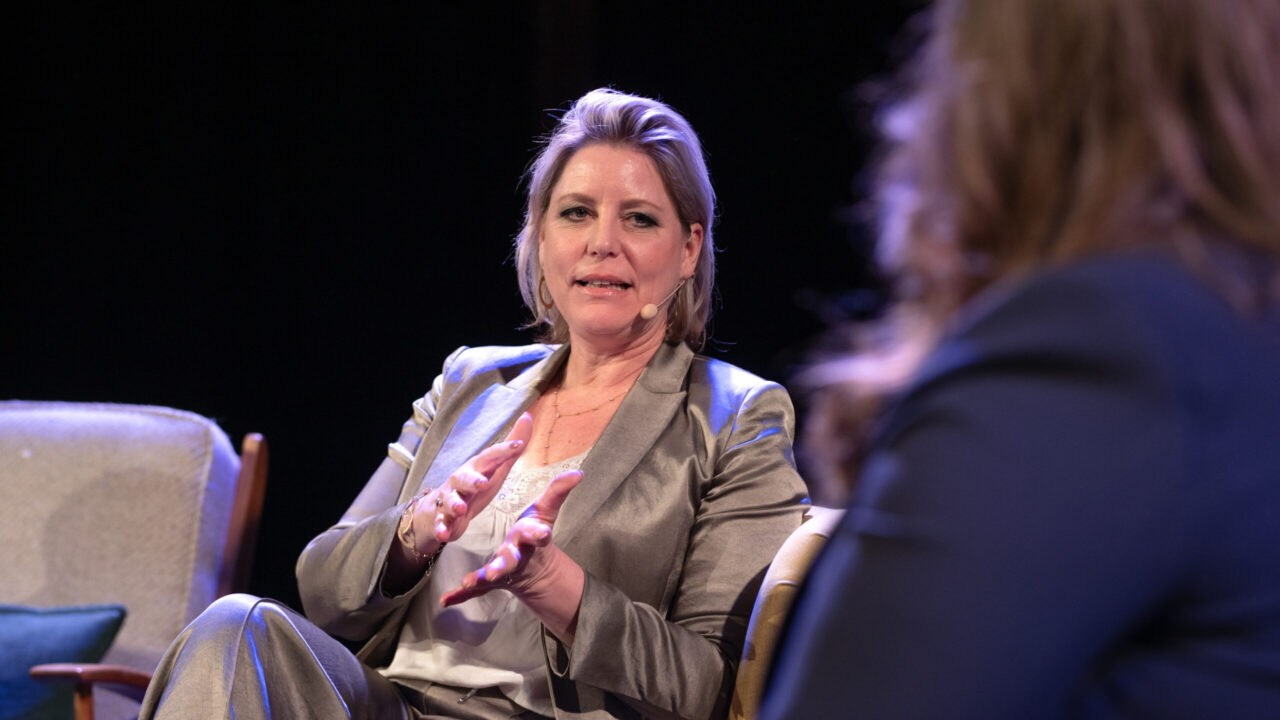
The new cabinet will appear on the steps on Monday. The new minister of Education is Riannne Letschert, who as informateur guided the coalition negotiations between the party leaders.
Een lijst met artikelen
-

Rianne Letschert: smart, kind and attentive, with respect for press freedom
Gepubliceerd op:-
Politics
-
De redactie
Comments
Comments are closed.
Read more in Politics
-

Council of State criticises new compensation for unlucky students
Gepubliceerd op:-
Politics
-
Student life
-
-
Minister Rianne Letschert wants to restore ‘calm and stability’
Gepubliceerd op:-
Politics
-
-
House of Representatives agrees to education cuts for 2026
Gepubliceerd op:-
Politics
-