His grandfather’s olive oil symbolises Jack Dahly’s culture, family, and identity
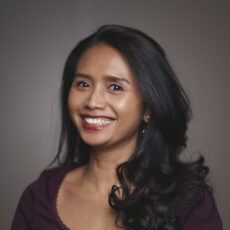
When master’s student Jack Dahly visited his Syrian family for the first time this year, he discovered his grandfather’s olive grove. Now that he’s importing his grandfather’s olive oil and selling it in the Netherlands, he is discovering more and more about his Kurdish background.
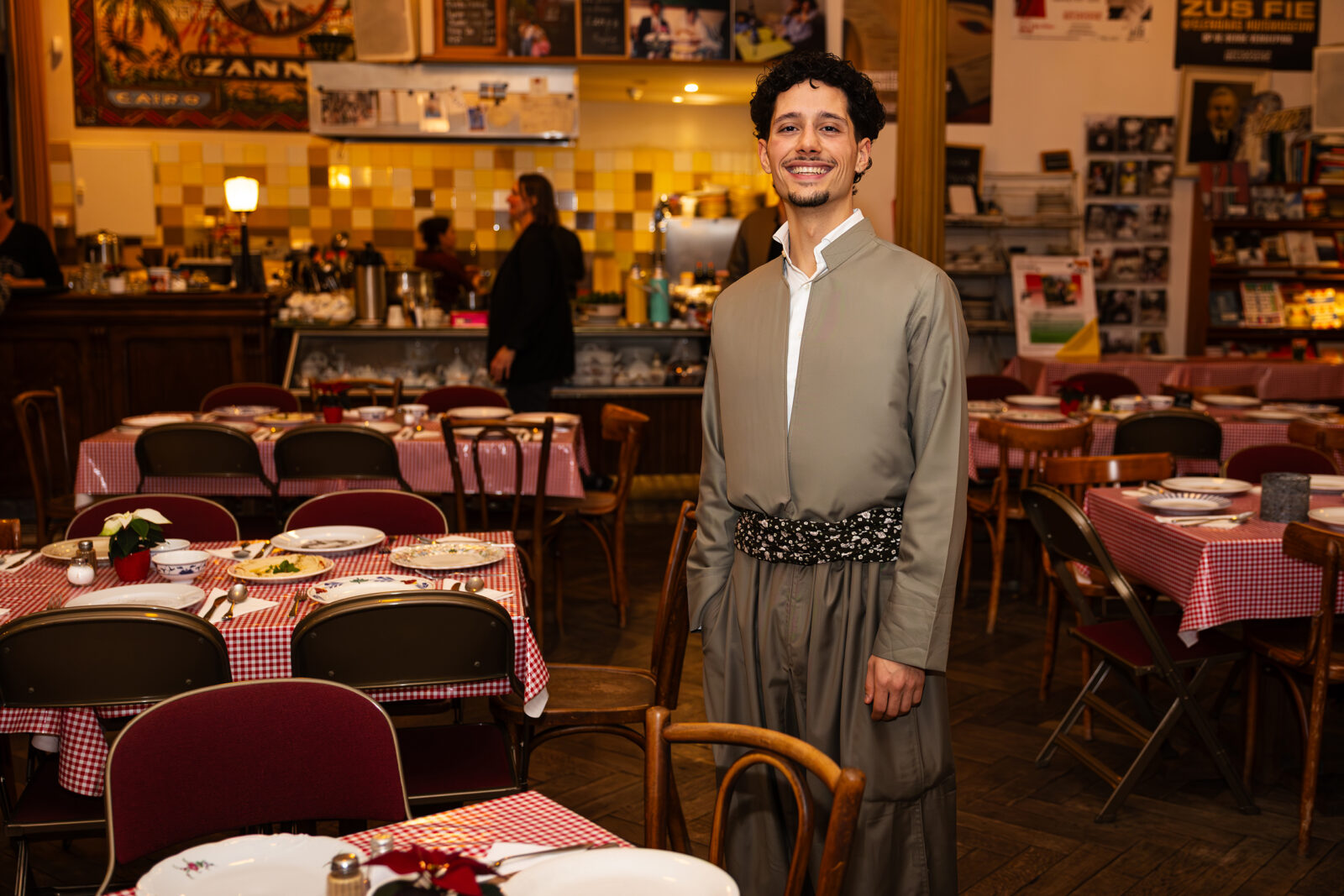
Image by: Pien Düthmann
For Jack Dahly, Katendrecht is inseparably linked to his life. Especially the Rechthuislaan, where the master’s student of Behavioural Economics spent his childhood, brings back warm memories. “There used to be a climbing frame on this central section, surrounded by big trees. And a very sweet old lady lived over there.” He points to house number 48. “She really liked children and always kept an eye on things when our parents weren’t around. Once I asked if I could ride her mobility scooter, and she let me.”
With 6,422 staff and 31,473 students, it’s impossible to know everyone at the university. But what do these people do once they step off campus? In this end-of-year series, EM makes the connection with six remarkable stories about what students and staff do in their spare time.
Homeless
Image by: Pien Düthmann
On the corner of the street stands the building of ROS, the Rotterdam support centre for undocumented people. When Jack steps into the office, he immediately receives a warm hug from the staff. Everyone knows the Dahly family: Jack’s parents have been volunteers there for fifteen years, and his sisters and he also help out when needed. What makes it special is that the family themselves lived in the building for five years.
In Syria, Jack’s father was in the army and saw how the military oppressed the Kurds. Shortly before the turn of the millennium, his parents, who are Kurdish themselves, fled Syria.
After a years-long, complicated procedure, the couple – by then with three children – ends up illegally in the Netherlands via Germany. “I remember arriving at The Hague Central Station. That night we slept outside on the Malieveld, under a tree”, Jack says. “A homeless man asked my sister for money. She said, ‘Sir, we are homeless too, we also have no money.’ He found that so sad that he gave us all his money and started praying for us.”
Sinterklaas celebration
From The Hague, the family travels to Rotterdam. They are allowed to stay at the support center in Katendrecht, even though they technically don’t meet the conditions. The building is intended for people who are still in the asylum procedure. As a child, Jack did not really notice his illegal status. “My friends at the support centre came and went, but at school I didn’t feel any different from the other pupils. The only difference was that my sisters and I could never go on school trips or camps.”
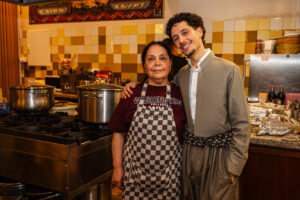
Image by: Pien Düthmann
Jack and his sisters attend the nearby primary school De Schalm. When the family is at risk of being sent away to Syria in 2009, the school board takes action: the principal drives a tuk-tuk past fourteen places where the family has lived, to draw attention to their case and collect signatures for parliamentary questions. The school community also demonstrates on the Malieveld.
After that, things go quiet for a while – until the Sinterklaas celebration at school. “Sinterklaas asked everyone to gather in the schoolyard.” The yard now has basketball courts, a climbing frame, and a hopscotch grid. Jack stands next to one of the trees, right by the fence surrounding the yard. “That’s where he said that my family and I were allowed to stay in the Netherlands. Everyone started crying and cheering. I didn’t really understand and thought: why is everyone suddenly hugging me?”
‘Kurds are connoisseurs: olive oil is our liquid gold’
Family visit to Syria
Jack knew his Syrian family only through phone calls during Eid al-Fitr and from the olive oil his grandfather occasionally sent. When the family finally receives Dutch passports, they think they can visit relatives in Syria. But then the war breaks out, and the plan is postponed for ten years. “Last year, when the regime fell, my mother said: we really have to go back now. This may be our last chance to see grandpa.”
In Syria, he sees his grandfather’s grove for the first time: more than six hundred olive trees, where the olive oil comes from. “I thought, this olive oil is too good not to share with the Dutch. The oil tastes different: creamy, buttery, super soft. And thicker than regular olive oil, because it’s pure. There are no additions. You can cook with it cold or hot. We fry in it, we deep-fry in it. It sounds unbelievable, but it makes everything taste better.”
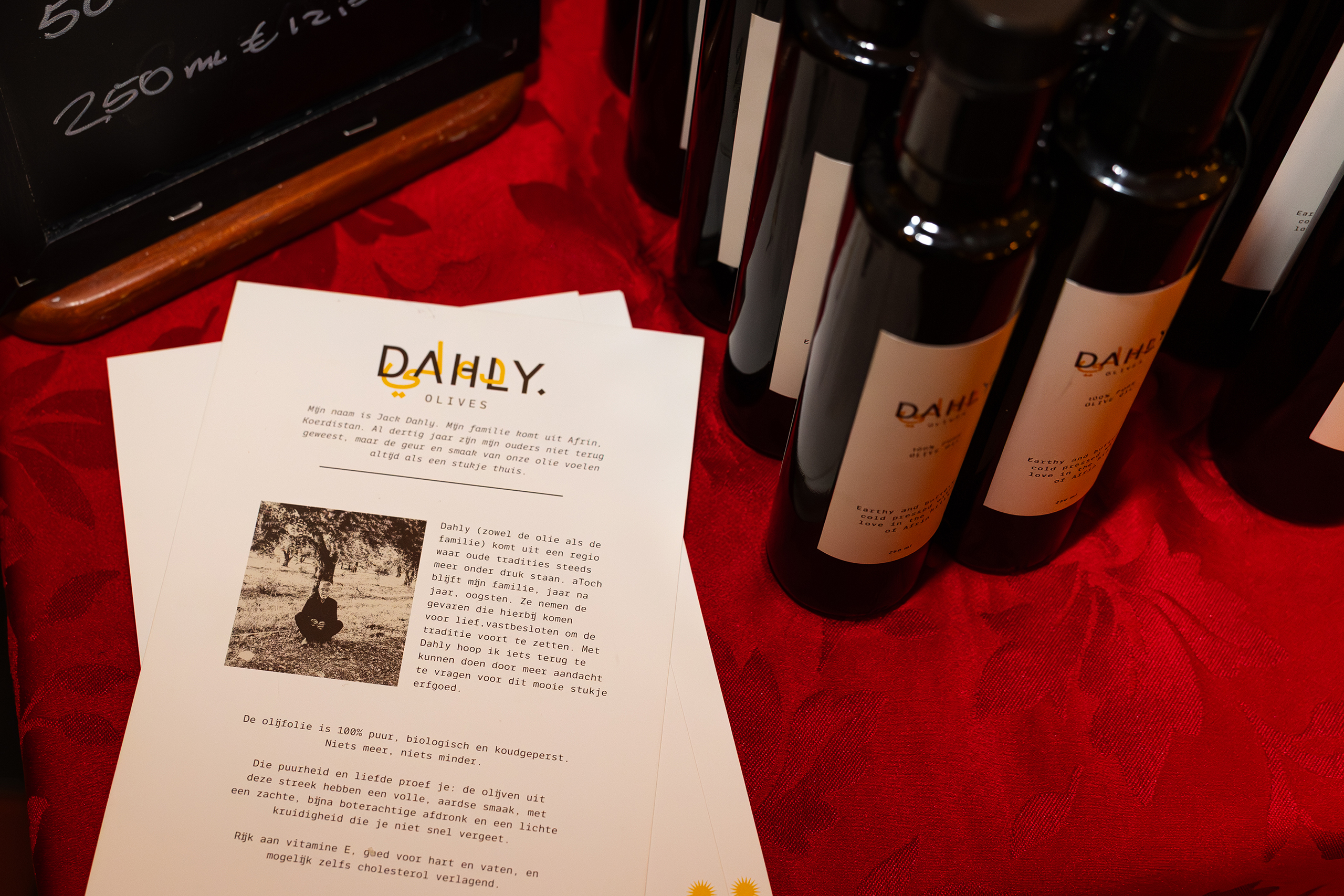
Image by: Pien Düthmann
After his trip, Jack develops his idea further. He imports the oil, fills the bottles himself, and labels them. The label features a drawing of his grandfather, squatting on his Syrian land. “That’s really how he squats. A friend of mine made the design based on a photo I took of him.”
Last May, he launches his olive oil at the Kurdish Film Festival in Amsterdam. “That was the perfect place. Kurds are connoisseurs in this area: olive oil is our liquid gold. That way I could immediately see whether my olive oil really tasted good.” The launch is a success; Jack sells all one hundred bottles he brought with him.
All the money goes back to Syria
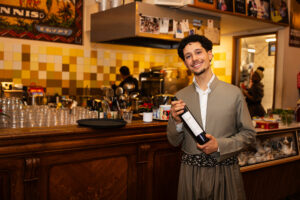
Image by: Pien Düthmann
Jack doesn’t know exactly how much time he puts into his business. “I don’t keep track, but I’m constantly busy with it: whether the website works, whether I have enough boxes and tape, whether the caps don’t leak. I have to think of everything.”
Jack earns nothing from the venture, he says. All the money goes back to Syria. “When I was there, I saw that Syria is a broken country, as if it has been set back a hundred years. That’s why it’s important to me that everything I earn goes back to Syria, to my grandfather, so my family there can rebuild their lives.”
‘We were undocumented in the Netherlands. That was hard, but compared to twelve years of war it was minor suffering’
A piece of identity
For Jack, his work is also a way to give back to the Kurdish community. “What I’ve experienced is nothing compared to what they have experienced. We were undocumented in the Netherlands. That was hard, but compared to twelve years of war it was minor suffering. That could have happened to me: if I had been sent back from the Netherlands, or if my parents had stayed in Syria, we would have experienced the war, just like my family in Afrin.”
At the same time, it has helped him reclaim part of his Kurdish identity. “Actually, the olive oil should have been the end point, after I had already discovered my identity. But for me it was the other way around. Because of that oil, I became curious about my Kurdish background and now embrace my Kurdish identity very strongly: for example, I review submitted films on the viewing committee of the Amsterdam Kurdish Film Festival”, he says. “For me, this olive oil symbolises my culture, family, and identity.”
Read more
-
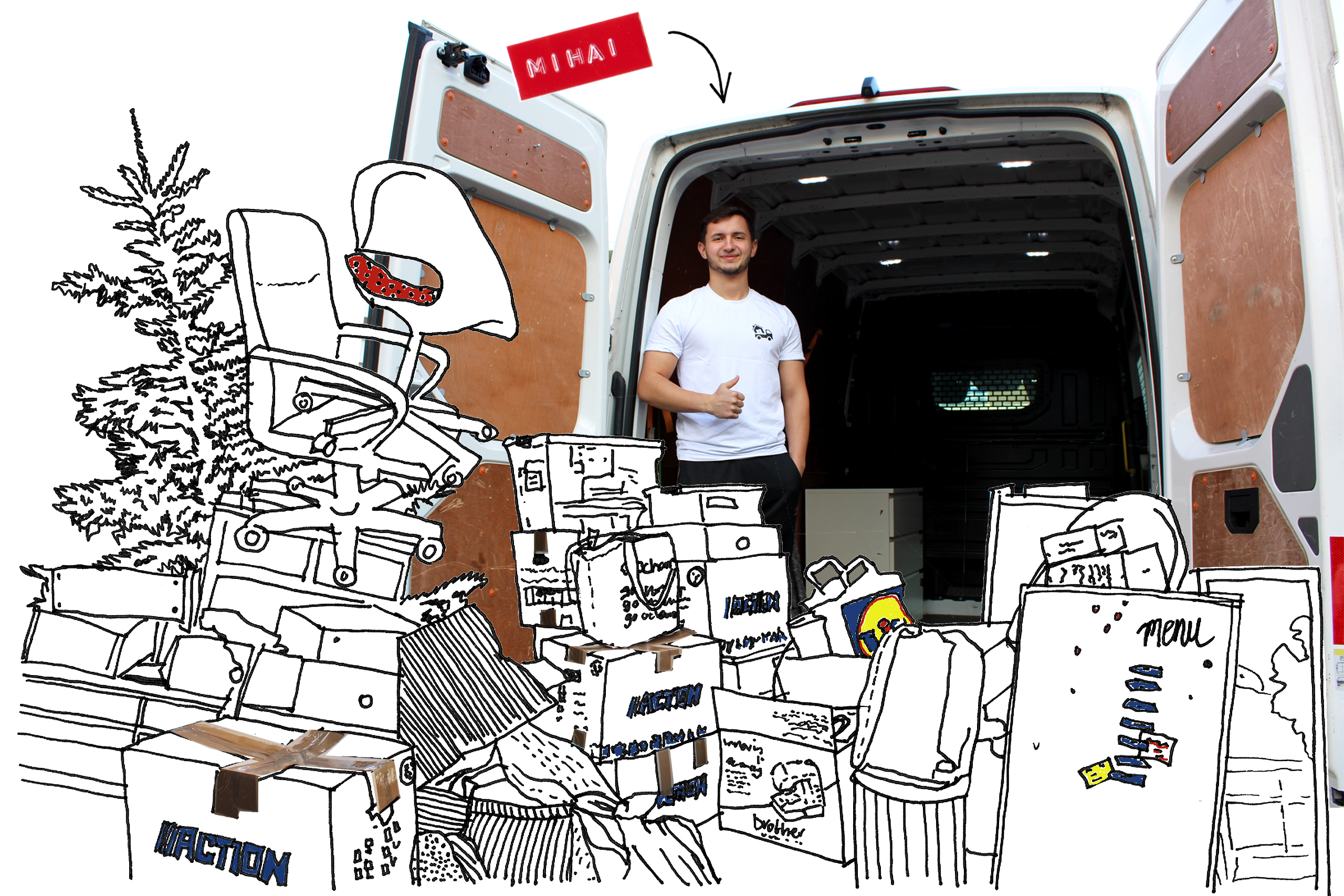
Master’s student Mihai Tulbure bought a large van and now runs his own moving company
Gepubliceerd op:-
Student life
-
De redactie
-
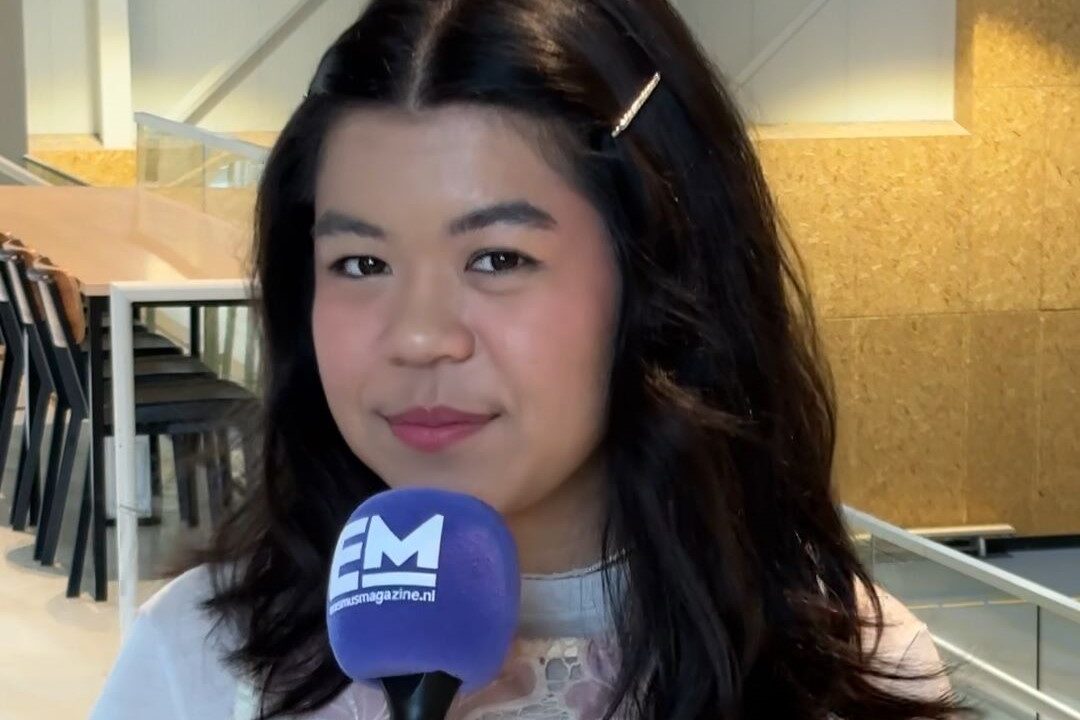
 Feba Sukmana
Editor
Latest news
-
Medical student Daan Kluwer wins 10,000 euros to record his own jazz album
Gepubliceerd op:-
Student life
-
-
Possible merger between ISS and IHS, new football league and TU Delft shares names of protesters with police
Gepubliceerd op:Article type: Video-
Campus
-
EM TV
-
-
Returns on knowledge can indeed be predicted, economists argue
Gepubliceerd op:-
Politics
-
Comments
Comments are closed.
Read more in Student life
-
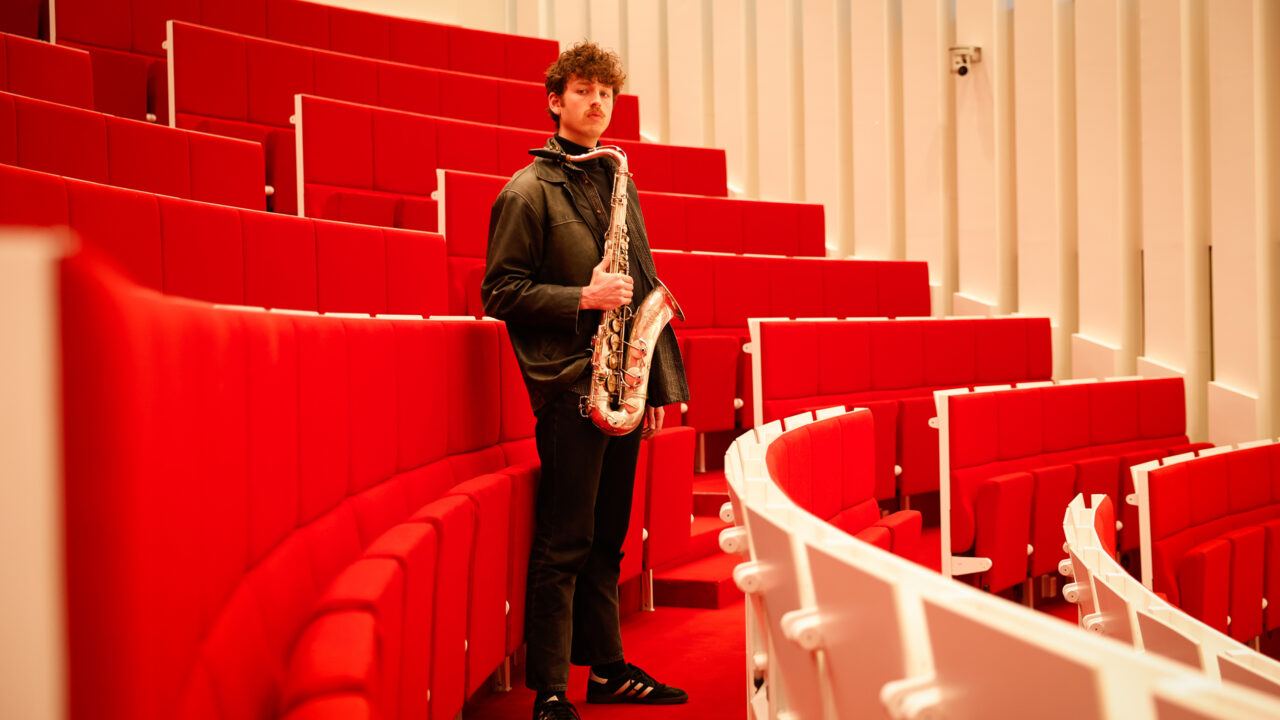
Medical student Daan Kluwer wins 10,000 euros to record his own jazz album
Gepubliceerd op:-
Student life
-
-
Master seeks master in love
Gepubliceerd op:-
Culture
-
-
Iranian students follow protests closely: ‘It feels like my family is dying again every single day’
Gepubliceerd op:-
Student life
-