Ad

The gloomy Christmas of Erasmus
War and peace, fact and fiction, good and evil. These are the kinds of oppositions that we humans use to understand the world around us. But the world itself is not so black and white at all. That is a message from Donna Haraway, who received the Erasmus Prize on 25 November from King Willem-Alexander, at the Royal Palace on Dam Square in Amsterdam.
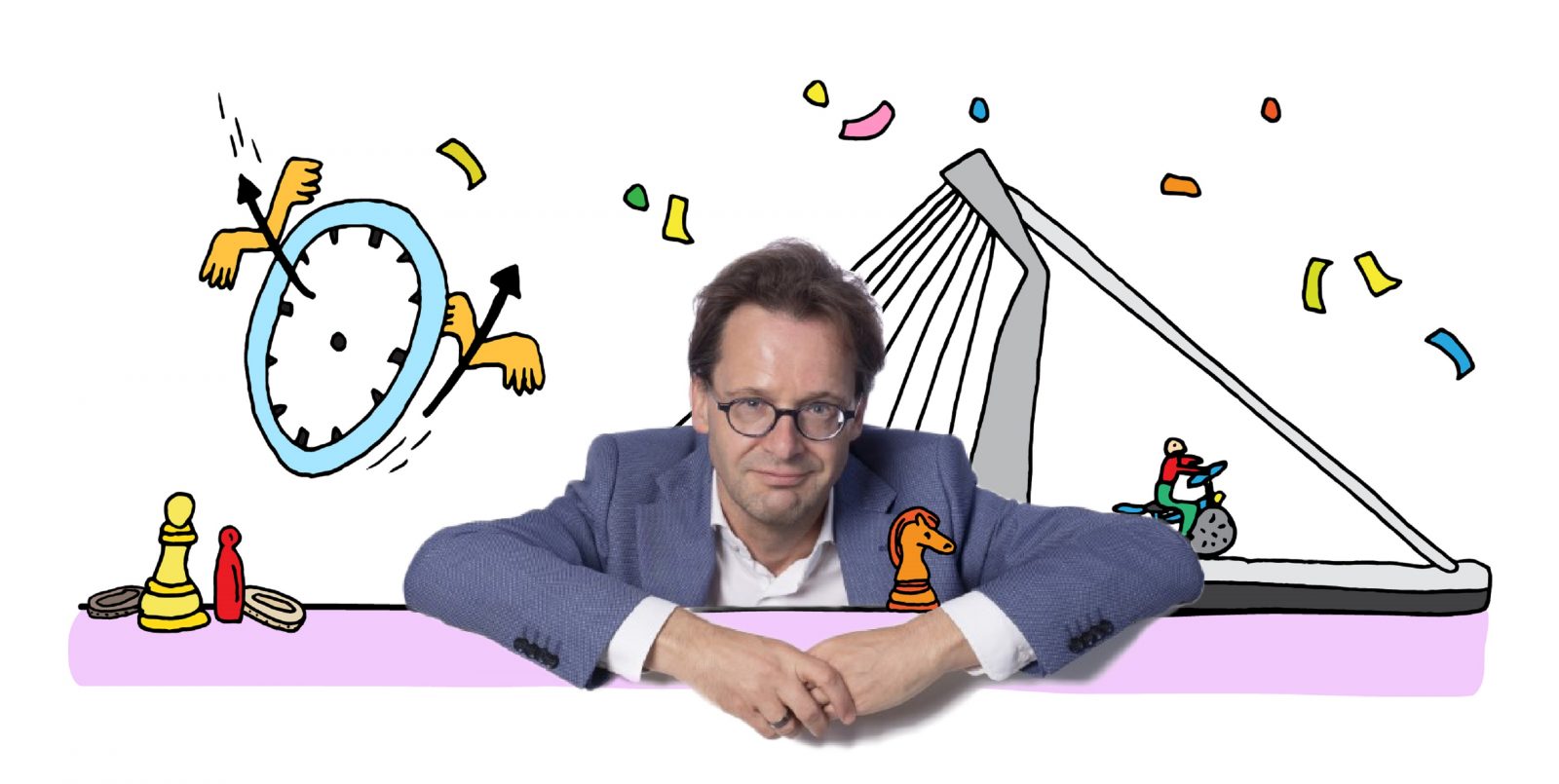
Image by: Levien Willemse, Pauline Wiersema
Donna Haraway is a feminist philosopher from the United States. She is now well into her eighties, but still popular, especially among young people. I saw that too at the award ceremony, which I attended as a member of the Erasmus Prize jury. In her speech, she strongly criticised Trump’s America and the tendency towards simplistic oppositions in any other country.
Academics are often willing to put oppositions into perspective, such as those between men and women, black and white, or people and elite. But sometimes the mood changes and the moral pressure becomes so great that we are forced to make simplistic choices after all. If you do not do so, you risk being judged. I have an aversion to Trump, but that does not mean that I sympathise with the Democratic Party. I feel revulsion towards Putin, but that does not give me confidence in politics in Ukraine. I look at Netanyahu with abhorrence, but also at Hamas with horror. For the wickedness of one person does not make another good. That, at least, is what I learned from Erasmus.
In 1525, Erasmus had a gloomy Christmas. He lived at a time of enormous polarisation: the struggle between the Pope of Rome and the German monk Luther, which would lead to a split in the church between Catholics and Protestants, and wars on the continent between Catholic and Protestant rulers. Erasmus was regarded as the greatest thinker of his time and both camps demanded that he choose their side. The philosopher tried to mediate, but did not get very far: “No further than one usually gets who tries to separate two people who attack each other armed and crazed with anger and drunkenness, and then receives blows from both sides”, he wrote on 24 December30.
The year before, Erasmus had explained his position in a book, Of Free Will (De libero arbitrio, 1524). In it, the philosopher showed why he trusted in the free will of every human being, which in his view had the capacity to choose for itself. For Erasmus, this also meant the freedom not to choose, at the moment when people were forced to do so – as in his case. He did not want to choose the dogmas of the Catholic Church, but nor those of the Lutheran Protestants. This earned him hatred from both sides: he was called a coward, because he supposedly did not dare to choose. Luther replied in 1525 with a book, On the Bondage of the Will (De servo arbitrio), and gave Erasmus a lonely Christmas.
For centuries, Erasmus was portrayed as a cowardly waverer, who did not dare to choose when it really mattered. That only truly changed after the Second World War. Far too dogmatic political and religious choices had led to terrible destruction; this must never happen again. In our country and elsewhere in Europe, Erasmus became a symbol of freedom and tolerance, precisely because in times of enormous polarisation he had resisted the pressure simply to go along. Instead of cowardly, he was called steadfast; not a waverer, but someone who dared to keep thinking for himself. The case of Erasmus is also the case of Donna Haraway, who has not without reason received the Erasmus Prize 2025. Her call not to submit to existing oppositions and to keep thinking, and to bridge differences. Erasmus took blows, but his perseverance still offers us hope.
Read more
-
Uncertain people in the disposable society
Gepubliceerd op:-
Column
-
De redactie
-
 Ronald van Raak
Columnist
Latest news
-
Minister sees ‘major problem’ looming: will there be too few international students soon?
Gepubliceerd op:-
Internationalisation
-
Politics
-
-
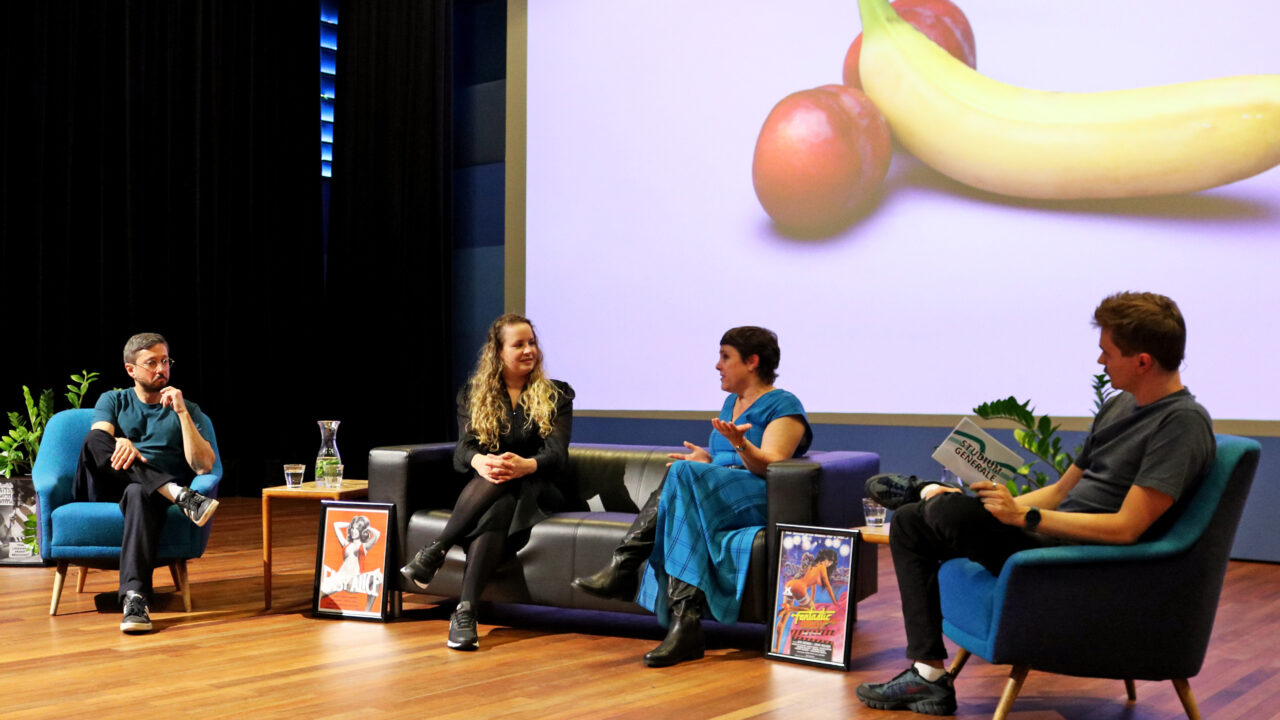
Porn in the Pavilion: vanilla sex is the favourite among viewers
Gepubliceerd op:-
Lecture
-
Science
-
-
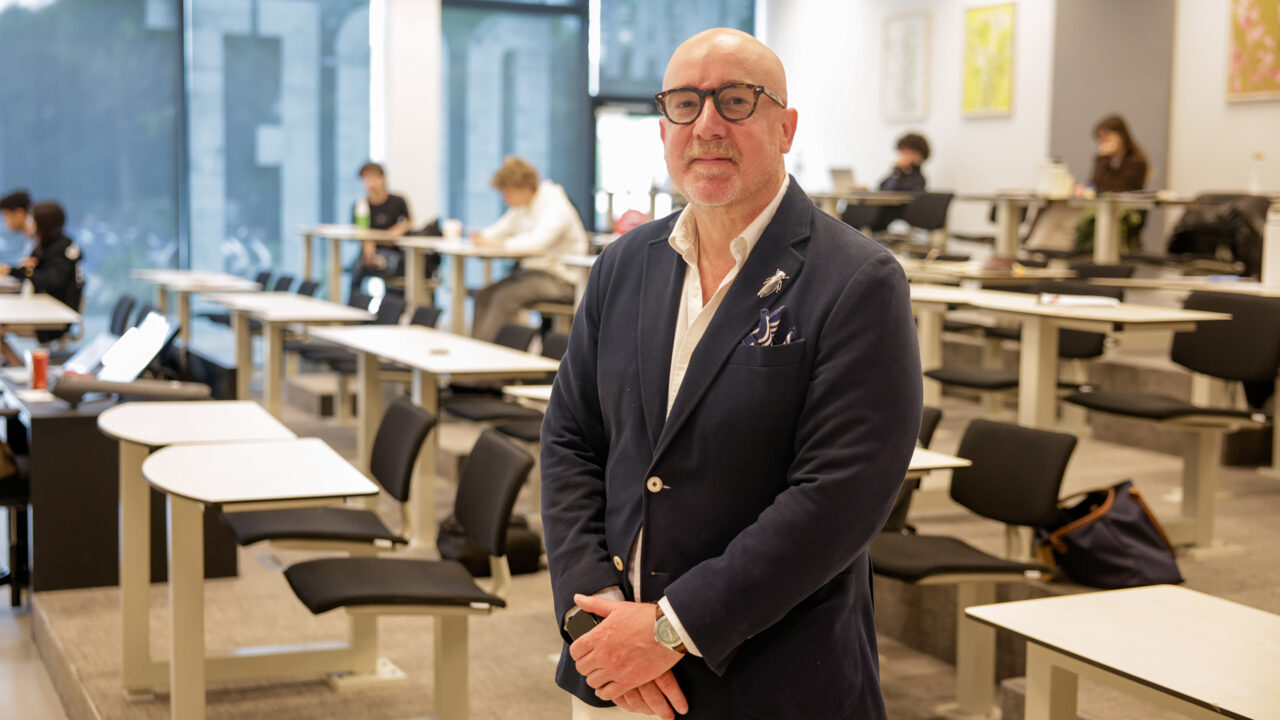
Education pioneer Etienne Augé: ‘Technology should give us more time for people’
Gepubliceerd op:-
Education
-
Comments
Comments are closed.
Ad
Read more in Column
-
Tea, theory and a healthy dose of procrastination
Gepubliceerd op:-
Column
-
-
The drama of Jason Arday
Gepubliceerd op:-
Column
-
-
The president of the Executive Board hopes scientists will draw energy from hot air
Gepubliceerd op:-
Column
-