Universities attract fewer students from both within the Netherlands and abroad


Dutch universities have once again welcomed fewer international bachelor’s students this academic year. But the number of Dutch first-year students has also fallen by 3.5 percent. In Rotterdam, the number of new bachelor’s students is declining slightly.
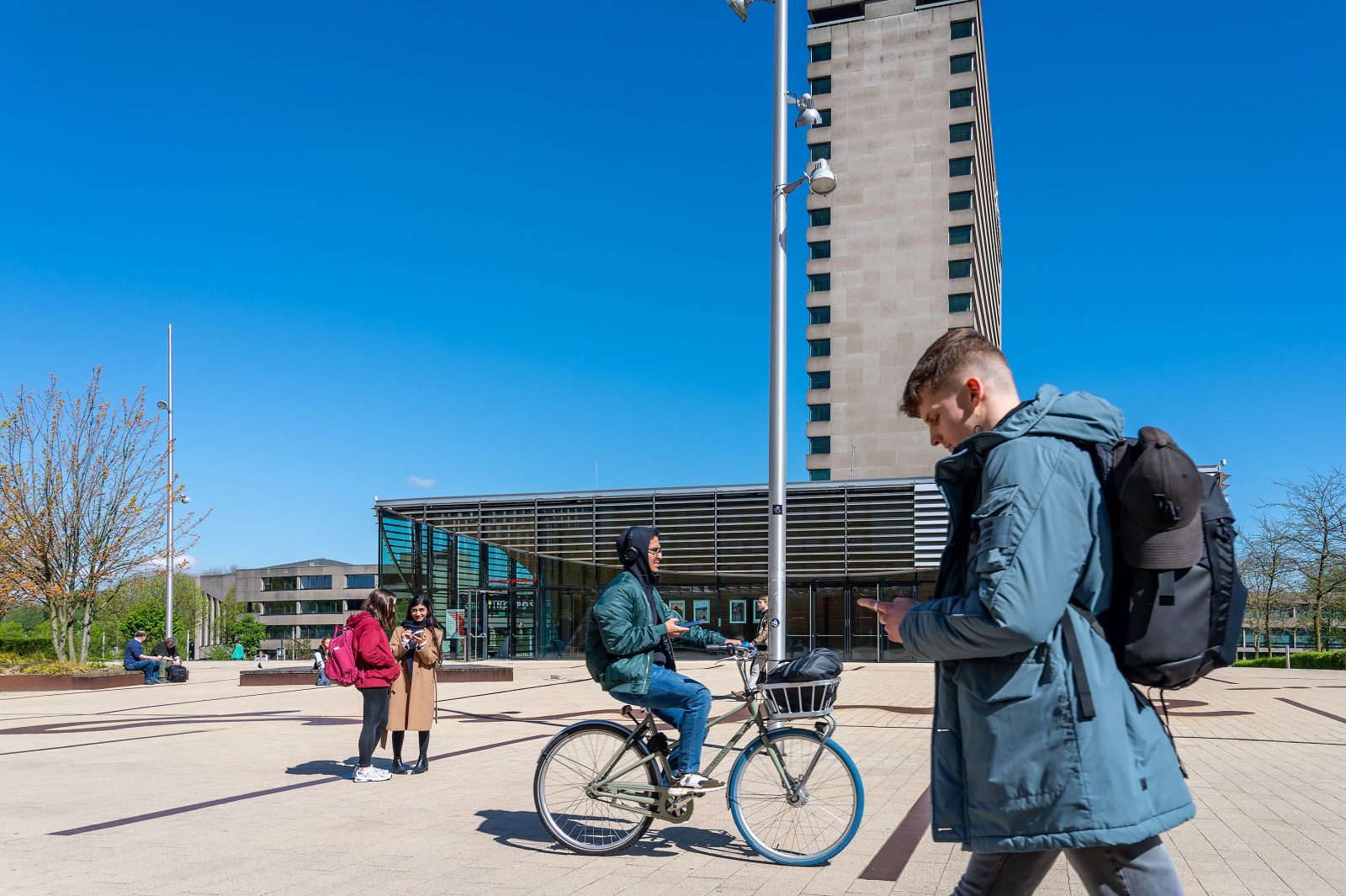
Image by: Ronald van den Heerik
For the third year in a row, fewer international bachelor’s students are coming to the universities. Students from Europe in particular are staying away. Last year, the number was down by 9 percent and this year by almost 5 percent. But the number of Dutch students has also decreased this year: intake fell by about 3.5 percent.
At Erasmus University, the number of international students remains the same, a spokesperson says. The total number of students has, however, fallen from 31,600 to 31,000. This drop seems mainly due to a higher number of students graduating last year. Because of the coronavirus peak – in 2020-2021 more students started because a gap year during the lockdowns was not attractive – more students graduated last summer than in other years.
The number of first-year bachelor’s students in Rotterdam is falling by 1 percent, from 8,100 to 7,900, while the number of master’s students is rising from 6,300 to 6,700.
These are provisional figures, based on the reference date of 1 October. They may differ significantly from the final intake figures, which will be announced in February. The provisional figures often still include students who, for example, enrolled in two programmes and drop one of them after September. As a result, many students are counted twice.
In total, 332,000 students are now enrolled at Dutch universities – more than six thousand fewer than last year. According to forecasts from the Ministry of Education, Culture and Science, this number will only continue to fall in the coming years.
Stable funding
Caspar van den Berg, chair of university association UNL, is concerned about the declining intake: “It is urgent that a new cabinet formulates a clear strategy for how we can continue to attract, train and retain talent.” That talent cannot come only from the Netherlands, he says: “We simply do not have enough young people for that.”
The falling number of students, combined with the cuts by the outgoing cabinet, is putting further pressure on the universities. UNL expects that this will lead to more programmes disappearing and research being halted. According to Van den Berg, ‘more stable funding for universities’ is therefore essential, so that institutions become less dependent on the number of students they manage to attract.
Universities of applied sciences
In universities of applied sciences, the intake of new students this academic year remains almost stable, according to figures from the Association of Universities of Applied Sciences. The number of bachelor’s students is falling slightly, particularly in technical bachelor’s programmes. But associate degrees and master’s at universities of applied sciences are attracting more students.
Lees meer
-

Number of German students in border regions plummets
Gepubliceerd op:-
Internationalisation
-
De redactie
-
 Tim Ficheroux
Desk editor
Latest news
-
Away with the ‘profkip’, says The Young Academy
Gepubliceerd op:-
Science
-
-

House of Representatives wants basic grant for university master after HBO
Gepubliceerd op:-
Money
-
Politics
-
-

Company takes a huge chunk of the student finance of at least 350 internationals
Gepubliceerd op:-
Internationalisation
-


Comments
Comments are closed.
Read more in Internationalisation
-
Company takes a huge chunk of the student finance of at least 350 internationals
Gepubliceerd op:-
Internationalisation
-
-
Number of German students in border regions plummets
Gepubliceerd op:-
Internationalisation
-
-

Fewer students choose the United States
Gepubliceerd op:-
Internationalisation
-