Negotiators receive wish lists from students, education and research
What should the next coalition agree on regarding higher education and research? Informateur Sybrand Buma has received letters from the National Student Union, university association UNL and the Education Council.
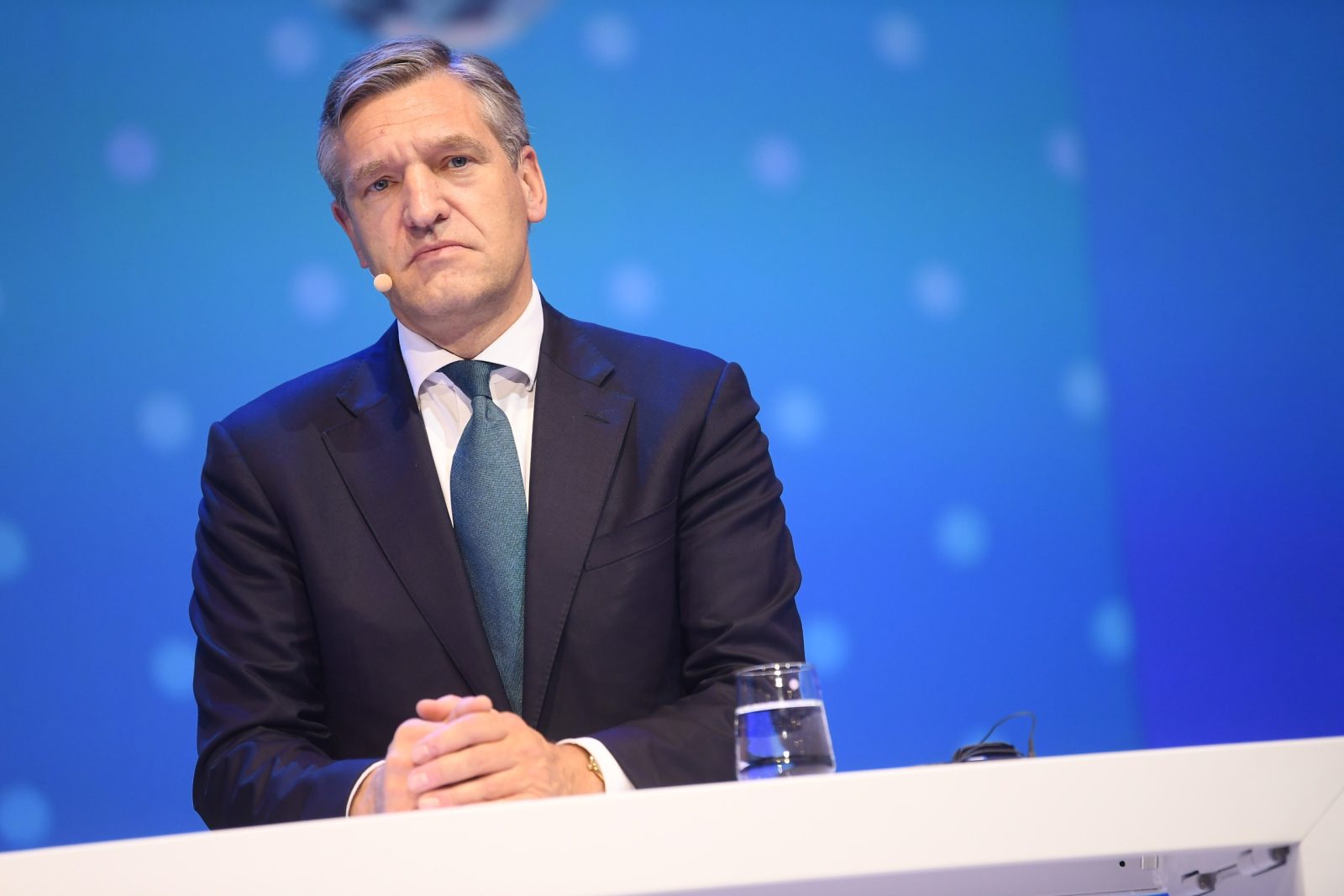
The elections have taken place, but there is no new government yet. D66 and CDA have started negotiations for a new coalition. After that, they will look at which parties might join.
Everything is still in flux. There are no coalition agreements on paper, so the parties are receiving wish lists from all sides: put this in your agreements, is the constant message.
Students: zero percent interest
The LSVb is doing that too. The student union, which also understands the need to keep things concise, sends four wishes. These are: a higher basic grant, zero percent interest on student loans, housing benefit for student rooms and, finally, the abolition of binding study advice for first-years.
This way, politics can tackle students’ financial problems and at the same time reduce the pressure to perform, is the idea. Each of the four wishes comes with a short explanation.
Universities: invest more
The Universities of the Netherlands take a different perspective. Universities are not only good for economic growth and innovation, but also play a crucial role in all politically important themes. UNL lists: affordable healthcare, the shortage of teachers, climate change, geopolitical developments, biodiversity, questions about strategic autonomy, nitrogen issues and the energy transition.
Because universities train people who can address these problems and, in addition, offer new insights thanks to their research. To spend one percent of GDP on R&D, an additional investment of 2.6 billion euros per year would be needed. “Not only in universities, but also in universities of applied sciences, TO2 institutes and research facilities”, UNL writes.
The Association of Universities of Applied Sciences will also write such a letter, a spokesperson says, but it is not ready yet. As all interest groups choose their own approach, that letter will undoubtedly place more emphasis on the importance of good professional education and practice-based research for the whole of the Netherlands and for the prosperity of the regional economy in particular.
Education Council: ‘Broad benefits’
The Education Council provides requested and unsolicited advice on education, so why not to the parties forming a new government? The council’s equally short letter stresses the ‘broad benefits’ of education and the contribution of education to a ‘resilient society’.
Cutting education, as the Schoof government is doing, is not a good idea in the council’s view. “Those cuts faced heavy criticism, not only from the education sector, but also beyond. And not without reason.”
The council: “The broad social importance of good education for everyone and the contribution of education to economic growth, prosperity, democracy, equal opportunities, safety, health, citizenship and social cohesion justify solid public funding.”
SER: Room for knowledge
The Social and Economic Council, in which entrepreneurs, employees and experts discuss the economy and society together, has also drafted a letter. It covers topics such as pensions and labour migration, but also ‘space for knowledge and entrepreneurship’.
This space requires a good business climate and attention to labour productivity, ‘among other things through investments in research and innovation’. One of the recommendations: “Increase public and private investments in R&D and reverse the cuts to education and research.”
The opposition in the House of Representatives was keen to point out to the PVV, VVD, NSC and BBB government that the business sector, too, opposed the cuts to education and research. The governing parties never had much to counter that.
Media: involve us in AI
For the first time, all major Dutch media outlets have also sent such a letter together. They explain that they are concerned about the dominant role of tech companies. Those companies pose a ‘serious threat to democratic resilience, but also to strategic autonomy and therefore the security of the Netherlands’, the letter states.
One of the solutions: involve the media in the development of AI. “A great deal is being invested in AI, and the Netherlands wants to be a leader in that, but the news sector and its crucial role in the AI ecosystem are currently not an integral part of those plans”, they argue. “Explicitly involve the media sector. And ensure that policy enables the media to contribute to new AI technology.”
Read more
-

What does the election result mean for students and higher education?
Gepubliceerd op:-
Politics
-
De redactie
Latest news
-
Away with the ‘profkip’, says The Young Academy
Gepubliceerd op:-
Science
-
-

House of Representatives wants basic grant for university master after HBO
Gepubliceerd op:-
Money
-
Politics
-
-

Company takes a huge chunk of the student finance of at least 350 internationals
Gepubliceerd op:-
Internationalisation
-

Comments
Comments are closed.
Read more in Politics
-
House of Representatives wants basic grant for university master after HBO
Gepubliceerd op:-
Money
-
Politics
-
-

Returns on knowledge can indeed be predicted, economists argue
Gepubliceerd op:-
Politics
-