Ad

Jaddoe appointed as fifth Erasmus Professor during Dies

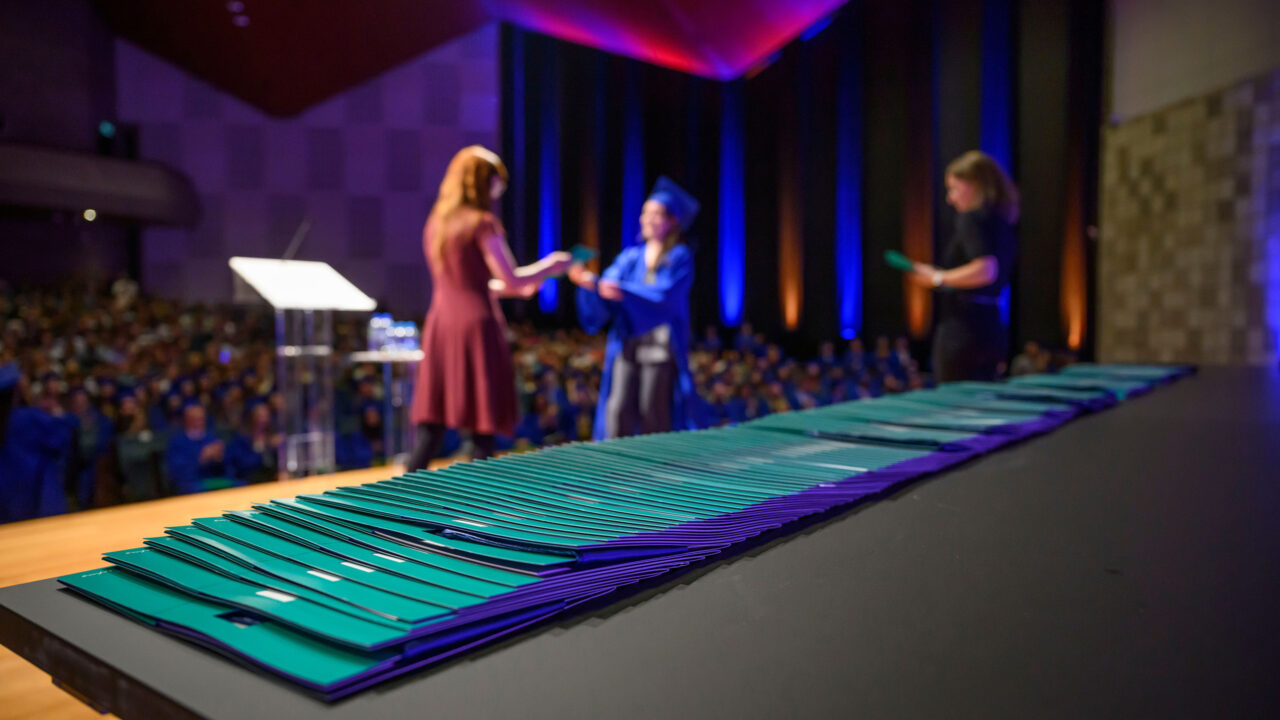
Vincent Jaddoe was presented as an Erasmus Professor during the Dies Natalis ceremony. Rector magnificus Jantine Schuit announced the appointment on Monday during the celebration. Jaddoe is the fifth Erasmus Professor, a relatively new position at the university aimed at creating societal impact.
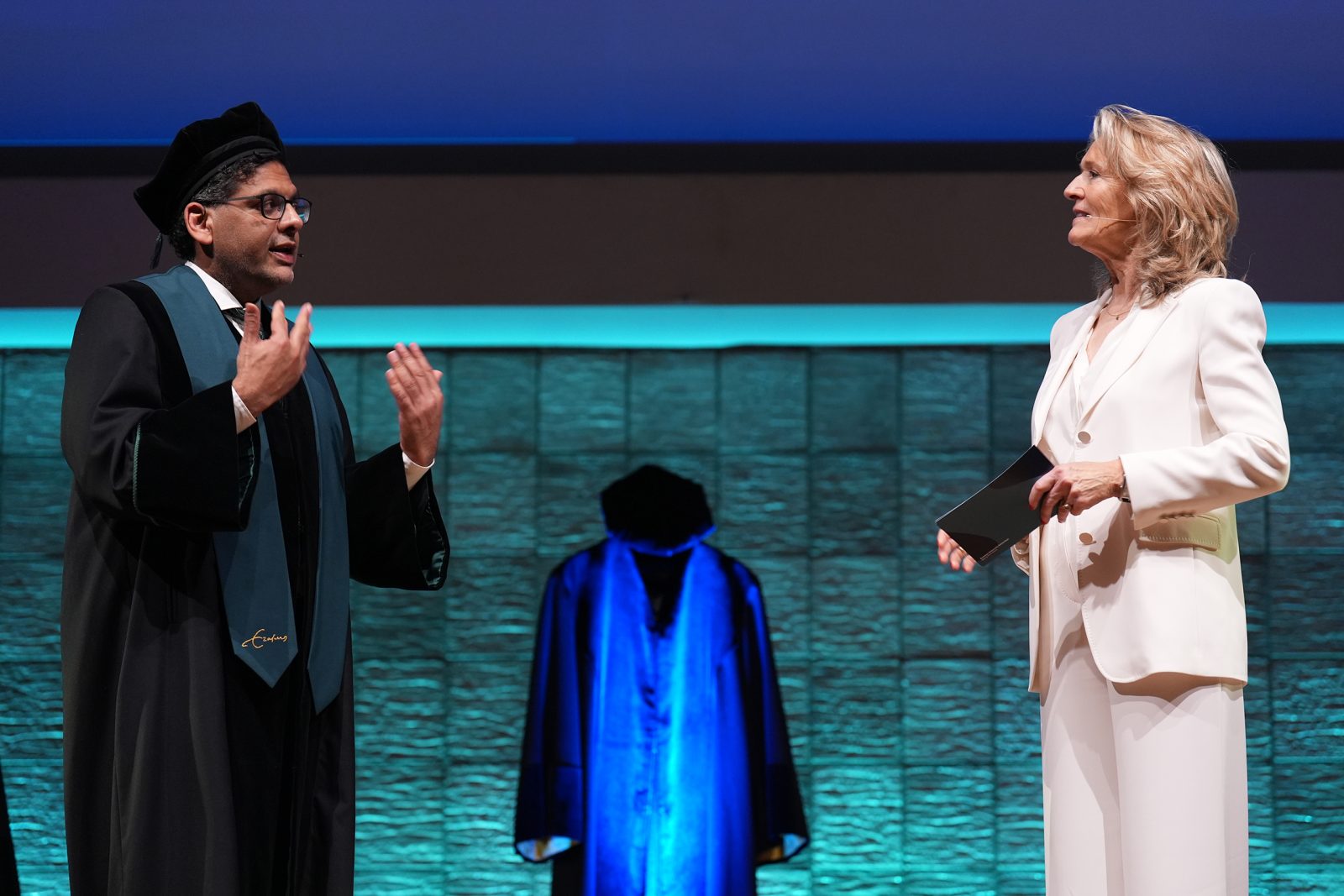
The newly appointed Erasmus Professor Vincent Jaddoe is interviewed by host Simone van Trier.
Image by: Arie Kers
The professor of Paediatrics and Epidemiology at Erasmus MC will, over the next five years, have the opportunity, time and budget to focus on creating social impact. Jaddoe is already doing so through the Generation R programme, in which he and fellow researchers have been following ten thousand Rotterdam residents from birth. With this new appointment, Jaddoe hopes to ensure that the results of this research ‘find their way even more deeply into society’. Eveline Crone, Moniek Buijzen, Frank van Oort and Jun Borras were previously appointed as Erasmus Professors.
Groundbreaking contribution
In her Dies speech, rector magnificus Jantine Schuit called for curiosity towards one another, as ‘curiosity connects and knowledge transforms’. “It is time that we start using language that connects rather than alienates. That means listening more carefully to the people in the city. Let them tell their stories, share their ideas”, she told the audience in the Aula.
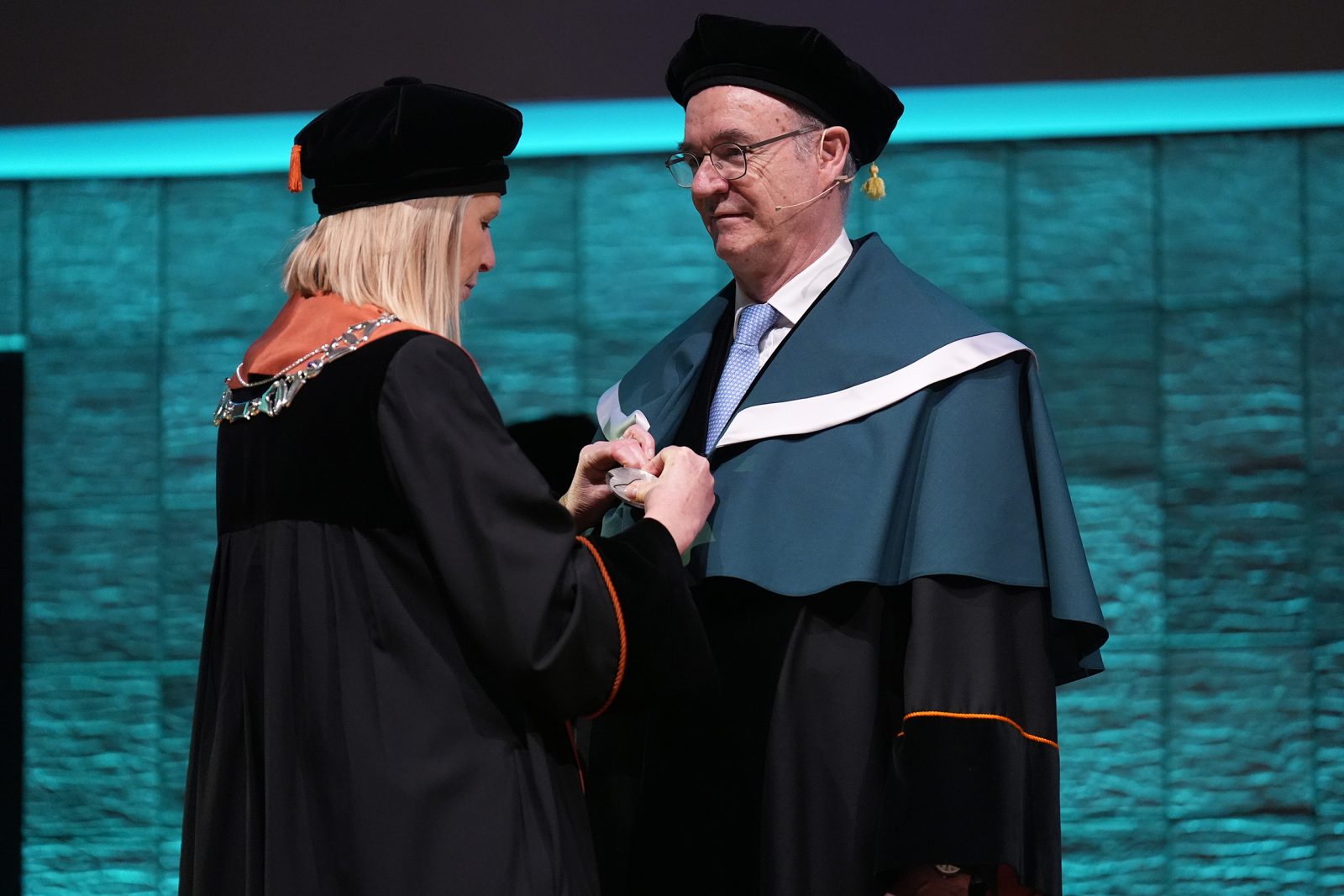
Besides Jaddoe, British professor Patrick Bolton was also invited on stage during the Dies. He received an honorary doctorate from the Rotterdam School of Management, presented by RSM professor Dirk Schoenmaker.
The professor of Finance and Economics at Imperial College London received this honorary title for his ‘groundbreaking contributions in the fields of contract theory, corporate finance and industrial organisation’. In recent years, Bolton has focused on climate finance, exploring how companies can also act responsibly.
Awards
Een lijst van afbeeldingen
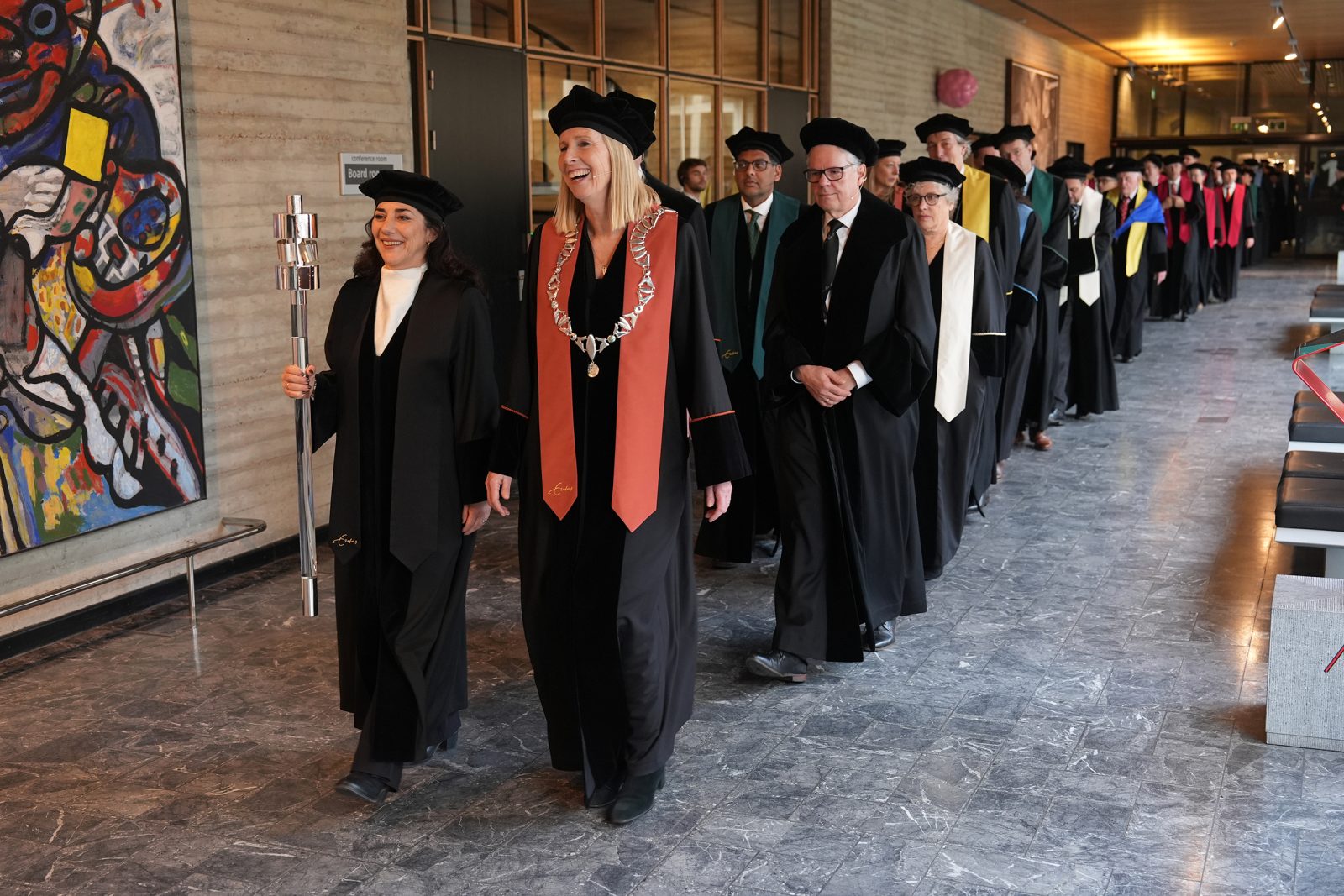
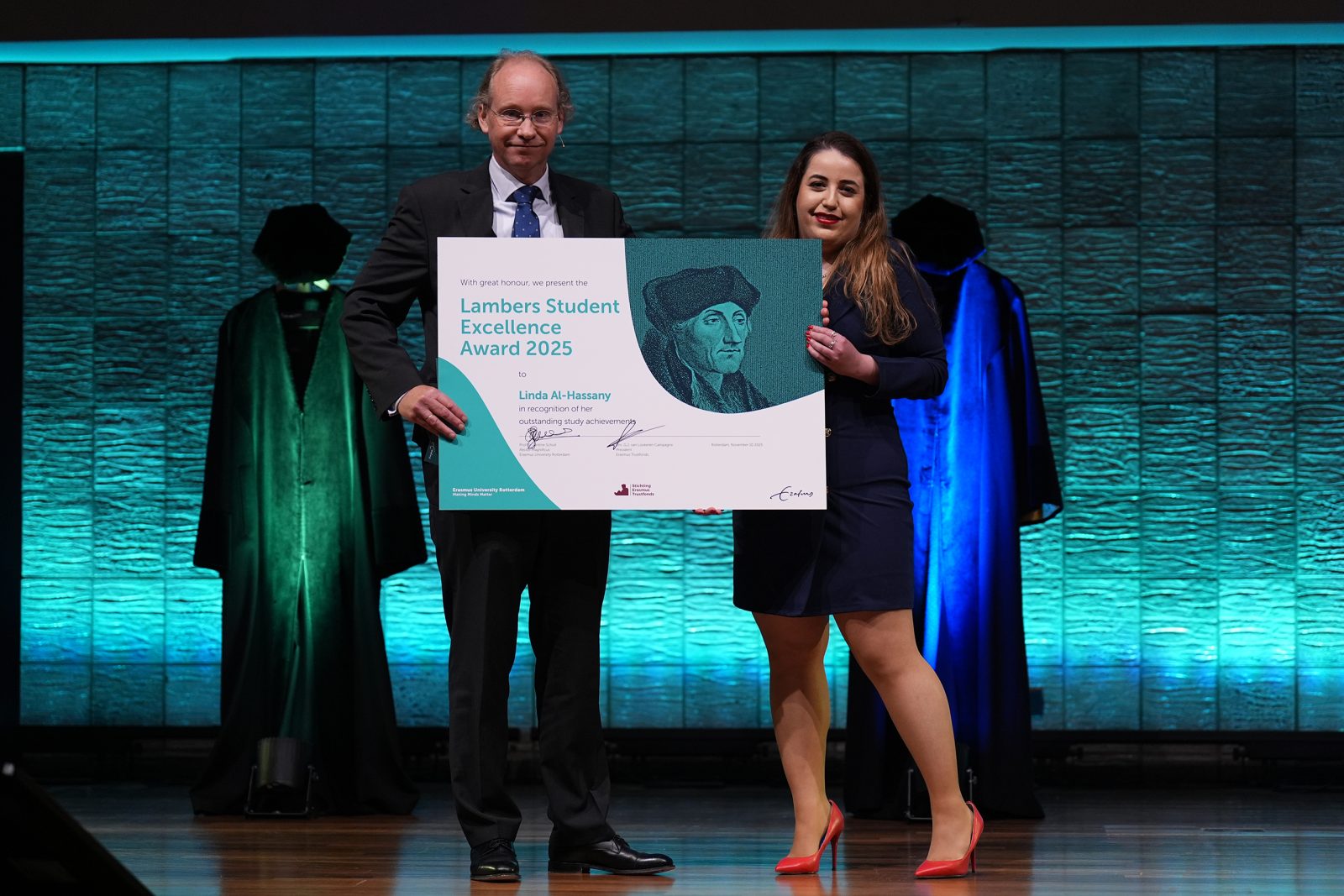
The university also presented three awards to staff members or students who had distinguished themselves over the past year. The Lambert Student Excellence Award went to Linda Al-Hassany, who graduated cum laude at Erasmus MC and subsequently obtained her PhD cum laude with research on the relationship between migraine and cardiovascular diseases, with, according to the jury, a special focus on the role of ethnic minorities in that research. “Linda works hard, has a broad vision, a great intellect and a warm personality”, the jury report stated. The award includes a prize of 4,000 euros.
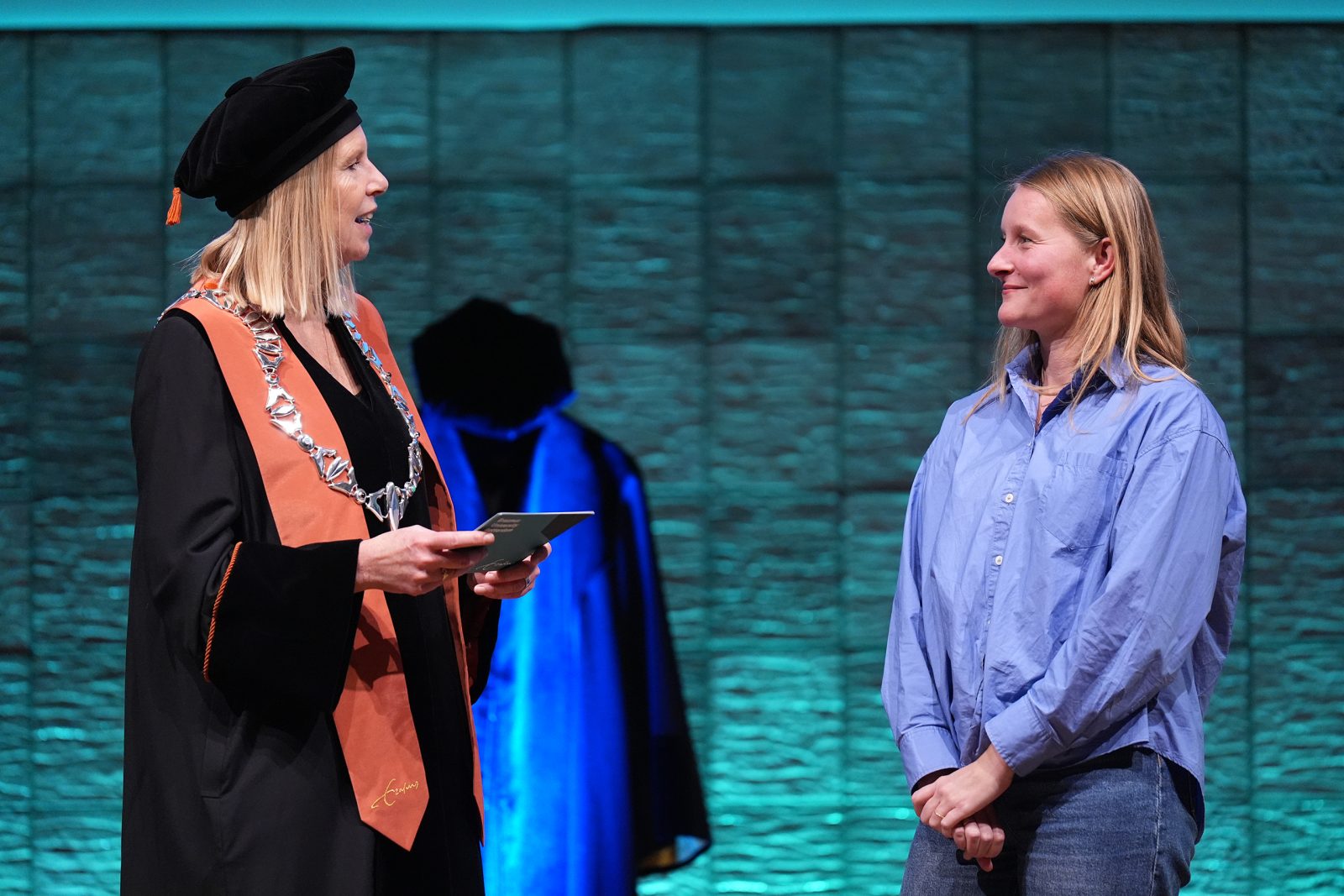
Schuit presented the 2025 Research Prize, worth 7,000 euros, to Vivian Visser from the Erasmus School of Social and Behavioural Sciences. Visser researches how government communication can be designed in such a way that social inequality is reduced. For instance, she discovered that some citizens feel insecure due to the ‘verbal nature’ of civic participation, such as during oral debates. As a result, some municipalities are now experimenting with other, less language-dependent forms of participation.
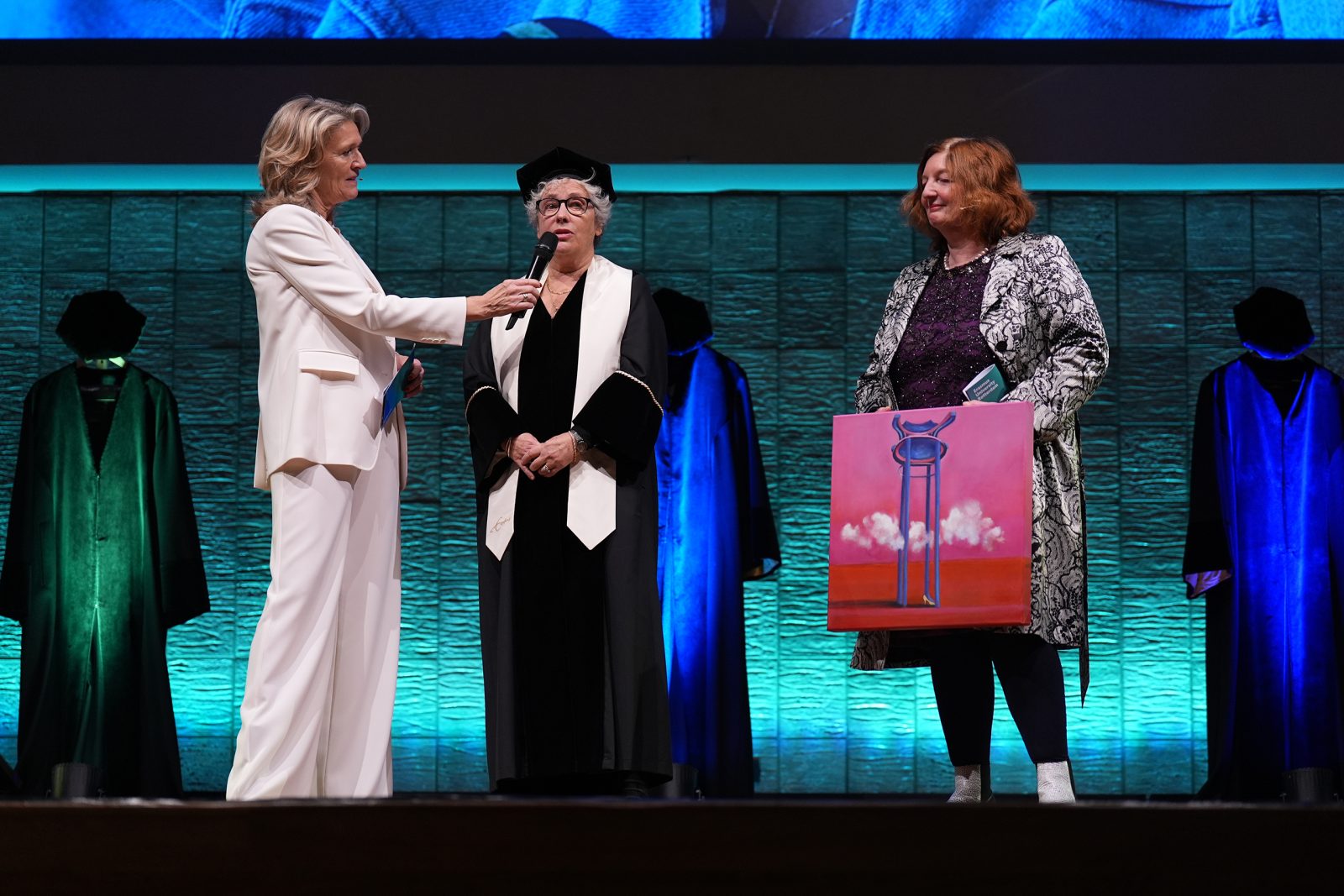
The final award of the afternoon, the FAME Athena Award for individuals committed to gender equality, was presented by Executive Board vice-chair Ellen van Schoten to Wendy Harcourt of the International Institute for Social Studies. According to Van Schoten, Harcourt is a loyal ally for women who are still at the beginning of their academic careers. Harcourt herself cited colleagues from the Global South as her role models and called for ‘solidarity in these turbulent times’.
Read more
-

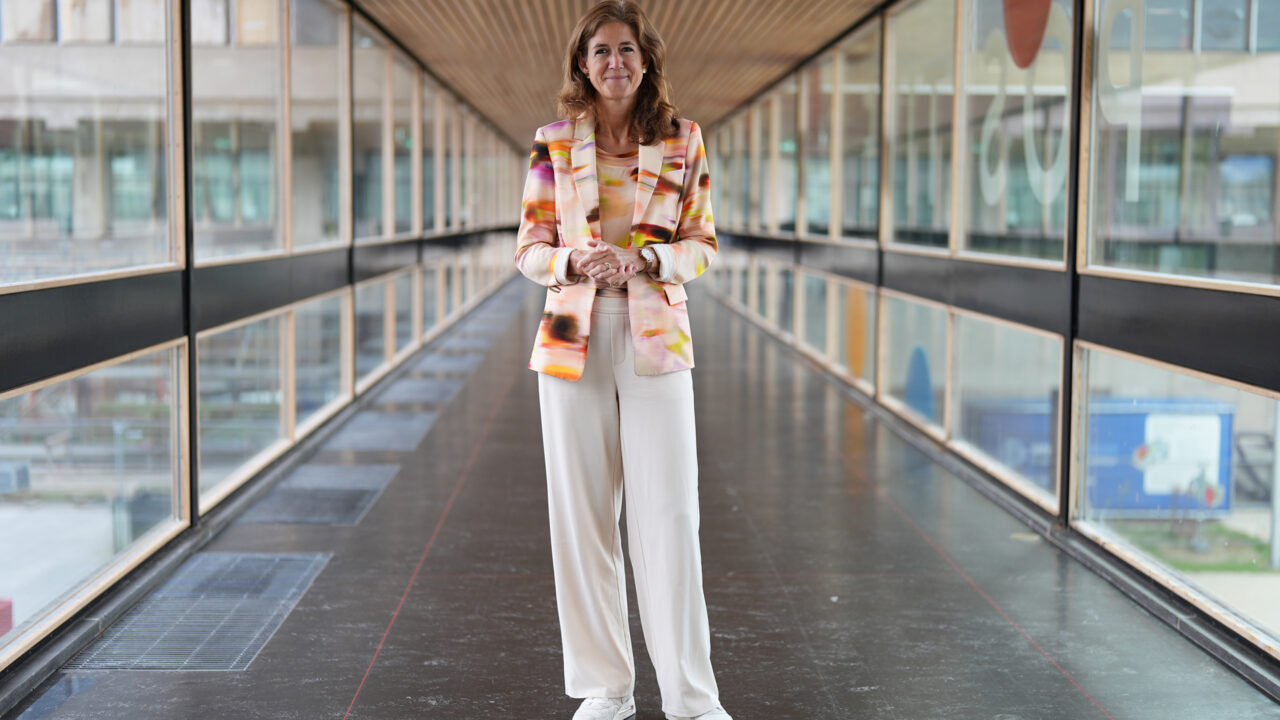
New ‘Erasmus Professors’ Crone and Buijzen to create impact for five years
Gepubliceerd op:-
Science
-
De redactie
-
 Elmer Smaling
Deputy editor-in-chief
Latest news
-
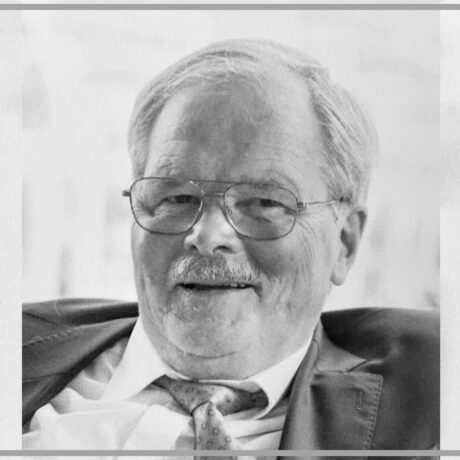
In memoriam Rob van der Wal
Gepubliceerd op:-
In memoriam
-
-
Lively trade in tickets for graduation ceremony: ‘Excessive prices are undesirable’
Gepubliceerd op:-
Student life
-
-
University president on powerhouses: ‘If we do nothing, we will hit a wall’
Gepubliceerd op:-
Governance
-
Comments
Comments are closed.
Ad
Read more in Science
-
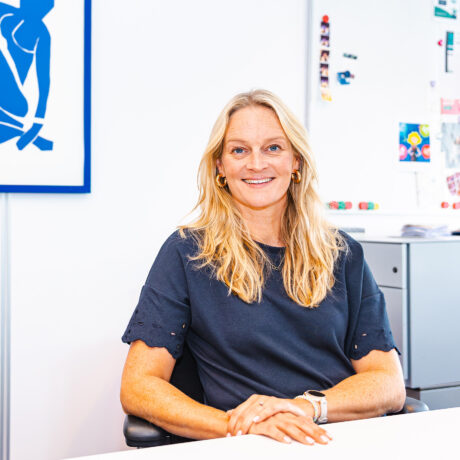
Did your parents know what your sex life was like when you were eighteen?
Gepubliceerd op:-
Eureka!
-
-
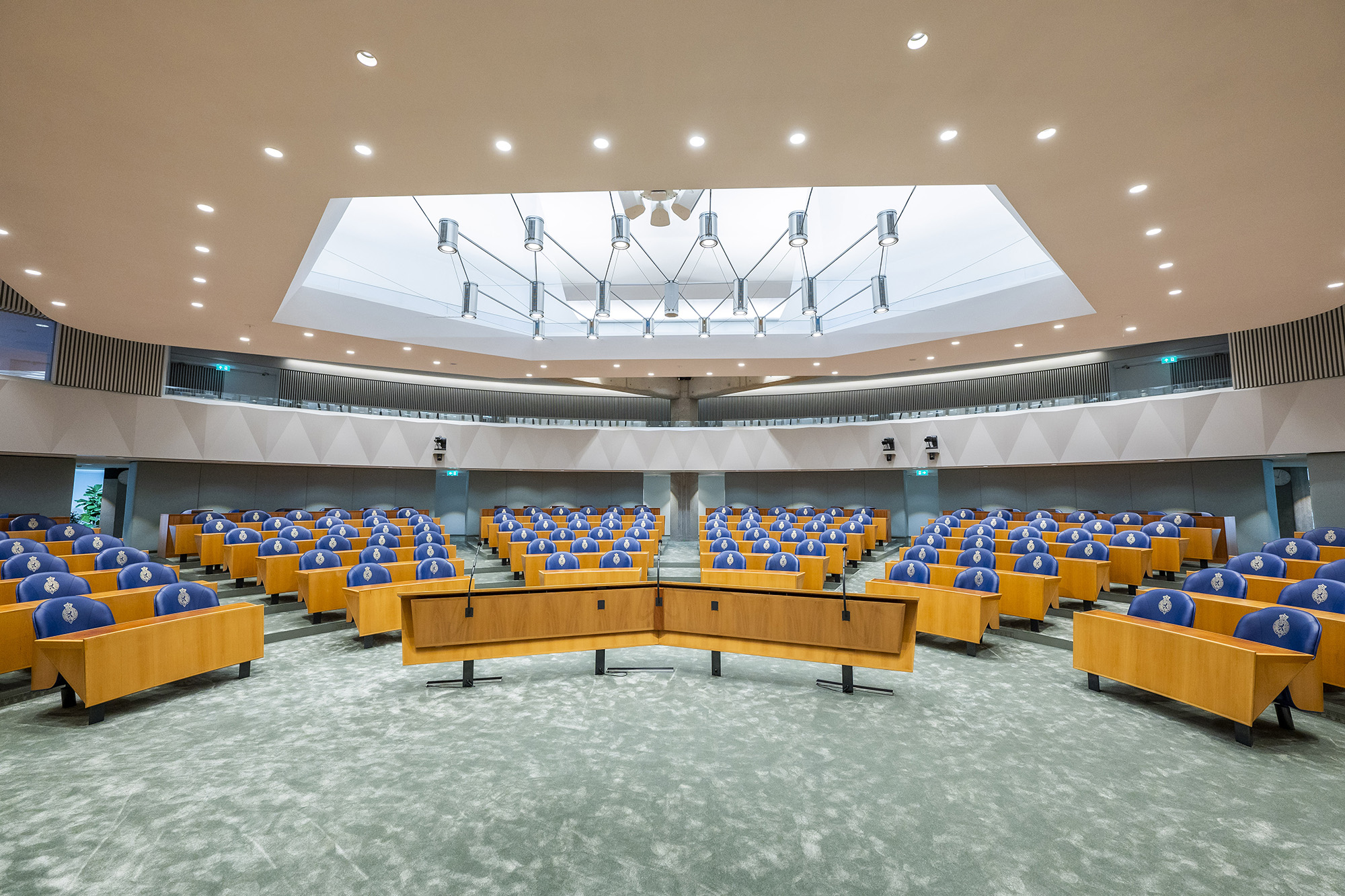
Universities must demonstrate their economic value, says House of Representatives
Gepubliceerd op:-
Politics
-
Science
-
-

Leaving money to a university? Many people do not know it is possible
Gepubliceerd op:-
Science
-