Ad

Twente stops with ‘cum laude’ for PhD degrees

Men are awarded their PhD ‘cum laude’ (with distinction) more often than women, even when there is no scientific reason for it. That is why the University of Twente will no longer make this distinction.
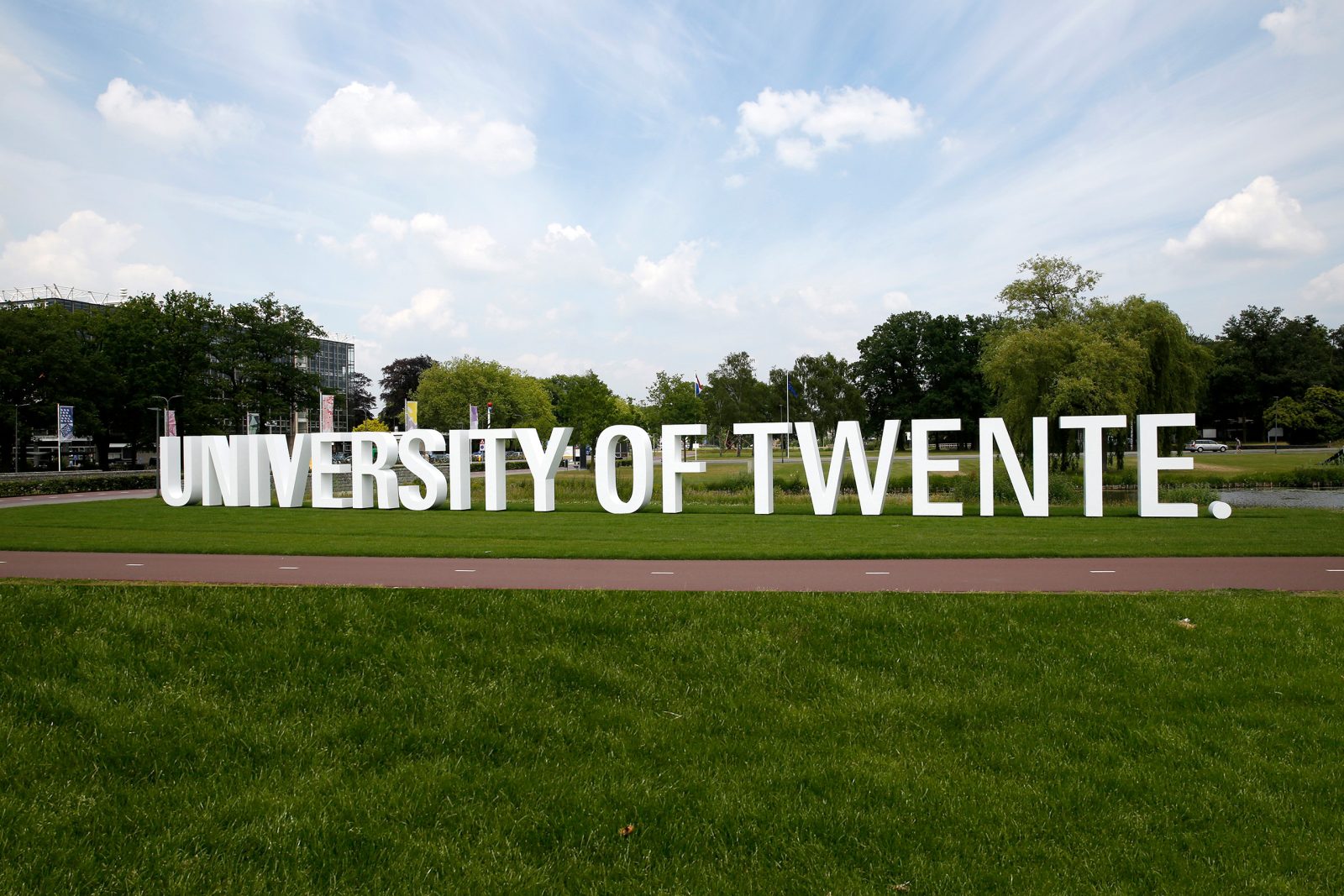
The main entrance of the University of Twente campus.
Image by: University of Twente
Twente is the first Dutch university to abolish the cum laude designation for PhD candidates. This will take effect on 1 January, reports U-Today.
Roughly five percent of PhD degrees are awarded cum laude. Research has shown several times that women receive this honour less often. In 2018, the newspaper NRC identified the pattern. Later, research by sociologist Thijs Bol confirmed the problem. He also observed that the more men there were on a PhD committee, the greater the difference became.
A year later, the same pattern was visible at another university. The difference could also not be explained by the quality of the dissertation, according to an article by organisational scientist Peter van den Besselaar.
PhD candidates Network Netherlands
“It’s good that people are reflecting on the content and assessment of the PhD process”, says Martijn van der Meer, chair of the PhD candidates Network Netherlands. For according to him, there are more problems than just gender bias.
“Some PhD candidates have to teach a lot, while others don’t”, he says. “Sometimes PhD candidates don’t even have an employment contract. One receives more facilities than another. Such differences can be amplified when you introduce distinctions in assessment.”
You receive your doctorate when a committee of professors and experts is convinced that you are capable of conducting independent scientific research, Van der Meer emphasises. “But that is something different from saying: this candidate is better than other candidates. The question is whether a committee can really make that comparison.”
In any case, discussions are ongoing about the PhD process, says Van der Meer. “Do you only obtain a PhD with a written text? Or, in a good PhD trajectory, could you also engage in science communication and make social impact?”
Politics
Earlier, some bachelor’s and master’s programmes had already abolished the cum laude designation, as it was thought to create unnecessary mental pressure. Some members of the House of Representatives view this trend in higher education with suspicion.
The VVD, for example, believes that striving for excellence should be a ‘personal freedom’ and last year submitted a motion stating that performance-based distinctions such as honours programmes and cum laudes should remain possible in education.
That motion passed at the time, but it would no longer do so now. In the new House of Representatives, the parties that voted against it (D66, CDA, GroenLinks–PvdA, SP, ChristenUnie, SGP and the Party for the Animals) together hold exactly 76 seats.
Lees meer
-

Male PhD students more likely to obtain ‘cum laude’, although not based on quality
Gepubliceerd op:-
Science
-
De redactie
Latest news
-

Students and staff join the Pride March: ‘We must stand up for this community’
Gepubliceerd op:-
Diversity
-
-

EM TV newsflash: Too many internationals, too many information platforms and more collaboration with the military
Gepubliceerd op:Article type: Video-
EM TV
-
-

18-year-old student dies after ‘hazing party’ in France
Gepubliceerd op:-
Student life
-



Comments
Comments are closed.
Ad
Read more in Science
-

Did your parents know what your sex life was like when you were eighteen?
Gepubliceerd op:-
Eureka!
-
-

Universities must demonstrate their economic value, says House of Representatives
Gepubliceerd op:-
Politics
-
Science
-
-

Leaving money to a university? Many people do not know it is possible
Gepubliceerd op:-
Science
-