Ad

Social Advisory Council wants the people of Rotterdam to take to the streets if the university comes under fire
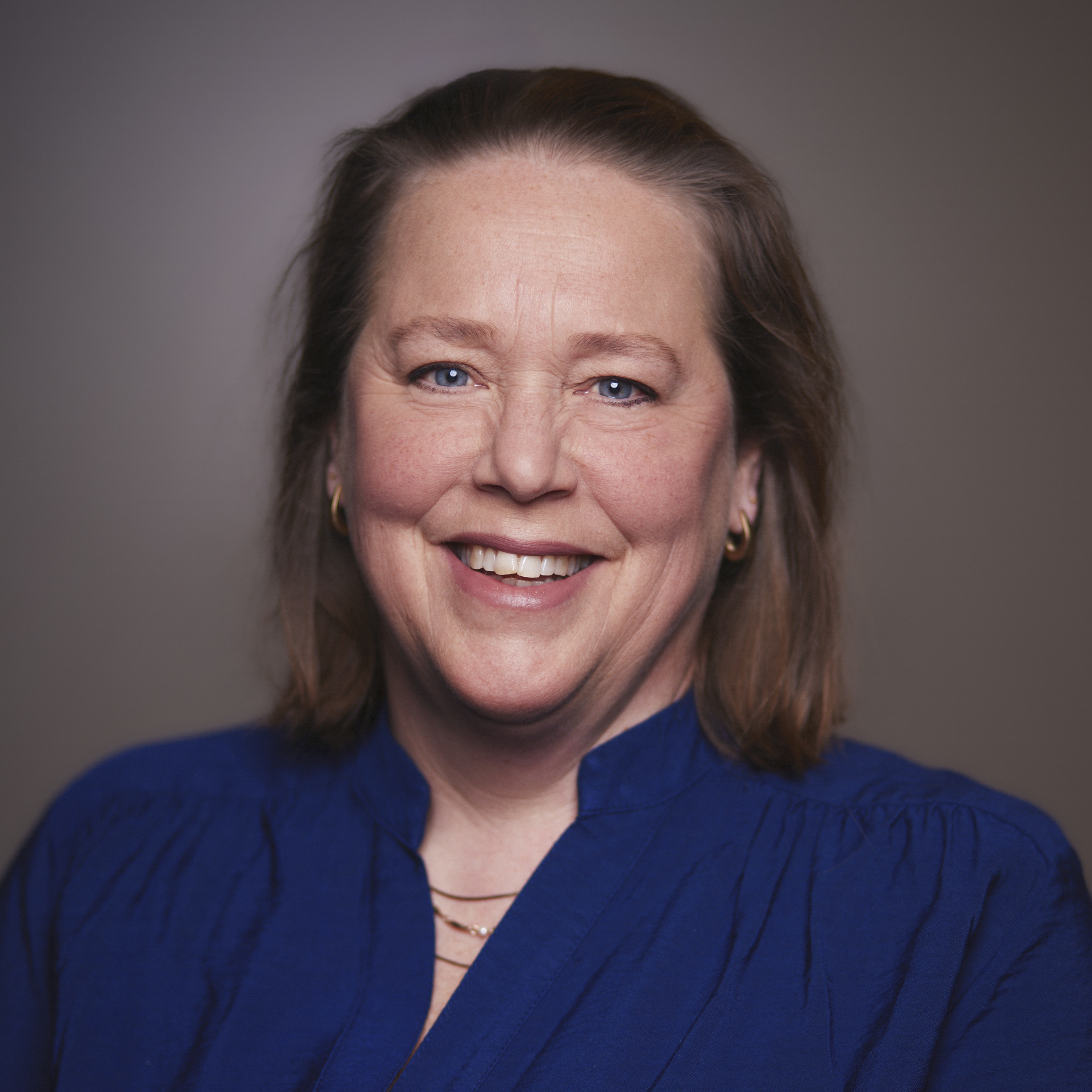
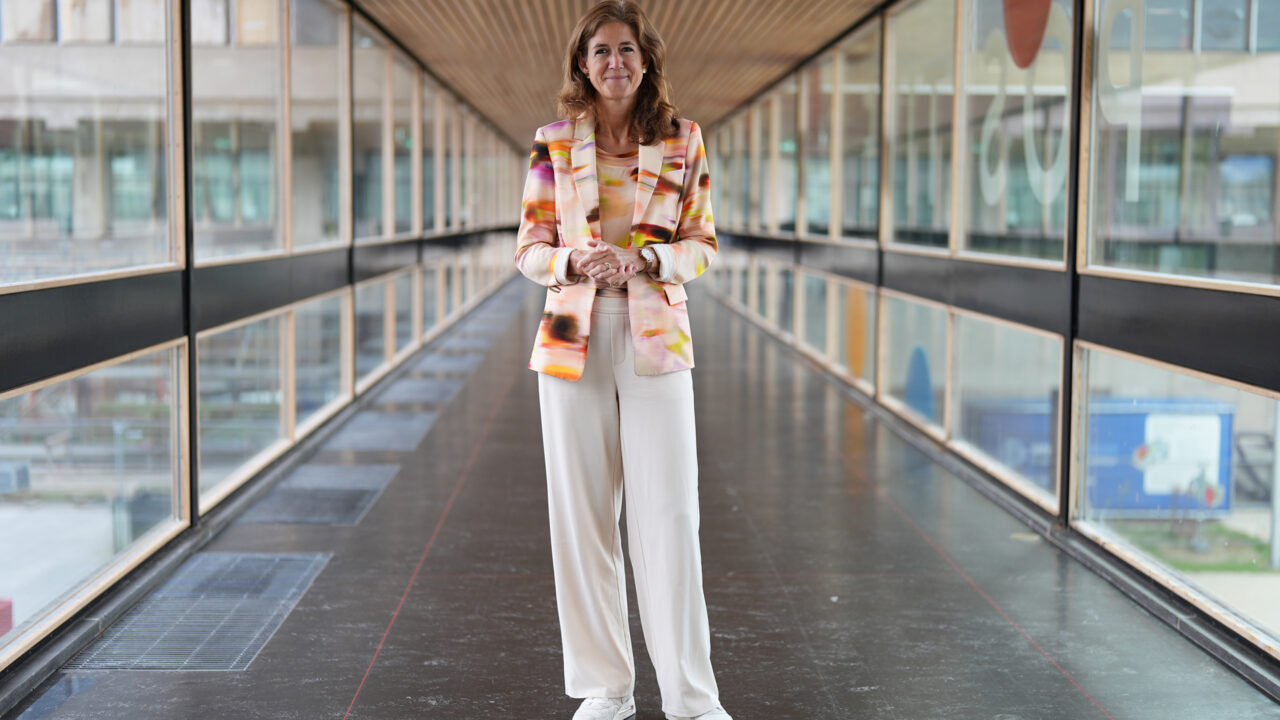
With a Social Advisory Council, the university hopes to extend its antennae further into society. The council was established this autumn and aims to ensure that the people of Rotterdam become as attached to the university as the university is to them. Marguerite Soeteman-Reijnen, former top executive at Aon among other roles, is chair of this new body. Four questions about the council’s purpose and the university’s blind spots.
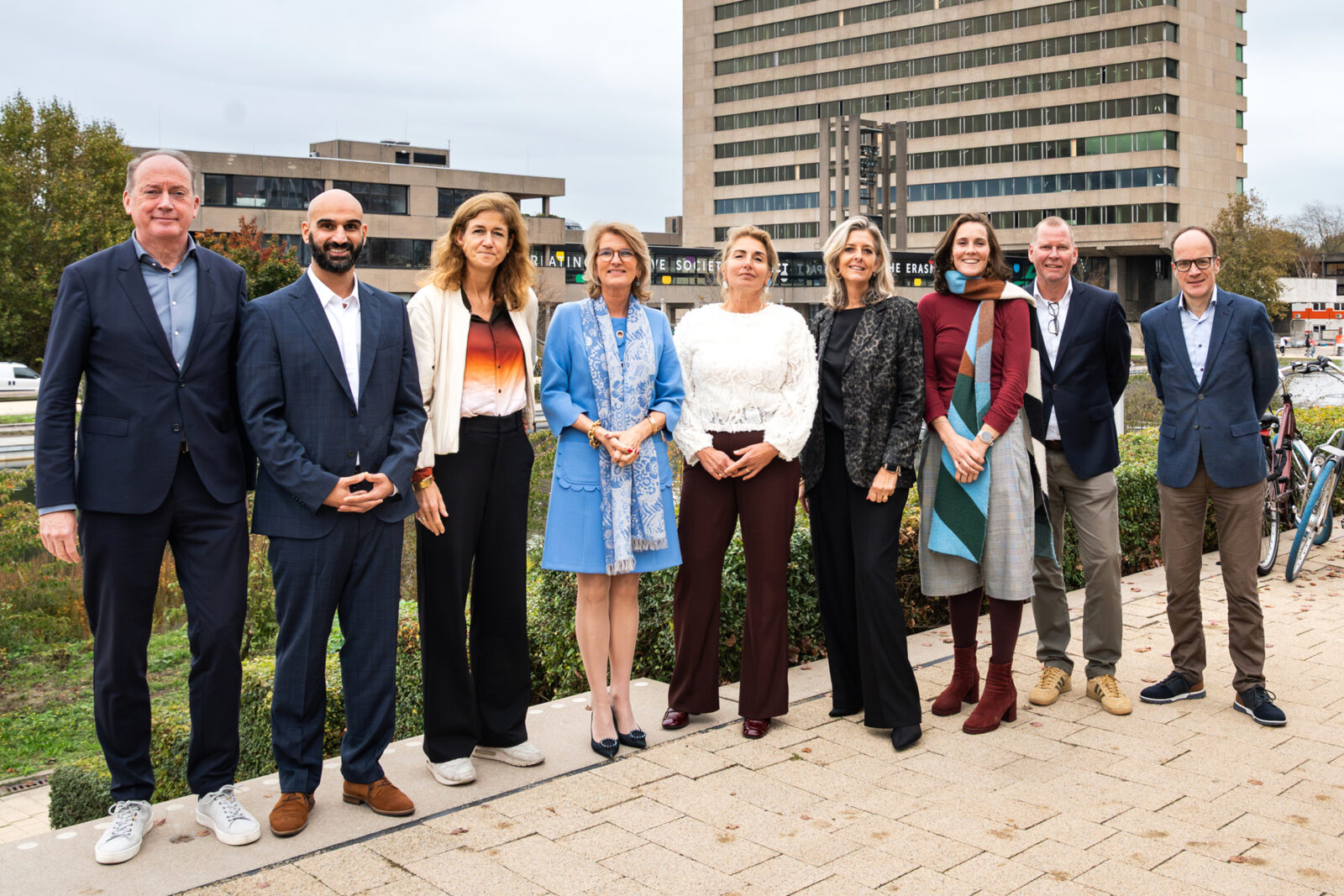
The Social Advisory Council, chair Marguerite Soeteman-Reijnen fourth from the left.
Image by: Erasmus Universiteit/Jonathan van Rijn
What do you see as the role of the council?
“I see the Social Advisory Council as a court jester. In the old days, the jester at court was allowed to express his opinion both nuanced and unnuanced. He was really the only one who could truly tell the king what he thought.
“We too are like such a spider in the web of Erasmus University. We are alongside the Executive Board but outside the formal governance structure, offering our perspective on anything affecting the university in terms of strategy and engagement with the wider world. So that the antennae are tuned in correctly.
“This is a very different Erasmus University from the one I studied at thirty years ago – we didn’t have so many choices back then. Today, information is more accessible, abundant and diverse, which has made society more complex. The world has changed and young people – and I feel it too, by the way – sense that.
“Even though life is still good in the Netherlands, we shouldn’t become complacent. It’s easy to stay in your own bubble. In the past, you had castles, and from the castle wall you could see what was happening in the village below. Now, the point is: how do you take those walls down? You need to be among the people to understand what’s going on, how you can contribute to that, and how it relates to you as a university.”
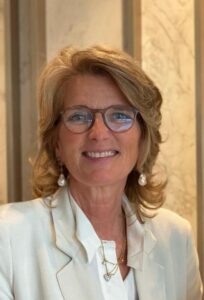
Marguerite Soeteman-Reijnen
Image by: Own photo
What will the council focus on?
“The members are people who are willing to channel and express their opinions. We’ll meet around four times a year, but if something were to happen now and I thought, ‘well, they’ve really got it wrong here’, I wouldn’t wait – I’d pick up the phone right away to ask what’s going on.
“I see it as the council’s role to ask questions and, through dialogue, to discover whether the university is still on the right track or if something else is needed. We’ve agreed not to give specific feedback just yet – we’re starting by familiarising ourselves with the background.
“The Executive Board can present its dilemmas to us, but we will also raise issues we consider important. And we may also start talking with students and staff.”
What do you see as the university’s blind spots where the council can help?
“As a researcher, you might think you’ve done something brilliant, but if you don’t explain it to anyone and nothing is done with it, it will never take off. The point is to unlock that knowledge. I liked what Mayhar (Zarrinphaker, also a member of the SAC – ed.) said: ‘Many people still see EUR as an elitist institution.’ That was a blind spot for the university for a long time, but with this council and this strategy we’re breaking down that ivory tower.
“Look at the issues our society will face in the coming years – around sustainability, for example, and the rise of AI. These need to be solved, and it won’t be just Erasmus students who do it. Partly, of course, but also people with practical training, such as those from senior secondary vocational education. So how can we improve collaboration with them?
“How can we ease the tensions between the university, vocational colleges and universities of applied sciences? Everyone plays an equally valuable role in solving the existential problems our society faces. But that’s not always how it’s perceived.
“The university could also show more humility. For example, if you were to open up the street here right now, you’d see lots of cables. To get something working again in the event of a fault, you need knowledge – but you also need people who can actually do the work on site. Mechanics and plumbers are the potential millionaires of the future. So how does the university stay relevant?
“Another point is that the university feels strongly connected to the city – but is that feeling mutual? Is the university doing enough to translate its work to society and the city? Is it clear enough, and is it being communicated well enough, what the university is actually doing?”
When will the Social Advisory Council be a success for you?
“At one point someone said: if Feyenoord were to leave Rotterdam, everyone would take to the streets. But if Erasmus University were to announce it was moving to The Hague, what would happen then?
“To compare: if Harvard decided to close its doors and move to Toronto – which was a real possibility – it would have a huge impact on Boston’s economy, and on how people there feel. People would really take to the streets over that.
“Ultimately, you want that kind of commitment and engagement in Rotterdam as well. That people from Rotterdam – and across the Netherlands, because this isn’t just about Erasmus – understand that universities are crucial breeding grounds for new ideas and innovation. So if in a few years’ time people have a clearer idea of what the university stands for, then we will have been successful.”
Social Advisory Council
Erasmus University has established a Social Advisory Council (SAC). The eight-member council consists of individuals who have proven themselves in society and the business world. The council can provide the university with both solicited and unsolicited advice on its societal role. The council held its first meeting in October and is now reading up on the university’s new strategy. Erasmus University wants to be an engaged university and strengthen and make more visible its role in the city and society.
The members are
Eric van ’t Zelfde – Social worker, Pauluskerk Rotterdam
Mayhar Zarrinphaker – Social entrepreneur, Stichting Werkshop
Marguerite Soeteman-Reijnen – Holds various supervisory positions including at Siemens and MN
Sabine Biesheuvel – Director, BlueCity
Jacqueline Prins – Chair of the Executive Board, Zadkine
Julia Mendlik – President, Rotterdam District Court
Jurgen Rienks – Director, Nether
Rosalinde van der Vlies – Director-General for Energy, European Commission
De redactie
-
 Wieneke Gunneweg
Editor-in-chief
Latest news
-
TU Delft may not favour women in admissions to courses
Gepubliceerd op:-
Education
-
-

Hate campaigns and political pressure: KNAW wants legal protection for academic freedom
Gepubliceerd op:-
Science
-
-
Signing up for a Dutch course ‘feels like a race’, no more places available for now
Gepubliceerd op:-
Internationalisation
-

Comments
1 reactie
Comments are closed.
Ad
Read more in Governance
-
Staff will soon be able to use new risk guide to assess for themselves whether a collaboration is sensitive
Gepubliceerd op:-
Governance
-
-

Universities want to work more with Defence
Gepubliceerd op:-
Governance
-
Politics
-
-
University president on powerhouses: ‘If we do nothing, we will hit a wall’
Gepubliceerd op:-
Governance
-

anonymous op 7 November 2025 om 11:32
Great to have these initiatives and strengthen these connections! Crucial and important to have key people in EU and city structure within EUR. Well done.
If one of the goal is ‘to make more visible its role in the city and society”then also bring household names and put them at the EUR, high up in the chain. Bring famous journalists, famous influencers, famous EU-level businessmen, societally-conscious former football stars, mega-entrepreneurs, mega-names and plan a controlled way of getting them to work with the EUR for society. Make projects with them and execute them well. Make a splash. Many splashes. Household names bring influence and funds.
Minor points: two arguments are not helping:
1. Feyenoord. Hoping that university fans will behave like football fans is like comparing apples to oranges and creating false expectations, no? Just words in the wind? Football fans are connected to the team NOT because of ‘social engagement’. Football stars are on the news every single day and that creates connection. Is that what you want for EUR? If so, then see first paragraph above.
2. “If Harvard decided to close its doors and move to Toronto (..)People would really take to the streets over that.”
I am confused. Harvard is the most prestigious university in the world, by far. Bostonians would take to the streets because of Harvard’s prestige and fame. Period. Let’s see things for what they are.