Ad

European Synergy Grant for twelve Dutch ‘team players’
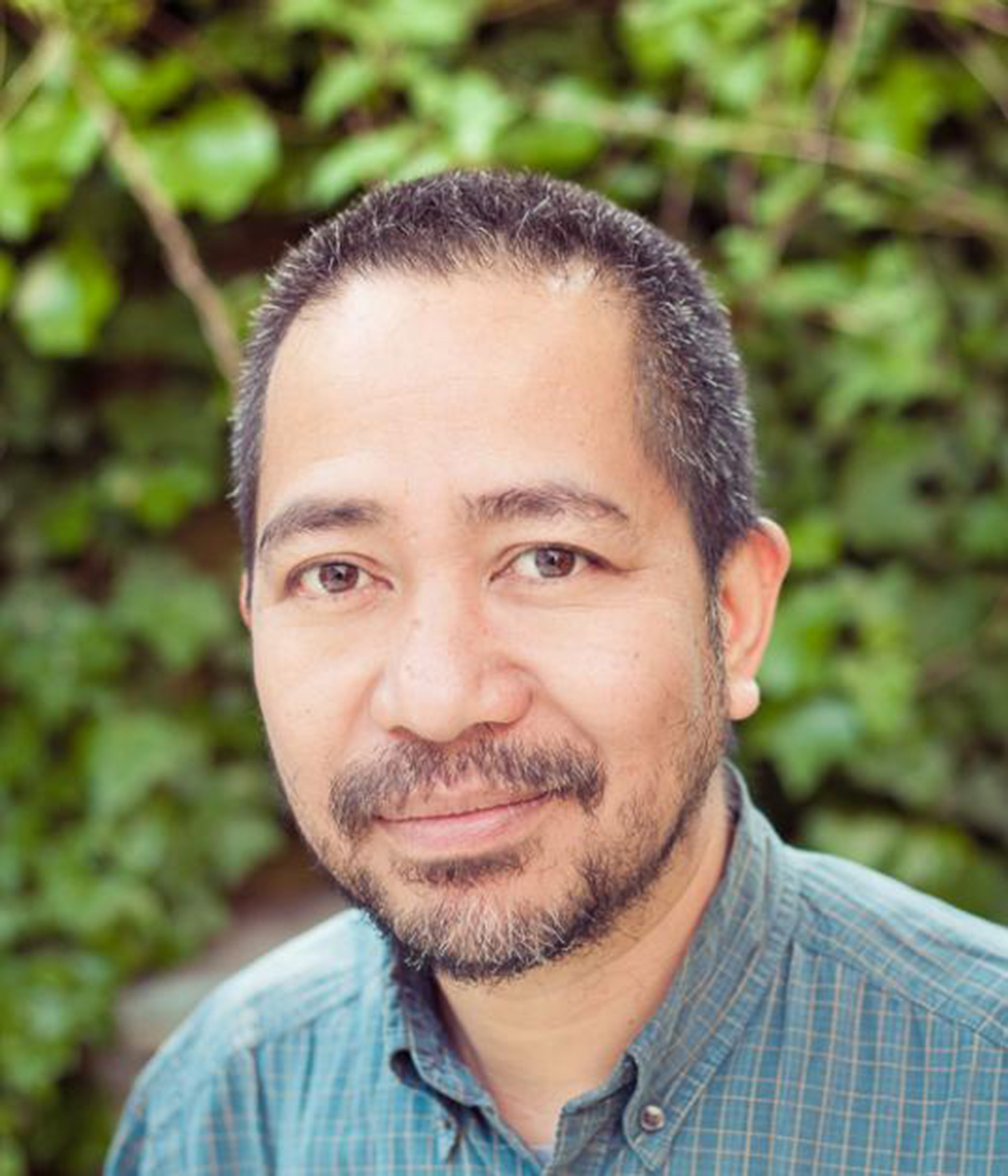
Twelve researchers from Dutch research institutions have been awarded a European Synergy Grant. Together with their international colleagues, they will receive up to 10 million euros for their research project. Jun Borras, professor of Agrarian Studies at the ISS and Erasmus Professor, is among the recipients.
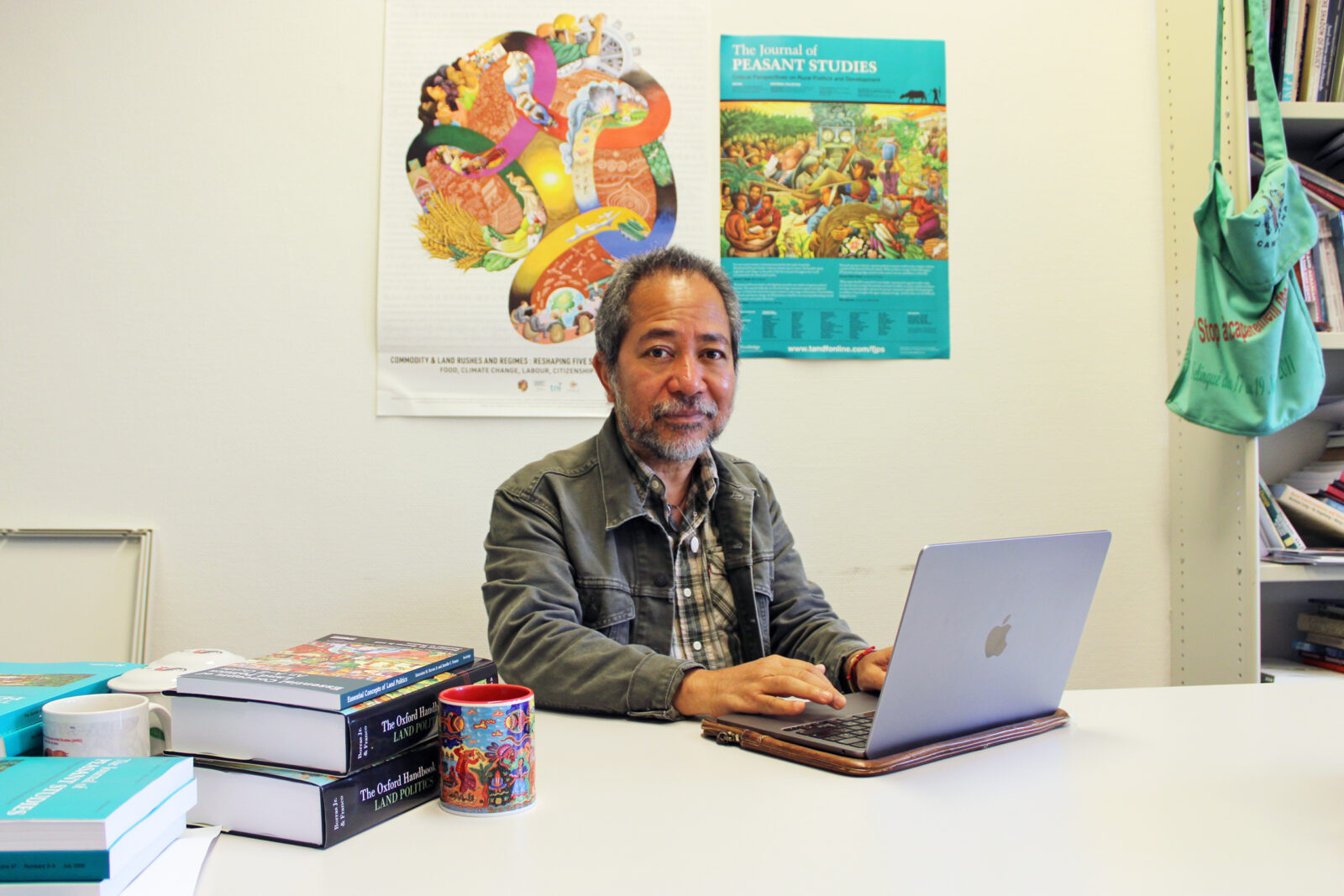
Erasmus Professor Jun Borras is among the recipients of the research grant.
Image by: Esther Dijkstra
The grants are part of the Horizon Europe research programme. In total, the European Research Council (ERC) is allocating 684 million euros to 66 international teams.
A wide range of topics is being researched. One team, for example, is studying the very first microseconds of the universe. Another will map how East African mountain communities adapt to ecological and social change.
Land grabbing
Erasmus Professor Jun Borras is one of the recipients of the Synergy Grant. Borras, professor of Agrarian Studies at the ISS, researches land politics. He is currently focusing on land grabbing in countries in South America, Africa and Asia.
Together with researchers from Denmark, Spain and the United Kingdom, Borras is receiving the research grant for the project ‘Land and life in the Anthropocene: landscape reform’.
Lees meer
-
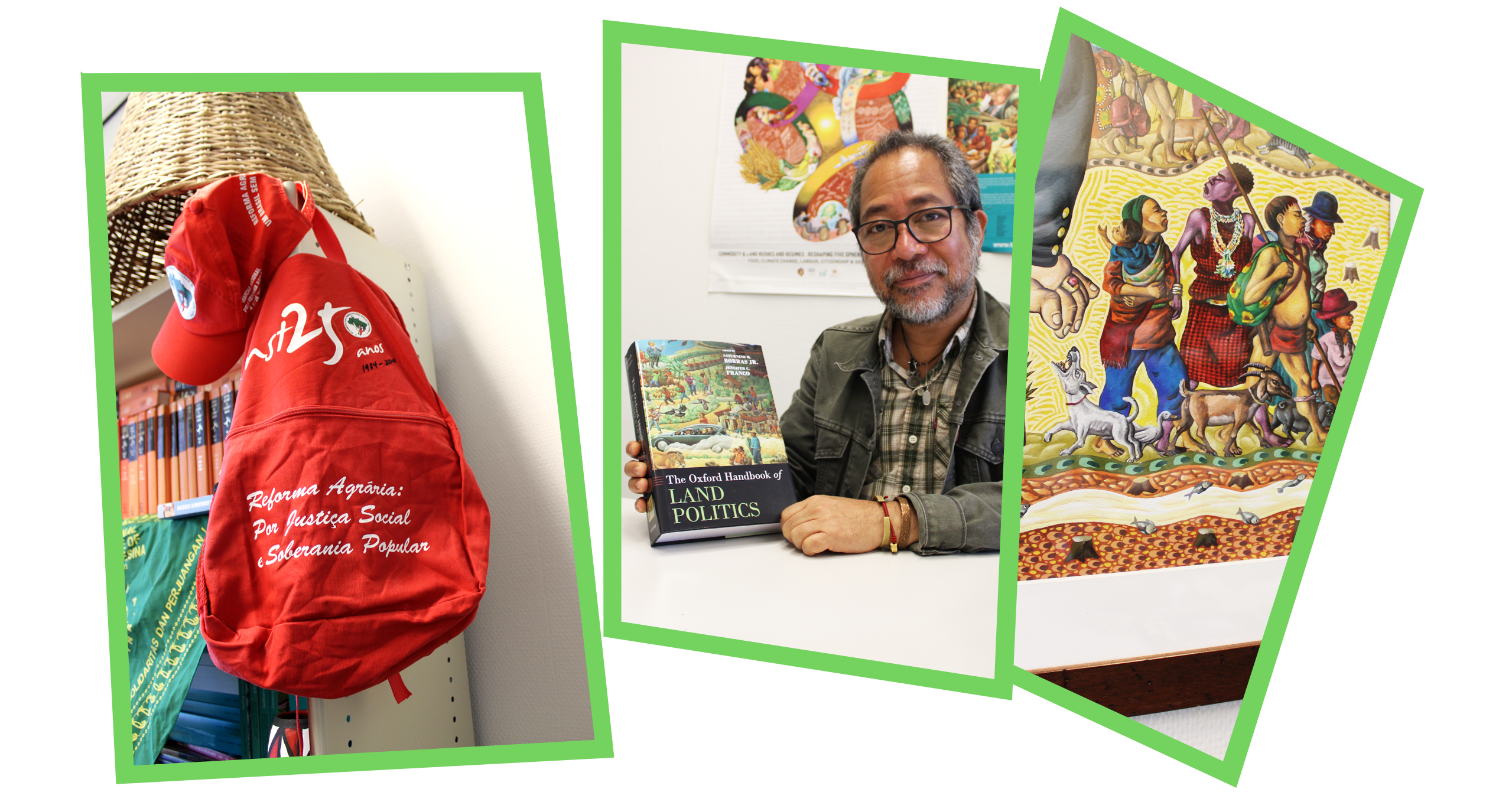
How Jun Borras discovered that land grabbing is far from over
Gepubliceerd op:-
Eureka!
-
26 countries
In total, 239 researchers from 26 countries have been selected. Almost half of the research teams include participants from outside Europe, particularly from the United States. Countries such as Canada, Australia, Brazil and Ghana are also represented. “The teams are more international than ever”, says Maria Leptin, president of the European Research Council.
Germany is once again the best represented country in those teams, with 28 researchers. The United Kingdom follows with 24 participants. France and the United States each have 21. The Netherlands is represented by twelve researchers, including three from TU Delft and two from Vrije Universiteit Amsterdam.
Women
A total of 712 proposals were submitted, meaning roughly one in ten was approved. Around 25 percent of the successful researchers are women – a lower proportion than last year, when it was nearly 32 percent.
Lees meer
-
Large European research grant for ISS scholar
Gepubliceerd op:-
Research
-
De redactie
-
 Tim Ficheroux
Desk editor
Latest news
-
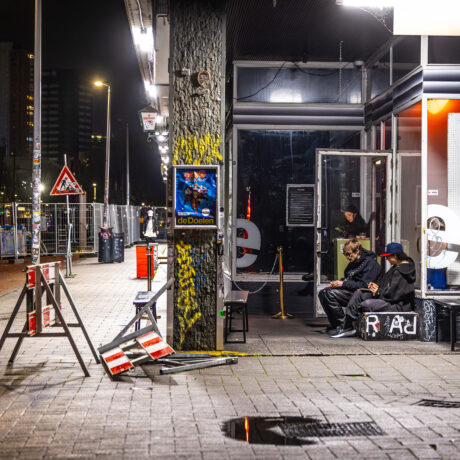
Clubs closing, expensive drinks and dancing with a matcha. How Rotterdam’s nightlife is changing
Gepubliceerd op:-
Culture
-
-
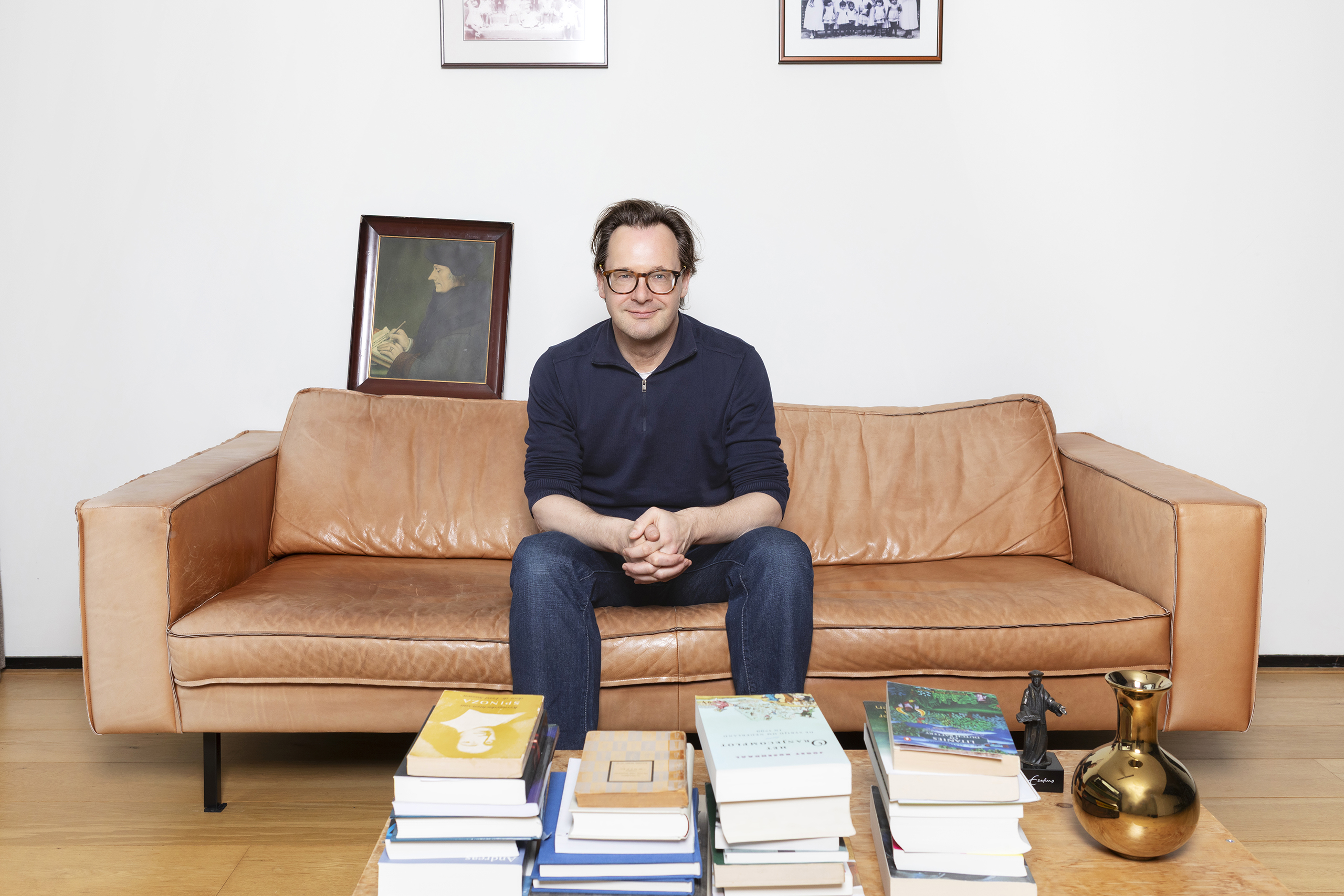
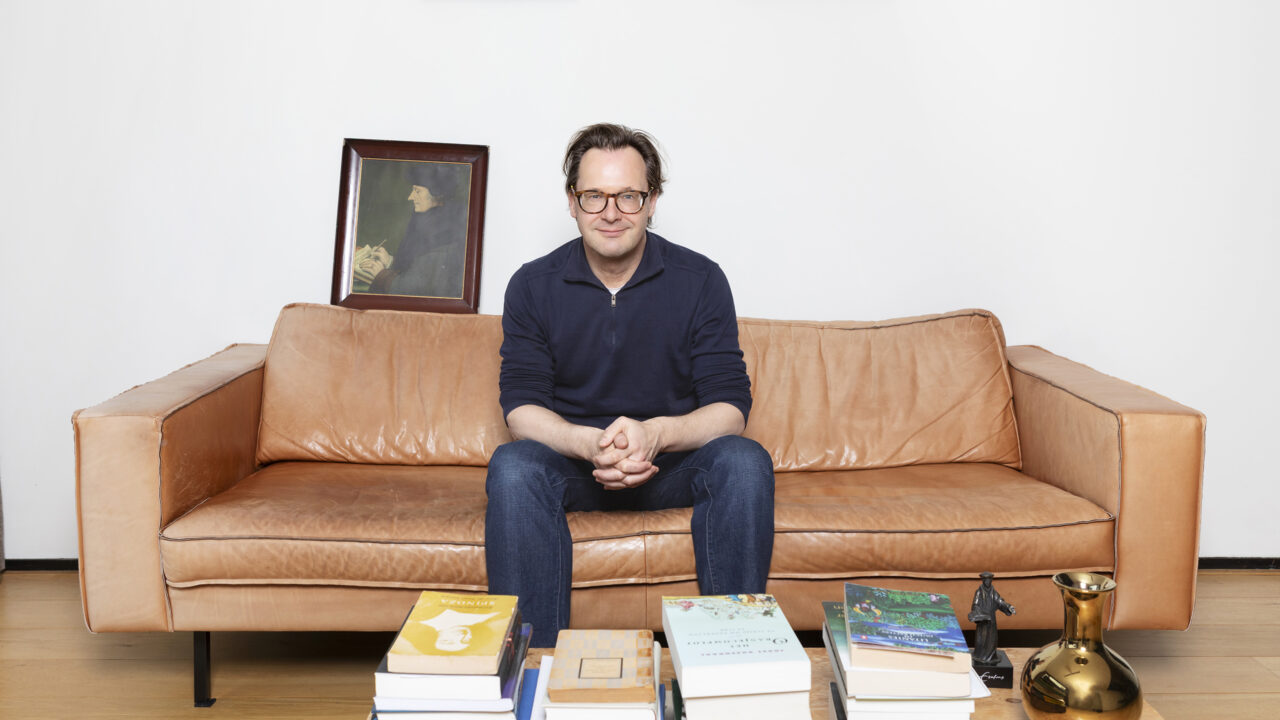
Powerhouses are like shoulder pads
Gepubliceerd op:-
Column
-
-
Seven EUR scientists receive a Vidi grant
Gepubliceerd op:-
Science
-
Comments
Comments are closed.
Ad
Read more in Science
-
Seven EUR scientists receive a Vidi grant
Gepubliceerd op:-
Science
-
-

New code of conduct for science emphasises ‘distinctiveness and autonomy’
Gepubliceerd op:-
Science
-
-

Hate campaigns and political pressure: KNAW wants legal protection for academic freedom
Gepubliceerd op:-
Science
-