Ad

A look inside Tinbergen: ‘You wouldn’t say so now, but it’s going to be beautiful’

A few days after the brief fire in the Tinbergen Building on 16 October, EM was given a tour of the iconic structure on campus. How is the years-long renovation progressing, and how did the fire happen?
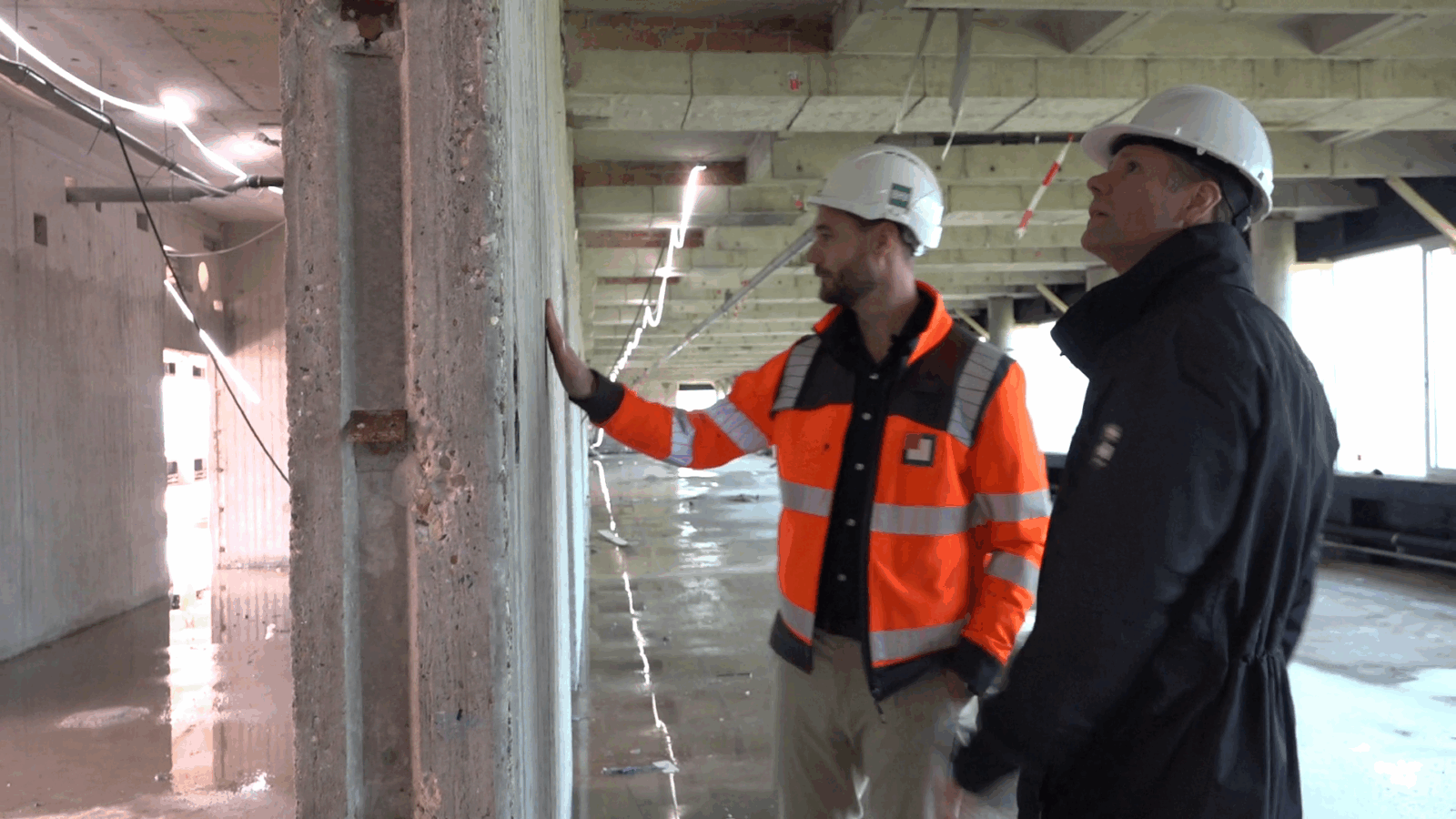
Image by: Nora van der Schoor
You can hardly miss it: right in the middle of campus, the Institutenlaan has been taken over by a massive construction site, where builders work day in, day out to transform Tinbergen into a new, modern university building. The project will take years and costs 132 million euros. But what exactly is happening inside? And what does it look like?
U kunt deze ingesloten inhoud bekijken nadat u akkoord bent gegaan met cookies van YouTube.

“Look, an extra floor will be added here, entirely made of glass”, says Dennis Krol, director of construction company Heerkens van Bavel Bouw, standing on what is currently the top floor of the Tinbergen Building. Equipped with helmets, safety vests and steel-toed boots, he and Marcel Quanz from Real Estate & Facilities guide EM around the construction site, where about sixty builders are at work. A large external lift takes you up to the sixteenth floor. From there, you climb the stairs to the eighteenth floor, where the new nineteenth floor will soon be added. “This will house executive education and a restaurant”, says Quanz.
Six thousand bat nests
Read more
-
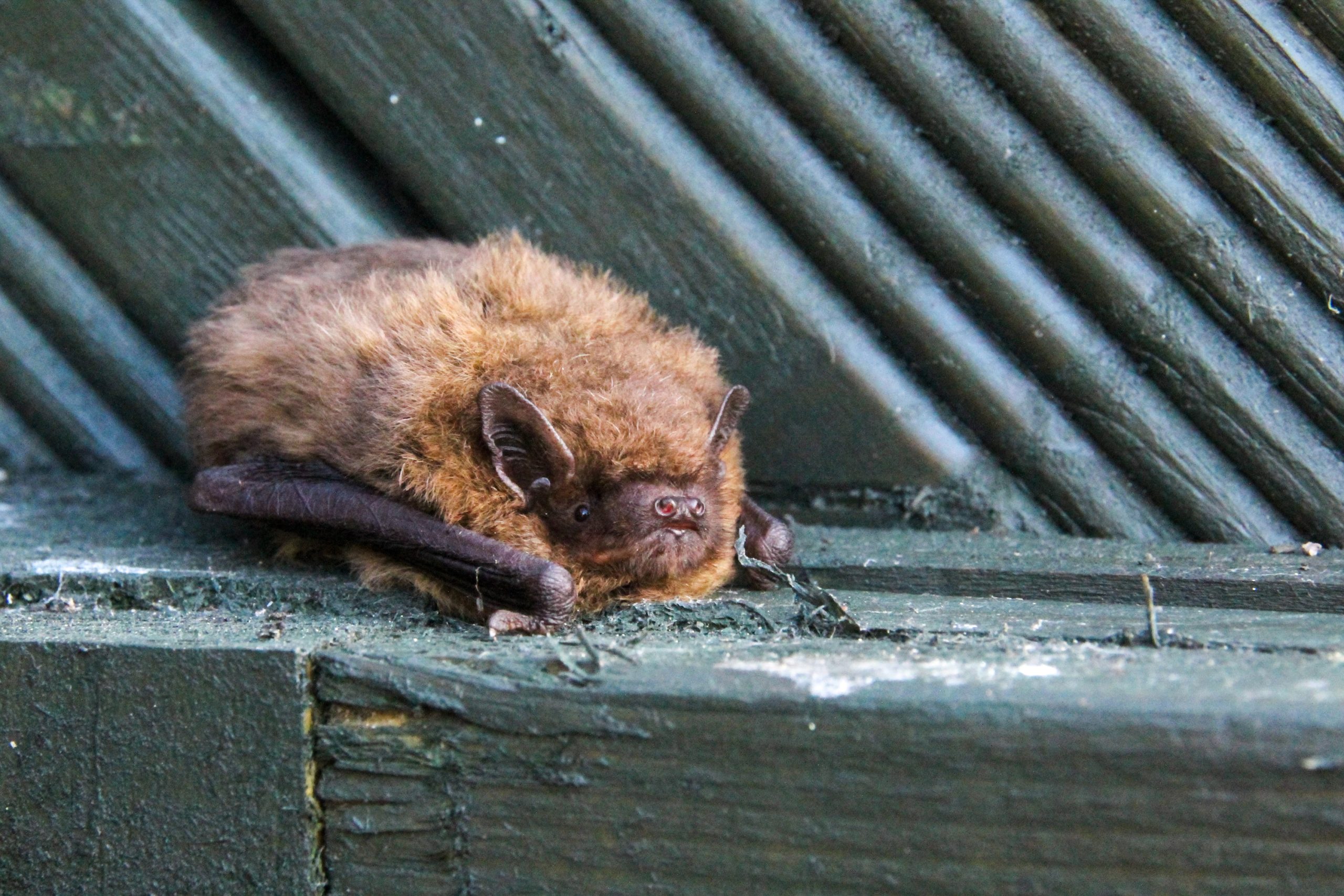
The Tinbergen building is one enormous bat enclosure
Gepubliceerd op:-
Nature
-
More light and more space
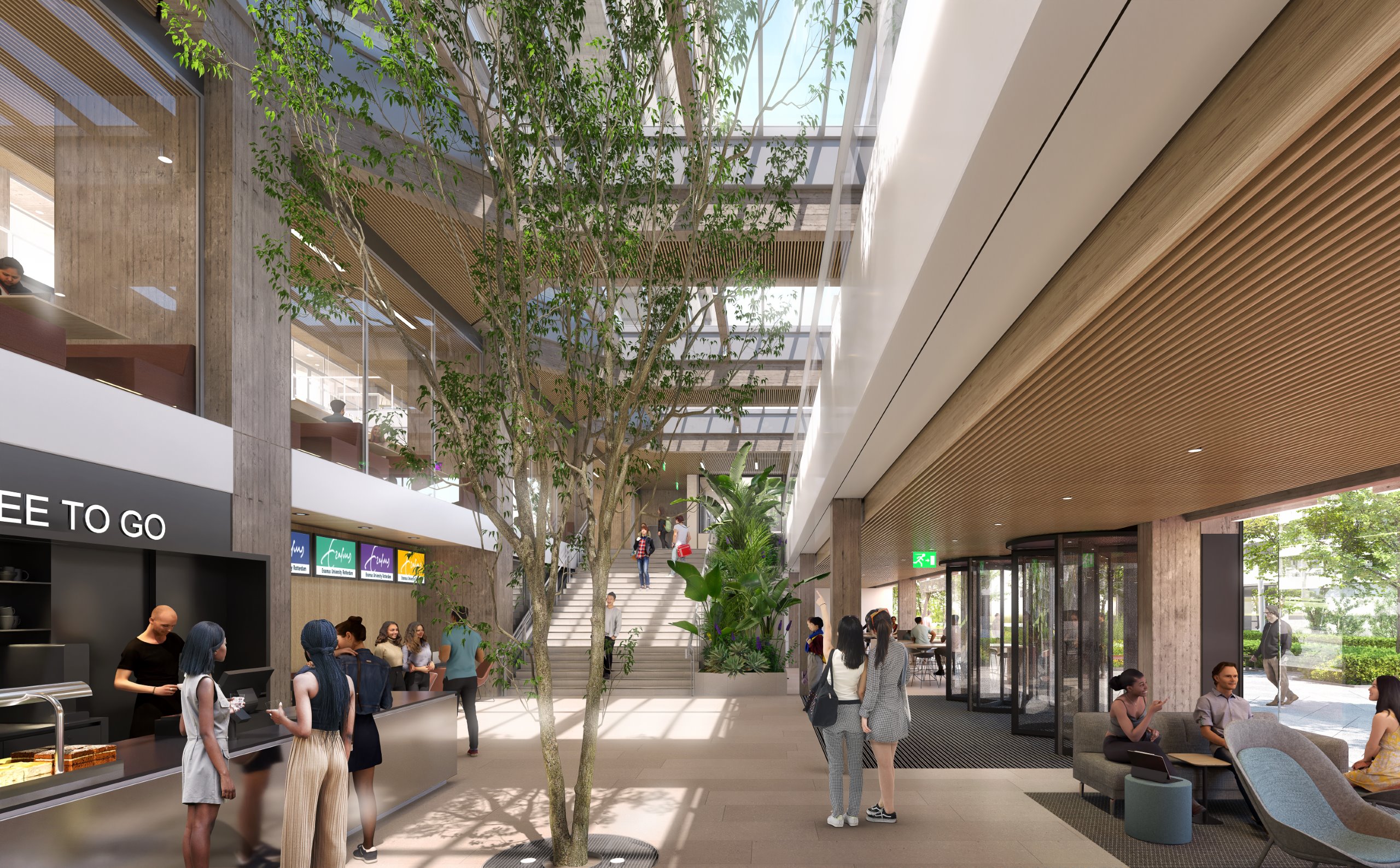
Many of the floors used to be filled with offices. These ‘standard’ floors will make way for teaching areas and smaller lecture halls. The layout is being completely redesigned, with much more glass, so that you will soon be able to see from one side of the floor to the other and enjoy more daylight throughout the building.
“You wouldn’t say so now, but it’s going to be beautiful”, says Krol, inspecting the concrete walls on the sixteenth floor that have been stripped of decades of plaster and paint. The space has been completely gutted—only the bare framework of the floor remains. On one side, the windows have been removed.
Read more
-
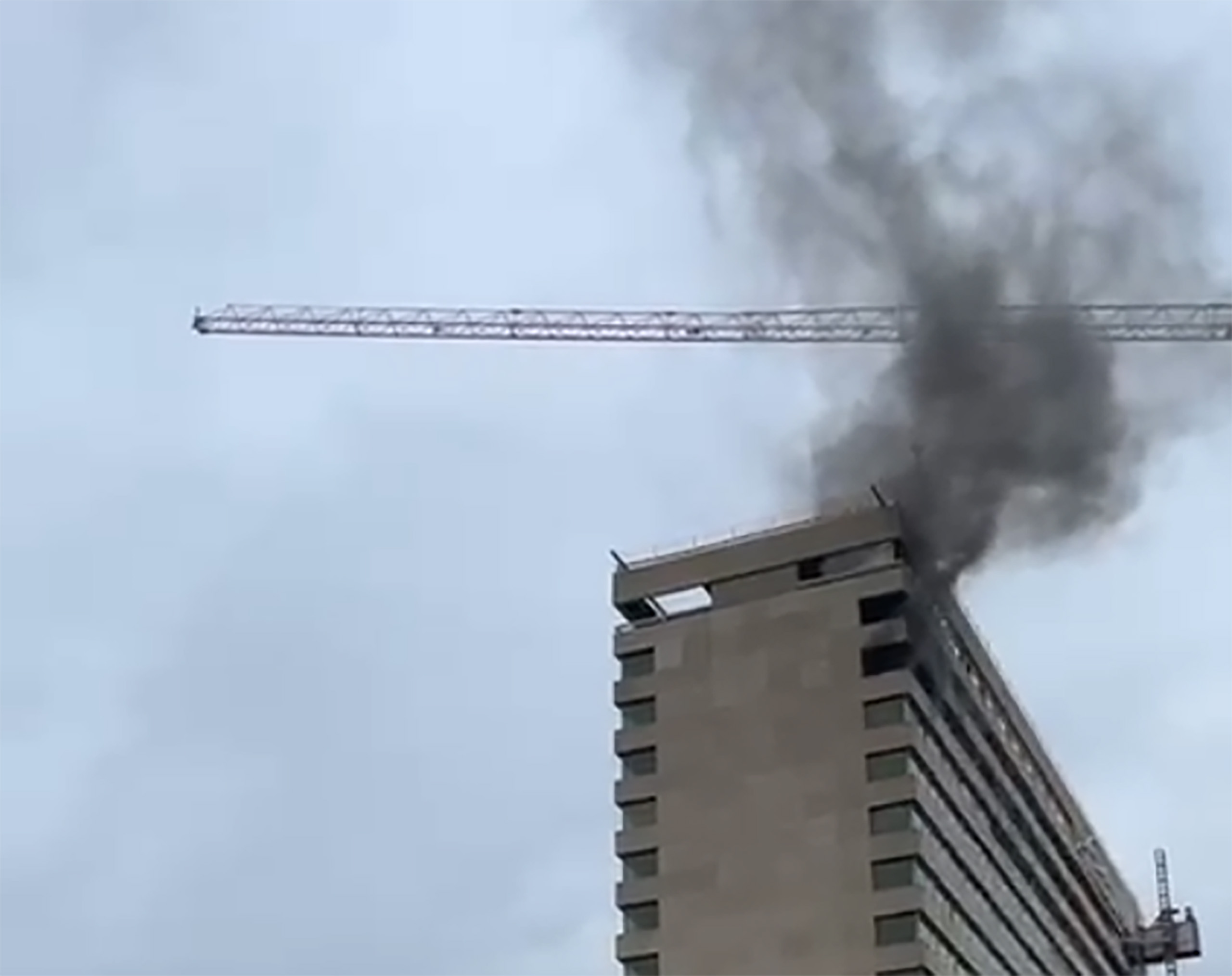
Fire on sixteenth floor of Tinbergen building, no injuries
Gepubliceerd op:-
Campus
-
Fire on the sixteenth floor
“Look, this is how the fire started”, says Krol, pointing to several rusted drainpipes lying on the floor. “A worker was sawing through the pipes when a spark landed on some insulation material.” That caused a fire, which the same worker quickly extinguished. Water on burning insulation material creates a lot of smoke. On top of that, it happened in a narrow shaft that was open at the top. “That creates a kind of chimney effect”, Quanz explains.
According to the schedule, the building will be ready to reopen in the middle of 2027.
Read more
De redactie
-
 Nora van der Schoor
Video editor
Latest news
-

New code of conduct for science emphasises ‘distinctiveness and autonomy’
Gepubliceerd op:-
Science
-
-

Executive Board regularly uses AI for speeches and LinkedIn posts
Gepubliceerd op:-
Artificial Intelligence
-
Governance
-
-
TU Delft may not favour women in admissions to courses
Gepubliceerd op:-
Education
-

Comments
Comments are closed.
Ad
Read more in EM TV
-
EM TV newsflash: Many more reports of social unsafety, poop in Utrecht and a smaller carbon footprint
Gepubliceerd op:Article type: Video-
EM TV
-
-

Some students resort to AI to find study announcements: ‘It gave me fake information’
Gepubliceerd op:Article type: Video-
EM TV
-
-

EM TV newsflash: Porn in Pavilion, no joint Eurekaweek and highest interest rate for student debt in decades
Gepubliceerd op:Article type: Video-
EM TV
-