Ad

Nibud helps students get a grip on their finances with a new tool
Work more, borrow extra or start saving? With a new tool from Nibud, students can map out their expenses and income. But covering all the costs isn’t easy.

Image by: Femke Legué
How much do you spend on textbooks? And what do you pay for your phone bill? How much goes to clothes? Do you want to set aside a little each month to cover unexpected expenses?
Students can now use the online tool WatKostStuderen to gain more insight. The tool was created by the independent information institute Nibud for students in vocational, professional and academic education.
To help them make estimates, Nibud shares what others typically spend. For example, students pay 217 euros a month in tuition fees and spend an average of 53 euros on books. Those living away from home spend around 500 euros a month on rent.
Covering the costs
Roughly 70 percent of students have a part-time job. According to the tool, they earn an average of 560 euros per month – far from enough to cover all their expenses. Parents often chip in, for instance by paying for textbooks or sending a monthly amount – on average 240 euros.
Many students are also entitled to healthcare allowance, and some to housing allowance – though the latter only applies to self-contained housing, not room rentals. The basic grant is also counted as income: 126 euros for those living at home and 314 euros for those living away. Some may also qualify for a supplementary grant.
Shortfall
At the end, students receive a full overview of their income and expenses. Anyone entering only average figures ends up with a monthly shortfall of around 400 euros (excluding supplementary grant or housing allowance). That means borrowing from DUO, asking parents for help – or taking on more work.
Read more
-

Dutch youth more often have a side job than their European peers
Gepubliceerd op:-
Student life
-
De redactie
Latest news
-
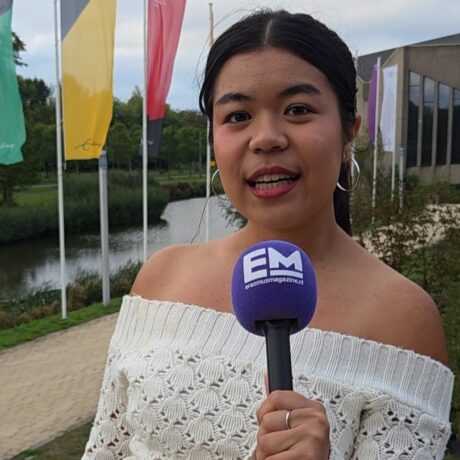
EM TV newsflash: Shorter waiting time for medical interns, lively trade in graduation tickets and purchasing power increase
Gepubliceerd op:Article type: Video-
EM TV
-
-

In memoriam Rob van der Wal
Gepubliceerd op:-
In memoriam
-
-
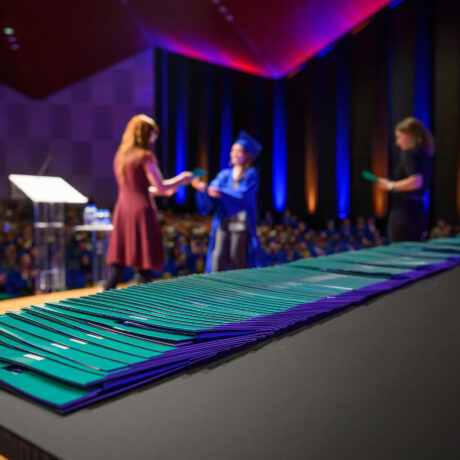
Lively trade in tickets for graduation ceremony: ‘Excessive prices are undesirable’
Gepubliceerd op:-
Student life
-


Comments
Comments are closed.
Ad
Read more in Student life
-
Lively trade in tickets for graduation ceremony: ‘Excessive prices are undesirable’
Gepubliceerd op:-
Student life
-
-

Sam and his flatmate create an artwork for every house party
Gepubliceerd op:-
Housing
-
-

Three Skadi members to compete in world’s largest rowing race: ‘It really is a dream’
Gepubliceerd op:-
Sport
-