Ad

Talent isn’t leaking away: top scientists come and go

Over the past fifteen years, more scientists have come to the Netherlands than have left, according to the Rathenau Institute. There seems to be no sign of a brain drain.
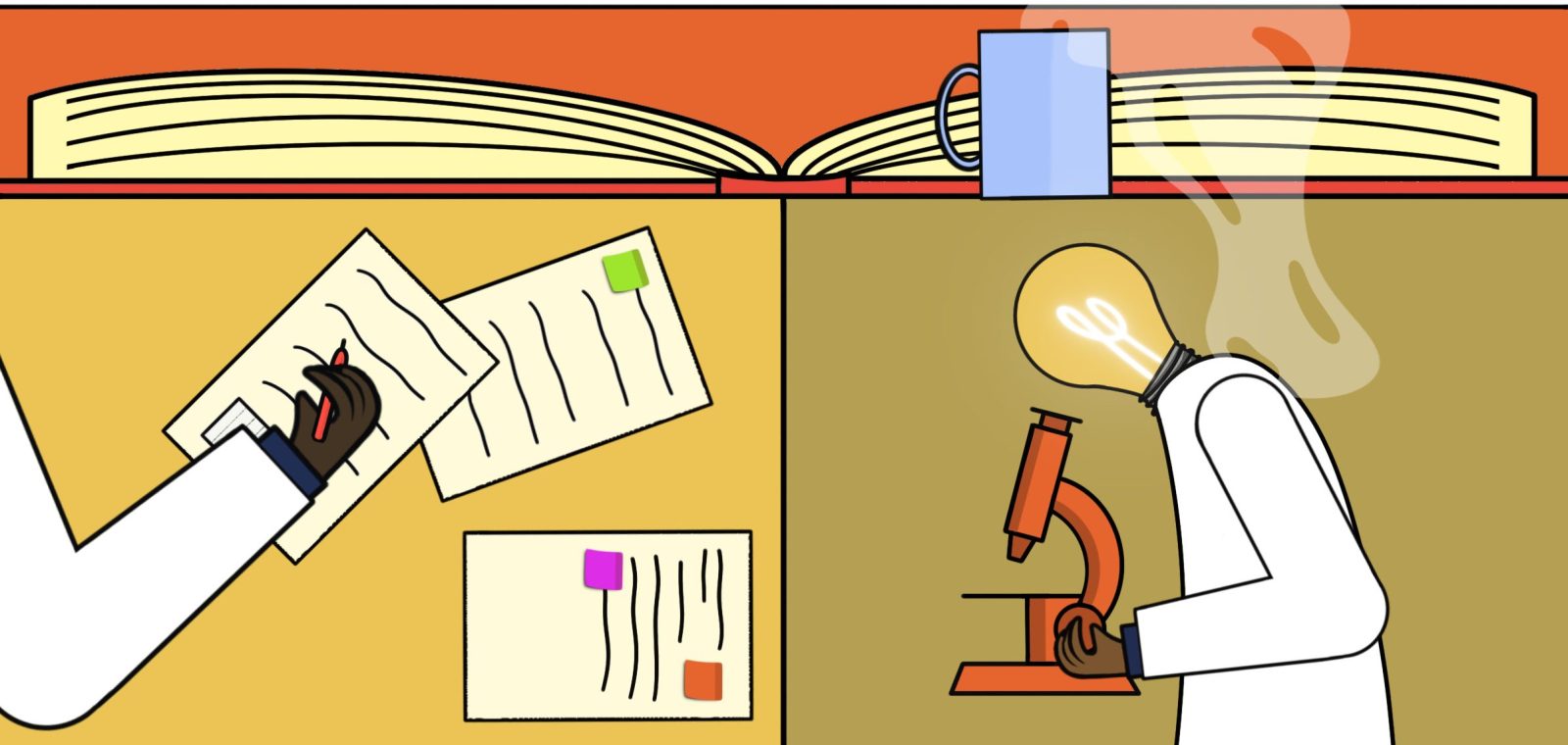
Image by: Bart Huijser
The departure of top Dutch scientists sometimes sparks fierce debate: we’re driving them away, critics claim. And: do the best foreign researchers even want to come here anymore?
Such discussions often arise when universities shift their HR policies to place less emphasis on publishing in prestigious journals, and more on tasks like teaching, leadership, industry collaboration and science communication. This approach is known as ‘recognition and rewards’, and critics sometimes fear that the Netherlands is losing focus on scientific quality and jeopardising its international standing. The same concerns crop up around open science: why prioritise publishing in open-access journals if paywalled journals do more for your academic reputation?
But according to a new report by the Rathenau Institute, there’s little to worry about. Researchers do come and go, but both in terms of quantity and quality, the inflow and outflow appear to be fairly balanced – at least, in the years between 2008 and 2023. That was before the government introduced its budget cuts.
The Rathenau Institute bases its findings on the Web of Science database. This shows how many articles scientists publish and which institutions they’re affiliated with at the time. It makes it possible to track researchers’ movements. The database also indicates how often those articles are cited by others.
Numbers
First, the numbers. Slightly more scientists came to Dutch universities and research institutions than left: 17 percent versus 14 percent. This is comparable to other countries.
Of those who come to the Netherlands, 29 percent leave again within a few years. The reverse is also true: a quarter of the researchers who leave the Netherlands return within a few years.
During the fifteen-year period studied, the share of foreign researchers at Dutch universities grew from 40 to 48 percent. The technical sciences in particular attracted many: in that field, 40 percent more researchers came to the Netherlands than left.
Quality
The quality of migrating researchers also matters. It would be unfortunate if all the top scientists went abroad and the Netherlands only got less accomplished ones in return. That wouldn’t be a good trade.
But that’s not what the data show. To assess the quality of researchers, the Rathenau Institute looked at their ‘citation score’ – a commonly used metric for the impact of scientific articles. The logic is: the more often peers cite your article, the more influential your research is.
Here, those who come and those who go don’t differ much – generally speaking. The picture varies slightly by discipline. Dutch agricultural scientists already have a high ‘citation impact’, so newcomers in that field almost inevitably score lower than those who leave. In technical sciences, by contrast, the incoming researchers actually scored higher in 2023. That pattern wasn’t evident in earlier years.
It’s worth noting that the Rathenau Institute doesn’t carry out these analyses for the social sciences or humanities, as these fields are underrepresented in the Web of Science data.
The institute calls this a baseline measurement. The international mobility of scientists might shift due to ‘growing geopolitical unrest’, speculate the report’s authors. And ‘recognition and rewards’ – the HR policy in which scientific excellence is no longer the sole benchmark – may still have an impact.
But compared to Germany, France, the United Kingdom, Sweden and Switzerland, the Netherlands is currently about average. France attracted the fewest researchers, while small Switzerland attracted the most. Relatively few scientists left Sweden, while the United Kingdom saw more departures.
Lees meer
-
NWO wants to attract only the best researchers
Gepubliceerd op:-
Science
-
De redactie
Latest news
-

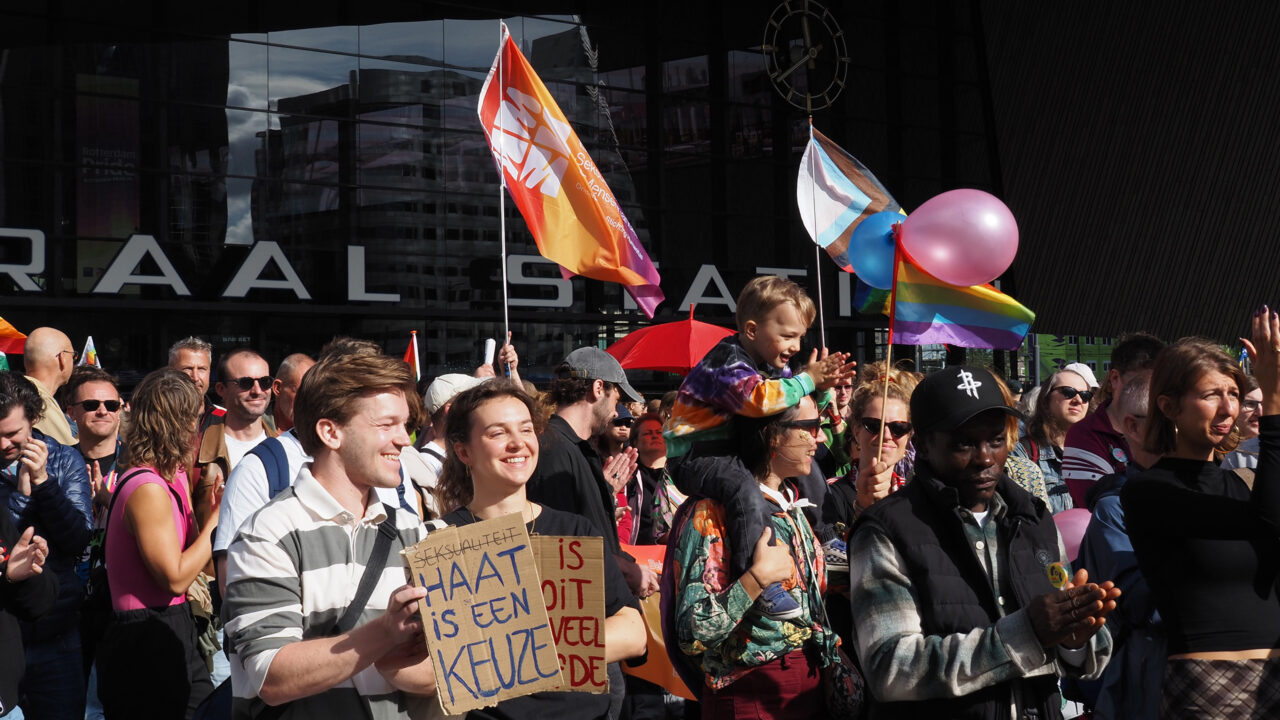
Students and staff join the Pride March: ‘We must stand up for this community’
Gepubliceerd op:-
Diversity
-
-

EM TV newsflash: Too many internationals, too many information platforms and more collaboration with the military
Gepubliceerd op:Article type: Video-
EM TV
-
-
18-year-old student dies after ‘hazing party’ in France
Gepubliceerd op:-
Student life
-

Comments
Comments are closed.
Ad
Read more in Science
-
Did your parents know what your sex life was like when you were eighteen?
Gepubliceerd op:-
Eureka!
-
-
Universities must demonstrate their economic value, says House of Representatives
Gepubliceerd op:-
Politics
-
Science
-
-
Leaving money to a university? Many people do not know it is possible
Gepubliceerd op:-
Science
-