‘No one dares to predict coalitions.’ Chris Aalberts answers international students’ questions about the Dutch elections

After the government collapsed earlier this year, the Netherlands is going to have their new elections on 29 October. Chris Aalberts, a lecturer in political communication, journalist, EM columnist and political junkie, answers all questions international students have about the upcoming Dutch elections.
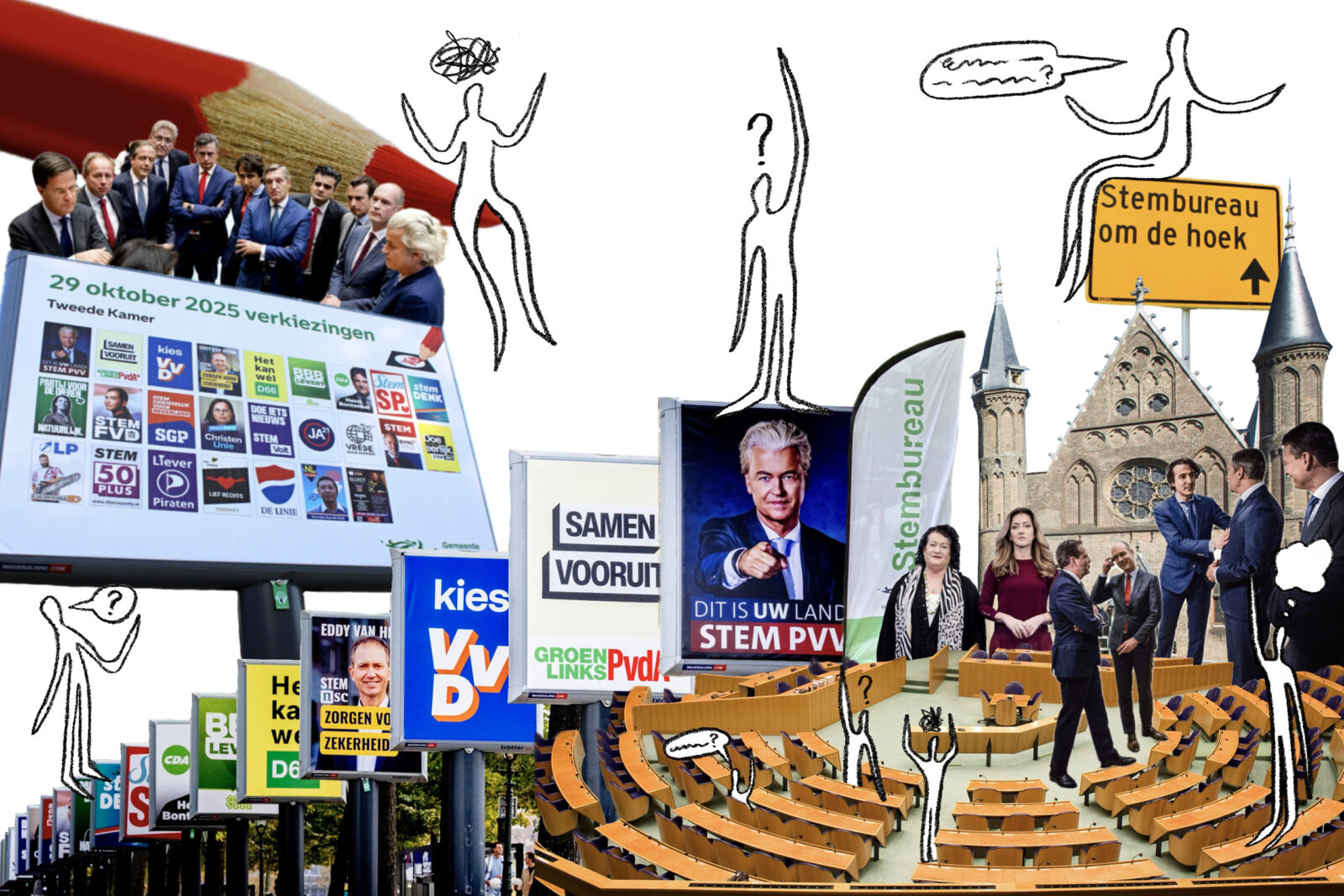
Image by: Sonja Schravesande
Despite not being able to vote in the Netherlands, international students are directly affected by the outcome of the elections. Yet the political system, polarising coalitions, and clashing legislation proposals can often get confusing. International students around campus shared the main questions they have over the upcoming elections. These are the answers.
The Dutch government collapsed earlier this year. Can you explain why that happened?
“This all goes back to the elections of 2023. It was more or less unexpected that the Party for Freedom (PVV), known as a far-right party, became the largest. They formed a government with three others – the Farmer-Citizen Movement (BBB), New Social Contract (NSC), and the People’s Party for Freedom and Democracy (VVD).
“The main problem was that NSC has a different opinion from PVV on major topics, a key one being how the government should take measures to minimise the amount of asylum seekers coming to the Netherlands. The dealbreaker was the 10-points plan PVV proposed to put a stop to asylum seekers. Since they could not find support to continue with this plan, they decided to withdraw from the government. A few months later, NSC withdrew from the government as well, after heavy criticism by the public for not doing enough for Gaza.”
Read more
-
Government collapsed: what are the consequences for higher education?
Gepubliceerd op:-
Politics
-
How does the Dutch political system work when it comes to elections?
“We have a parliament of 150 seats. It is a proportional system with a threshold of 0.66 per cent, meaning you can have one seat if you have as little as 70 to 80 thousand votes. Everyone who is over 18 and has a Dutch nationality can vote.”
How is a coalition government formed in the Netherlands?
“There are no strict rules for this. After the election outcome, the largest party gets the initiative to form a coalition. Most of the time you get an external person, someone with many years of experience in public policy, who talks to the leaders of the different parties that should be forming the government. This process could take months.
How is the prime minister chosen?
“A tradition is that the leader of the largest party is appointed prime minister. But the
coalition decides, so it can also be someone else, like the last time.”
‘If the government is again leaning towards the far-right, we can expect that some changes may happen, since they openly say they want fewer international students’
What coalitions are realistically possible after the elections?
“For the upcoming elections, no one dares to make predictions. Logically speaking, more central parties (CDA and D66) should choose to make a coalition with either right or left-leaning parties. After PVV’s withdrawal last time, I assume few parties would want to cooperate with them. However, if the central parties try to group with the Green Left-Labour Party (GroenLinks-PvdA, a center-left alliance between the Green Left and the Labour parties), that would not be a majority. A key fact is that the CDA (Christian Democrats) has a bigger preference for the right than for the left. But it seems a centre right coalition also will not have a majority.”
What do the possible outcomes from the upcoming elections mean when it comes to higher education and international students?
“It is difficult to say as education isn’t amongst the major issues they are discussing. A main vision is that there is an overrepresentation of international students and that amount should go down a bit. If the government is again leaning towards the far-right, we can expect that some changes may happen, since they openly say they want fewer international students. However, this is a topic which has been discussed for many years now and nothing has been done yet. So this discussion is uncertain and yet to be continued.”
Then what is going to happen to the proposed legislation on budget cuts, especially now that the government has collapsed?
“We still don’t know what the budget cuts really mean. A distinction needs to be made between what is done on a national level and what is done on an institutional level. Many schools have reduced their budgets because they anticipate a potential budget cut may come on a national level in the near future. While changes can happen with the new government, for the moment those cuts are still the plan.”
How could these elections influence sponsorship visas for non-EU students who want to work in the Netherlands? Would it become easier or more difficult?
“Migration was a main topic for the previous government – they wanted to reduce it. That priority will probably stay the same when a new coalition is formed. On the other hand, we do have a shortage of people on the job market. So The Netherlands is stuck between needing those people and not wanting to attract the whole world. There is not really a way to know whether it will become easier for students to obtain sponsorship visas, however I believe a new government will be less strict than the former one when it comes to migration and students, because it is unlikely that PVV will be part of the new government again.”
How do the main competing parties differ in their approach to funding culture?
“That is difficult to say, since not all these decisions are taken on a national level. Of course, there are parties that want to do more about this – usually the left to extreme left. It is unlikely to expect more funding for culture, while budget cuts in general can be expected because of the investments in defence.”
There seems to be a lot of polarisation in Dutch politics lately. Why are some parties refusing to debate with each other? What’s behind this division?
“Two weeks ago, the small European party Volt refused to debate climate policy with extreme right Forum for Democracy (FVD), because they do not want to legimitise parties that deny climate change. Although that is a reasonable point, it seems to me that this was also a way for Volt to get more publicity than the debate would have received anyway.”
What are the main positions of the major parties on the Israeli-Palestinian conflict?
“We have PVV and BBB which are friends of Israel. On the other hand, the left-leaning parties are more outspoken in support of Palestine. Then we also have the CDA and VVD which are in favour of Israel, yet they do have a problem with what is happening in Gaza right now and insist on a diplomatic solution.”
Where can international students follow reliable news and results about the Dutch elections?
“I always think that if you are interested in the news from a country where you don’t speak the language, then you should follow what international media cover about Dutch politics. They do often provide a good summary of the main issues.”
De redactie
Latest news
-
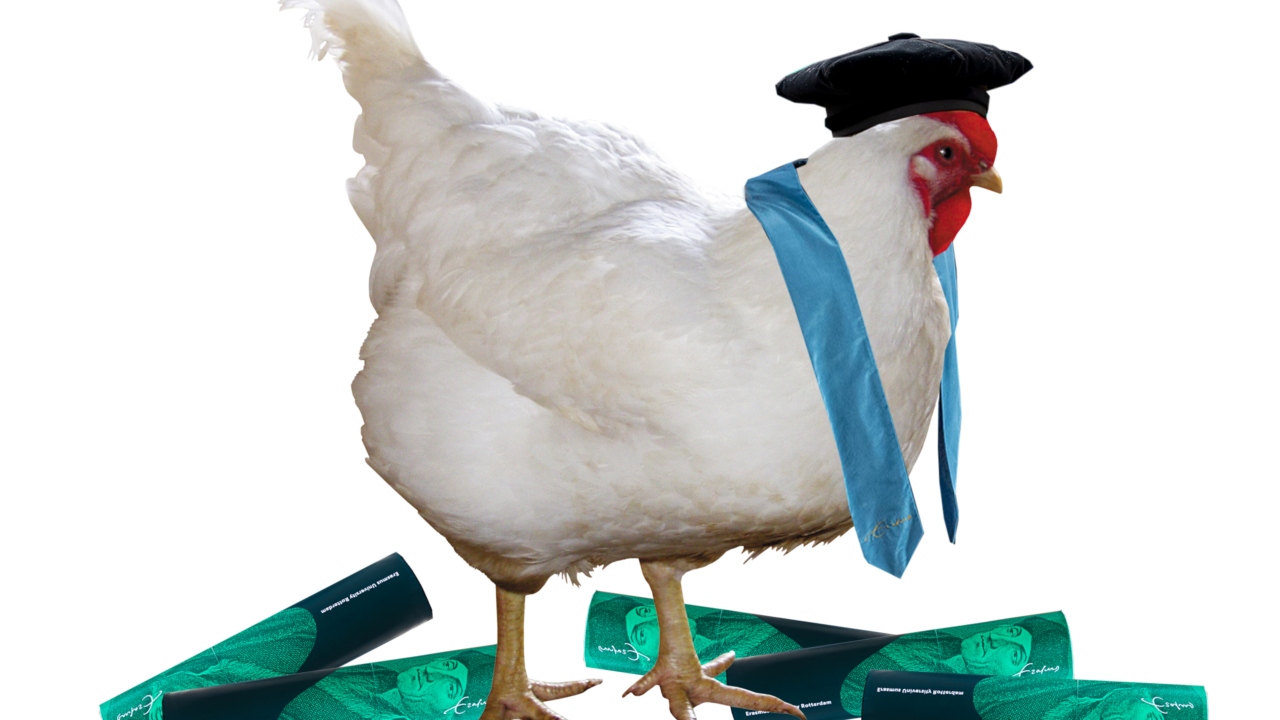
Away with the ‘profkip’, says The Young Academy
Gepubliceerd op:-
Science
-
-

House of Representatives wants basic grant for university master after HBO
Gepubliceerd op:-
Money
-
Politics
-
-

Company takes a huge chunk of the student finance of at least 350 internationals
Gepubliceerd op:-
Internationalisation
-

Comments
1 reactie
Comments are closed.
Read more in Student life
-
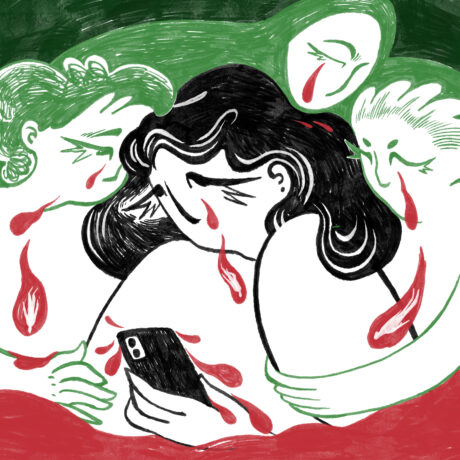
Large-scale student protests at universities in Iran
Gepubliceerd op:-
Student life
-
-
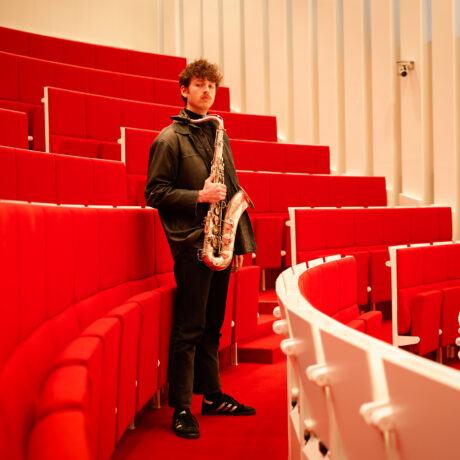
Medical student Daan Kluwer wins 10,000 euros to record his own jazz album
Gepubliceerd op:-
Student life
-
-

Master seeks master in love
Gepubliceerd op:-
Culture
-
Too bad op 28 October 2025 om 15:17
No one dares to predict coalitions?
It’s easy. It is gonna be:
VVD-CDA-D66-GLPVDA