Men more likely than women to hold prestigious positions at universities
Academic management positions are not evenly distributed at Dutch universities. A survey shows that Dutch men are more likely to hold prestigious positions than women and international colleagues.
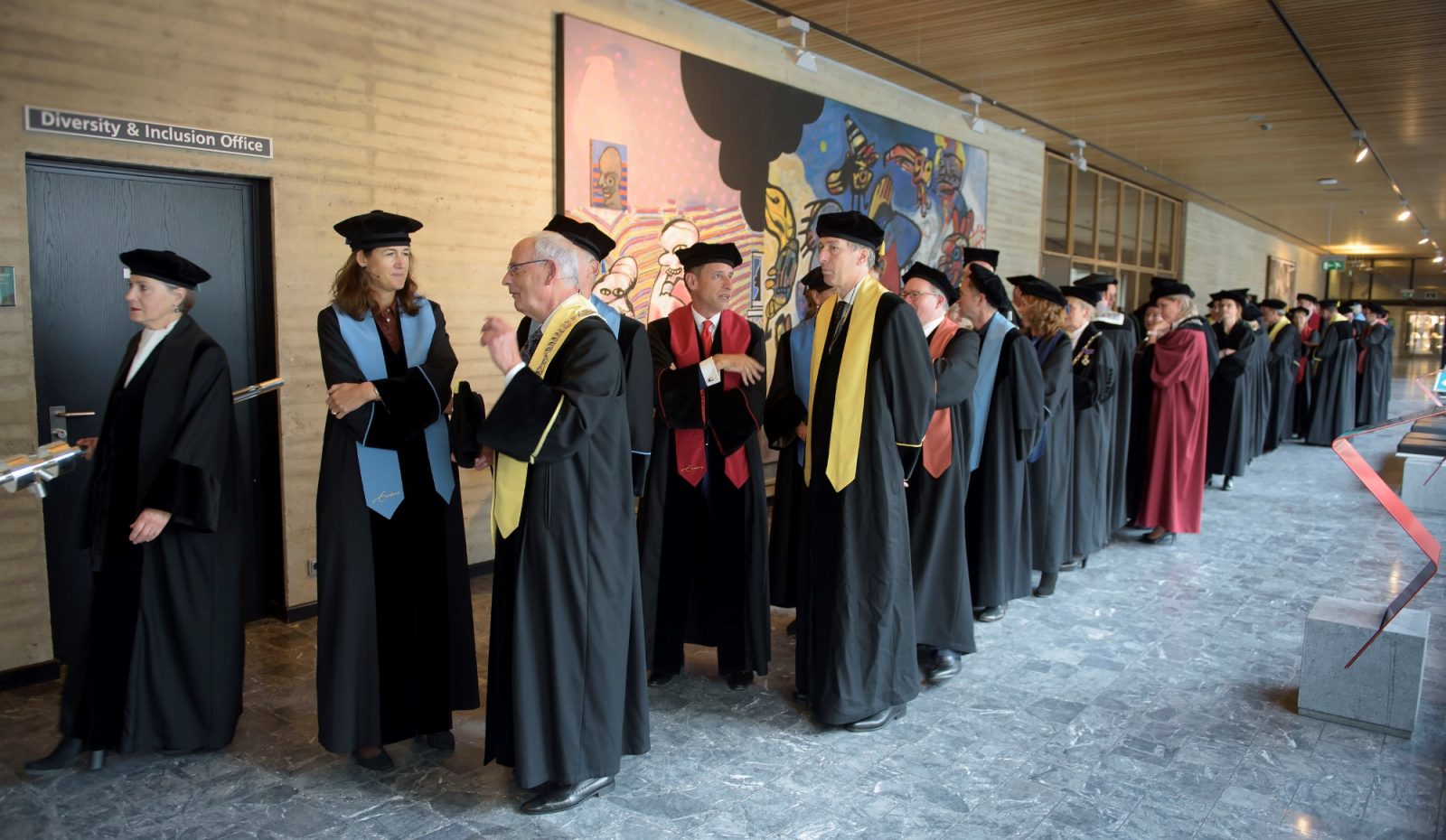
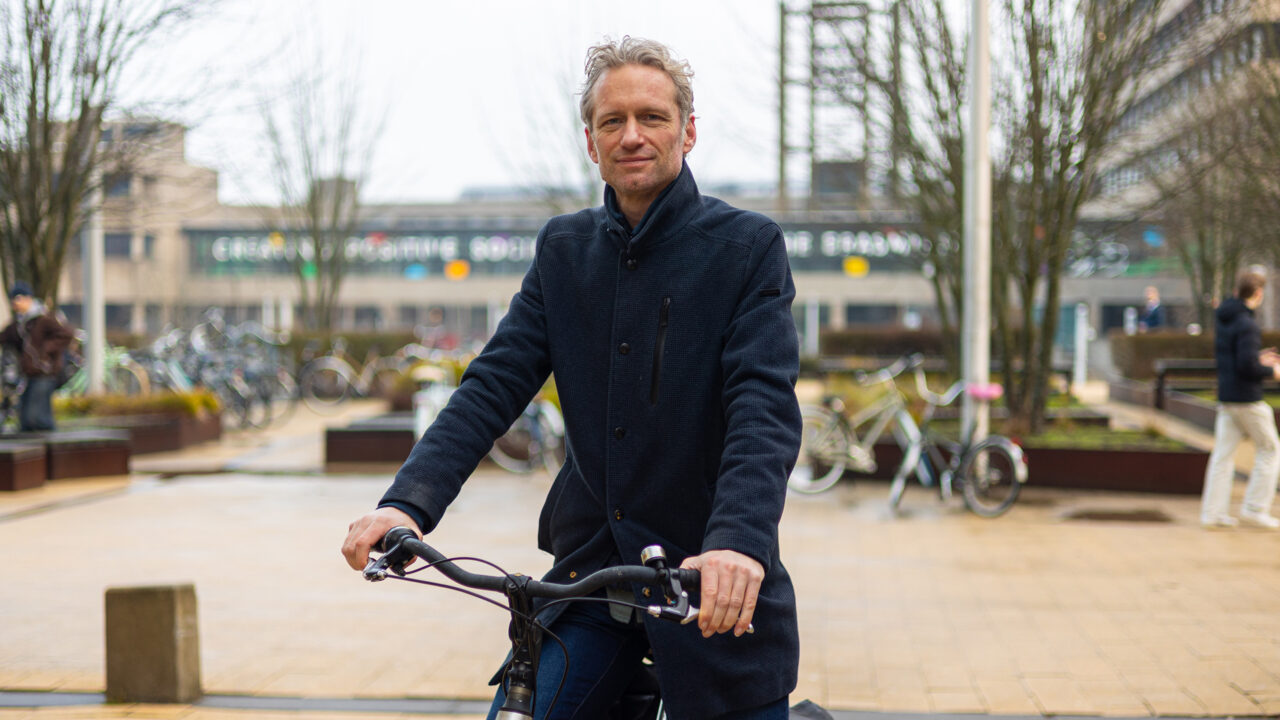
Image by: Ronald van den Heerik
Who is assigned management tasks in the academic world and who is not? And at what level? On behalf of the National Network of Female Professors (LNVH), researchers distributed a questionnaire that was completed nearly 3,100 times.
The survey shows that more than 70 percent of the university lecturers, associate professors, and professors surveyed perform management tasks in one way or another, in addition to their teaching and research.
Women do this more often than men at a ‘lower’ level in the hierarchy. For example, 72 percent of research programs are led by women. Slightly higher up the career ladder are the research directors, where the percentage of women immediately drops below 40 percent.
Also striking: international (senior) lecturers and professors are less likely to have management tasks than their Dutch colleagues. Roughly 40 percent of the staff comes from abroad, but at the higher levels, 70 to 80 percent of management tasks are performed by Dutch nationals. Internationals are therefore clearly underrepresented, according to the report published online by the LNVH.
Lees meer
-
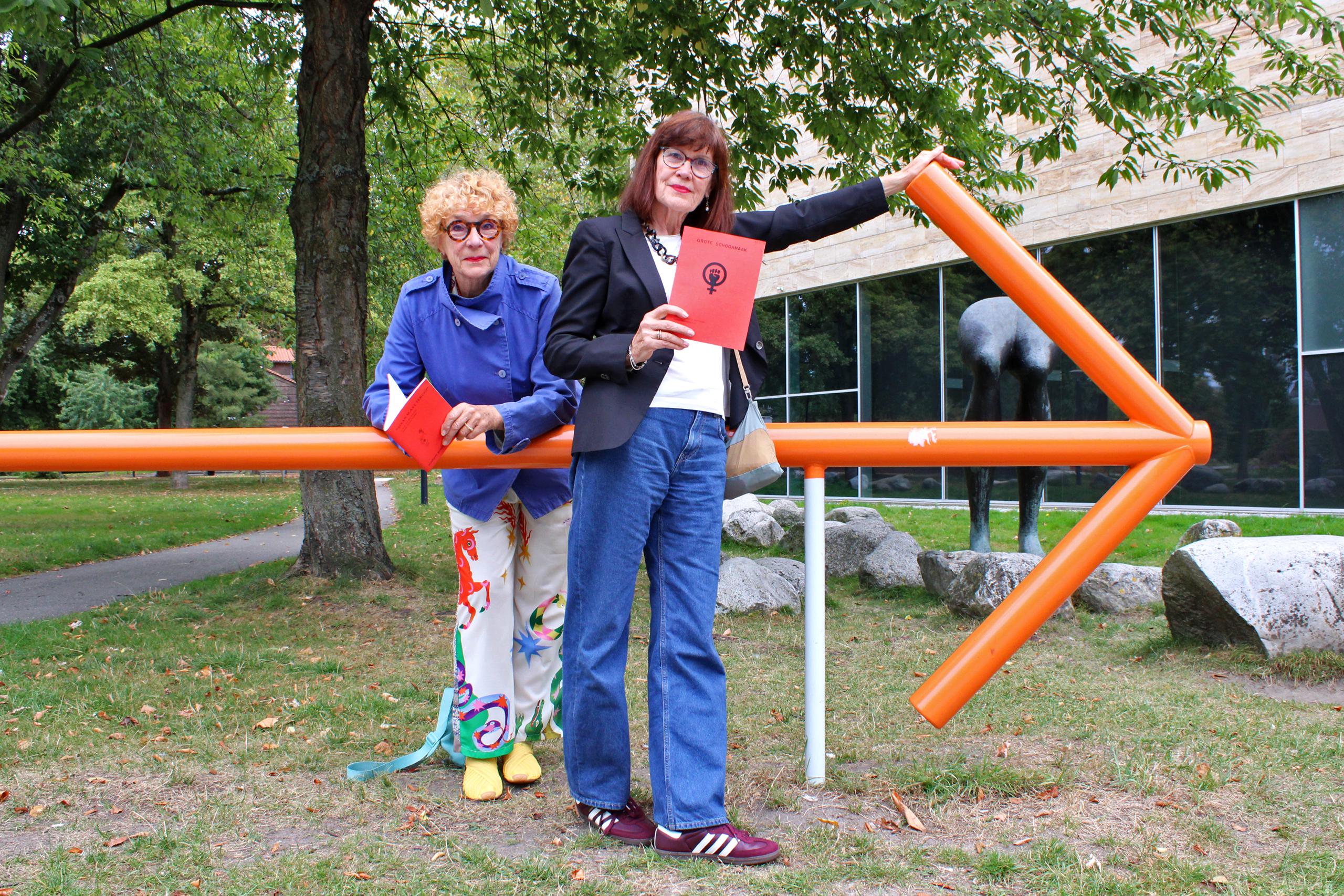
How Tante Sjaan fought for the position of women at the EUR fifty years ago
Gepubliceerd op:-
Diversity
-
Network
According to the authors of the report, such differences can only be partly explained by age and job level, so the question is: what is the real reason?
One might suspect that the old boys’ network plays a role: that men give each other jobs. After all, recruitment for management positions often happens through personal connections: isn’t this something for you? According to the report, this is particularly true at the ‘lower’ level, where 80 to 90 percent of positions are filled in this way, but even at the faculty level, almost half of the positions are filled through such a ‘closed’ procedure.
And that is not good for diversity, say the researchers. Nevertheless, they see no ‘significant gender differences’ in the survey responses regarding obtaining a position through an open or closed procedure.
Why not take on tasks
If researchers would prefer to relinquish their management tasks, what reasons do they give? There is little difference, but women mention the problem of work pressure and the work-life balance slightly more often than men. The difference is only a few percentage points.
A slightly larger difference is that women more often experience ‘barriers’ in the work environment: 20.6 percent compared to 11.6 percent of men. They therefore more often than men have the impression that they are being hindered in some way.
These are small differences. “But they add up to a big difference”, says LNVH chair Yvonne Benschop, professor of strategic human resource management at Radboud University Nijmegen.
Lees meer
-
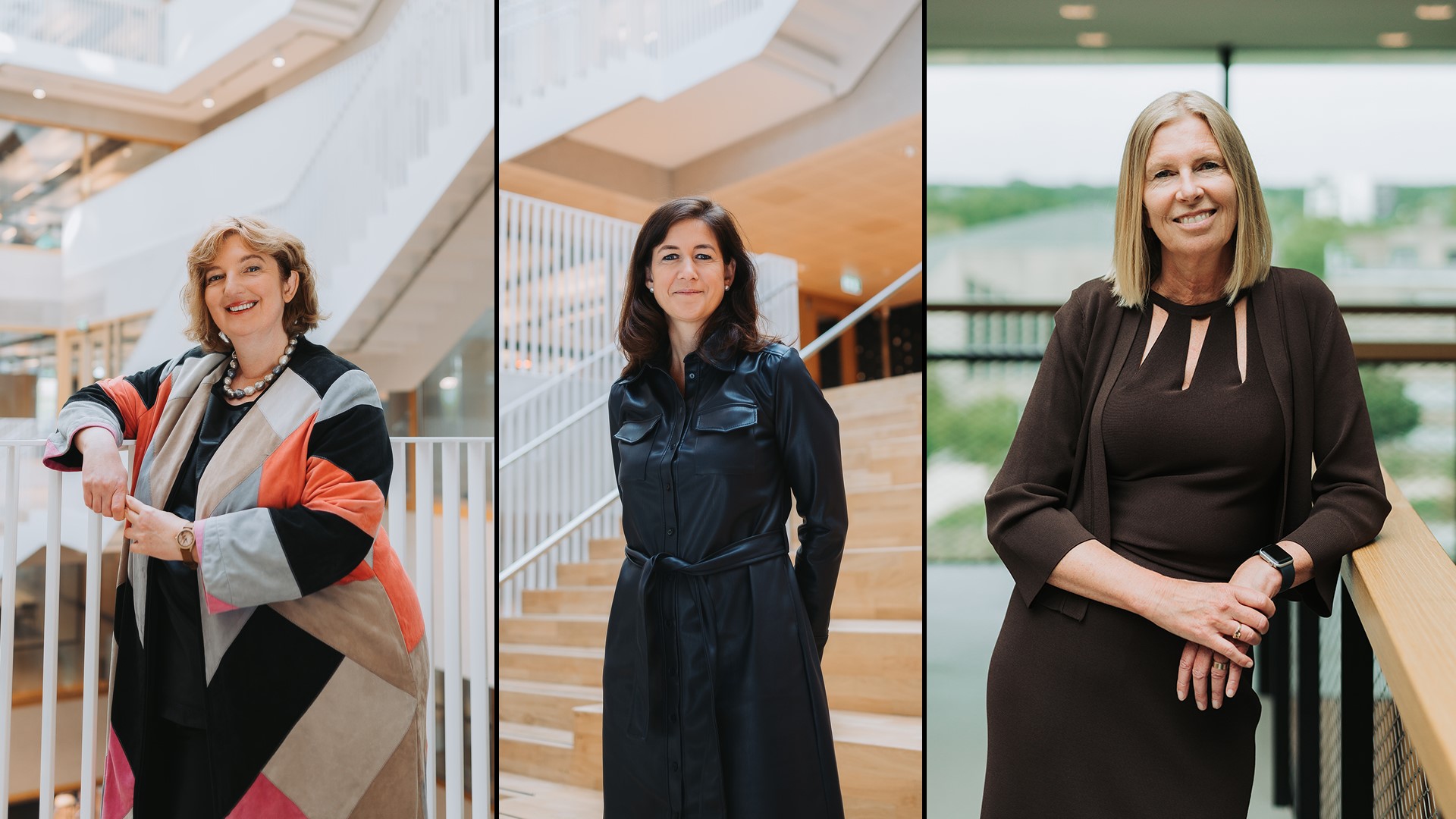
Women: Stronger in education, less represented at the top
Gepubliceerd op:-
Diversity
-
Culture
The higher up the career ladder, the more disadvantaged women are. According to Benschop, this has to do with the culture at universities: “In some places, there is a traditional ‘masculine’ image of effective leadership. When allocating jobs, for example, they think: can that woman bang her fist on the table and fight for resources for her department? And if they are good at it, they are often seen as sharp and unkind, and still not as good leaders.”
Male colleagues do not always understand this problem, according to Benschop. “In fact, when they are passed over for a position, they sometimes say: ‘It must be a woman again, I don’t get a chance anymore.’ The figures show that this is not true. But those same men also get irritated when a woman says: ‘It must be a man again.’”
It is not easy to change such a culture. For example, having more women in positions of power does not help women’s careers enough, says Benschop. “After all, those women have been shaped by the patriarchal system, to use that big word. They often apply the same standards and values that give men an advantage. What does help is awareness of such patterns among the people who allocate tasks.”
International
According to Benschop, international colleagues, who also find it more difficult to climb the career ladder, encounter similar cultural problems. It is not just about the language barrier. Dutch people often have a blind spot when it comes to the abilities of their international colleagues.
“The leadership qualities we value here in the Netherlands are based on Dutch standards”, she says. “We don’t always recognize the style of our international colleagues. It’s a shame when foreign researchers are not given space, because that means a loss of diversity for the organization. They could offer a broader perspective on Dutch values and norms.”
Lees meer
-
Women will have a better chance of obtaining a Vidi grant than men
Gepubliceerd op:-
Science
-
Recommendation
The recommendations are obvious: the LNVH advocates for structural training and professional development in the areas of leadership and ‘inclusive management’ so that ‘diverse perspectives’ are given more space. The idea is that universities should better appreciate the capabilities of their employees.
The LNVH also believes that transparent application procedures are needed at all levels to ensure the accessibility of management positions. The private distribution of such positions should not be allowed to occur.
Zeitgeist
Incidentally, this study was conducted ‘in a different zeitgeist than the one in which it is now being presented’, writes the LNVH. “Dutch universities are currently facing major challenges: drastic budget cuts, a political climate that does not sufficiently value scientific work, and international developments that are putting pressure on academic freedom – particularly around issues such as sex, gender, diversity, and inclusion.”
This shift in politics shows how important ‘courage, decisiveness, and perseverance’ are to maintaining diversity and inclusion, according to the network, ‘especially among leaders in the sector’.
De redactie
Latest news
-
Away with the ‘profkip’, says The Young Academy
Gepubliceerd op:-
Science
-
-

House of Representatives wants basic grant for university master after HBO
Gepubliceerd op:-
Money
-
Politics
-
-

Company takes a huge chunk of the student finance of at least 350 internationals
Gepubliceerd op:-
Internationalisation
-

Comments
Comments are closed.
Read more in Diversity
-
Who is your favourite female professor? ‘There should be more women in professor roles’
Gepubliceerd op:Article type: Video-
Diversity
-
EM TV
-
-
UN calls on the Netherlands to improve the position of women in education
Gepubliceerd op:-
Diversity
-
-
New diversity officer: ‘I am very aware that I have to learn from others what discrimination does to you’
Gepubliceerd op:-
Diversity
-