Ad

‘Artists like Bob Vylan and Kneecap are more than just a mirror of society’

From ‘Death to the IDF’ to ‘Up Hamas, up Hezbollah’: artists like Bob Vylan and Kneecap are voicing fierce opposition to the war in Gaza, provoking strong reactions. Performances are being cancelled, politicians are weighing in, and venues are struggling with the limits of artistic freedom. Cultural sociologist Pauwke Berkers sees more in the controversy than just a reflection of polarisation. “Artists are trying to close the recognition gap.”
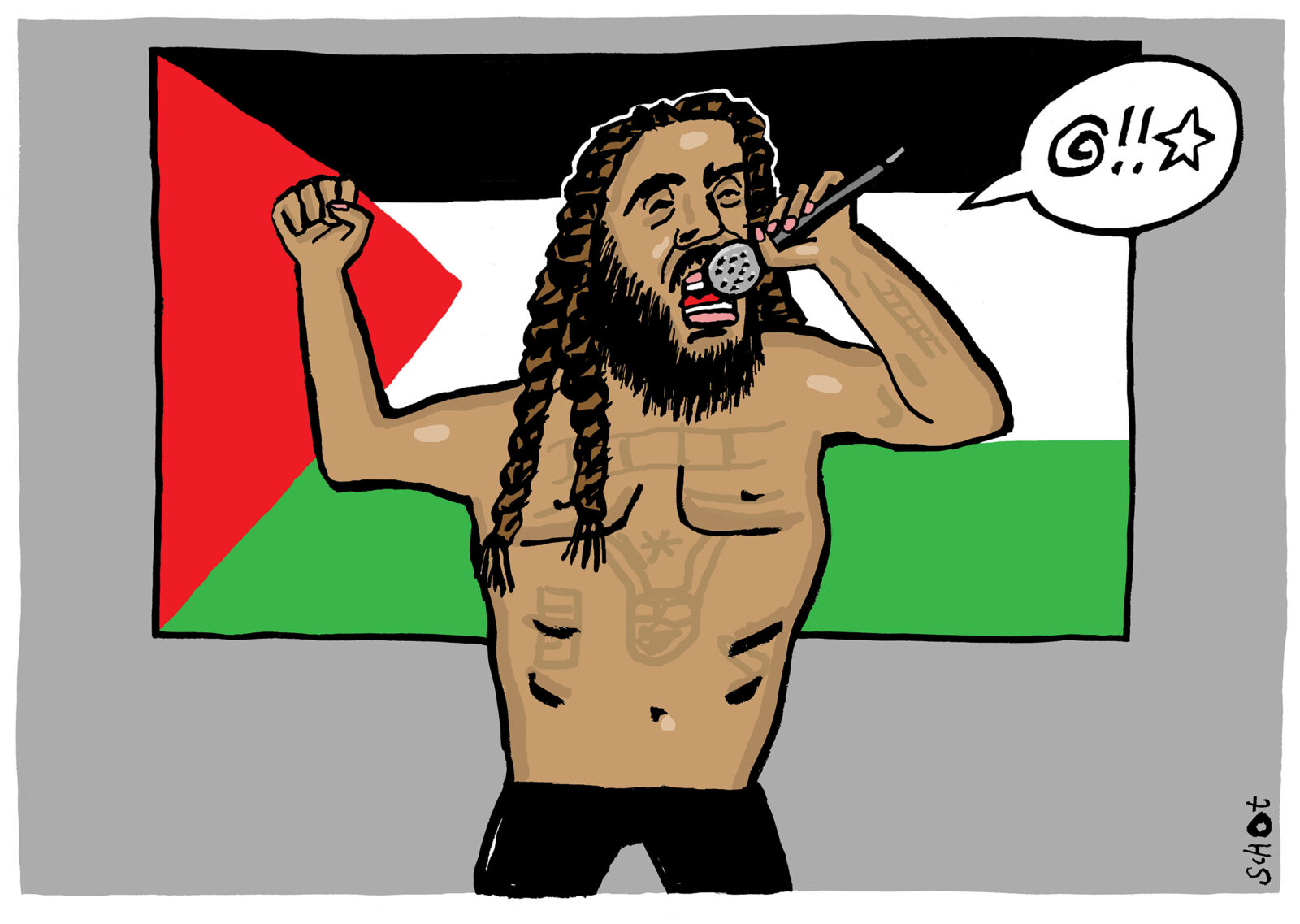
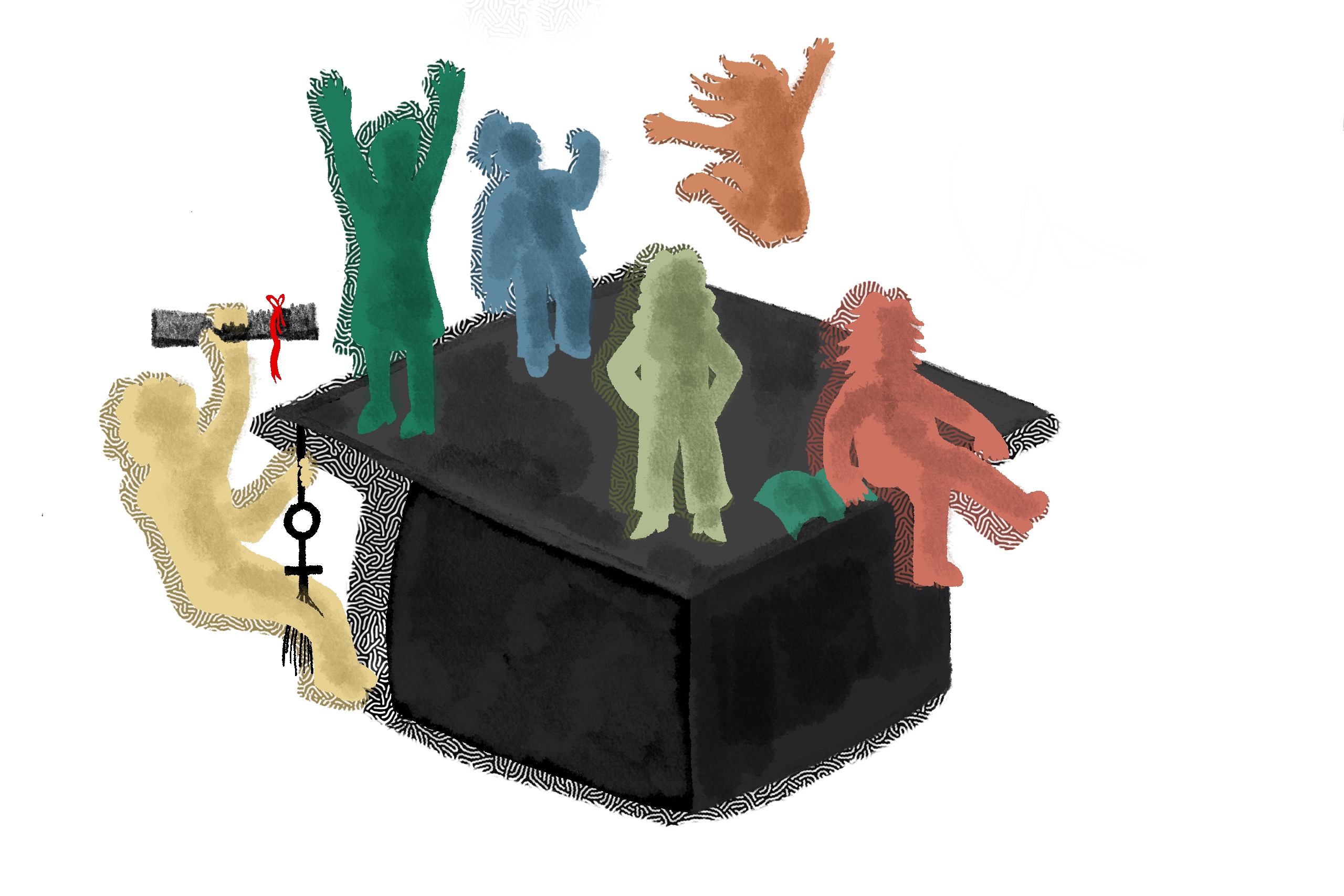
Image by: Bas van der Schot
Pauwke Berkers is professor of Sociology of Popular Music. His research focuses on inequality in the music industry, with attention to themes such as decolonisation, gender and inclusion. He also studies the role of music in social issues and is co-founder of the Rotterdam Popular Music Studies research group.
Why is there so much uproar lately about acts like Bob Vylan and Kneecap?
“Protest music is nothing new, nor are strong reactions to it, but controversies are now picked up and amplified much faster thanks to social media. Gen Z is politically engaged and expects artists to take a stand.
“What’s more, research on moral panics shows that something only becomes an incident once politicians get involved. That’s exactly what we’re seeing now. Politicians try – with varying degrees of success – to exploit the uproar.”
Are you referring to VVD party leader Dilan Yeşilgöz, who accused Douwe Bob of antisemitism?
“Yes. It’s actually impressive how far off the mark she was. It was completely the wrong tone, and the wrong artist. A segment of Douwe Bob’s fanbase votes VVD. And it’s much harder to take a swing at a folk singer like Douwe Bob than at Bob Vylan. That band makes aggressive music and puts forward a clearer political message, which makes them an easier target than Douwe Bob.”
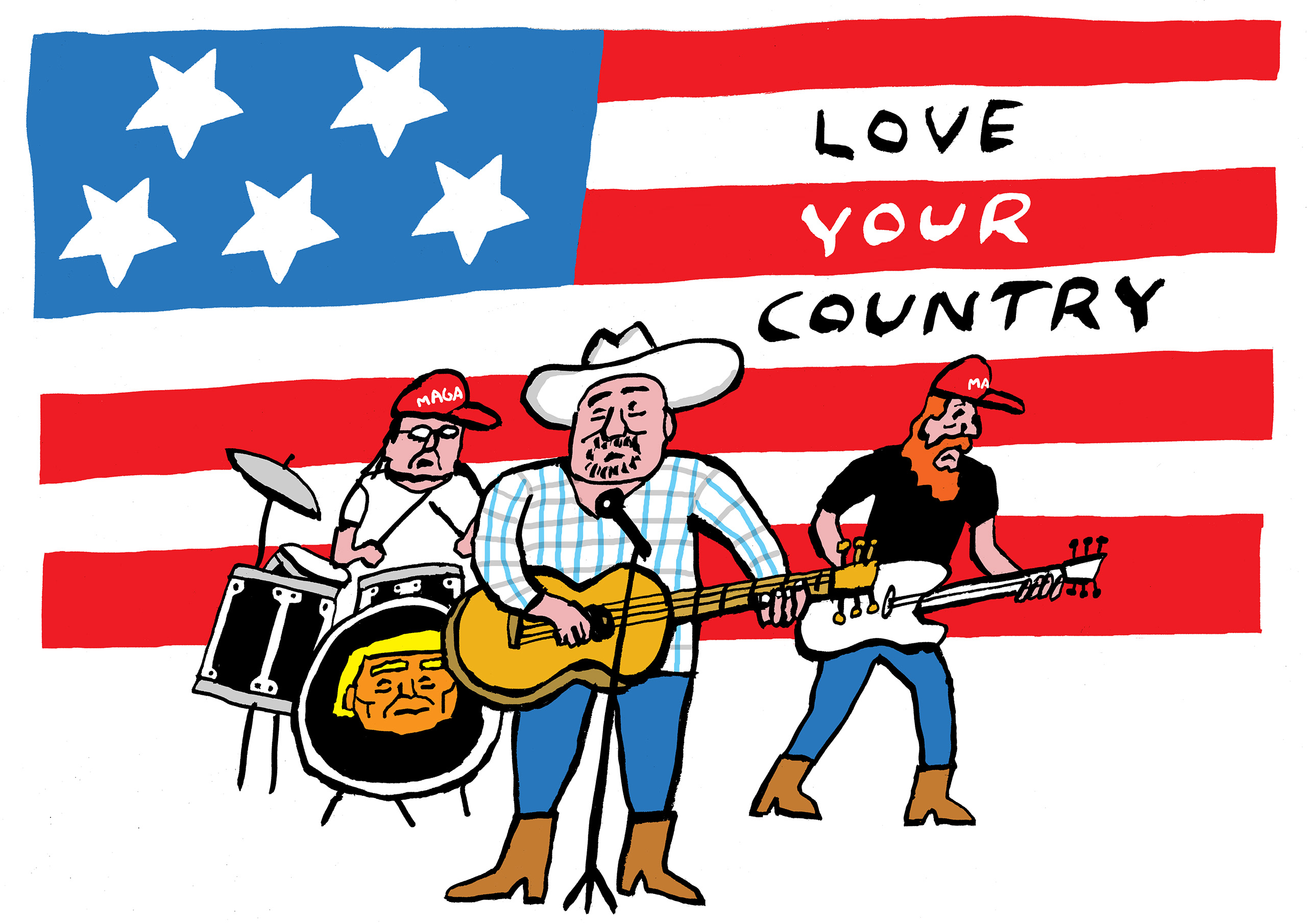
Image by: Bas van der Schot
What do you make of Bob Vylan’s comments? After the murder of Charlie Kirk, the band’s frontman said: “If you chat shit you will get banged. Rest in peace Charlie Kirk, you piece of shit.”
“Every music genre comes with certain conventions and audience expectations. Punk goes hand in hand with political engagement, whereas you’d expect less of that from country. That’s why things went wrong in 2003 with the Dixie Chicks, a country band that spoke out harshly against Bush, which their audience didn’t appreciate. They were boycotted by country radio stations, and some fans even burned their albums in protest. In the Netherlands, you’ve got Bennie Jolink, who’s made critical remarks about the farmers’ protests that don’t quite align with his rural fanbase. That can be a risk commercially. But with punk, it’s the other way around: fans expect outspoken opinions. It would actually be weird if a band like Bob Vylan didn’t speak out politically.
“In the media, I often hear festival organisers saying protest acts like Bob Vylan or Kneecap ‘reflect’ society’s polarisation. That’s too simplistic. Artists aren’t passive reflectors. They consciously choose which themes to address, which conflicts to escalate or de-escalate, and in doing so, add their own layer to the social debate.”
‘It’s telling that the focus is currently on Palestine, literally a state that isn’t recognised and therefore has no voice in its own future’
How does that work?
“Artists connect with what sociologist Michèle Lamont calls ‘recognition chains’. Artists, NGOs, journalists and politicians each contribute to raising awareness for groups that don’t have a voice in the debate.
“It’s telling that the focus is currently on Palestine, literally a state that isn’t recognised and therefore has no voice in its own future. Artists choose to speak out about that because they believe media and political representation is skewed. Their contribution isn’t always coordinated or part of a formal social movement, but together they form a chain of voices trying to close the recognition gap.”
Is the resurgence of protest music today comparable to the protest music of the sixties and seventies?
“Back then, you had Bob Dylan providing the soundtrack for the civil rights movement and the protests against the Vietnam War. It’s ironic that now we have Bob Vylan, giving voice to left-wing sentiment around the war in Gaza. The difference is that in the sixties, the US was directly involved in a dubious war, and artists openly opposed it. In today’s conflicts, Western governments are more indirectly involved. But again now, a broader social movement seems to be emerging, with music playing a key role.”
Is there also right-wing protest music?
“Most protest music is left-wing, but right-wing protest music certainly exists. In the 1980s, there was an entire far-right skinhead scene, with bands spreading nationalist or racist messages. There are also artists who speak out from a conservative or right-wing perspective, like Kanye West. Many country artists are very vocally pro-Trump.
“Music is also repurposed by right-wing groups. Bruce Springsteen’s Born in the USA, actually a protest song about the Vietnam War, is regularly used as a patriotic anthem at Republican rallies, despite Springsteen’s objections. And during the anti-migration protest in The Hague, gabber music was played. That’s not right-wing music per se, but it was used that way in that context.
“Music genres often have both left-wing and right-wing variants. Punk had Skrewdriver, a neo-Nazi band. And black metal includes left-wing bands like Terzij de Horde, but also extremist black metal bands that use Nazi slogans and symbols. That kind of music doesn’t reach the mainstream, so we hear less about it.”
Do artists with left-wing messages receive different reactions than those with right-wing views?
“To know if there’s a structural difference in responses, you’d need proper research. There’s simply more left-wing sentiment in the music sector, so naturally the uproar often centres on left-wing artists. I do know that right-wing acts have been boycotted in the past – like the American band Type O Negative, whose 1991 concert at the Melkweg was cancelled under pressure from Antifa. What you often see is that individual artists refuse to perform at festivals or venues if certain right-wing bands are also on the bill.”
After Bob Vylan’s comments in Paradiso, venue 013 chose to cancel the performance, while Doornroosje went ahead with theirs. Should venues not stand by the artists they’ve booked, or is there a limit to artistic freedom?
“The limit is the law. But pop venues also follow their own moral compass. 013 clearly felt the comment about Charlie Kirk’s murder crossed a line. I found it telling that the people at Doornroosje said they understood 013’s decision. So it wasn’t as though they accused 013 of cowardice. This is a hot topic in the live music world. Everyone finds it difficult, especially since venues have to make quick decisions and those decisions are immediately scrutinised on social media.”
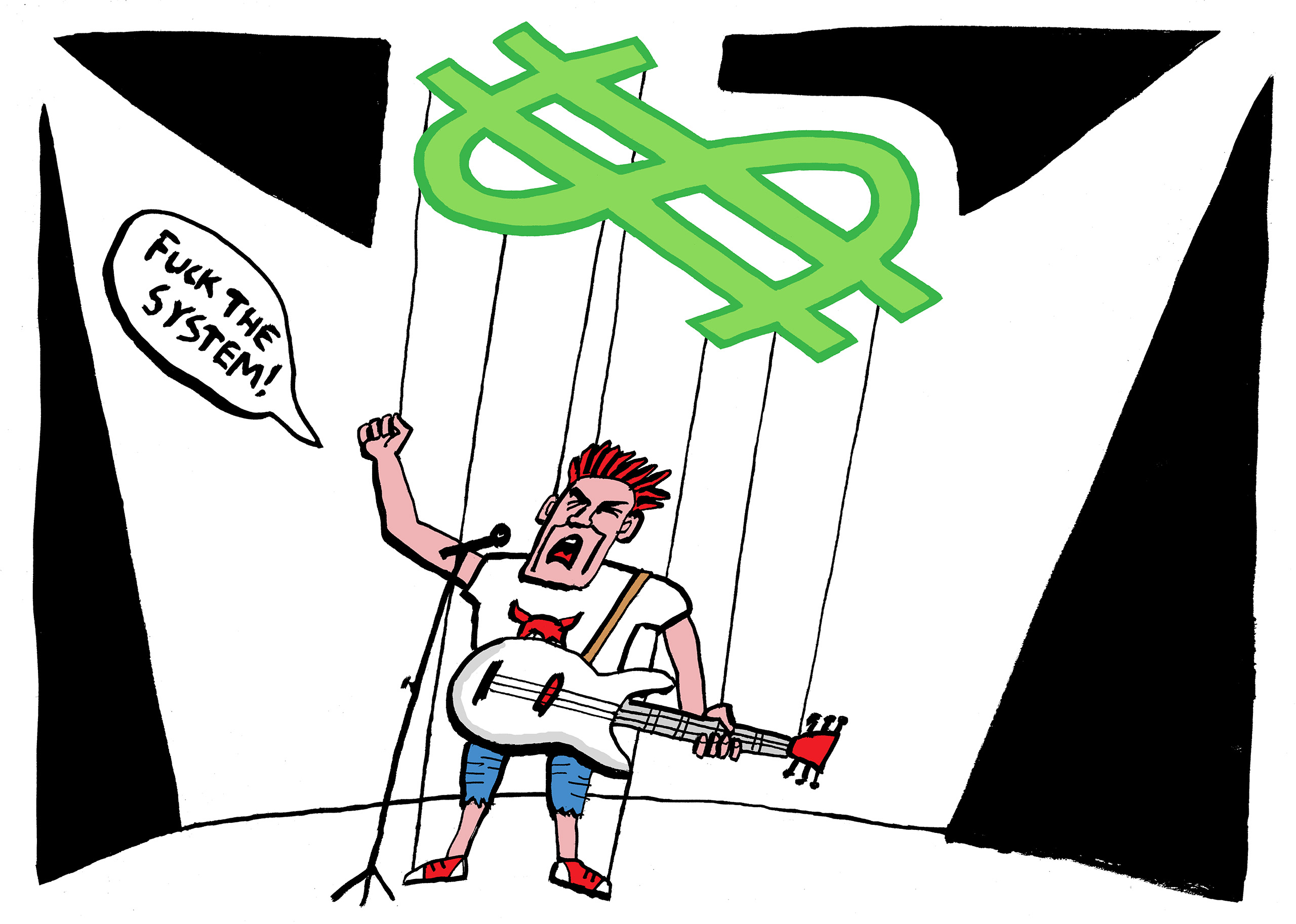
How do financial interests affect the programming decisions of venues and festivals, including in moments like this?
“The pop sector has become serious business over the past decades – increasingly professionalised and financialised. Equity fund KKR, through festival organiser Superstruct Entertainment, owns dozens of festivals, including some in the Netherlands. That’s a private equity firm that invests in industries artists and fans typically don’t support, such as fossil fuels and weapons.
“Costs have gone up significantly, and the financial risks are huge. It’s no surprise festivals are struggling to remain independent. But that puts them in a difficult position. Many pop venues were born out of the activist culture of the 60s – sometimes even the punk movement. The people working there often still hold those values. But the supervisory boards are often made up of people from the corporate world. That leads to conflicting interests. Sometimes you see management making decisions that don’t sit well with the staff. For instance, pop venue Annabel once rented out its space for a day to Leefbaar Rotterdam, despite usually preaching inclusivity. That really upset some of the volunteers.”
What do you think of AVROTROS’ decision to withdraw from Eurovision if Israel participates?
“Foreign minister David van Weel responded by saying we shouldn’t politicise Eurovision. But that’s naïve. Music is always about identity – about shared backgrounds and who you share them with. And Eurovision, in particular, is political. Just like sport, it’s about national representation. Participating means recognition. And some countries consistently vote for each other. There was even proven interference by the Israeli government in the last edition of Eurovision, according to AVROTROS. That illustrates just how strong the political stakes are in Eurovision. The fact that AVROTROS made this decision despite the pressure on public broadcasters makes it, in my view, a powerful statement.”
Read more
-
Belgian universities: help us terminate the EU treaty with Israel
Gepubliceerd op:-
Politics
-
De redactie
-
 Manon Dillen
Editor
Latest news
-
TU Delft may not favour women in admissions to courses
Gepubliceerd op:-
Education
-
-

Hate campaigns and political pressure: KNAW wants legal protection for academic freedom
Gepubliceerd op:-
Science
-
-

Signing up for a Dutch course ‘feels like a race’, no more places available for now
Gepubliceerd op:-
Internationalisation
-

Comments
2 reacties
-
Wondering... op 16 October 2025 om 10:20
How does the claim that it is “a state that isn’t recognised” sit with the fact that it was recognised by 80% of the countries in the UN?
Comments are closed.
Ad
Read more in The Issue
-
‘There should be a minimum age for fatbikes’
Gepubliceerd op:-
The Issue
-
-

‘With gadgets like Meta Glasses, we pay to be surveilled’
Gepubliceerd op:-
The Issue
-
-
‘Most medical influencers do not think they are unqualified’
Gepubliceerd op:-
The Issue
-

Student op 16 October 2025 om 10:19
The first sentence of the article says their calls of “Up Hamas, up Hezbollah” are “fierce opposition to the war”. How is supporting two organizations that are recognised as terror organizations by multiple European countries, at least one is responsible for death of many Americans and Europeans (let alone Israeli citizens), the other is proud to have started the war, considered an opposition to the war?