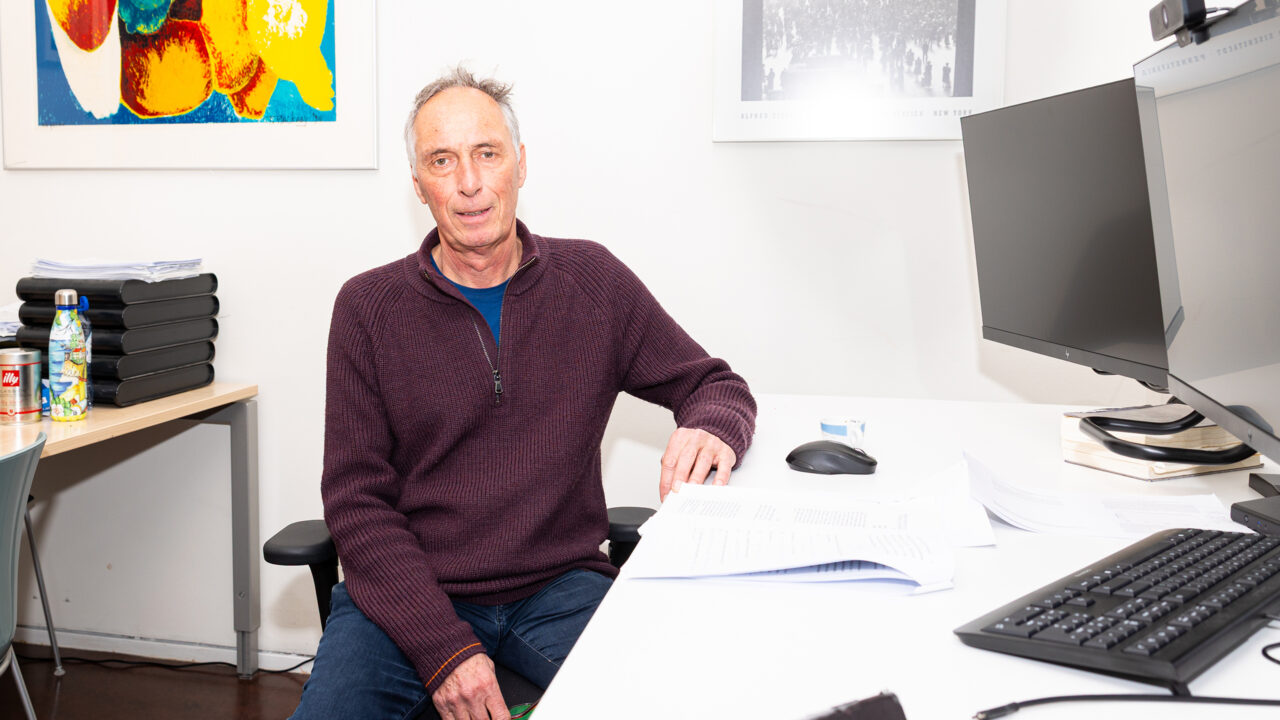
How Jun Borras discovered that land grabbing is far from over

In 2008, a small NGO report revealed a global rush for land, with governments in the Global South handing vast tracts to foreign companies. When the media attention faded, most assumed the frenzy was over. But Jun Borras found that land grabbing was far from finished.
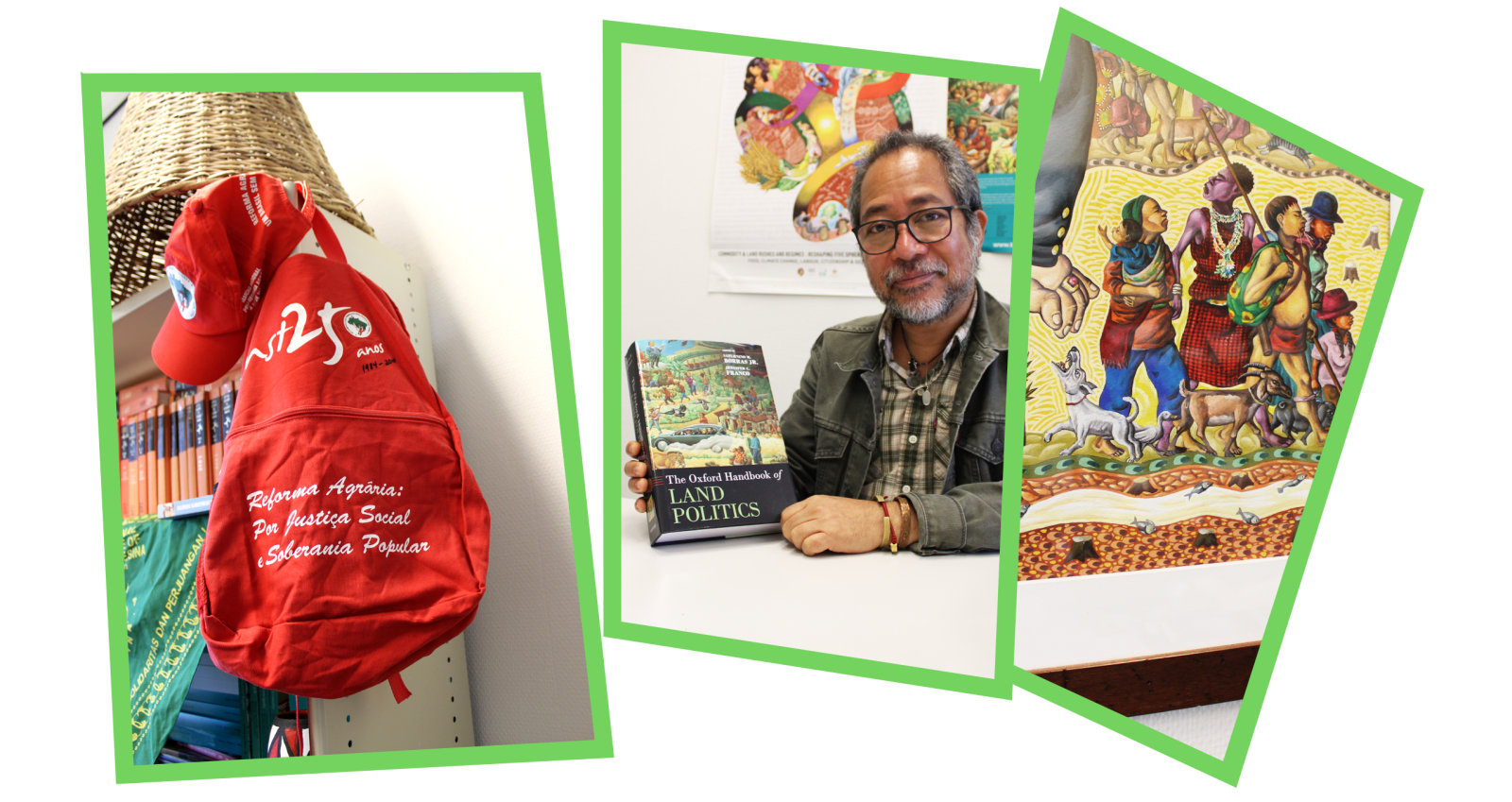
Image by: Esther Dijkstra
Jun Borras is an Erasmus Professor at EUR and Professor of Agrarian Studies at the International Institute of Social Studies in The Hague. His ERC Advanced Grant-funded research focuses on land politics.
The wonder
“Before I joined academia, I was as an activist in the Philippines fighting for land reform. Most farmers don’t own the land they work, and they pay huge rents to landlords who don’t work the land. A medieval feudal system, but it’s still happening in much of the Global South. Since my time in graduate school, I have researched land politics, something my colleagues initially mocked, thinking it was boring. That changed beginning in 2008.”
“In 2008, a small NGO published a report about land grabbing. It documented how foreign companies in collaboration with governments in the Global South were taking control of massive amounts of land, displacing ordinary rural villagers.
“Earlier land deals were mainly with agribusiness for food or feed crops. But the search for renewable energy enticed energy companies to come in for biofuel, for which they increased palm oil and sugarcane production, resulting in massive displacement and deforestation. Also, carbon offset projects, which allow polluting industries such as airlines to continue polluting, designated hectares of land as ‘untouched’, displacing local inhabitants. Add to that the 2007 financial crisis which pushed pension funds to find new investment opportunities and they found land profitable. All this sparked a global land rush, with an intensity and frenzy like the California Gold Rush, triggering a broader hysteria, and associated fake news, and the mushrooming of brothels and fake notaries.
“By mid-2010s the media spotlight had faded. Academics and international institutions assumed the problem was over. But visiting countries firsthand, I saw land grabbing continuing, even as data suggested land deals had plateaued. That was a riddle.”
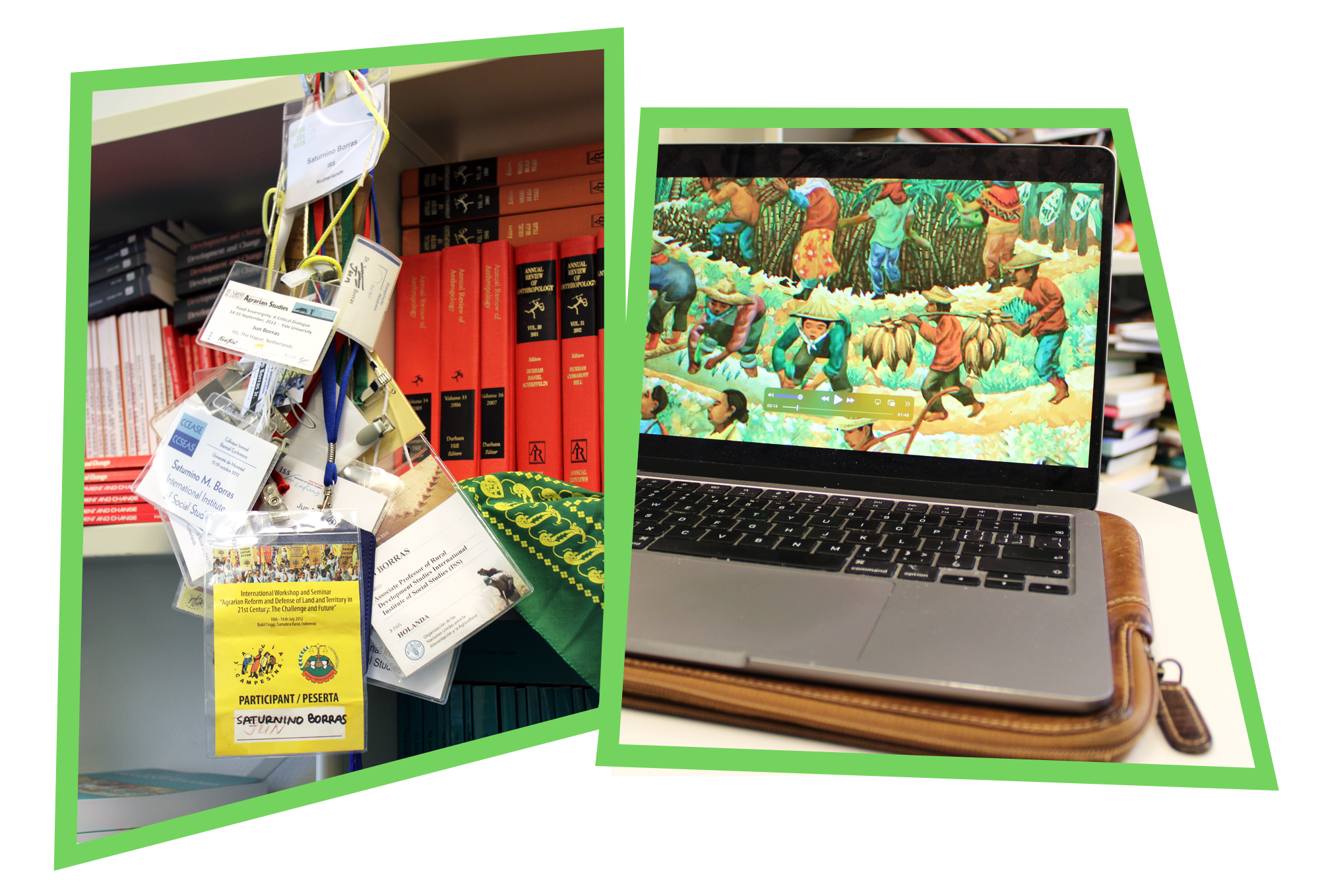
Image by: Esther Dijkstra
The eureka moment
“The Land Matrix, an independent monitor of land deals, estimated that a quarter of a billion hectares of land were grabbed. I had a eureka moment when I realised that it is likely that a quarter of a billion hectares was in fact an underestimation, and that the crowd-sourcing method the Land Matrix uses has its flaws.
“NGOs and academics call the land capture ‘land deals’, or the clinical ‘large-scale land acquisitions, LSLA’. But as I see it, land control is the essence of land grabs and it can be legal or illegal.
“Here is an illustrative case: the Indian company Karuturi, one of the largest producers and exporters of cut roses. It signed a 49-year lease with the Ethiopian government for 300,000 hectares with a token fee. The company managed to take control of 100,000 hectares, cleared the forest, and dispossessed the local nomadic farmers on the land. They started operations but stopped after about three years. The state government wanted to recover the land, but the company refused, invoking their legal right to control the land for 49 years. They started to sublet portions to smaller renters. This case is known as non-operational or a failed land deal. The media and NGOs do not bother to report about them anymore. It became invisibilised.
“Cases like these helped us make sense of the data. And this is how we cracked the riddle: the land rush is over, but the land grabs continue.”
The research
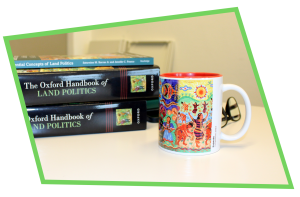
Image by: Esther Dijkstra
“Our team focused on seven countries, including Colombia, Ethiopia, and Myanmar, the global hotspots of land grabbing. With local collaborators, I conducted participant observation, surveys, and focus group discussions. Over six years, as we analysed the data and had ongoing conversations, and our confidence grew that the solution our analysis proposed was plausible.”
The aftermath
“Just yesterday I received the printed edition copies of our 904-page book with beautiful artwork by an activist Filipino artist on the covers. Seeing the fruits of our labour and receiving positive feedback is incredibly rewarding. I’m exploring blogs, paintings, and animations, ones that can even be played in for instance TikTok and Instagram to make the work accessible beyond academia.
“The impact is already unfolding: insights from our research are influencing civil society and national governments. Inspired by a conference on land grabbing that I co-organised last year, a UN summit on land will take place in Colombia in February 2026, with around 120 governments and agrarian social movements expected to participate. Let’s hope that changes things in the future.”
Read more
-

Why the same brain area prompts adolescents to recklessness and to social bonding
Gepubliceerd op:-
Eureka!
-
De redactie
-
 Manon Dillen
Editor
Latest news
-
Letschert gives nothing away in first parliamentary debate
Gepubliceerd op:-
Education
-
Politics
-
-
Away with the ‘profkip’, says The Young Academy
Gepubliceerd op:-
Science
-
-

House of Representatives wants basic grant for university master after HBO
Gepubliceerd op:-
Money
-
Politics
-


Comments
Comments are closed.
Read more in Eureka!
-
Why the economy doesn’t belong to economists
Gepubliceerd op:-
Eureka!
-
-
Voters do make rational choices when they vote for populists, discovered Otto Swank
Gepubliceerd op:-
Eureka!
-
-
Why legal scholars, philosophers and empirical researchers need each other
Gepubliceerd op:-
Eureka!
-