Ad

How can we trust politicians?
More money for education and more investment in research – in their election programmes parties make all kinds of promises. Whether those will materialise remains to be seen. Elections are about trust; on 29 October politicians will ask voters to entrust them with running the country. That will not be easy, because voters’ trust is low.
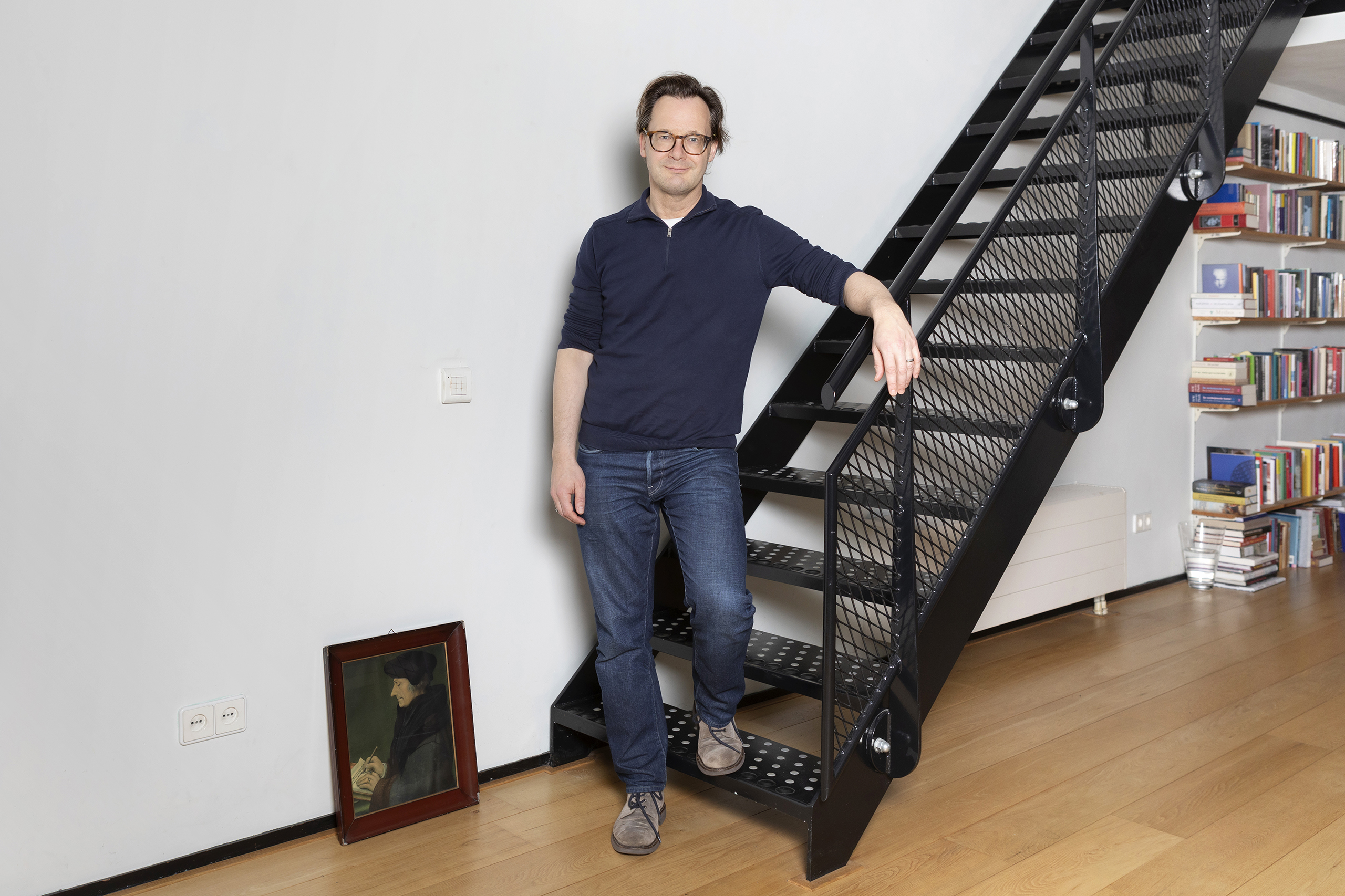
Image by: Levien Willemse, Pauline Wiersema
When do we trust someone? Mainly when we know how they think and can predict what they will do. That certainly applies to politicians in the run-up to elections. They make all kinds of promises then, which are often broken soon after the vote. That is almost inevitable, because any promise can be sacrificed in the compromises that must be struck.
Yet there is something we can hold politicians to and over which they cannot compromise: their principles. Every political party ought to have them, but in election campaigns they rarely play a role. A party’s principles set out its ideology: how those active in the party view people and what their vision is of society – and how they intend to practise politics. With new parties (such as BBB and DENK) the principles often read like a statement drafted by communications staff, as a form of marketing. With other parties (such as ChristenUnie and SP) the principles are the result of internal debates to which members have contributed and which guide the politicians.
Election programmes are already out of date on polling day, because the world is constantly changing and new problems arise. The proposals parties put forward in these programmes mostly answer yesterday’s questions rather than the issues of the years to come – for the simple reason that politicians do not yet know those issues. That is why it seems important to me to see how politicians think about people and society – and how they approach politics; because these are the principles with which they will look at problems and devise solutions in the future. For that to work, parties must have principles and actually use them – and members must be involved in those debates about principles.
Some party leaders have written books (Wilders and Baudet), but their parties have no principles programme (PVV and Forum). I could not find principles for D66 either. In some parties the principles read mainly like advertising (VVD); in others parties explicitly position themselves within a tradition (CDA). Parties with clear principles also have a more coherent election programme, when their positions are based on those principles. GroenLinks-PvdA is a problem case, because here parties with two separate principles programmes are contesting the election together: what, then, is their real view of people and the world? Principles are not always easy to find – for example, no party displays them prominently on its own website. Yet we should ask politicians about them during this campaign, because adherence to principles makes them predictable and therefore more trustworthy.
Read more
-
Chicken coop democracy
Gepubliceerd op:-
Column
-
De redactie
-
 Ronald van Raak
Columnist
Latest news
-
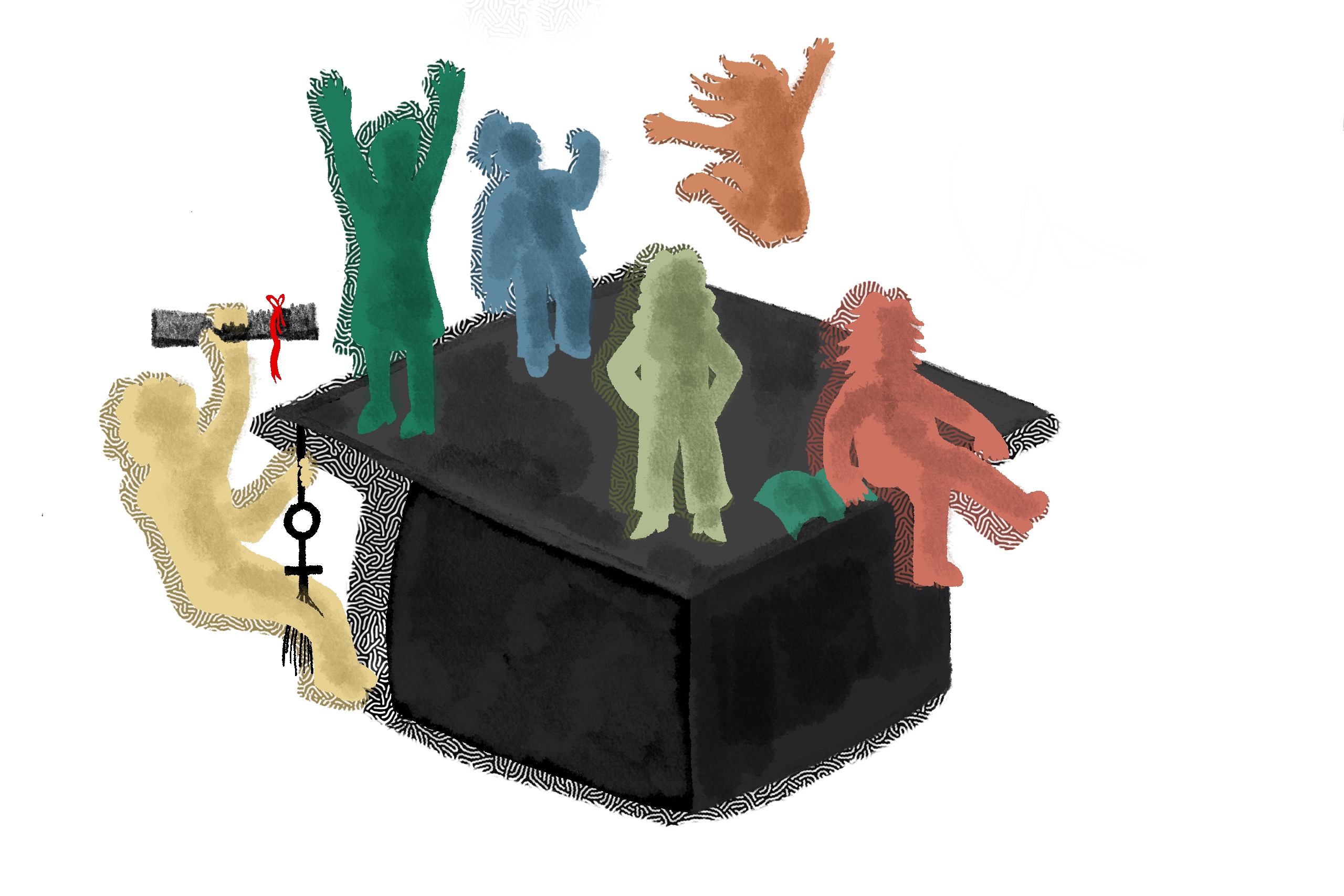
TU Delft may not favour women in admissions to courses
Gepubliceerd op:-
Education
-
-

Hate campaigns and political pressure: KNAW wants legal protection for academic freedom
Gepubliceerd op:-
Science
-
-
Signing up for a Dutch course ‘feels like a race’, no more places available for now
Gepubliceerd op:-
Internationalisation
-

Comments
Comments are closed.
Ad
Read more in Column
-
The sad anniversary of powerless staff and students
Gepubliceerd op:-
Column
-
-
Tea, theory and a healthy dose of procrastination
Gepubliceerd op:-
Column
-
-
The drama of Jason Arday
Gepubliceerd op:-
Column
-