Ad

The university has put an end to the dialogue on Israel
Not long ago, the university had its own pro-Palestinian encampment. It made an impact. The EUR froze its collaboration with three Israeli universities because the risk of becoming complicit in human rights violations was deemed too great. Exchange programmes were put on hold and no new research collaborations will be initiated for the time being.
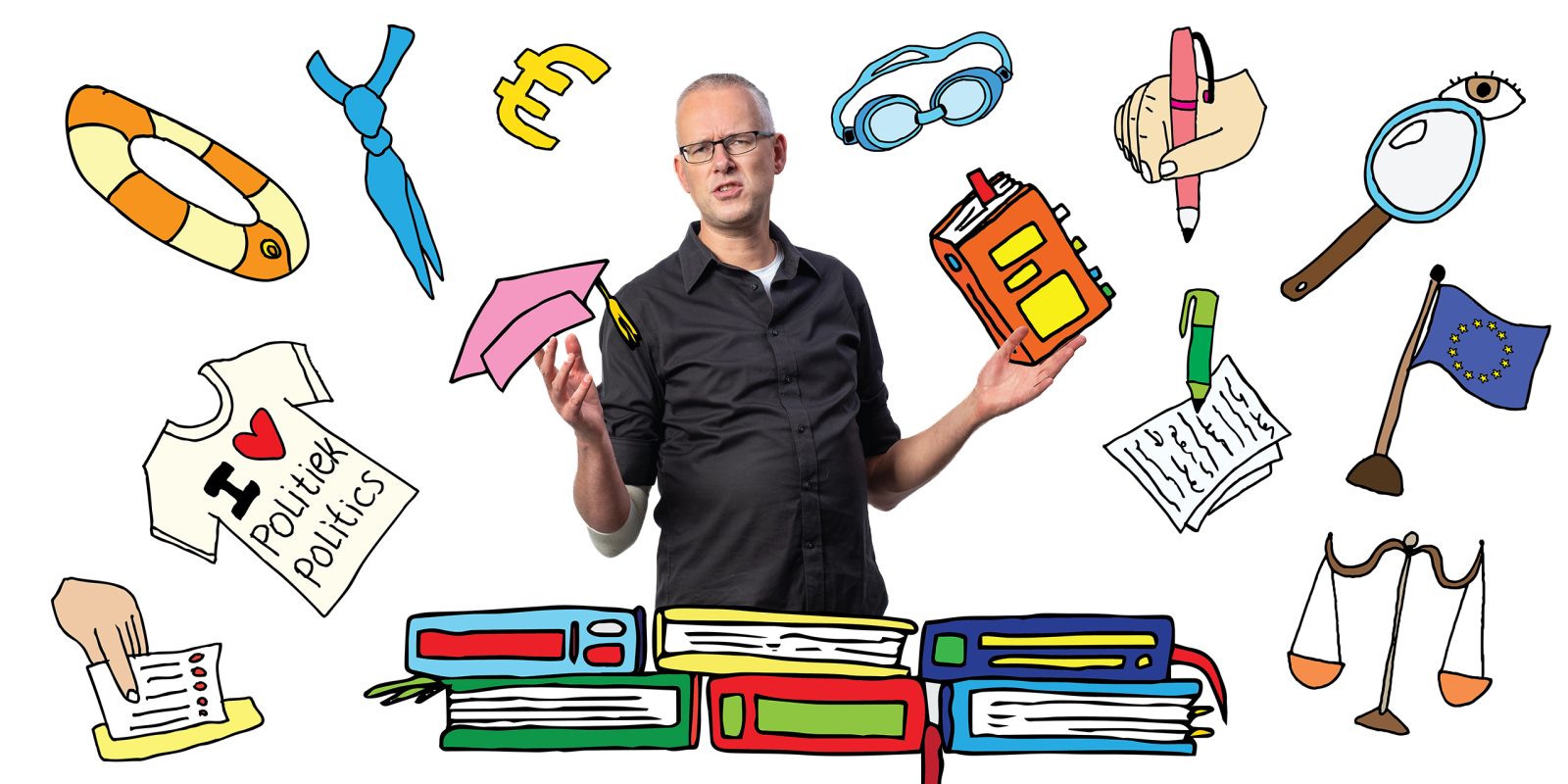
Image by: Pauline Wiersema, Levien Willemse
The decision included an interesting note: the Executive Board expressed concern about ‘signals that some members of the EUR community no longer feel free to speak out, or feel unsafe because of their background, beliefs or involvement in social movements’. The board called on everyone to contribute to respectful dialogue, especially now that the differences of opinion are so stark.
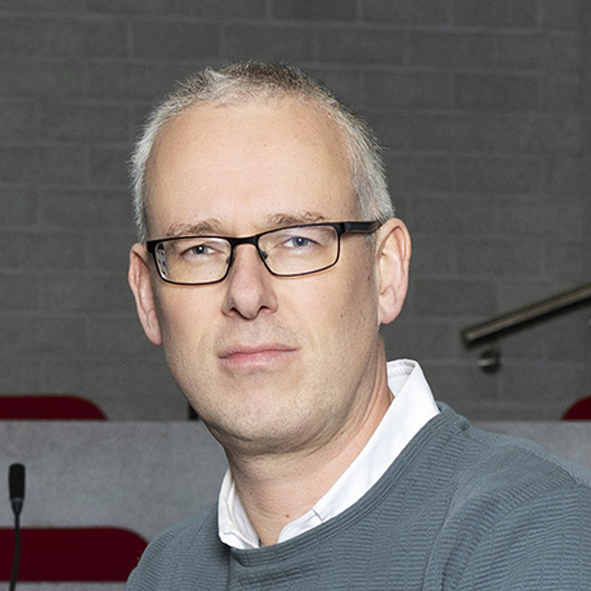
Chris Aalberts is a lecturer in political communication and research methods on the master’s programme in Media and Journalism. Aalberts is also a journalist and publishes on his own website about political developments in the Netherlands and Europe. As of this year he is also a columnist for Erasmus Magazine and will write a column every four weeks.
I always thought the tradition of university governance was to give as much room as possible to teaching and research. The Executive Board takes care of structures: allocating funds to faculties, maintaining good facilities, running slick PR campaigns – all that sort of thing. Decisions on content in teaching and research? Those are made by staff themselves. After all, they are the experts in their field – the university board is not.
Why break with this tradition now? A critical report has been issued by a special committee that assessed the collaborations with Israeli universities. Staff considering such collaborations can read the document and draw their own conclusions. And if they choose not to delve into it, their colleagues will surely raise it with them. Why shouldn’t staff be trusted to make their own judgements? Why does the board think it knows better?
I know the answer: the pressure is simply immense. In NRC, I read that all Israeli universities are structurally complicit in the situation in Gaza and that this applies to every academic discipline: “There are no exceptions”, an anthropologist from the University of Amsterdam asserts. Researcher Maya Wind recently visited Rotterdam. In NRC, she spoke about her book, which argues that Israeli universities are entangled with the state apparatus and the defence industry, thereby contributing to the oppression of Palestinians and the war in Gaza.
One would expect universities to teach students to question such sweeping claims, to think for themselves, and to embrace doubt. My own instinct, for example, is to ask whether my discipline – communication science – is just as complicit in Gaza as the study of advanced defence systems, and whether we should or could distinguish between them. I think we all know the likely answer, but something tells me I’d better keep that to myself.
Science is supposed to be about doubt, nuance and dialogue. Or at least, usually – but when it comes to Israel, university leaders are now telling us how it is. Dialogue has become not only unnecessary but actually undesirable, because conversations inherently make room for views beyond those of the Executive Board. They might even spark doubt about whether the top-down stance is actually the right one.
In this way, the board has effectively put an end to the dialogue on Israel. That not everyone now feels free to speak out is a foregone conclusion.
De redactie
-
 Chris Aalberts
Columnist
Latest news
-

EM TV newsflash: Shorter waiting time for medical interns, lively trade in graduation tickets and purchasing power increase
Gepubliceerd op:Article type: Video-
EM TV
-
-
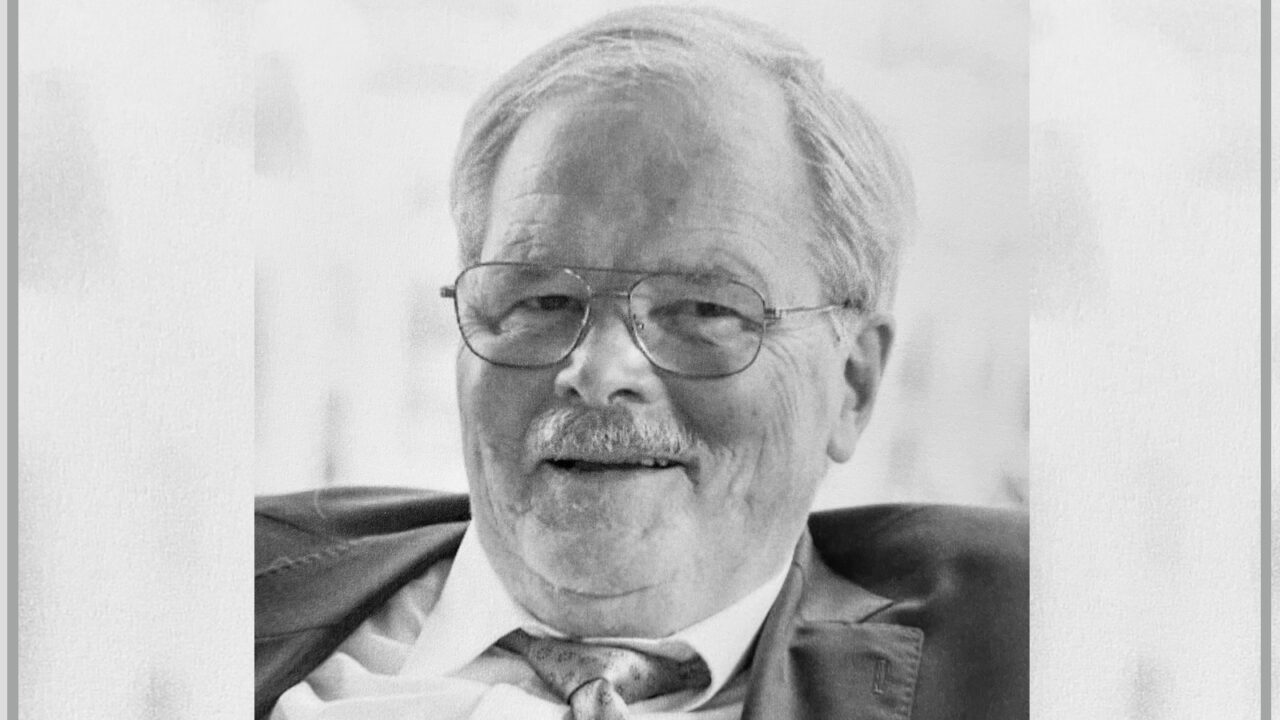
In memoriam Rob van der Wal
Gepubliceerd op:-
In memoriam
-
-
Lively trade in tickets for graduation ceremony: ‘Excessive prices are undesirable’
Gepubliceerd op:-
Student life
-

Comments
Comments are closed.
Ad
Read more in Column
-

Notes on your phone
Gepubliceerd op:-
Column
-
-

Looking back without anything weighing on you
Gepubliceerd op:-
Column
-
-
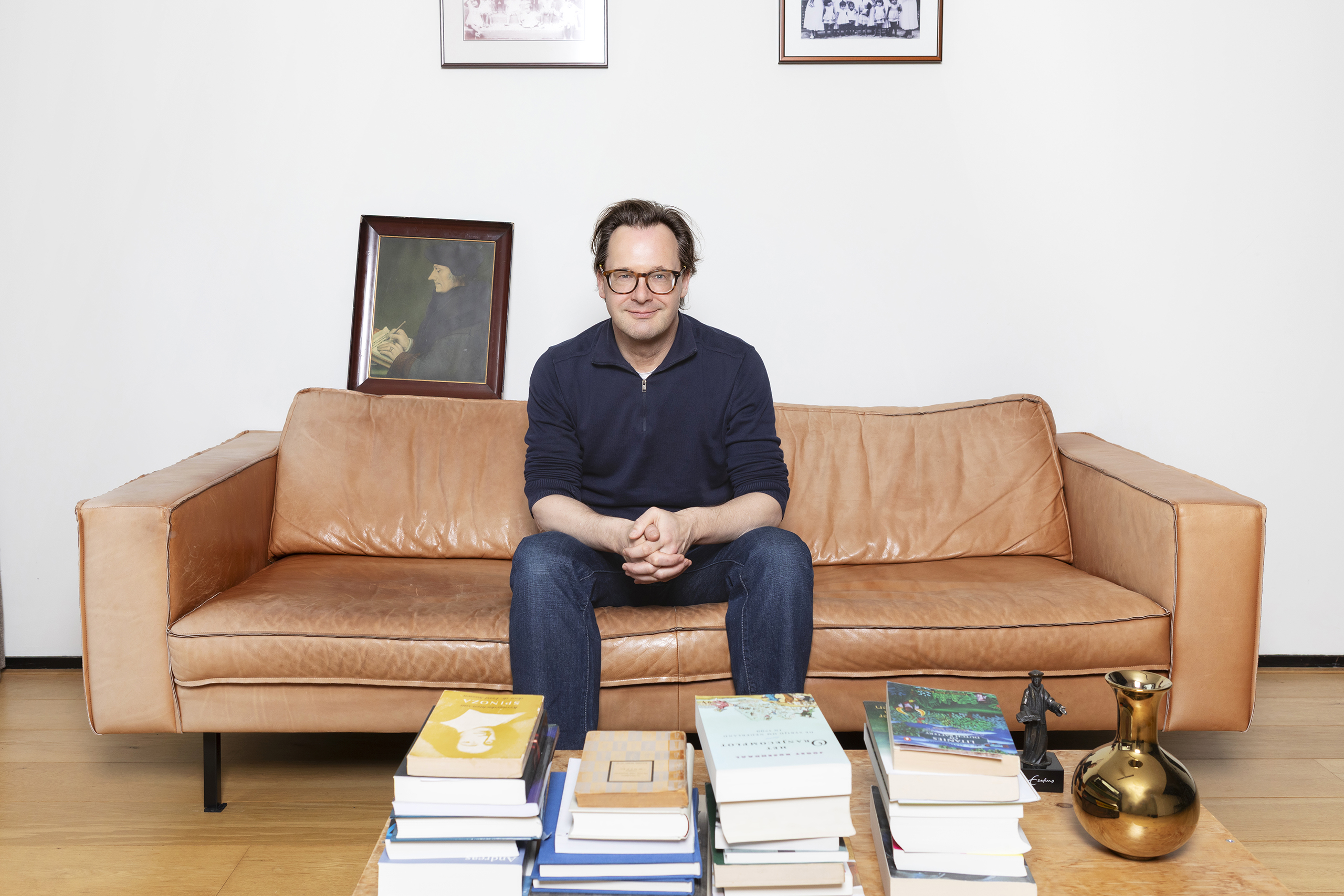
Academics allow themselves to be used by politicians
Gepubliceerd op:-
Column
-